




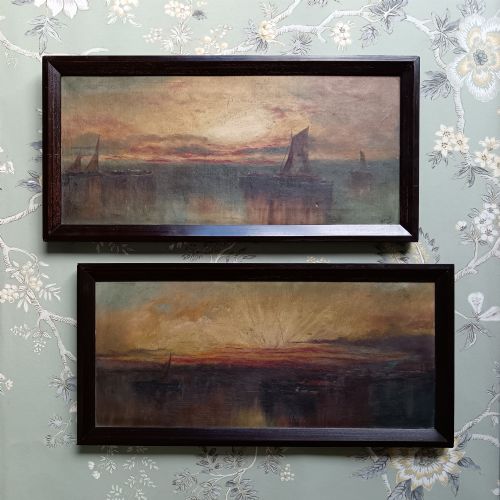
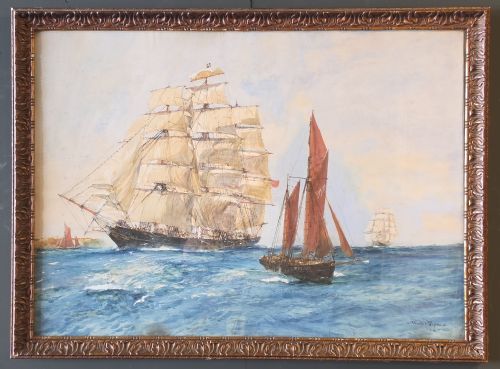
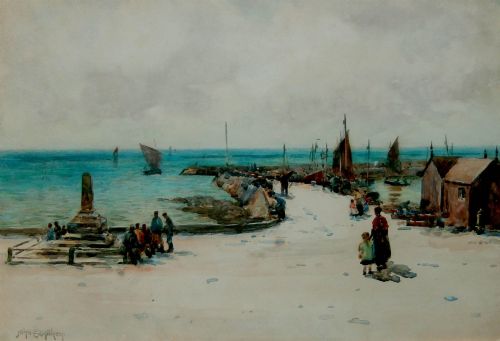
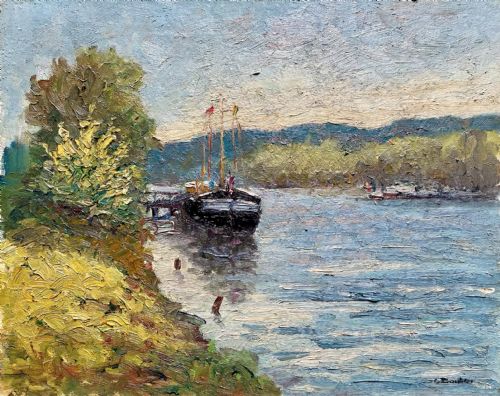
Vintage Nautical Painting
Vintage nautical painting brings coastal and maritime life into focus through works spanning the nineteenth and twentieth centuries.
Vintage Nautical Painting
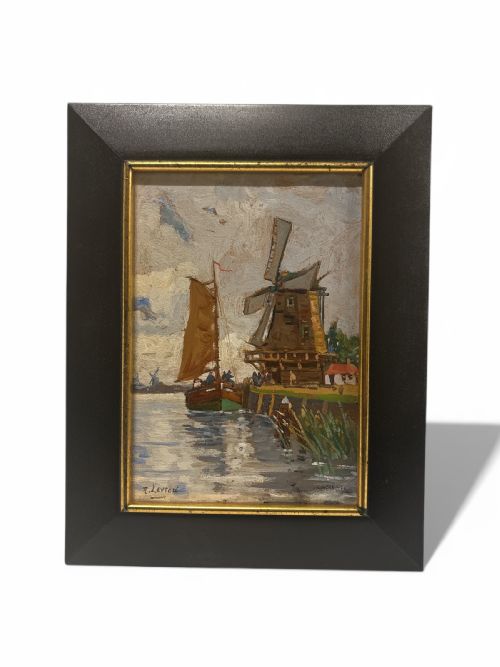
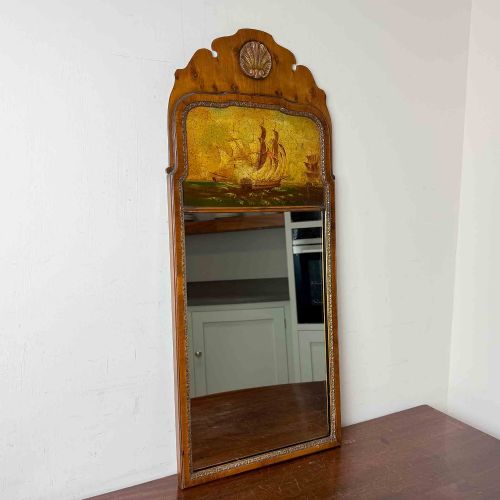
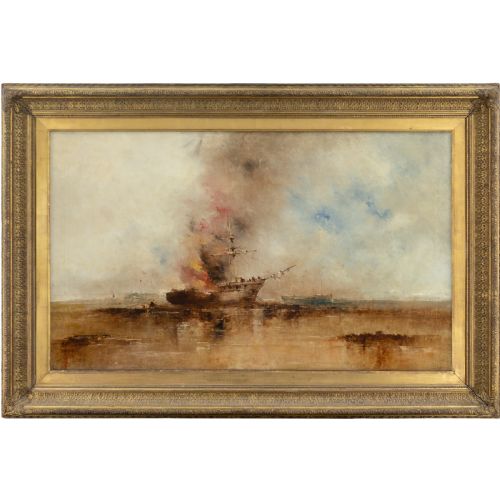
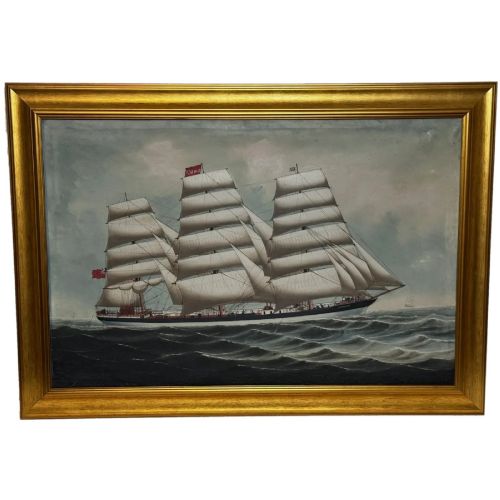
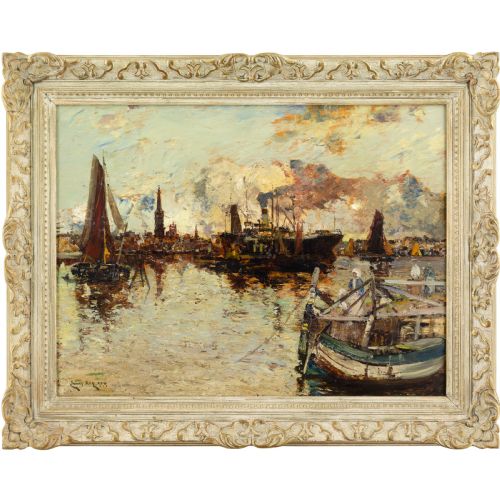
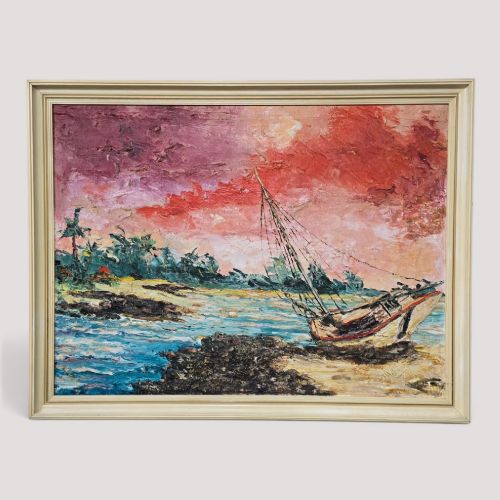
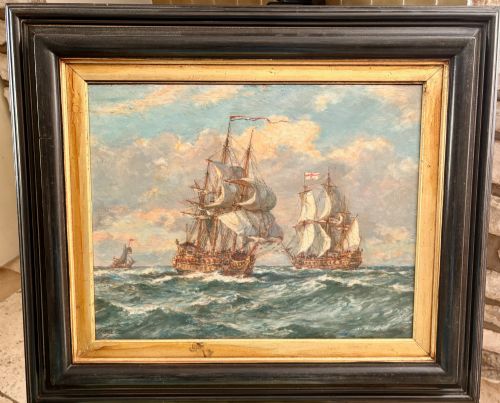
A vintage nautical painting captures sea views, harbour scenes, and shipping traffic from periods including the Edwardian era and the mid-twentieth century. Buyers searching this phrase encounter coastal landscapes, detailed ship portraits, and stormy marine encounters recorded on canvas, board, and paper.
The versions most frequently met on this page include framed oil paintings and watercolours depicting British and European waters, alongside occasional three-dimensional dioramas. Works range from intimate studies of fishing boats to large canvases illustrating steamships and historical naval vessels.
Materials and techniques
Artists utilise oil paint on canvas or board to build rich textures of water, sky, and atmosphere, often housing finished pieces in gilt wood frames. Watercolours and gouache on paper offer finer linear detail for harbour views and vessel rigging.
Several pieces preserve the exact moment steamships crossed paths with nineteenth-century sailing barques.
Distinctions in execution
Quality rests in the artist's command of light, movement, and maritime architecture, separating routine ship portraits from dynamic compositions. Handling of water and atmospheric conditions dictates the depth and visual weight of a piece.
Condition of the painted surface, preservation of the original paper or canvas, and the integrity of the frame influence the overall standing of an artwork. Finer works demonstrate precise perspective in rigging and coastal topography combined with stable materials.
Kenneth Cozens·Eugène-Louis Gillot·William McAlpine·Charles Edward Dixon·James Kay·Bernard Gribble·Frank William Scarbrough·Peter Brannan·Paul Bret·Willem Bos·William Henry Williamson·George Stanfield Walters
The Vintage Nautical Painting Glossary
- Gouache
- An opaque watercolour medium that provides solid colour blocks and sharp highlights on paper or board.
- Diorama
- A three-dimensional display featuring a model ship set within a constructed maritime background.
- Marine art
- Depictions of ships, coastal scenes, and maritime subjects executed in paint, watercolour, or mixed media.
- Post-Impressionism
- An art movement focusing on expressive brushwork and subjective responses to landscape and sea.
- Canvas
- A heavy woven fabric stretched across a wooden frame to serve as a support for oil paintings.
Vintage Nautical Painting: Frequently Asked Questions
How do I date a marine painting?
Dating relies on the ship types, clothing styles of figures, and signatures or exhibition labels found on the reverse. Steamships, three-masted schooners, and specific naval uniforms often point to exact decades.
Material analysis of the canvas, wooden panel, and framing style also assists in placing the work within nineteenth or twentieth-century periods.
What is the difference between oil and watercolour?
Oil paint utilises a slow-drying binder that allows artists to build rich textures and deep tones for stormy seas and dramatic light. Watercolour uses a water-soluble binder on paper, creating translucent washes suited for bright coastal atmospheres.
Oils generally require canvas or board supports, whereas watercolours need paper protection behind glass.
Where should I hang a marine painting?
Marine works suit rooms with steady light levels away from direct sunlight to protect pigments on canvas and paper. Placing them on neutral walls allows gilt frames and coastal colours to stand out.
Keeping pieces away from damp areas preserves the wood panels, paper supports, and original frames.
Are ship models considered paintings?
Ship models housed in boxes or glass cases are classified as dioramas rather than paintings. These three-dimensional items share maritime subject matter and historical periods with canvas works.
Both forms document shipping history and coastal life from the nineteenth and twentieth centuries.