

Vintage Marquetry Table
A vintage marquetry table brings together patterned wood veneers and traditional craftsmanship, offering a functional surface with decorative floral or geometric designs.

Vintage Marquetry Table
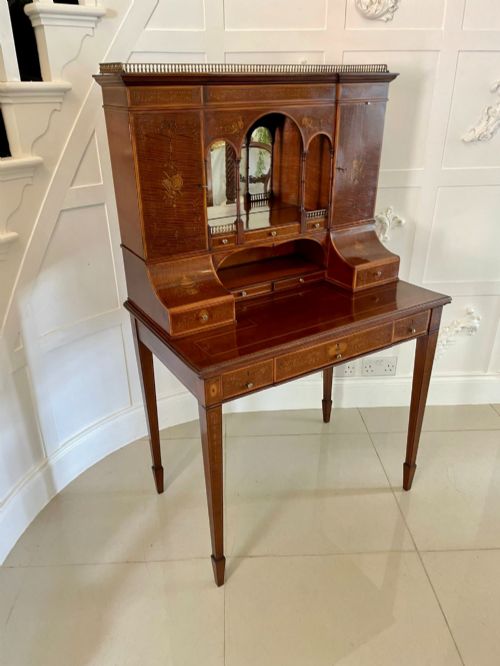
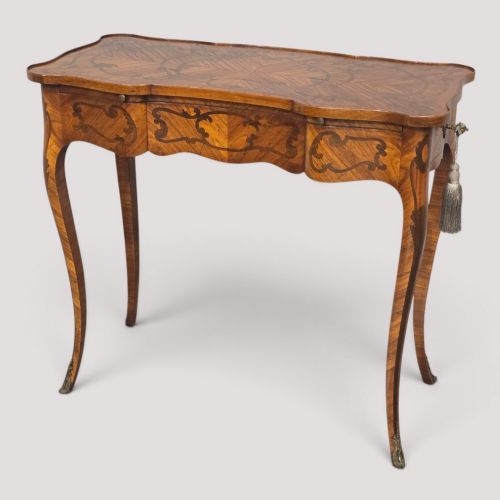
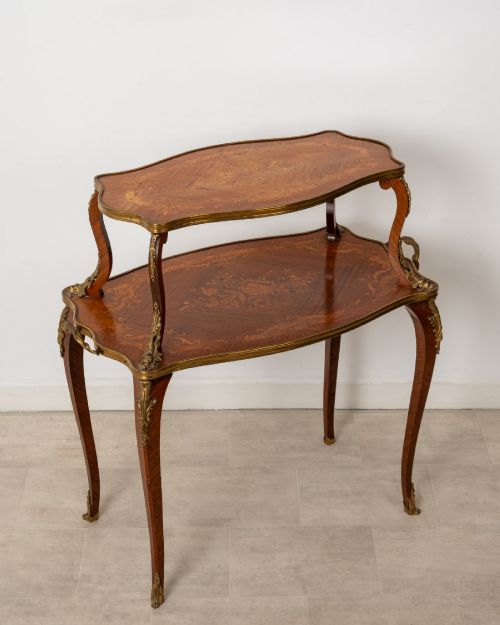
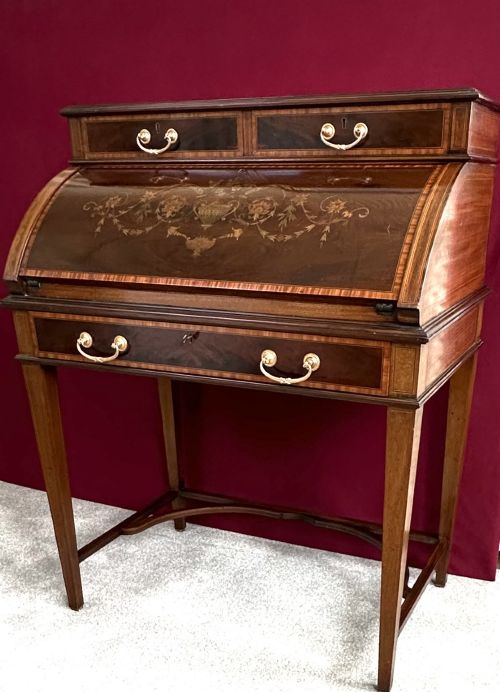
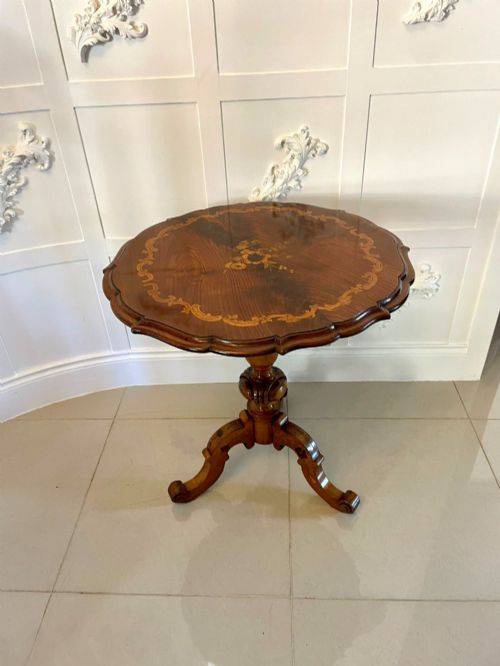
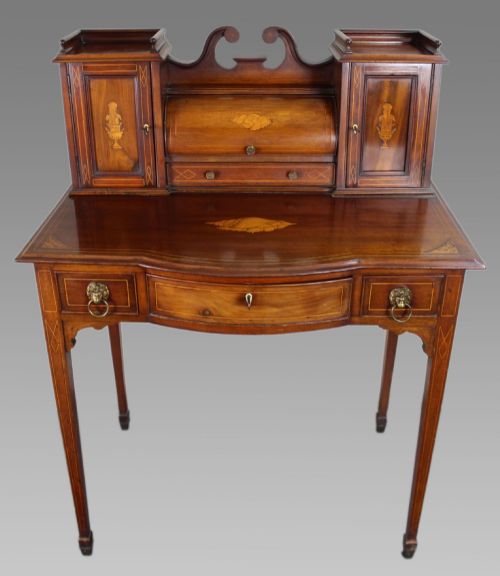
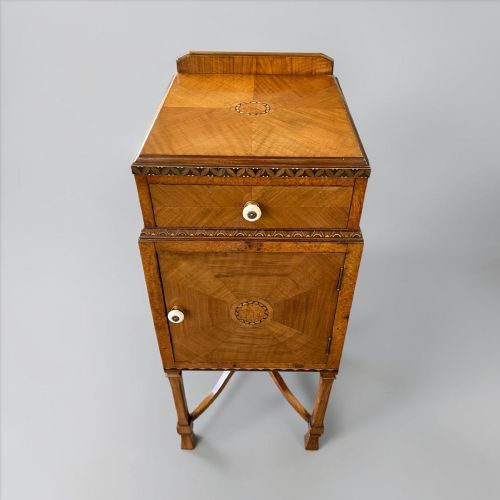
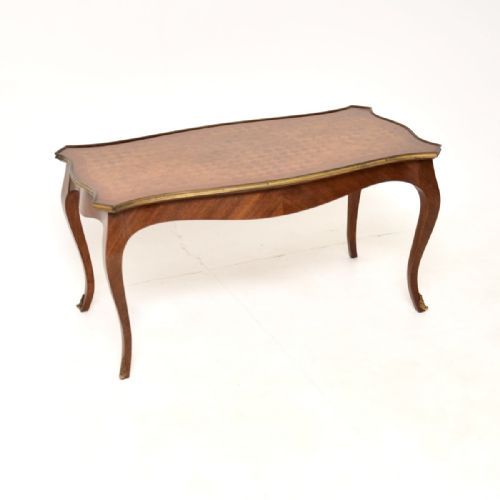
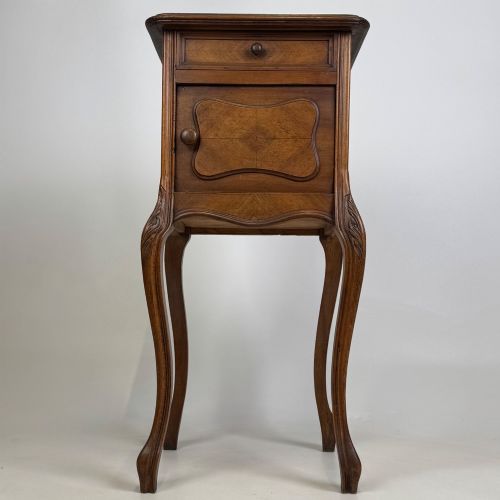
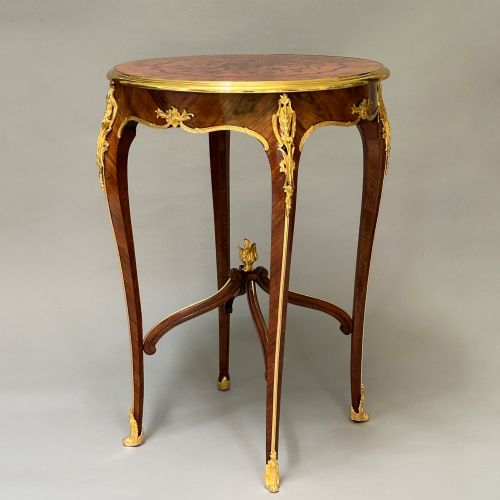
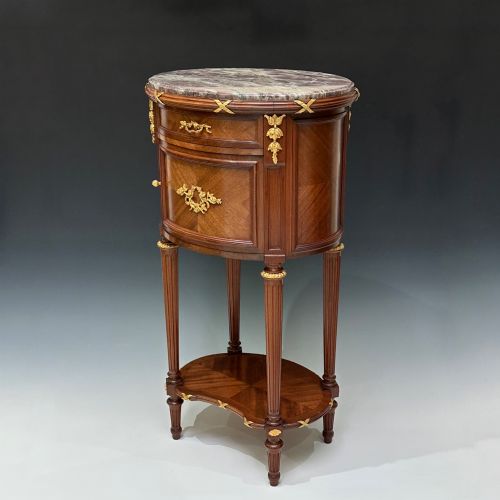
A vintage marquetry table encompasses small occasional furniture designed for practical placement around a room, such as lamp tables, coffee tables, and bedside cabinets. The selection includes specific forms like writing tables, desks, and two-tier étagères originating from periods spanning the Victorian era through to the 1930s. Buyers will frequently encounter French Louis XV style and Edwardian pieces featuring detailed wood inlays.
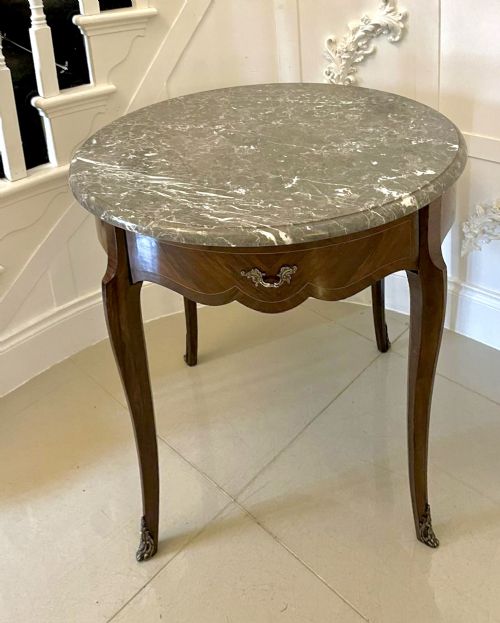
The materials used across these tables include walnut, mahogany, kingwood, rosewood, and satinwood, frequently accented with brass galleries, marble tops, or ormolu mounts. Makers utilised contrasting veneers to create pictorial or geometric motifs on the top surfaces and drawer fronts. These objects served as decorative accents in period reception rooms and bedrooms.
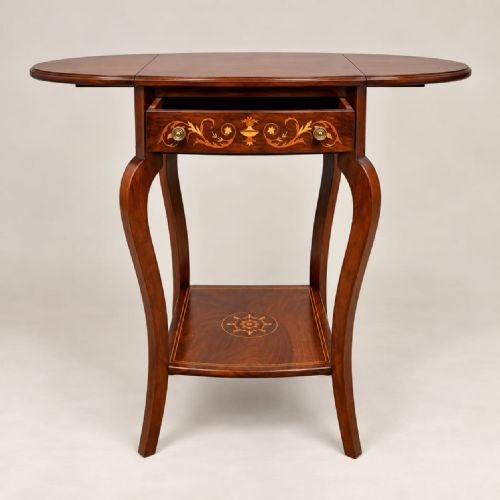
The examples available range from compact bedside nightstands to freestanding centre tables designed to be viewed from all angles. Certain pieces incorporate functional elements like drop leaves, drawers, or lower display shelves. Each form reflects the aesthetic preferences of its decade of manufacture, from ornate nineteenth-century Revival styles to cleaner twentieth-century interpretations.
Materials and Construction
Cabinet makers constructed these tables using a sturdy secondary timber framework overlaid with fine cabinet woods such as mahogany, walnut, or kingwood. The characteristic surface patterns were achieved by cutting thin slices of different coloured veneers and assembling them into intricate pictorial designs before gluing them to the substrate. Selected pieces incorporated additional detailing through brass edging, cast ormolu mounts, or inset marble slabs.
The joining techniques relied on traditional cabinet-making methods appropriate to the period, including dovetailing for drawer construction and mortise and tenon joints for the frames. Marquetry cutters utilised a specialty donkey saw to slice multiple veneer layers simultaneously, allowing precise matching of contrasting woods. Finishing involved polishing the wood to protect the veneer and enhance the natural grain of the timber.
The listings feature pieces spanning the Victorian era, Edwardian period, and the 1930s, constructed in walnut, mahogany, kingwood, and rosewood.
Assessing Craftsmanship
The standard of a vintage marquetry table is determined by the precision of the veneer work and the choice of primary timbers. Superior examples display tight, seamless joints within the wood inlay and employ richly figured exotic woods like kingwood, rosewood, and satinwood rather than simpler stained substitutes. The integration of cast ormolu mounts or pierced brass galleries also indicates higher workshop standards.
Structural integrity and the quality of the underlying secondary woods separate standard items from superior productions. Finely made pieces maintain smooth drawer operations, stable frames, and crisp carving or turning on the legs. The complexity and artistic execution of the veneer picture on the top surface ultimately dictate the refinement of the piece.
François Linke
The Vintage Marquetry Table Glossary
- Marquetry
- The decorative craft of applying small pieces of veneer to a structure to form ornamental patterns or pictures. This technique differs from parquetry through its use of pictorial and floral motifs rather than geometric tile patterns.
- Ormolu
- Gilded bronze ornamentation mounted onto furniture pieces. It became a popular decorative addition on French-style tables during the nineteenth century.
- Étagère
- A set of open shelves for displaying small objects or books. These freestanding pieces often feature multiple tiers connected by slender supports.
- Satinwood
- A durable hardwood with a lustrous, golden-yellow sheen used extensively in inlaid furniture. It provides strong visual contrast when paired with darker timbers like mahogany or rosewood.
- Parquetry
- A geometric mosaic of wood veneers used for floors and furniture surfaces. It creates repeating patterns such as cubes, chequers, or basket weaves.
Vintage Marquetry Table: Frequently Asked Questions
How do I care for a vintage marquetry table?
Keep wooden furniture away from direct sunlight and steady heat sources to prevent the veneers from drying out or lifting. Dust regularly with a dry cloth and apply a quality wax polish occasionally to nourish the timber.
Avoid placing damp items or unsealed containers directly onto the polished wood surface. Using coasters and protective mats preserves the finish and prevents water rings from forming on the marquetry.
What is the difference between marquetry and parquetry?
Marquetry involves cutting and assembling wood veneers to create pictorial scenes, floral arrangements, or scrollwork designs. Artisans select contrasting timbers to build up elaborate images across the table top.
Parquetry relies on geometric arrangements, utilising repeating shapes like squares, triangles, or diamonds to form regular patterns. While both techniques decorate the surface, marquetry is pictorial whereas parquetry is strictly geometric.
Can I use a vintage marquetry table as a bedside cabinet?
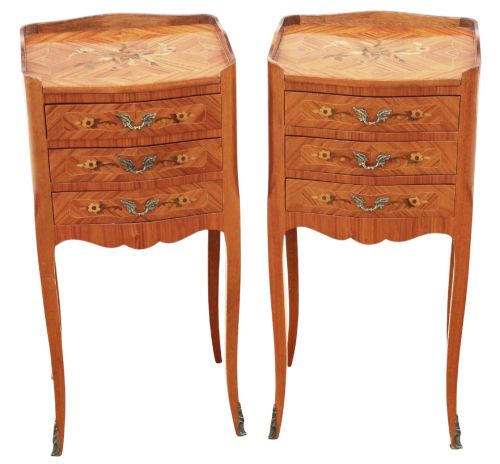
Many examples from the Edwardian period and the 1930s were specifically designed as bedside tables or nightstands. Their dimensions suit placement beside a standard bed while providing a surface for lamps and personal items.
Check the height and surface area of the specific piece to ensure it matches your bed frame. Closed cabinet styles also offer concealed storage for nighttime essentials behind a door or within drawers.
How can I identify a French Louis XV style table?
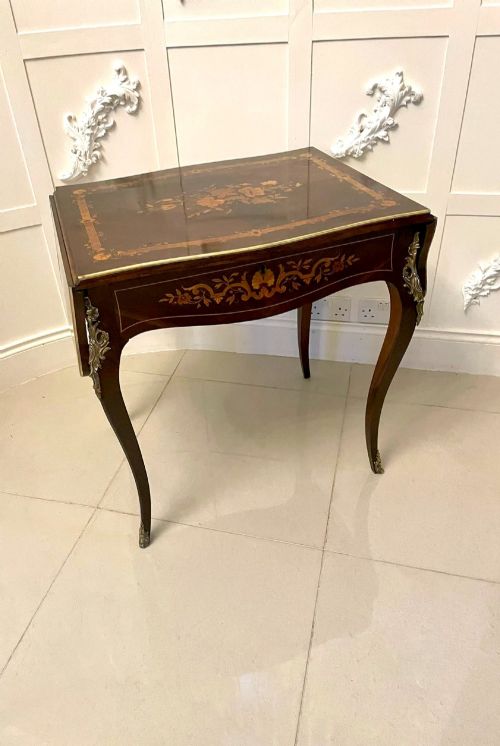
French Louis XV style tables typically feature cabriole legs that curve outward and taper down to scrolled or pad feet. The overall silhouette avoids straight lines, incorporating serpentine edges and kidney-shaped or shaped rectangular tops.
These pieces frequently display elaborate floral marquetry accompanied by cast bronze or ormolu mounts. The styling reflects the curving asymmetry characteristic of eighteenth-century French design, revived during the nineteenth and early twentieth centuries.