
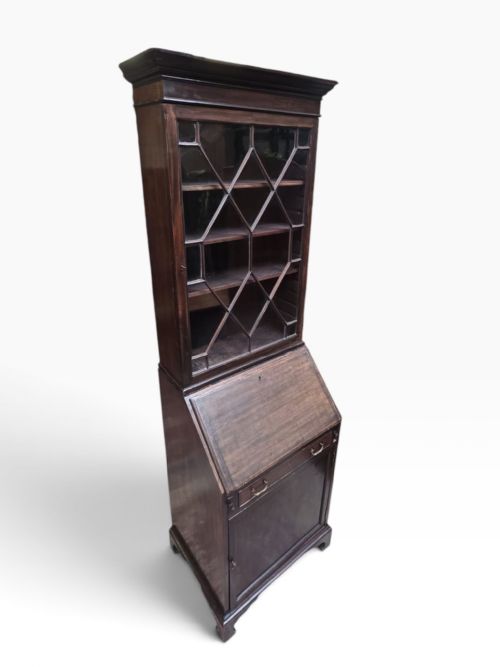
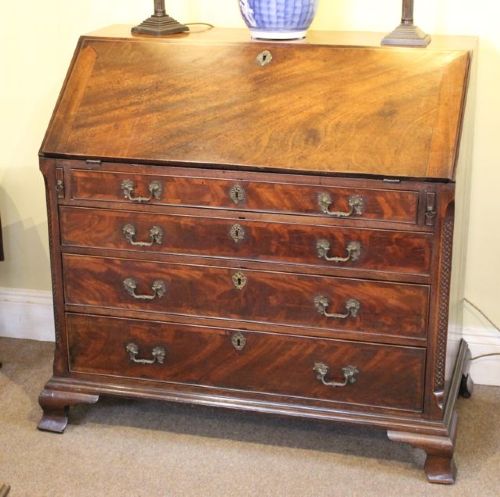
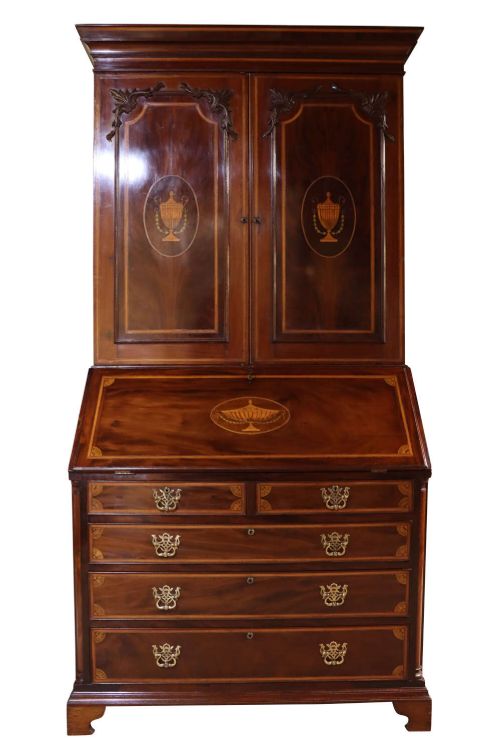
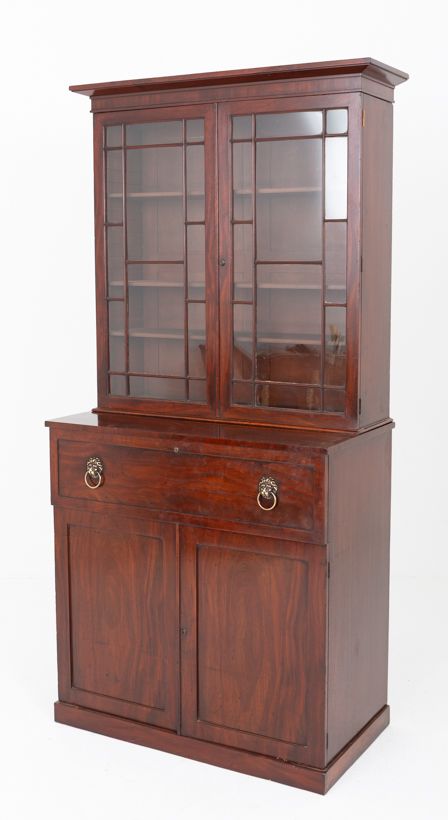
Vintage Mahogany Secretary
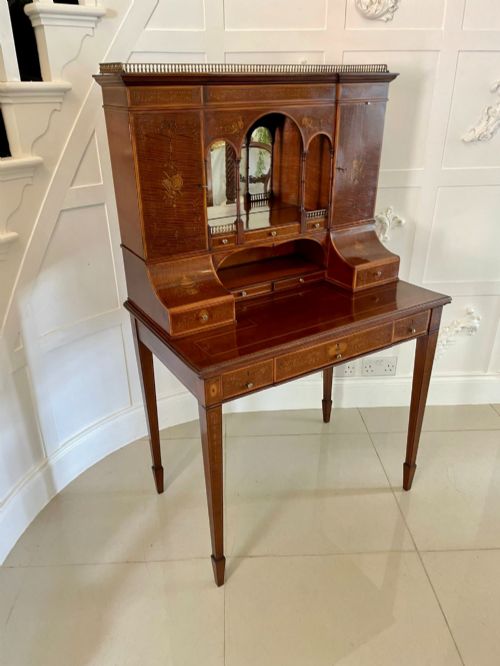
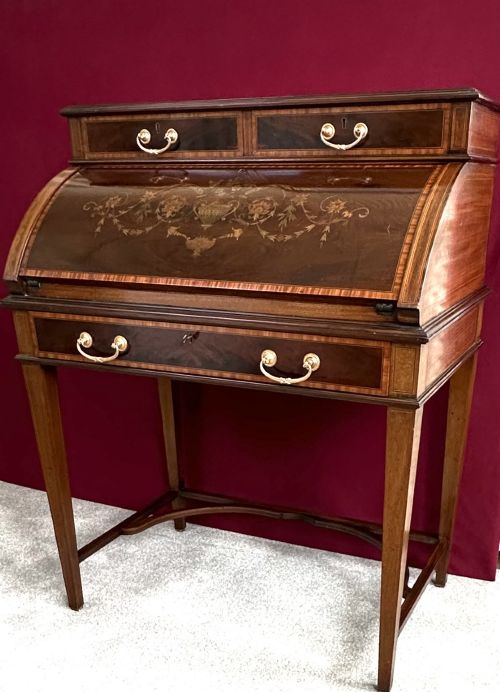
A vintage mahogany secretary combines a practical writing surface with concealed drawers and shelving, offering both workspace and display.
Vintage Mahogany Secretary
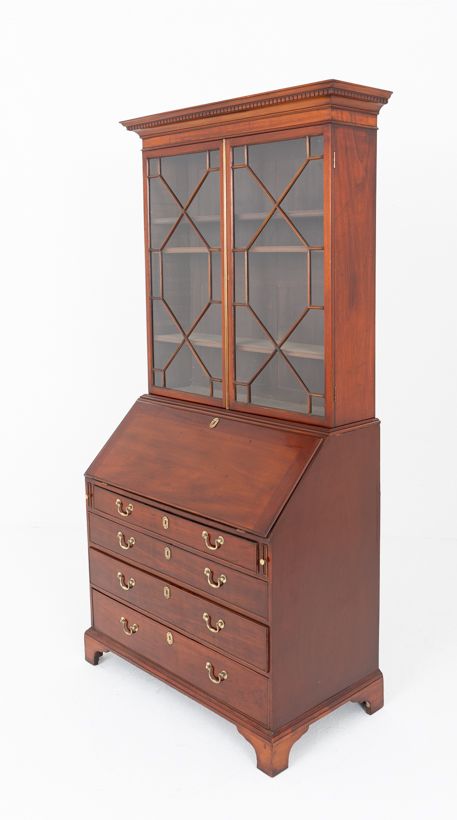
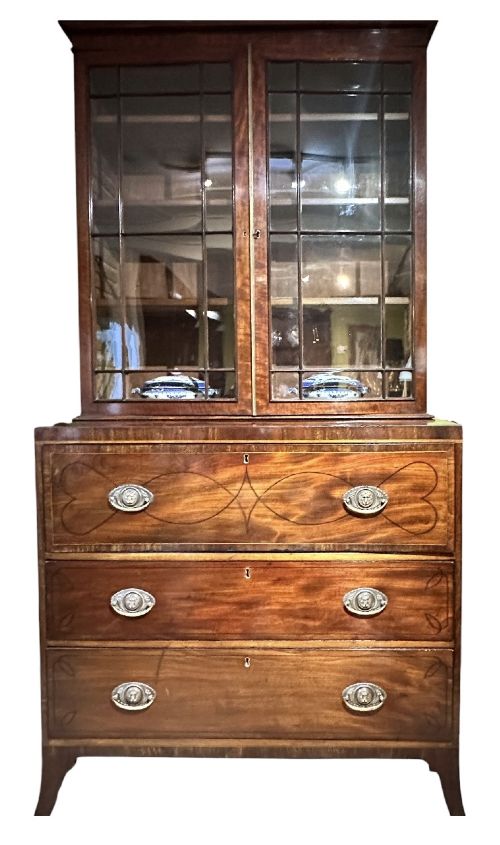
When you search for a vintage mahogany secretary, you are looking at substantial writing furniture that dates from the Georgian, Regency, and Edwardian periods.
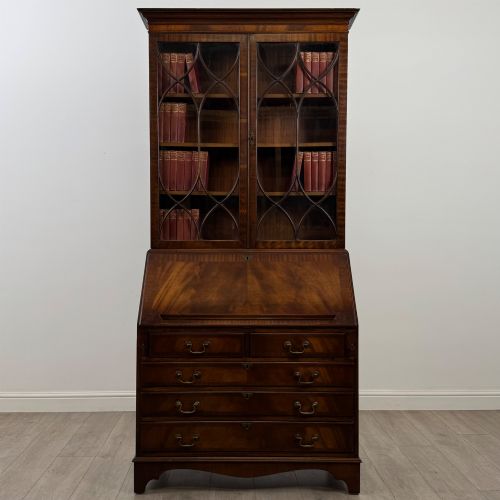
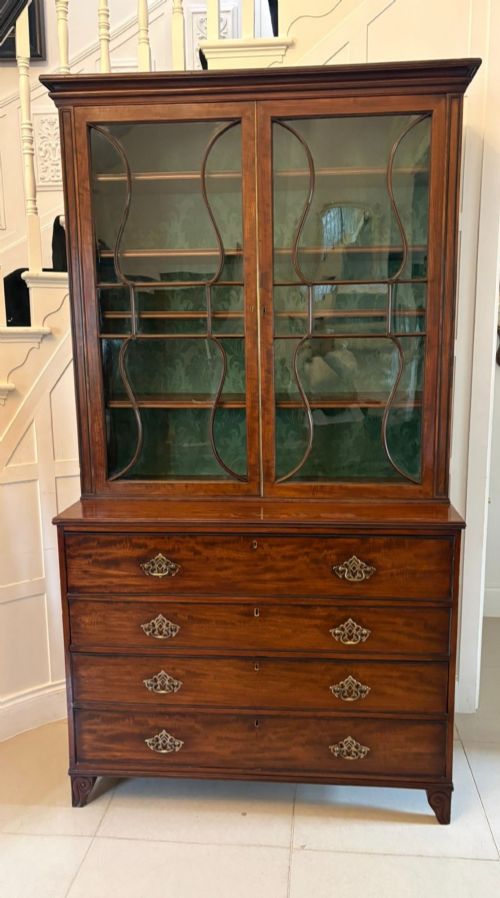
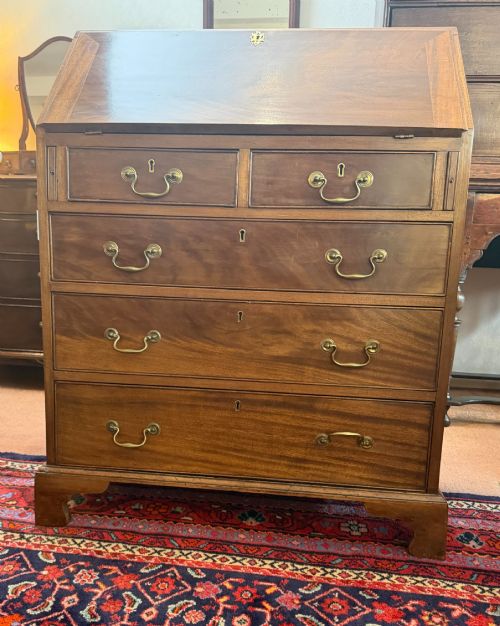
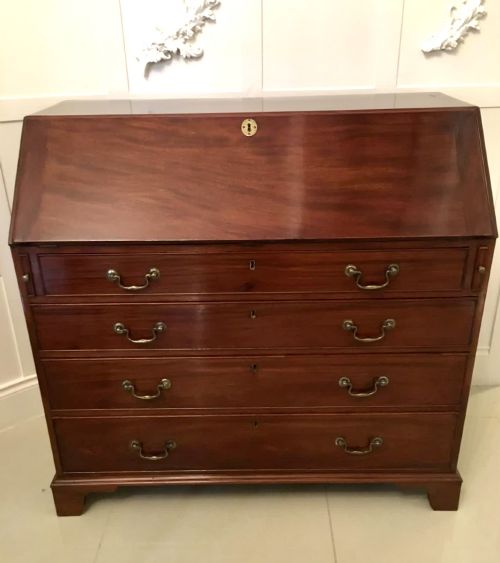
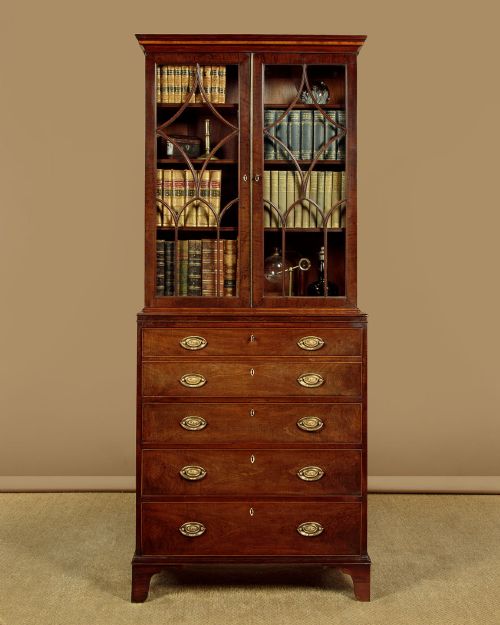
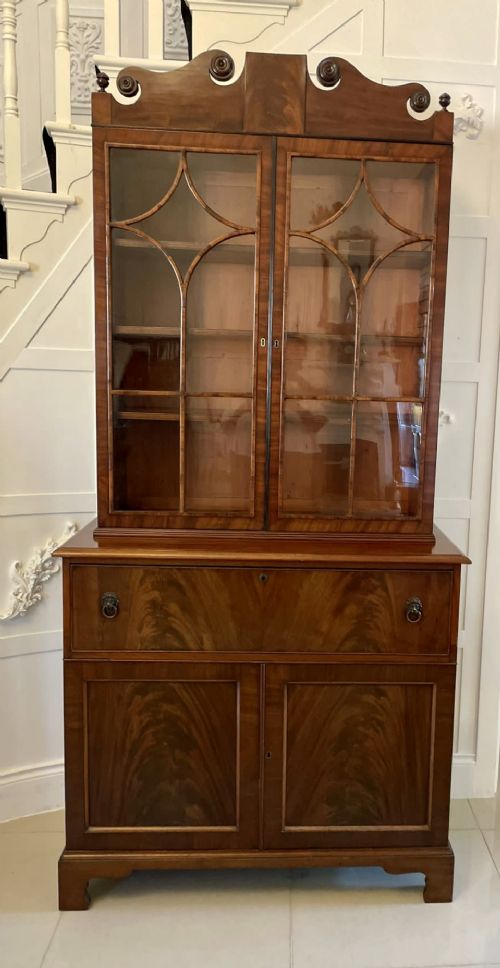
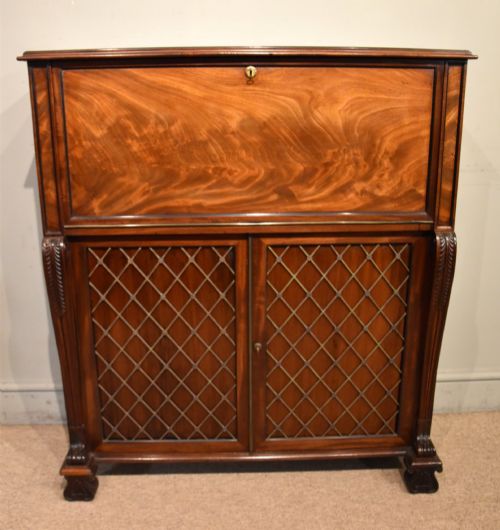
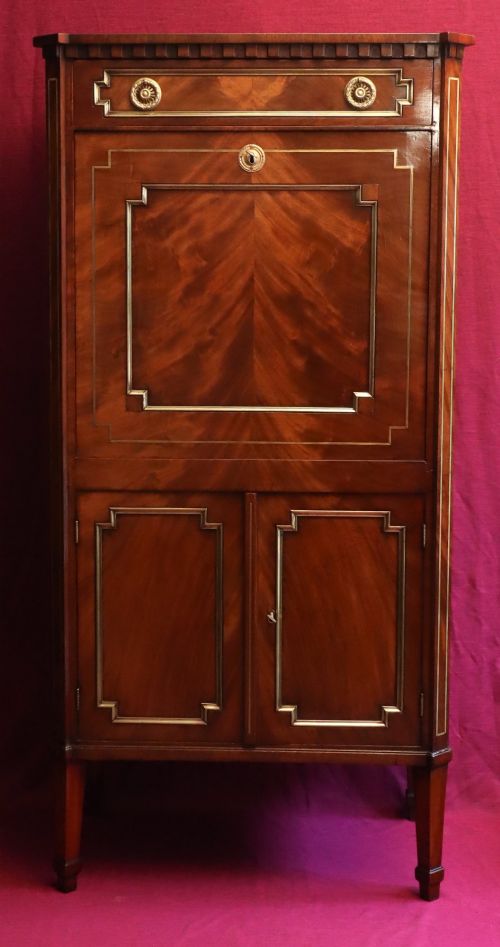
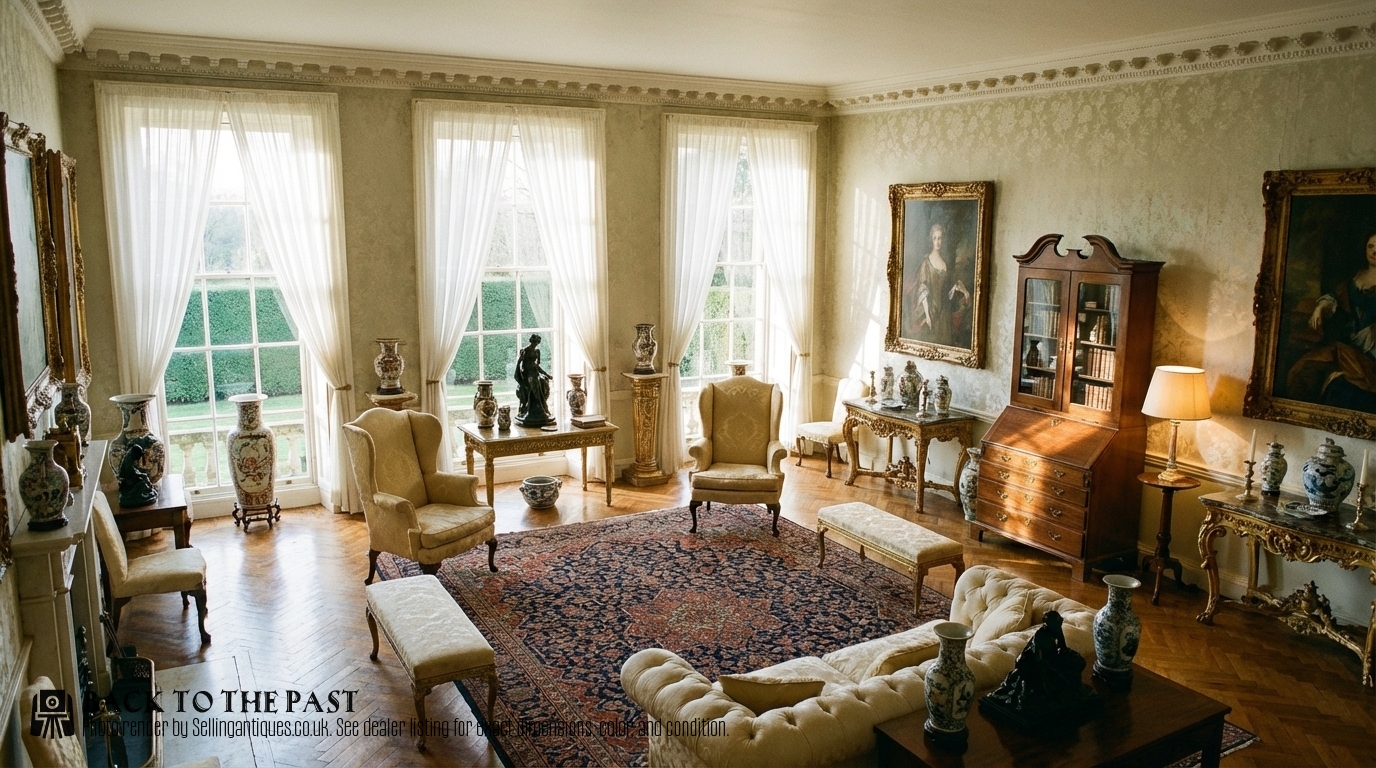
The most common forms on this page include bureau bookcases, secretaire bookcases, and fall-front desks that conceal fitted interiors behind folding writing surfaces.
Originating primarily in British workshops, these pieces combine heavy storage capacity with refined domestic utility.
Distinctions in craftsmanship
Quality rests in the selection of timber grain, where highly figured flame mahogany veneer distinguishes superior cabinetwork from plain stock.
The precision of internal joinery, including pigeonhole construction and the smooth action of sliding writing surfaces, marks the division between standard production and exceptional workshop output.
Proportion and the integrity of original glass panels and brass fittings further separate ordinary items from finer examples.
Listings span multiple eras from the 18th century through to the 1930s, utilising solid mahogany, flame mahogany veneers, brass, and glass.
Gillows of Lancaster
The Vintage Mahogany Secretary Glossary
- Secretaire
- A desk or cabinet featuring a pull-down writing flap that conceals small drawers and pigeonholes. This form allows a tall bookcase to double as a writing desk.
- Bureau bookcase
- A two-part piece comprising a lower writing desk and an upper glazed shelving cabinet. It serves both library and writing functions.
- Astragal
- A moulding profile used to divide glass panes within bookcase doors. These wooden bars form geometric patterns across the upper glazing.
- Tambour
- A sliding shutter formed of narrow vertical strips of wood glued to a canvas backing. It permits the enclosure of curved desk tops.
- Figured mahogany
- Timber showing varied and decorative grain patterns such as flame or fiddleback. It is selected for prominent exterior surfaces.
Vintage Mahogany Secretary: Frequently Asked Questions
How do I date a mahogany secretary?
Dating relies on observing structural characteristics, timber selection, and stylistic details associated with periods like the Georgian era, Regency, or Edwardian times.
Earlier pieces from the eighteenth century often display simpler internal configurations and solid mahogany construction, whereas later revival pieces incorporate varied veneers and specific hardware.
Where were these desks used?
These pieces were traditionally placed in libraries, studies, and formal drawing rooms as primary household writing and storage centres.
Their dual function allowed owners to manage correspondence and display bound books within a single piece of furniture.
How do I care for mahogany?
Maintenance involves keeping the timber away from direct heat sources and strong sunlight to prevent the mahogany veneer from drying and splitting.
Regular dusting with a soft, dry cloth helps preserve the polished finish without the need for heavy chemical polishes.