
Vintage Hearth Accessories
Vintage hearth accessories bring warmth and character to a room through practical metalwork and functional objects designed for the fire.
Vintage Hearth Accessories
Vintage hearth accessories encompass utilitarian and decorative items designed for the fireplace, including andirons, coal scuttles, fire screens, and tool sets. These pieces reflect the functional needs of domestic heating from past centuries, spanning the eighteenth, nineteenth, and early twentieth periods.
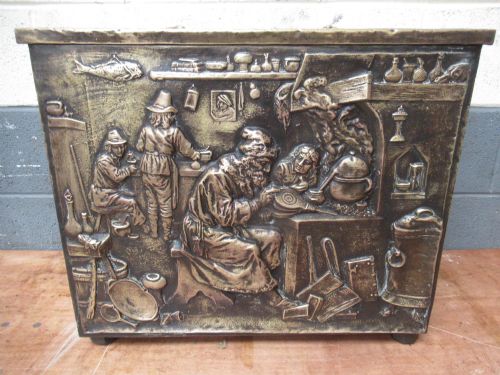
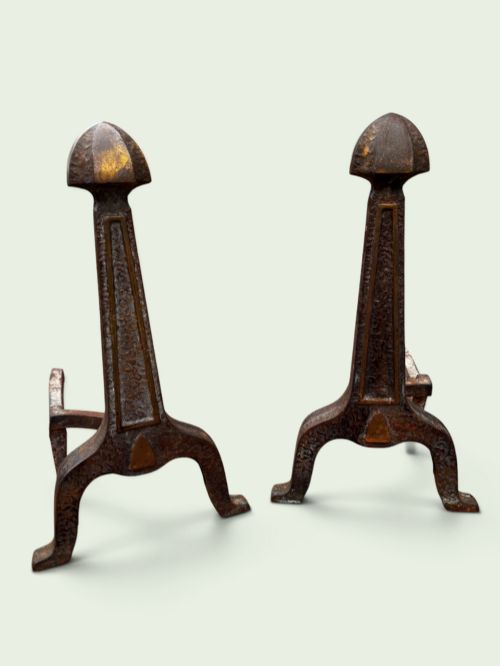
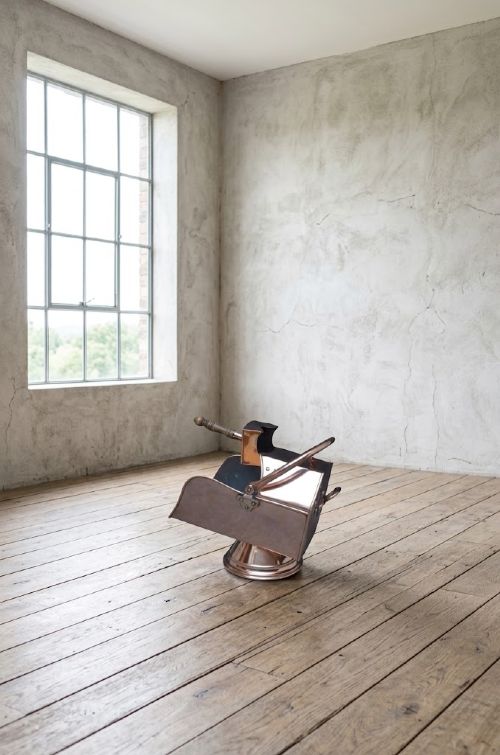
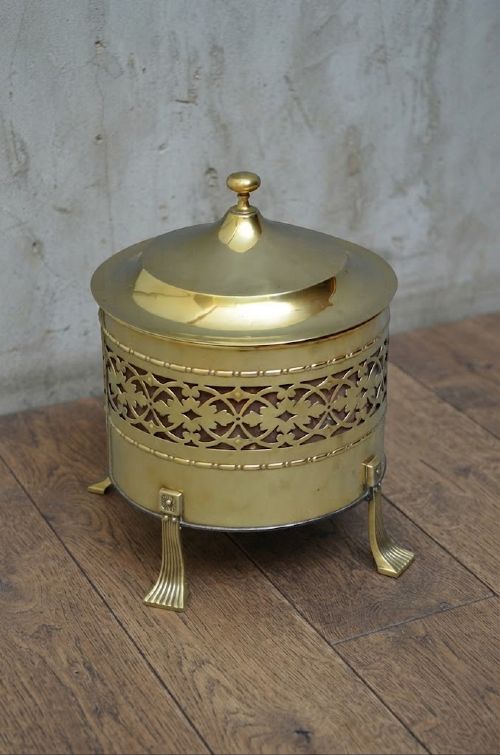
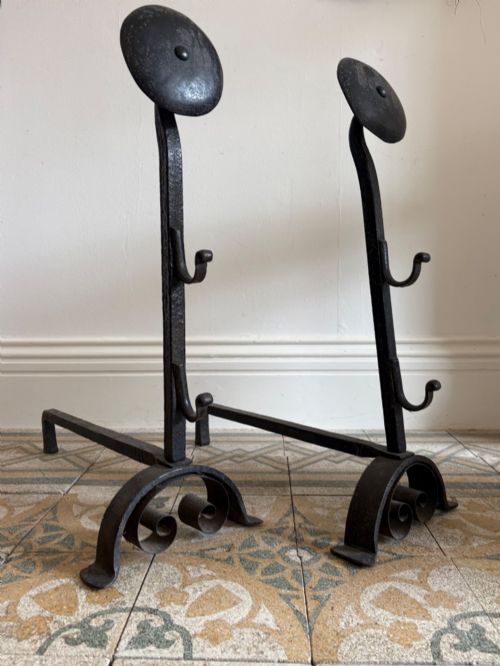
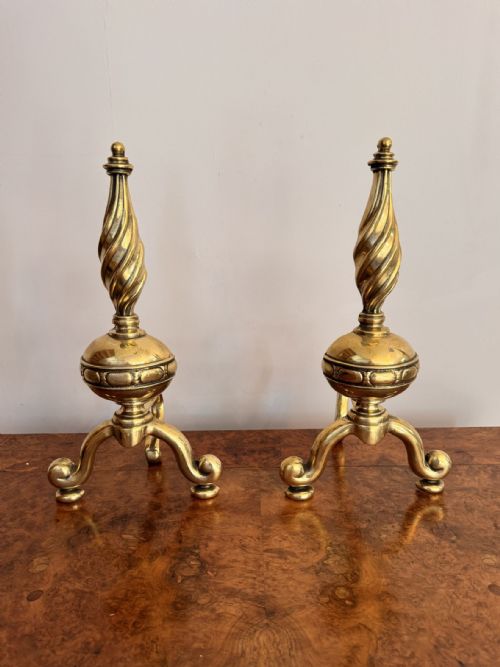
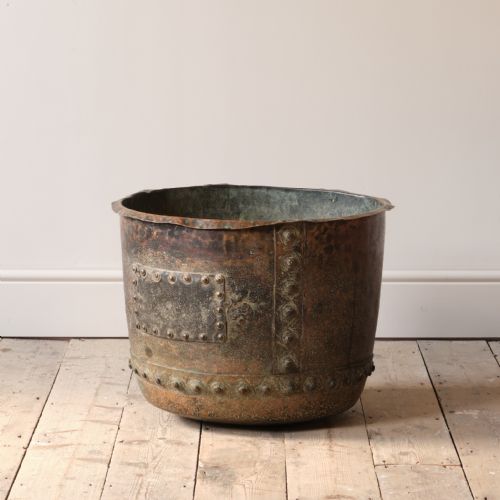
The most common examples encountered on this page are brass and copper coal buckets, alongside cast and wrought iron fire dogs. These items bridge practical utility with decorative style, drawing from Victorian, Georgian, and Arts and Crafts design traditions.
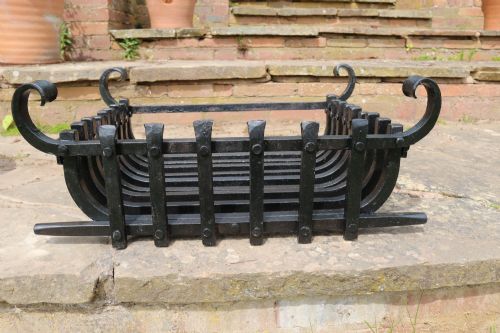
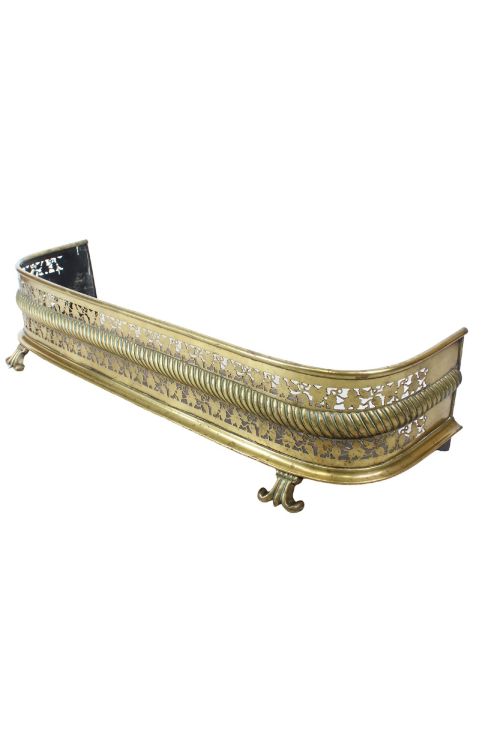
Objects range from simple iron fire irons to elaborate French rococo fire dogs and pierced brass fenders. Their presence alters the appearance of a fireplace, turning an empty grate into a focal point.
How they were made
Makers shaped these accessories using metals such as brass, copper, cast iron, and wrought iron, often combining steel components for functional strength. These materials were hammered, cast, pierced, or forged depending on whether the object required decorative lightness or heavy load-bearing capacity.
Secondary materials like oak and leather appear in specific items such as log bins, warming flasks, and buckets, adding tactile contrast to the metalwork. Hand-finished details, including fretwork designs and riveted joints, show the physical labour involved in their construction.
Vintage Hearth Accessories Retail Price Guide 2026
Typical asking prices for vintage hearth accessories among the pieces listed under this phrase on Sellingantiques today, from the lower quarter to the upper quarter. They describe what is for sale here now, not the wider market.
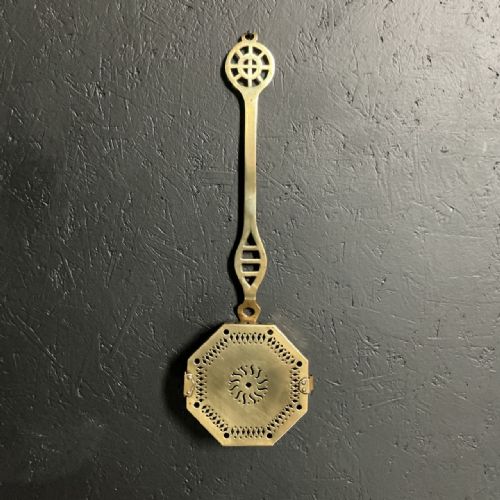
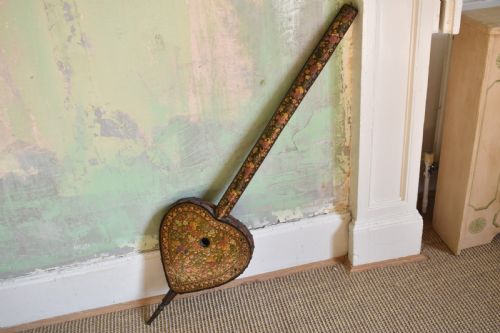
A Georgian warming flask with an oak handle proves that people have gone to creative lengths to keep their toes warm for centuries.
What varies in quality
Quality rests on the weight of the metal and the crispness of any cast or pierced decoration. Thicker brass plates, substantial ironwork, and solid riveting separate robust pieces from lighter, purely decorative items.
The integrity of the construction determines longevity, particularly in items subjected to heat and physical use like fire irons and andirons. Pieces that retain their original handles, feet, and structural rigidity without excessive repair demonstrate superior original manufacture.
The Vintage Hearth Accessories Glossary
- Andirons
- Supports used in a fireplace to hold logs above the hearth for better air circulation. They often feature decorative fronts made of brass or iron.
- Coal scuttle
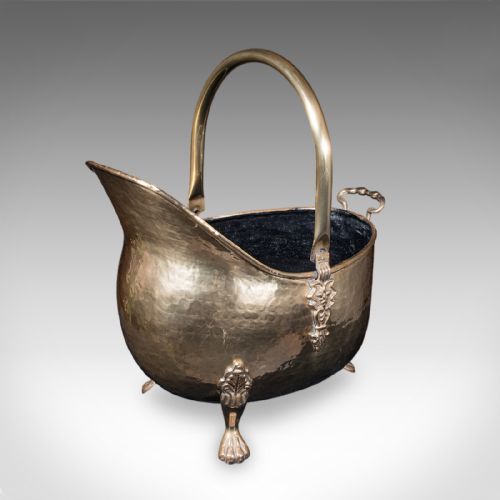
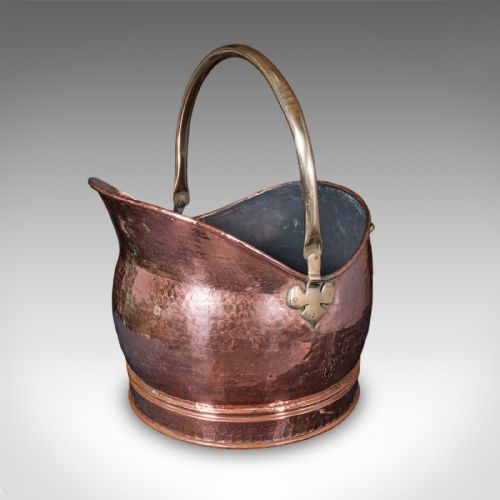
- A container designed to hold coal for the fireplace, frequently fitted with a handle for transport. Materials typically include copper, brass, or oak.
- Fire fender
- A low metal guard placed around the hearth to contain sparks and ash. They often incorporate pierced brass or ironwork.
- Companion set
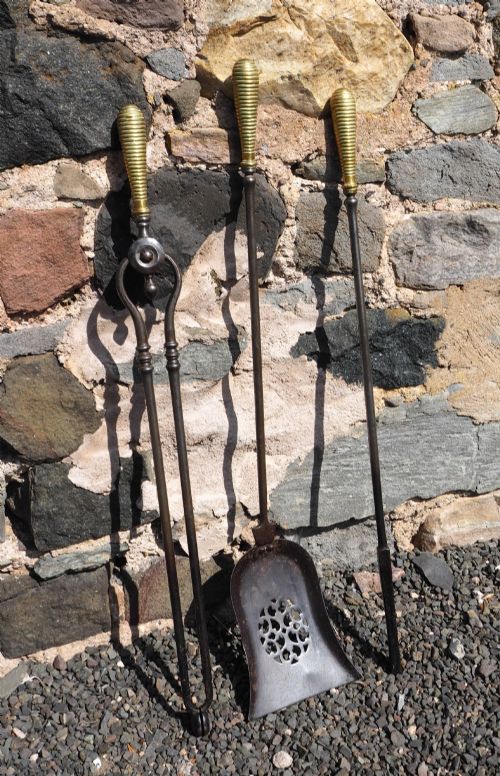
- A matched collection of fireplace tools, including pokers, tongs, and shovels, usually hung from a dedicated stand.
- Fire back
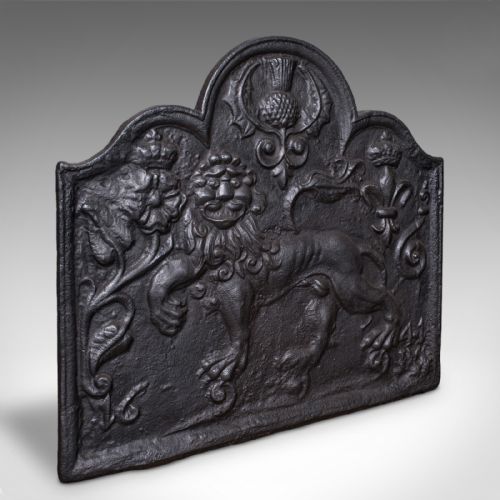
- A heavy metal plate placed at the back of a fireplace opening to reflect heat into the room and protect the masonry.
Vintage Hearth Accessories: Frequently Asked Questions
What are fire dogs used for?
Fire dogs support logs inside the fireplace to allow air to circulate underneath the wood. This promotes a steady burn and keeps the fuel elevated above the ash bed.
Beyond their practical function, the decorative front columns of fire dogs were designed to be seen when the hearth was not in use, adding metal polish or dark iron texture to the room.
How do I identify a coal scuttle?
A coal scuttle is a specialised bucket or bin built to store fuel near the hearth. Many examples feature hinged lids, angled openings, or swing handles for easy carrying.
They appear in materials like copper, brass, and oak, often reflecting the domestic design styles of the Georgian and Victorian periods.
Are fire screens only decorative?
Fire screens served both practical and aesthetic purposes in historic homes. They were primarily positioned to shield occupants from the intense heat of an open fire.
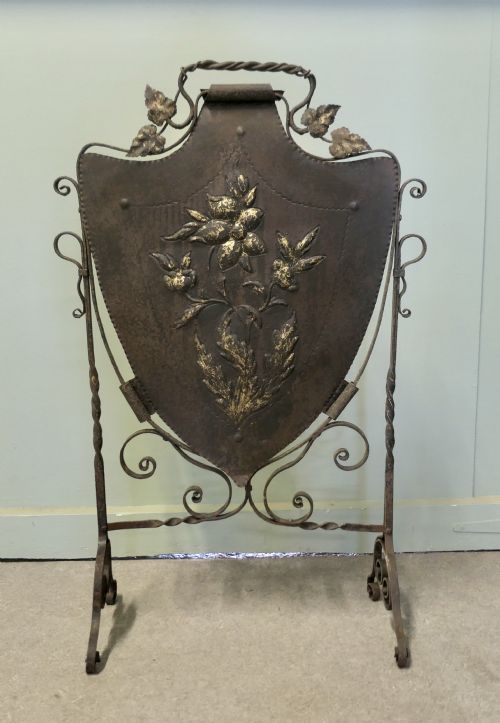
When the fire was unlit, they served to conceal the dark interior of the hearth and introduced decorative elements like wrought iron Gothic shields or brass pierced panels to the space.
How do I care for antique brass accessories?
Antique brass requires gentle cleaning to preserve its historic surface and colour. Avoid harsh chemical abrasive cleaners that strip away the natural accumulation of age.
A soft cloth and mild soapy water are usually sufficient to remove surface dust, allowing the metal to maintain its underlying character.