

Vintage Gold Wall Hanging
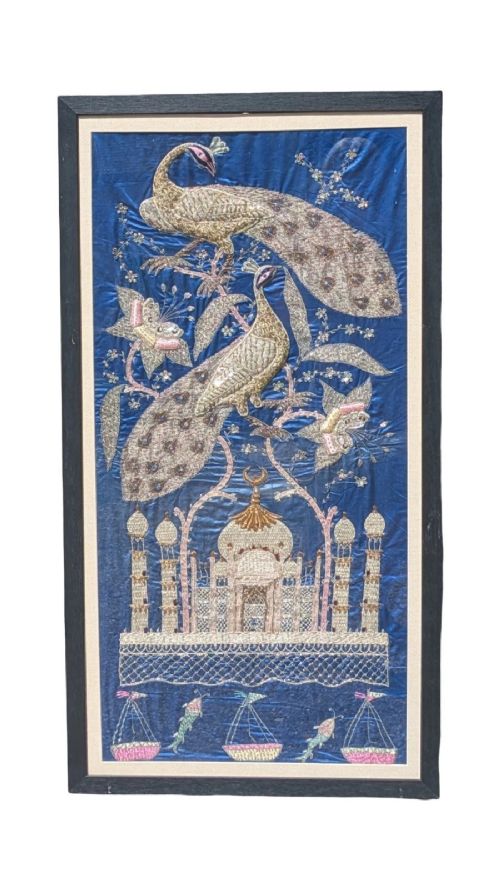
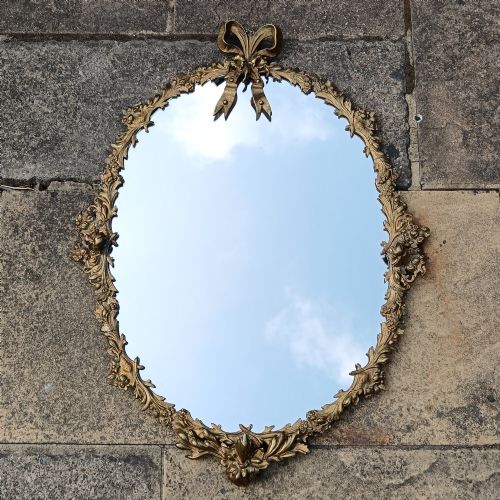
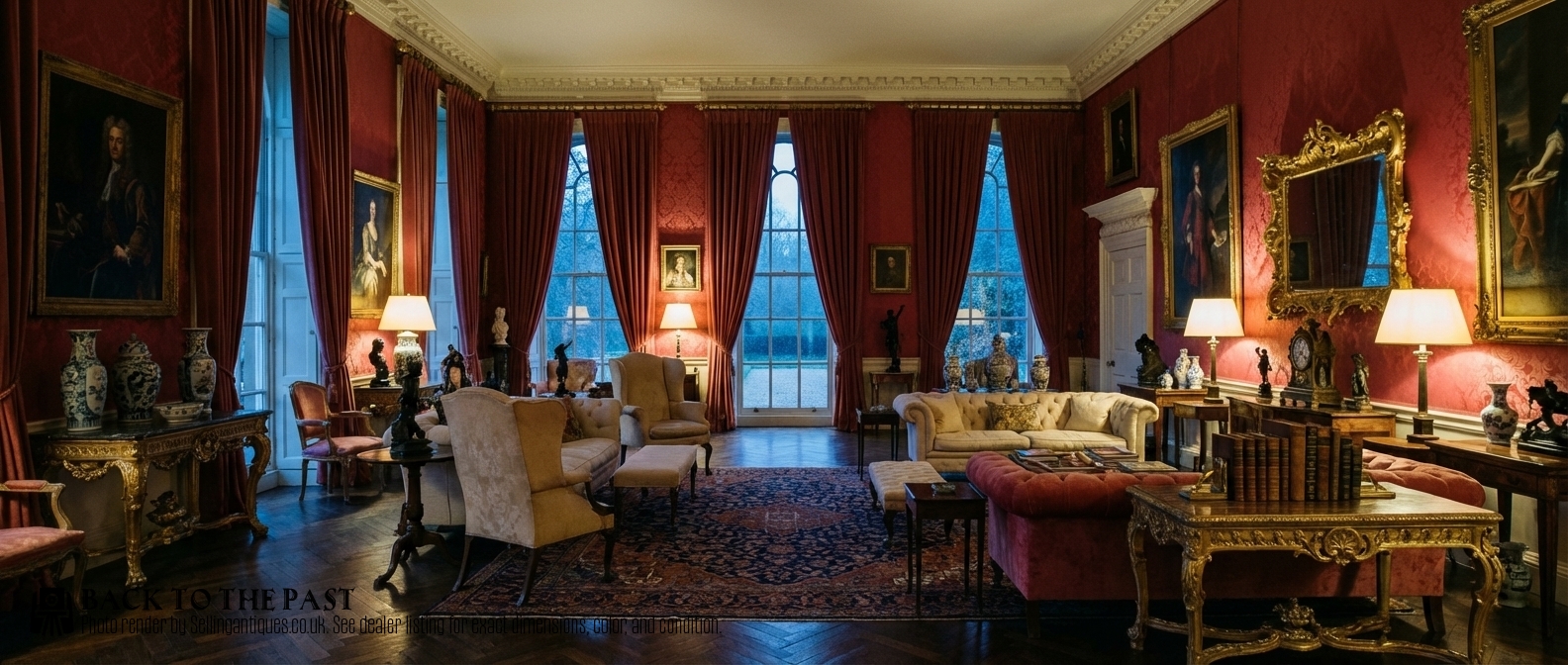
A vintage gold wall hanging brings warmth and reflected light to a room through gilded surfaces, carved frames, and framed textile art.
Vintage Gold Wall Hanging
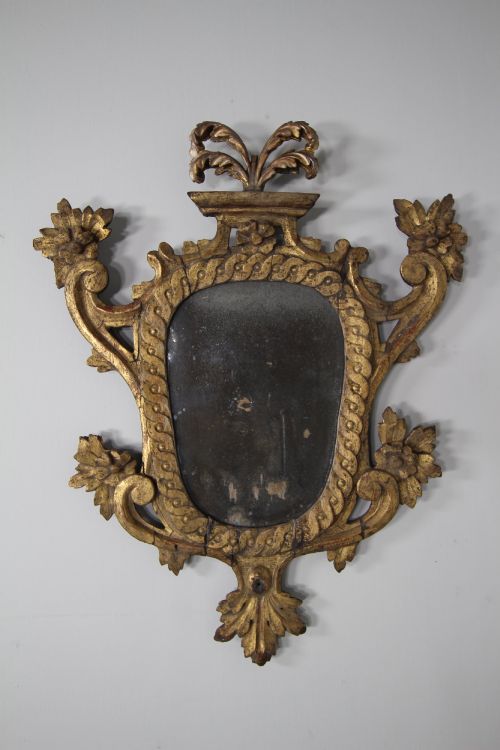
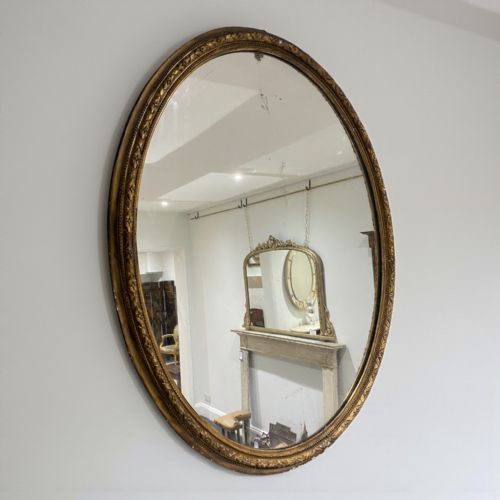
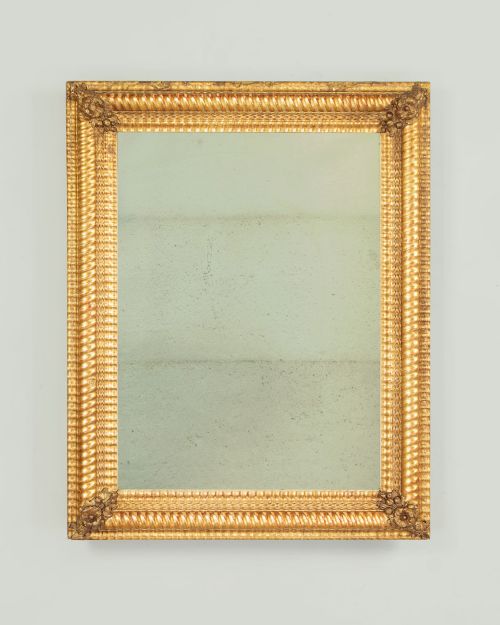
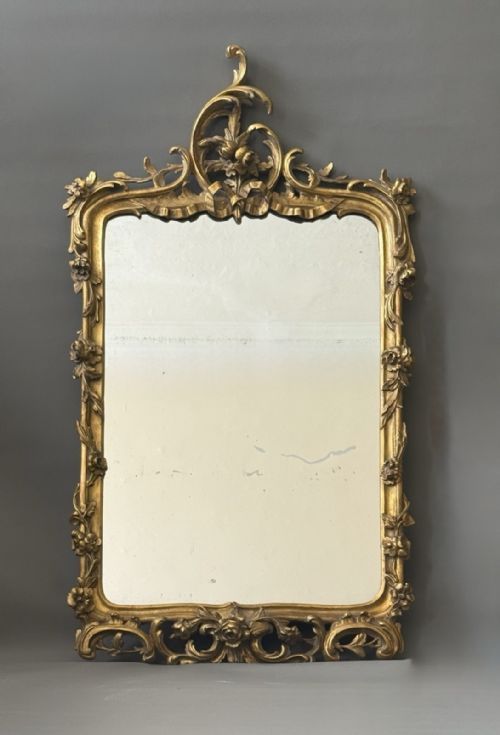
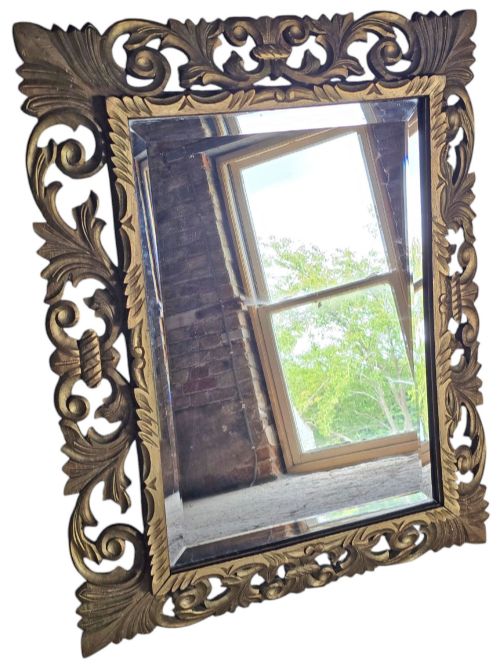
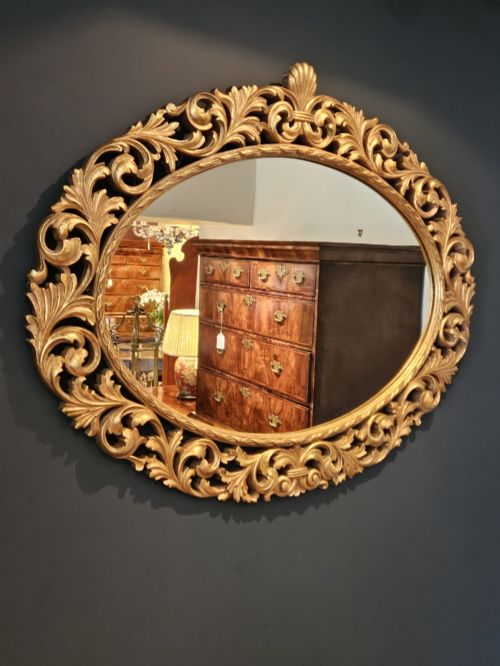
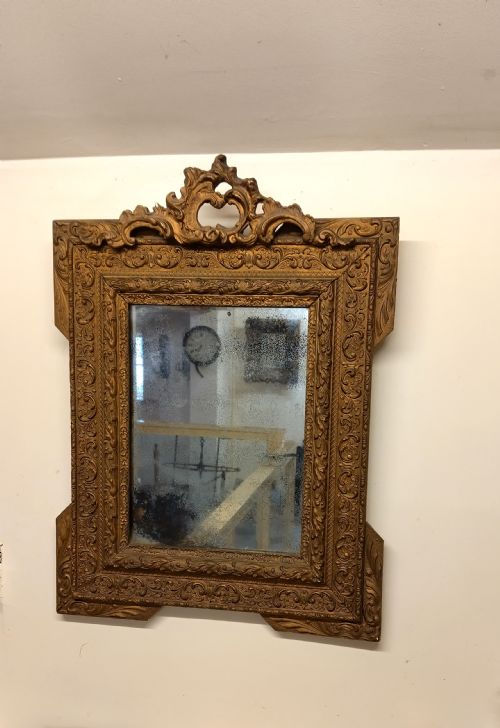
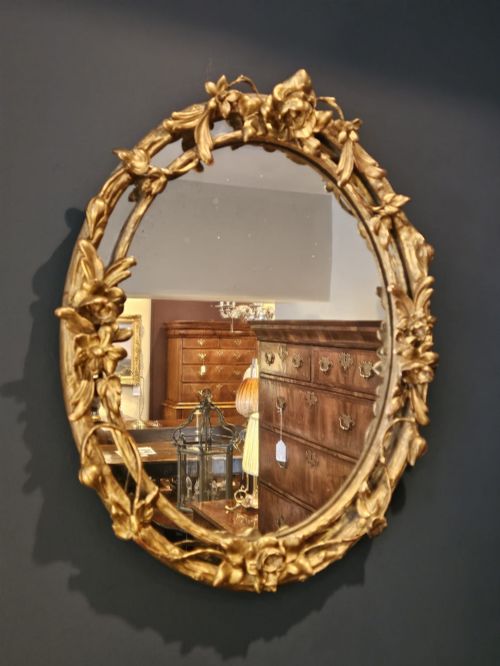
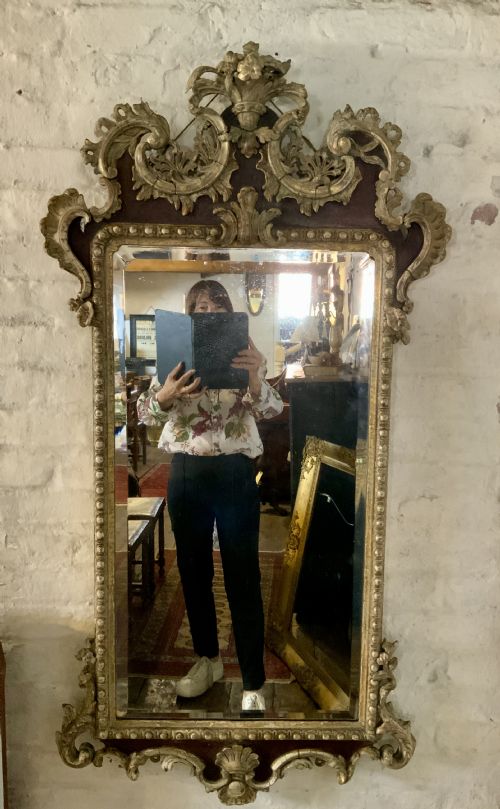
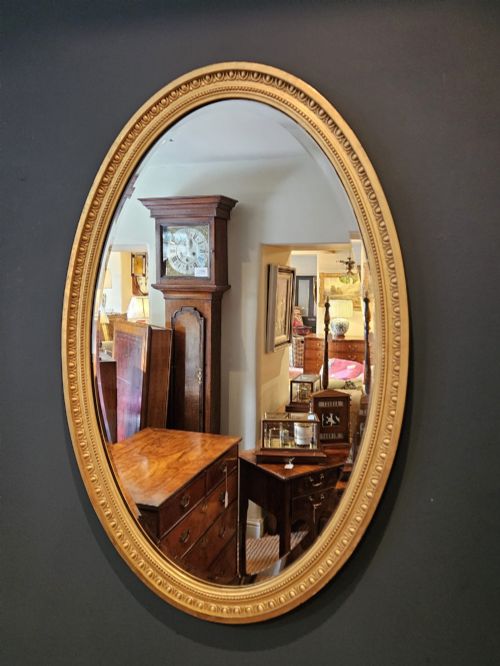
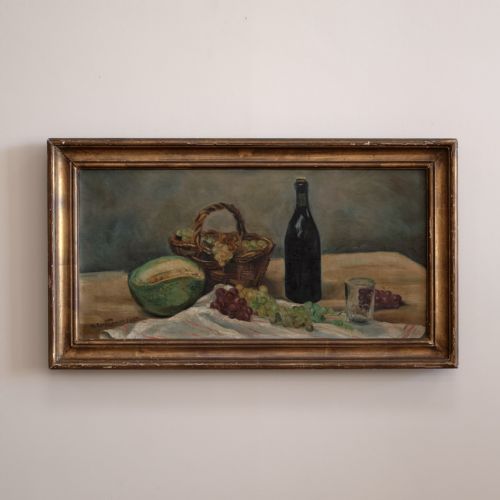
When you search for a vintage gold wall hanging, you encounter a selection spanning the eighteenth, nineteenth, and early twentieth centuries. These objects comprise carved giltwood mirrors, gesso wall pieces, brass items, framed embroidery on silk, and decorative painted panels.
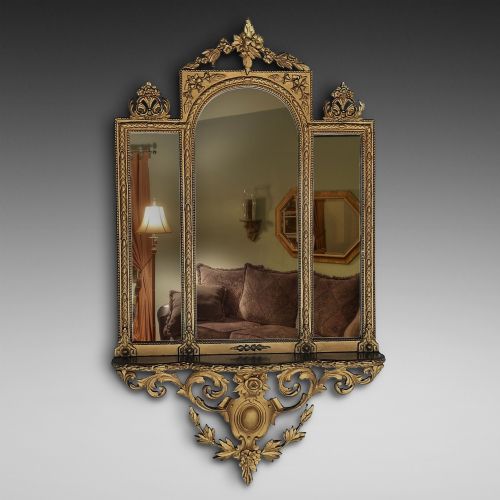
Mirrors dominate the selection, appearing in oval, rectangular, and overmantle formats with French Rococo, Victorian, and Florentine styling. Alongside mirrors, you find wall shelves, oil paintings, decorative clocks, and brass signs.
The origins stretch from British Victorian workshops to French chateaux, Italian carvers, and Asian-style studios. Pieces date across distinct periods including 1820, 1880, 1900, 1910, 1920, and 1930.
How they were made
Craftsmen built structural foundations from timber, oak, walnut, or carved gesso before applying gold leaf, gilt, or parcel gilt finishes. Many mirrors incorporate glass plates, including antique mercury plates and engraved or new glass.
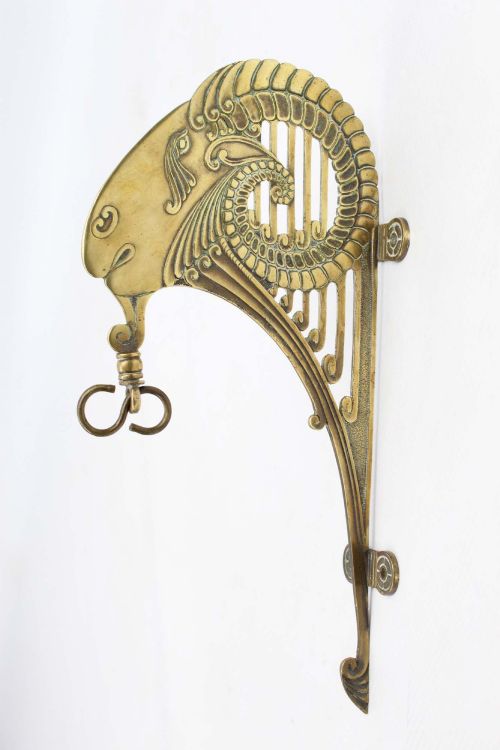
Makers utilised brass, bronze, and pressed brass for signs, crosses, lamps, and frames, often pairing metalwork with painted decoration or embroidery on silk. Carved giltwood elements display elaborate floral motifs, scrollwork, and classical detailing.
Listings feature items from the 18th Century, 19th Century, Victorian period, and early 20th Century up to 1930, constructed from glass, giltwood, gesso, brass, and timber.
What varies in quality
The distinction between standard and superior examples lies in the depth and crispness of the carving across the wood, gesso, or giltwood frame. Hand-carved floral elements and refined crests display an artistic intent absent in simpler moulded pieces.
The integrity of the gilded surface and the condition of the glass plate influence the character of the object. Original mercury plates and well-preserved gold leaf retain a depth of tone that alters the visual impact upon a wall.
The Vintage Gold Wall Hanging Glossary
- Giltwood
- Wood that has been coated with gold leaf or a gold-coloured finish. It forms the primary structural frame for many ornate wall mirrors.
- Gesso
- A plaster-like mixture applied to wood surfaces and carved or moulded into decorative relief details. It provides the base for gilding on Victorian and French mirrors.
- Mercury plate
- An early type of mirror glass backed with a tin-mercury amalgam. It produces a mottled, dark reflection characteristic of eighteenth-century and early nineteenth-century plates.
- Parcel gilt
- A finishing technique where only specific portions of an object are gilded, leaving areas of exposed walnut or timber beneath. This creates a subtle contrast between wood grain and gold.
- Étagère
- A set of open shelves mounted to the wall for displaying small decorative objects. French Rococo revival examples combine this form with painted and gilt surfaces.
Vintage Gold Wall Hanging: Frequently Asked Questions
How do I hang a heavy giltwood mirror?
Heavy carved timber and giltwood pieces require secure wall anchors matched to the weight of the frame and glass. Fixings should attach directly to wall studs or utilise heavy-duty plaster toggles.
Ensure the hanging wire or integrated mirror brackets are robust enough to support the sustained downward tension over time.
Are mercury glass plates original to older mirrors?
Eighteenth and early nineteenth-century mirrors often feature original mercury plates showing characteristic speckling and dark spots. These irregularities result from the historical manufacturing process.
Later replacements use standard modern glass, which provides a clearer and more uniform reflection without historical oxidation.
How do I clean a gilded wall hanging?
Dust gilded surfaces and carved gesso frames gently with a soft dry brush or feather duster. Moisture and harsh cleaning agents can strip delicate gold leaf or damage the underlying plaster.
Glass plates require a mild glass cleaner applied to a cloth rather than sprayed directly onto the frame.
What is the difference between Rococo and Victorian styles?
Rococo pieces, often originating from French or Italian workshops, feature asymmetrical scrollwork, C-scrolls, and elaborate naturalistic floral carvings. They date frequently from the eighteenth century or later revival periods.
Victorian pieces incorporate heavier plaster moulding, geometric proportions, and distinct regional British or continental interpretations.