

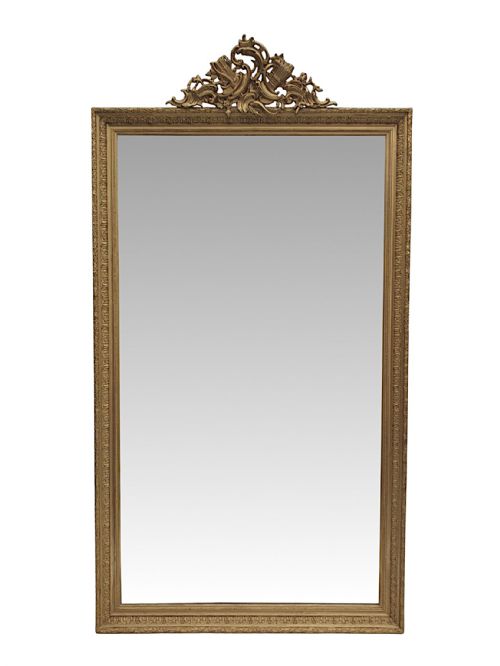
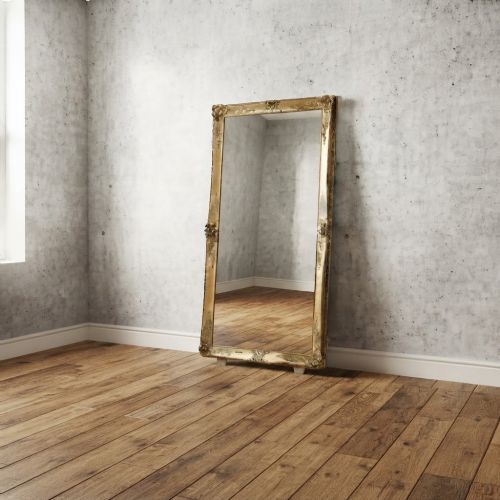
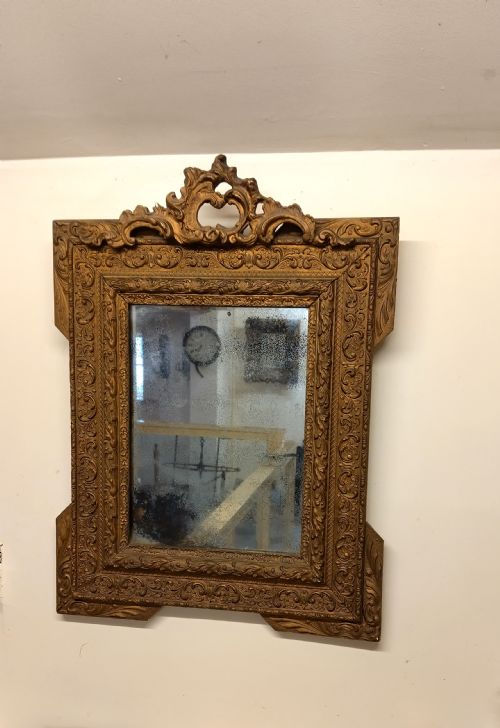
Rococo Ornate Wall Mirror
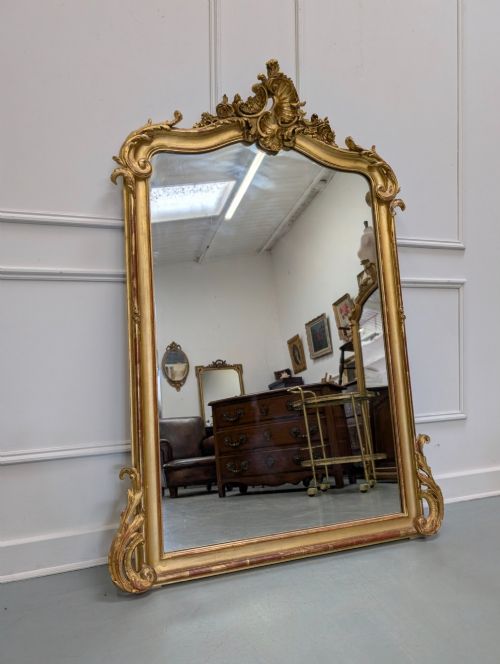
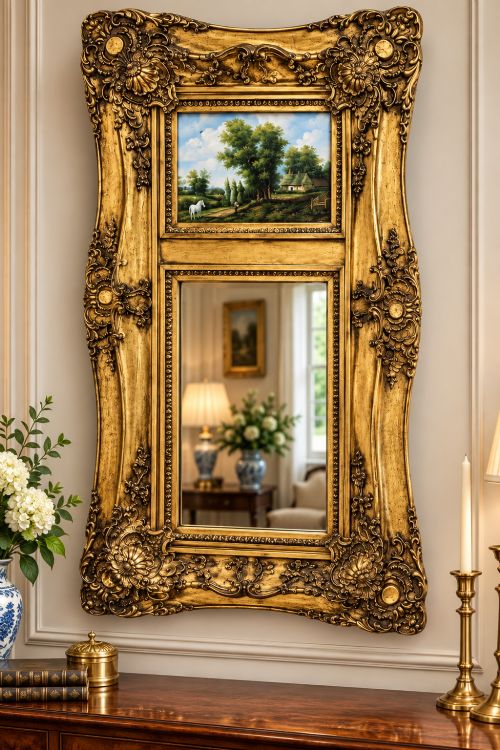
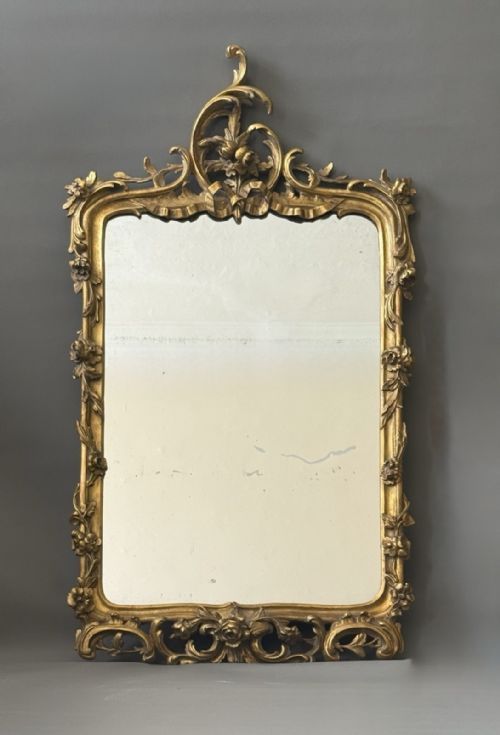
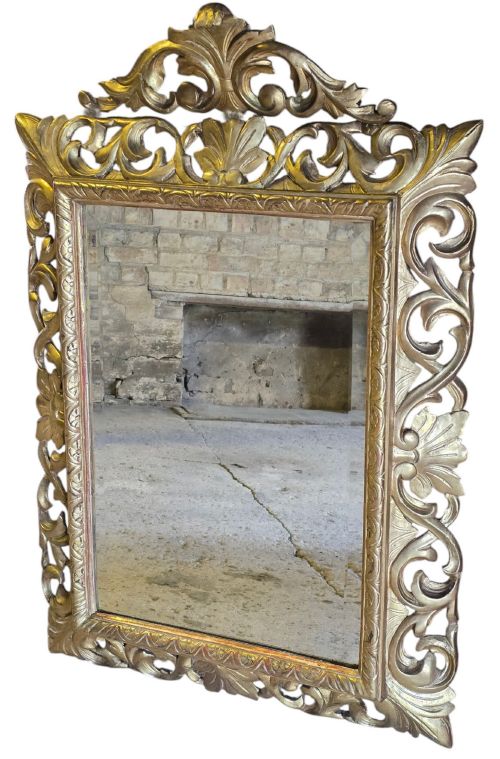
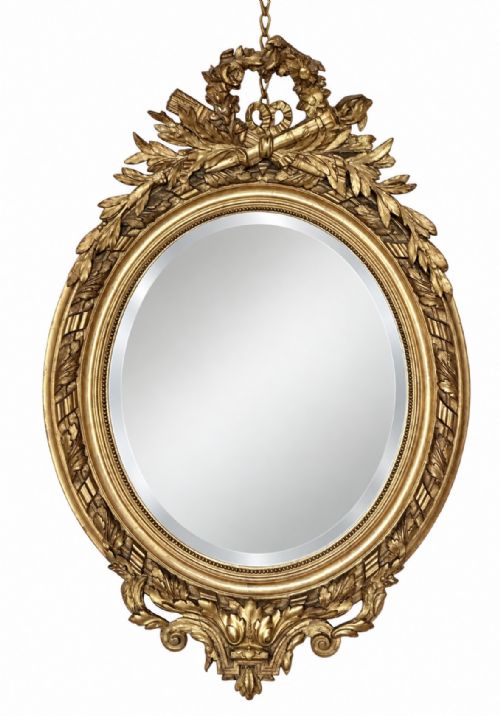
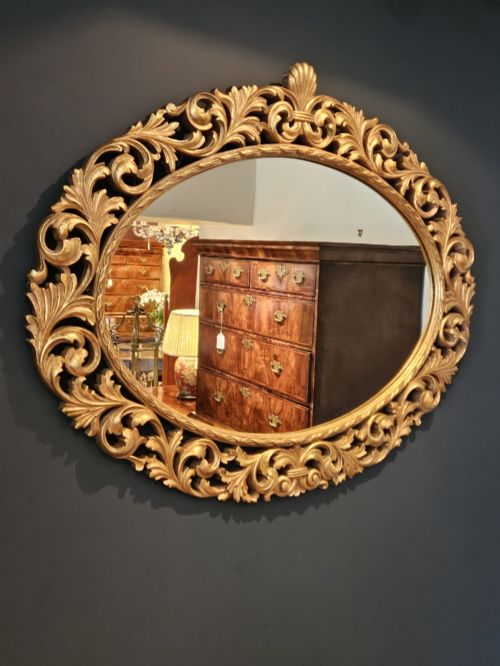
A rococo ornate wall mirror brings exuberant scrolling forms and luminous gilt surfaces into a room, capturing light and theatrical depth.
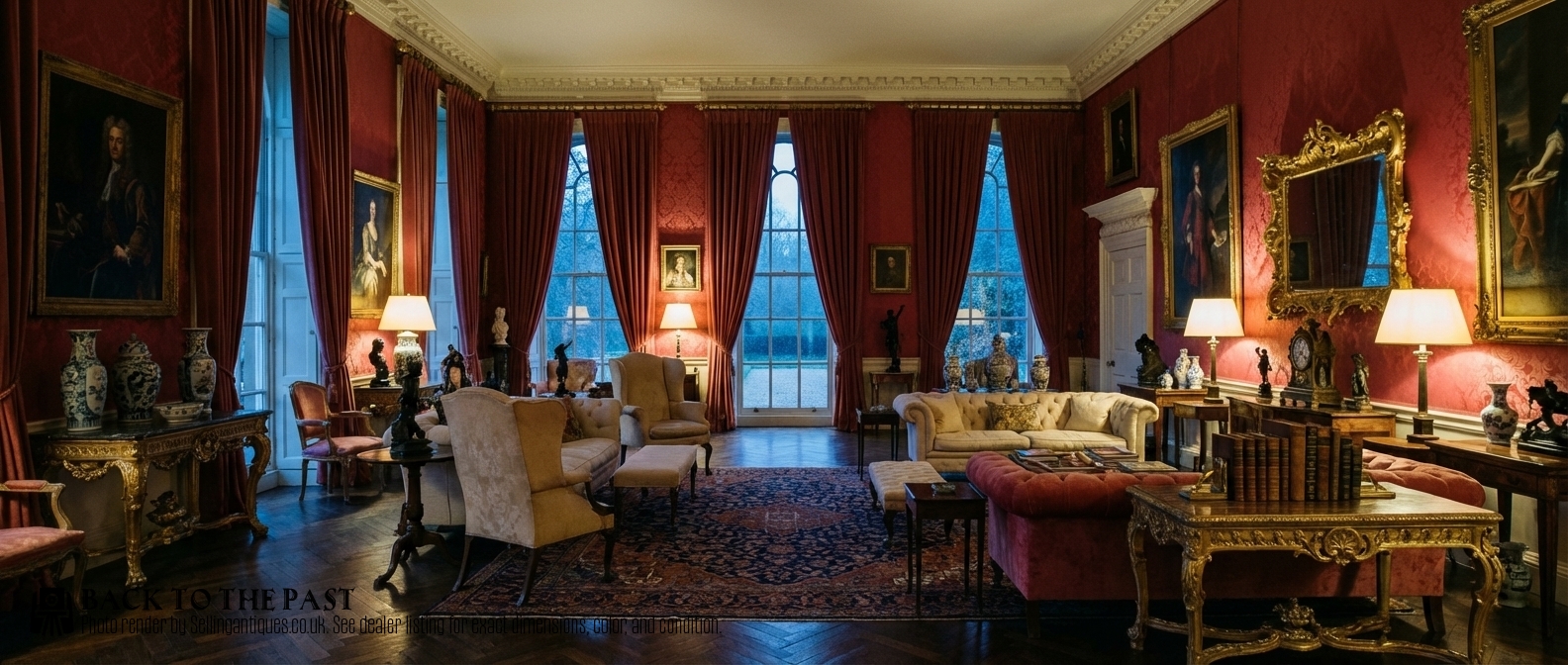
Rococo Ornate Wall Mirror
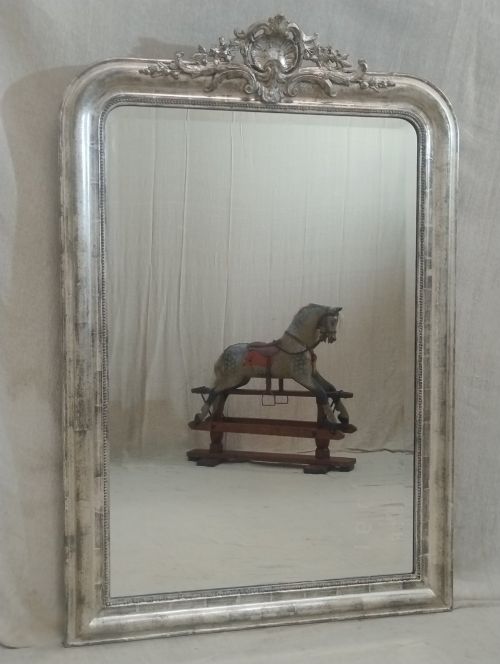
When searching for a rococo ornate wall mirror, buyers encounter a distinct category of decorative glass designed to dominate a wall through sheer scale and sculptural presence. These pieces emerge primarily from the nineteenth and eighteenth centuries, reflecting historical revivals and continental tastes across France, Italy, and England.
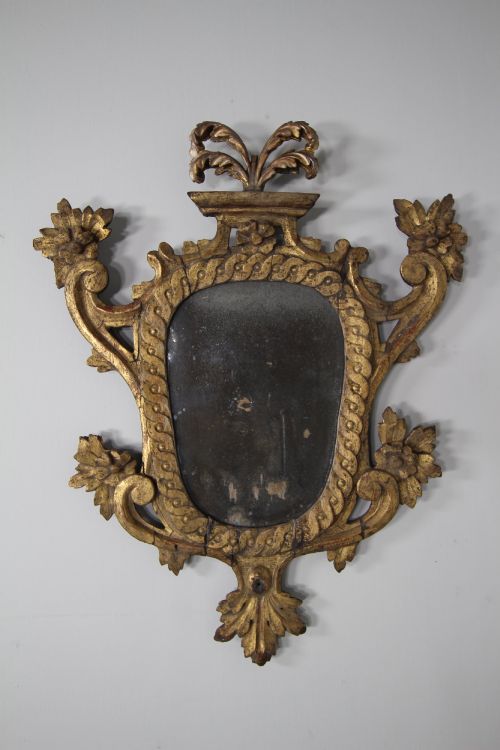
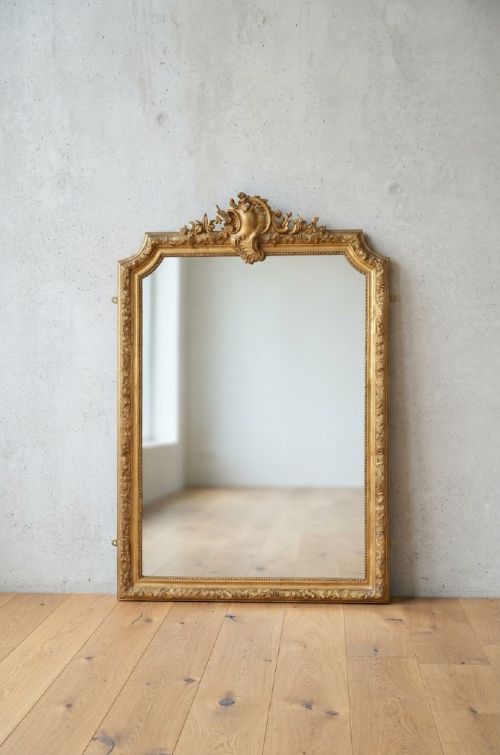
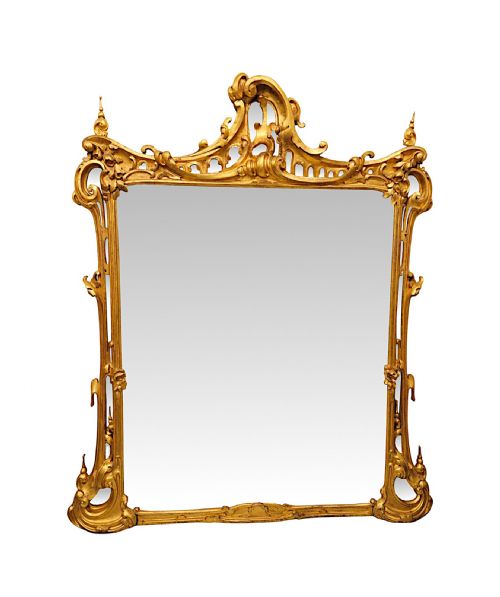
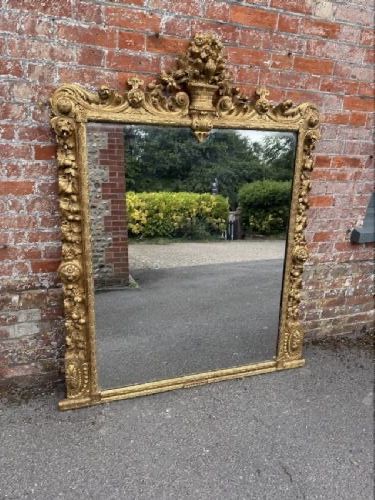
The domestic forms recorded on this page range from grand overmantel mirrors intended for mantelpieces to full-length leaner mirrors and smaller wall-hanging formats. Buyers meet both French Louis XV interpretations and Italian Florentine examples, alongside British variations in the Chinese Chippendale style.
Originating in periods such as the Victorian, Edwardian, and Georgian eras, these items serve as primary focal points within a room. Their asymmetrical frames and organic motifs demonstrate the enduring appeal of elaborate decorative arts in domestic interiors.
Materials and Construction Methods
Makers constructed these frames using carved timber, gesso, and composition applied over a wooden base to build up high-relief ornamentation. Artisans then coated these intricate surfaces in gold leaf or silver-gilt, applying burnishing techniques to catch ambient light.
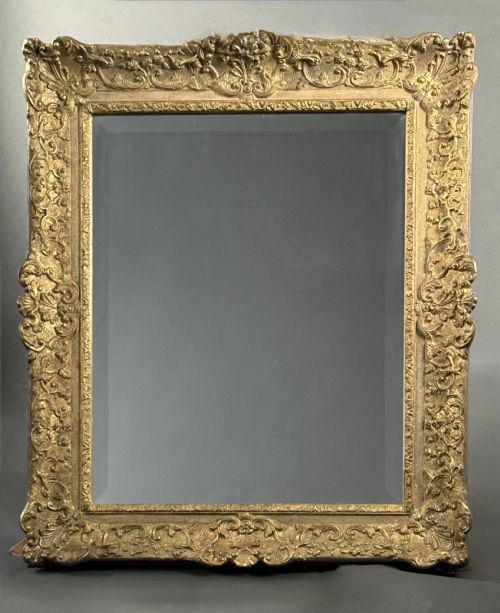
Mirror plates consist of traditional glass, sometimes featuring antique blemishes, bevelled edges, or engraved decorative details that indicate period manufacture. Heavier overmantel formats require robust internal wooden bracing to support the substantial weight of the timber and glass assembly.
Several mirrors include sly little carved wooden masks peering out from the chaotic foliage.
Distinctions in Quality
The division between standard production and exceptional work rests on the depth and sharpness of the hand-carved elements within the gesso and wood. Superior examples display crisp undercut scrolling and meticulous application of gold leaf rather than uniform modern metallic paint.
The integrity of the original mirror plate and the weight of the underlying timber frame dictate the structural standard of the piece. Greater articulation in asymmetrical motifs and preserved antique glass plates separate standard decorative mirrors from high-tier examples.
The Rococo Ornate Wall Mirror Glossary
- Giltwood
- Timber that has been covered with a thin layer of gold leaf. This finish defines the reflective warmth of the frame.
- Gesso
- A plaster-like mixture applied to wood frames and carved into relief ornament before gilding. It allows for sharp, intricate surface detail.
- Overmantel Mirror
- A large horizontal mirror designed specifically to hang above a fireplace mantel. These pieces anchor the visual weight of a chimney breast.
- Composition
- A moulded mixture of whiting, resin, and oil pressed into ornament. Makers utilised this material alongside carved wood to save time on complex runs.
- Bevelling
- The practice of angling the outer edges of a mirror plate to create a prismatic border. This detail adds depth to the reflected interior view.
Rococo Ornate Wall Mirror: Frequently Asked Questions
Where should I hang an overmantel mirror?
Position the piece centrally above a fireplace mantel to draw the eye upward and balance the room's proportions. Ensure the wall fixings are secured directly into structural studs to support the substantial weight.
Alternatively, place a large leaner mirror against a living room or bedroom wall without fixings to create an expansive sense of light and space.
How do I clean an antique giltwood frame?
Dust the intricate carved surfaces gently using a soft, dry brush to prevent dislodging delicate sections of gesso and gold leaf. Avoid liquid cleaners and chemical sprays entirely, as moisture strips historical finishes.
For the glass plate, apply a mild glass cleaner to a cloth rather than spraying directly onto the mirror, protecting the surrounding timber frame from dampness.
Are these mirrors heavy to mount?
These frames possess considerable weight due to the dense timber construction, thick gesso mouldings, and heavy glass plates. Professional installation using heavy-duty brackets suited to the specific wall type is essential for secure hanging.
Leaner formats rely on floor friction and wall tethers rather than wall-mounted hooks to distribute their mass safely.
How do I distinguish eighteenth-century pieces from later revivals?
Inspect the construction joints behind the frame and the characteristics of the mirror plate for signs of age. Eighteenth-century examples often exhibit hand-cut timber joinery and subtle imperfections within the silvering of the glass.
Nineteenth-century revival pieces display heavier moulded composition elements and machine-rolled plates while maintaining the characteristic rococo aesthetic.