



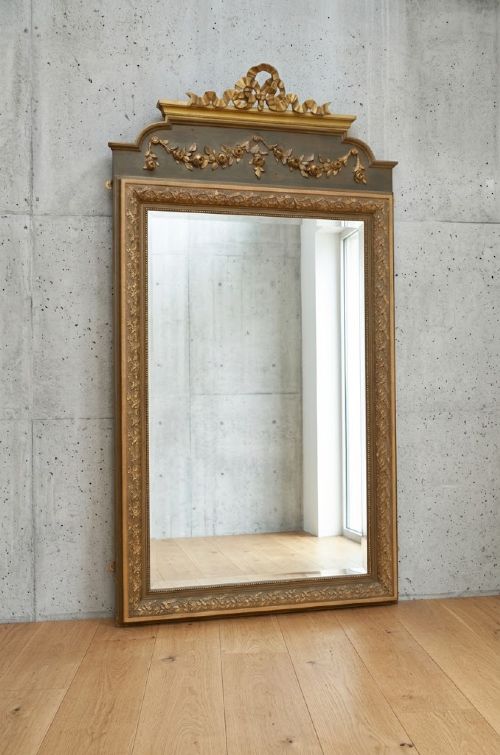
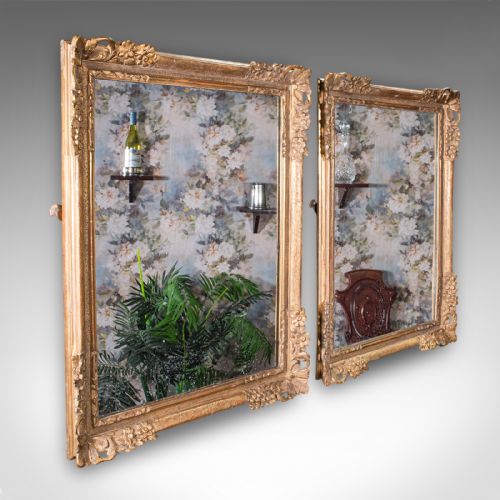
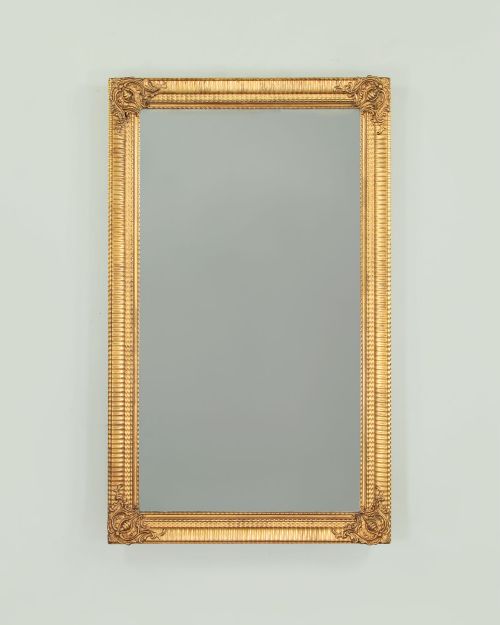
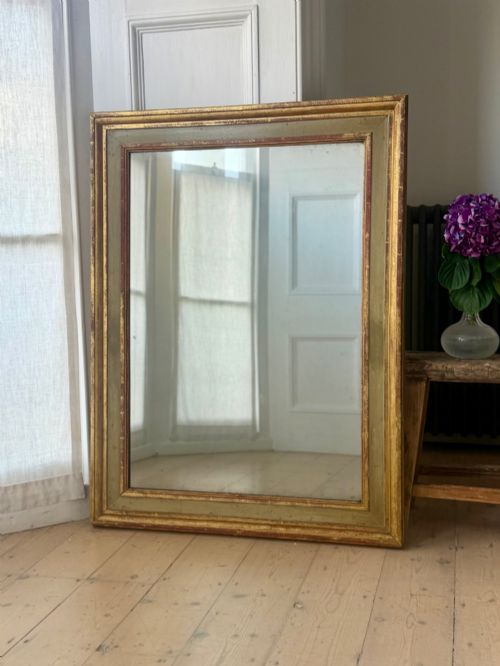
Gold Leaf Framed Mirror
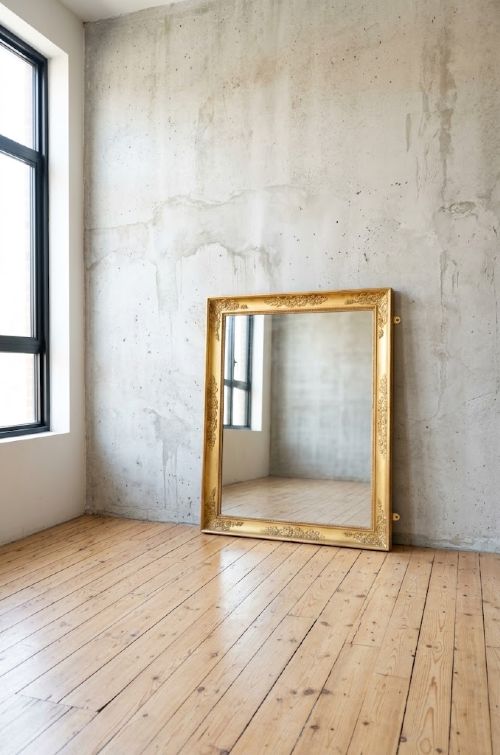
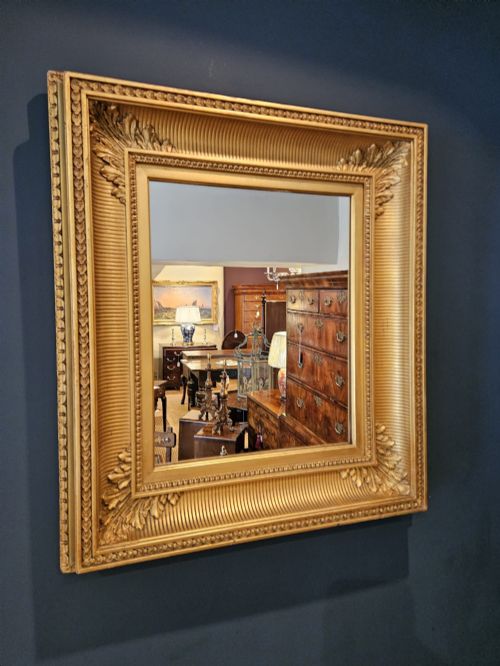
A gold leaf framed mirror brings light and warmth to a room, offering the classic elegance collectors seek.
Understanding the gold leaf framed mirror
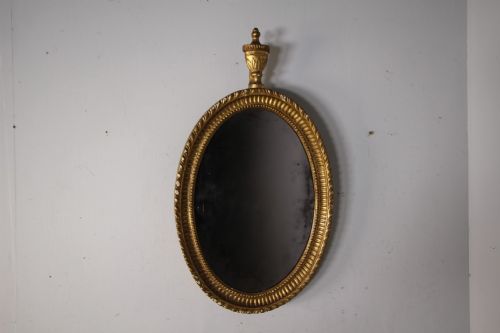
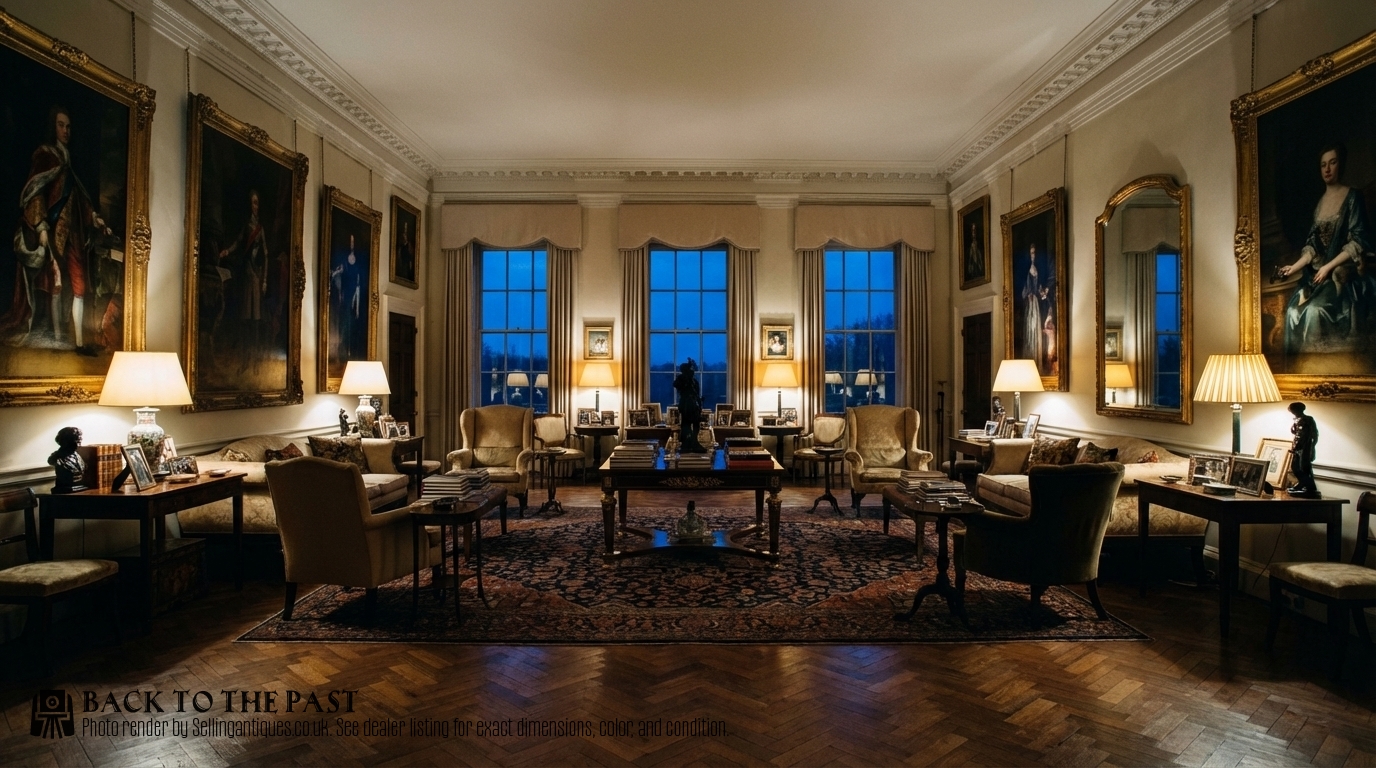
A gold leaf framed mirror is a wall hanging designed to reflect light and expand interior space. These pieces combine wooden frames with reflective glass, appearing in several distinct historical periods.
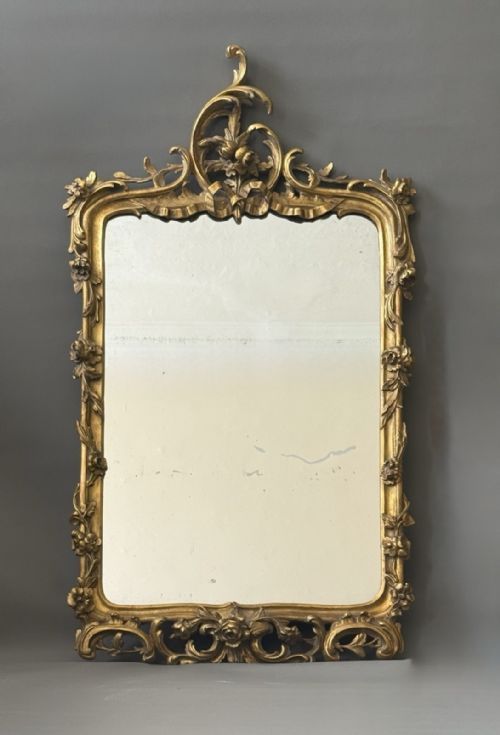
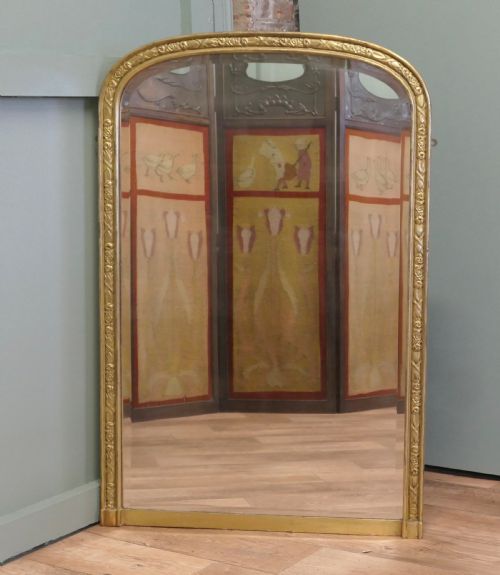
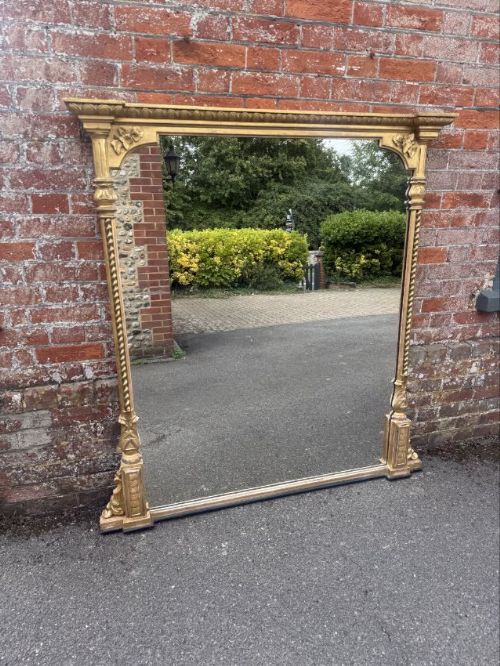
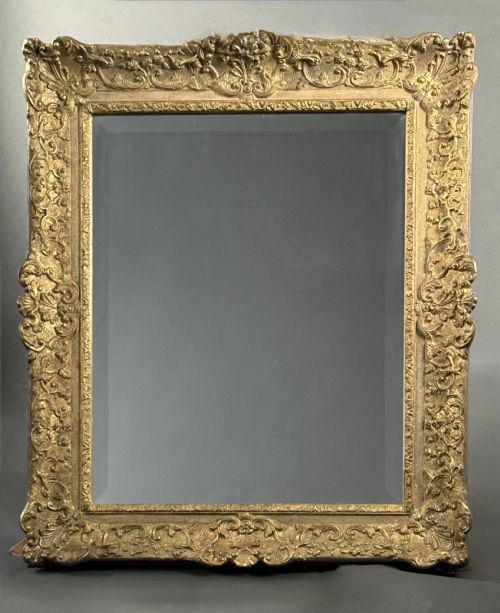
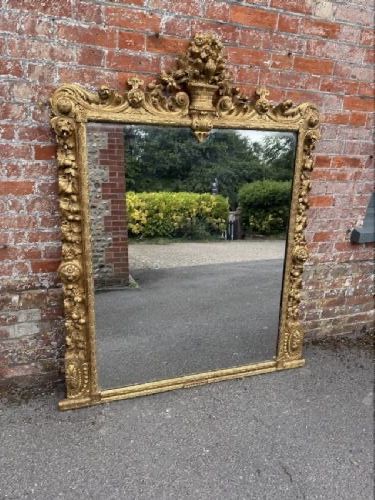
The selections available on this page include the restrained curves of the Louis Philippe style alongside the ornate flourishes of Rococo Revival and Napoleon III pieces. Buyers regularly encounter both French and Italian origins within these listings.
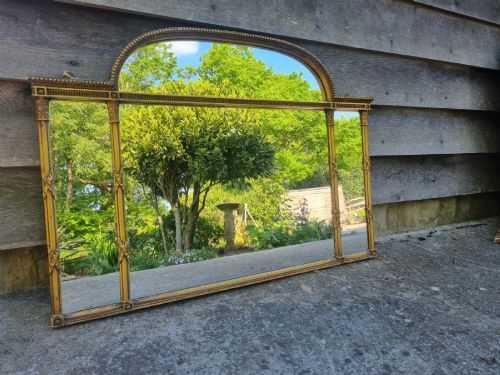
Rectangular formats sit alongside arched tops, ranging from mid-sized wall pieces to large examples measuring over a metre in height. Each object demonstrates the character of nineteenth-century craftsmanship.
Materials and construction
Makers constructed these frames using wood, applying a layer of gesso to create a smooth surface for finishing. Artisans then laid extremely thin sheets of gold leaf over the preparation layers to achieve a brilliant metallic sheen.
The reflective elements consist of traditional mirror glass fitted securely within the wooden structures. Structural backing and joinery reflect the standard carpentry methods of the nineteenth century.
Retail Price Guide 2026
Typical UK retail prices for gold leaf framed mirror, calculated from the Sellingantiques database of over a million retail prices indexed since 2003. This retail price guide relies exclusively on Sellingantiques data; no external sources or auction records are used, so the figures do not describe the wider market.
Every nineteenth-century mirror frame carries the invisible ghost of an artisan's breath, used to warm the gold leaf before pressing it into place.
Assessing quality
Quality rests in the crispness of the gesso modelling and the preservation of the delicate leaf layers. Finer examples display deeply carved or moulded details that retain their definition beneath the gilding.
The integrity of the original glass plate and the stability of the wooden carcass separate superior items from lesser examples. The harmony between the frame proportions and the glass size dictates the overall visual success of the piece.
The Gold Leaf Framed Mirror Glossary
- Giltwood
- Wood that has been coated with gold leaf or gold paint. This technique provides a luminous surface that catches natural room light.
- Gesso
- A plaster-like mixture applied to wood frames to create a smooth base for gilding. Artisans carve and shape this layer before applying the gold leaf.
- Louis Philippe
- A mid-nineteenth century French style known for understated elegance and gentle arched tops. It avoids excessive ornamentation in favour of clean, balanced lines.
- Napoleon III
- A French decorative style of the mid to late nineteenth century drawing on historical revivals. These pieces often feature rich, elaborate ornamentation.
- Rococo Revival
- A nineteenth-century movement emulating the asymmetrical curves and natural motifs of the eighteenth century. Frames in this style display exuberant floral and scroll carving.
Frequently Asked Questions
Where should I hang a gilt mirror?
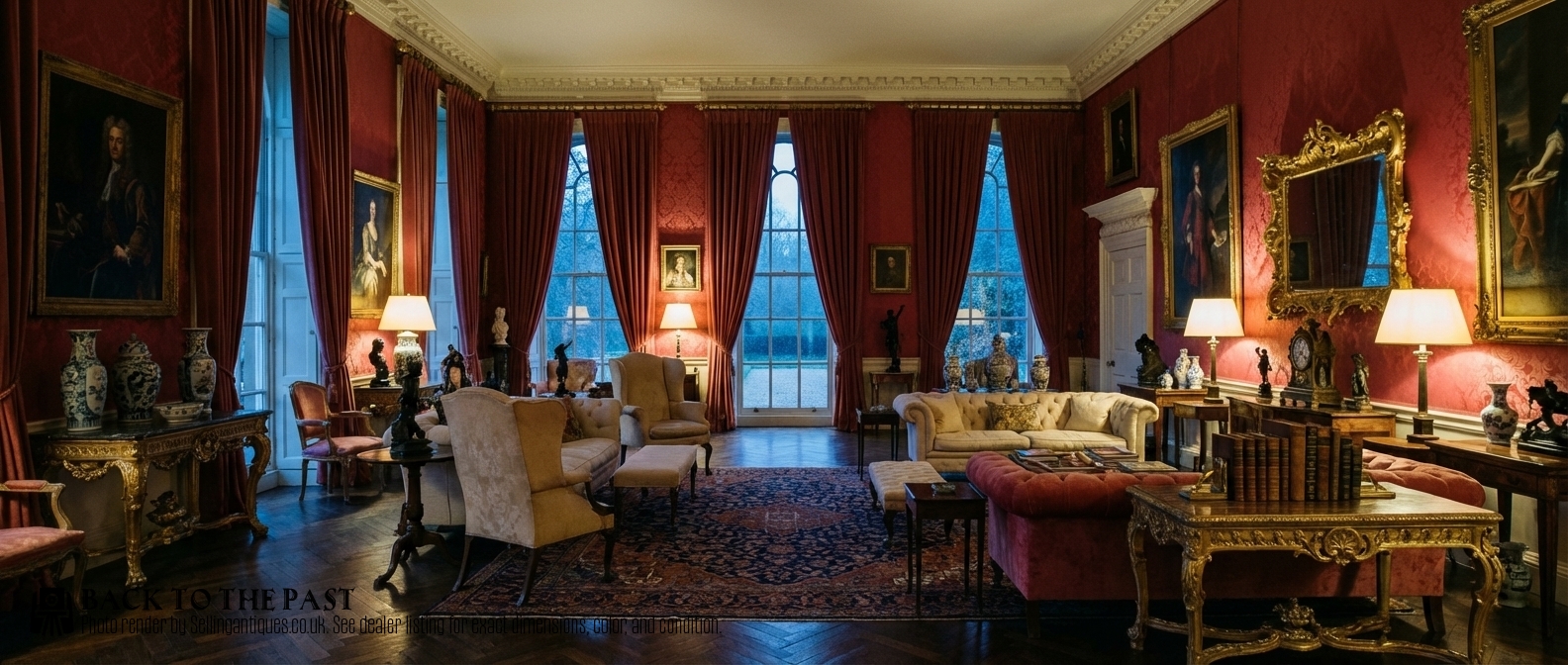
These mirrors suit principal living spaces, hallways, or above mantelpieces where they can reflect natural light.
Ensure the wall fixings match the substantial weight of wood and gesso frames to guarantee secure installation.
How do I date an old mirror?
Examine the construction of the wooden frame, the composition of the gesso, and the characteristics of the glass plate.
Nineteenth-century pieces often show distinct joinery methods and plate glass variations compared to later reproductions.
Can I clean the gold leaf?
Dust the frame gently with a dry, soft brush to remove surface particles without disturbing the delicate metallic leaf.
Avoid liquid cleaners and moisture entirely, as water causes lifting and deterioration of historical gesso and gilding.
What styles are available?
The current selection spans nineteenth-century French and Italian designs, including Louis Philippe, Rococo Revival, and Napoleon III pieces.
Formats vary from rectangular wall mirrors to arched top configurations suited to period interiors.