




Large Gold Accent Mirror
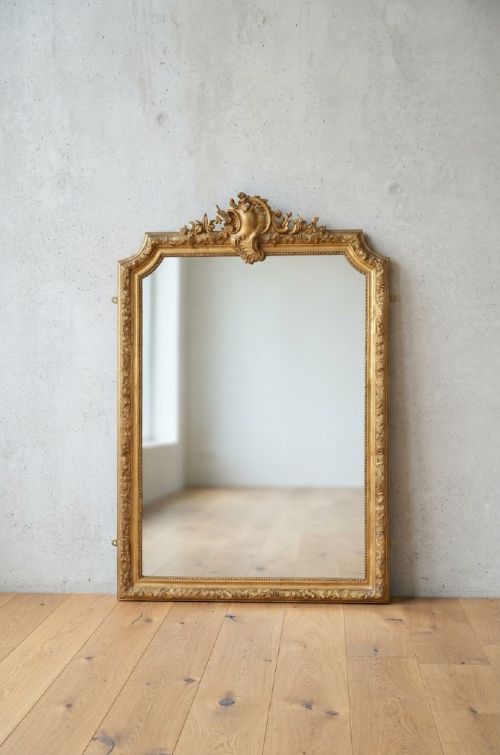
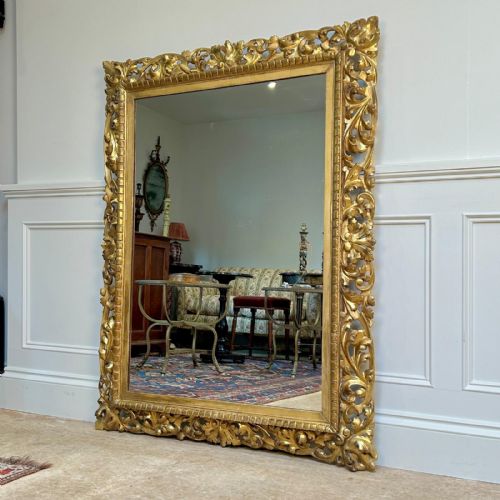
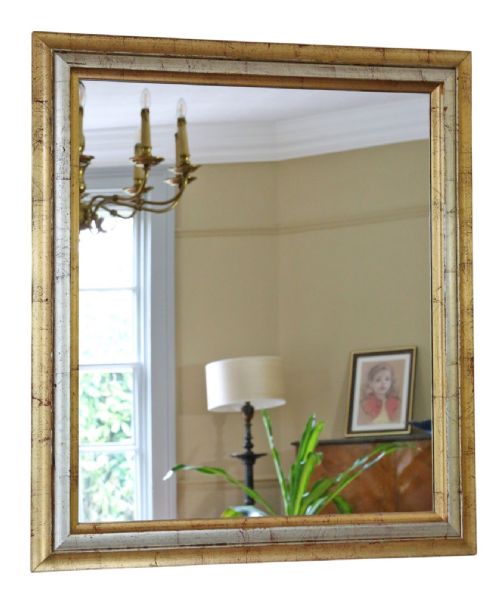
A large gold accent mirror brings architectural depth and a warm, reflective focal point to any room through ornate historical styling.
Large Gold Accent Mirror
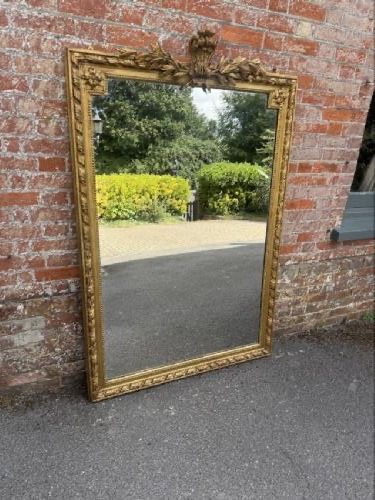
A large gold accent mirror functions primarily as a striking wall focal point, drawing light and expanding spatial perception within a room. When searching for a large gold accent mirror, buyers encounter grand overmantel mirrors, pier mirrors, and heavily carved wall-hanging pieces.
The selections available span multiple nineteenth-century revivals, including Rococo Revival, Baroque Revival, and Italian Renaissance Revival, alongside mid-century twentieth-century examples. Origin variations bring distinct regional character, from French giltwood frames to Italian carved giltwood productions.
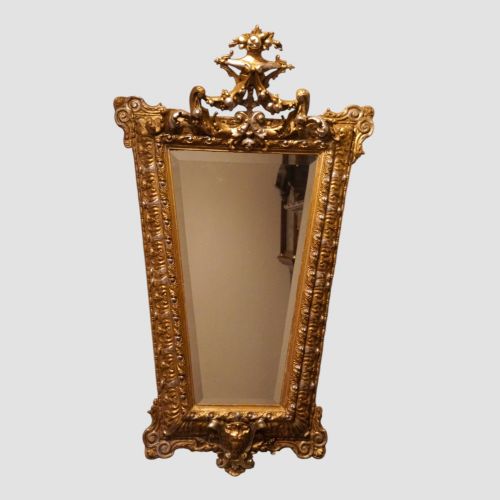
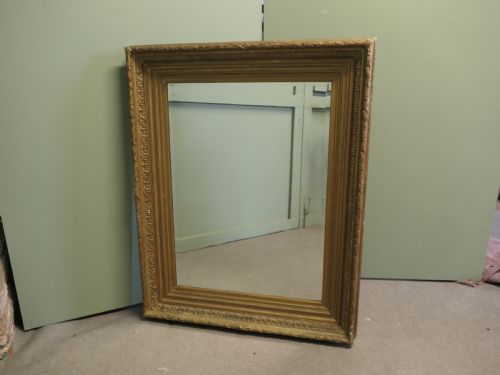
Most pieces date to the nineteenth century, utilising traditional proportions designed to sit above mantelpieces or command principal wall spaces. Structural formats range from arched top designs and rectangular shapes to oval and trapezoidal configurations.
How they were made
Carved wooden frames form the structural core of these pieces, utilising timber bases built from wood and burr walnut. Artisans applied layers of gesso over the carved wood to prepare a smooth, receptive ground for subsequent gilding techniques.
Giltwood, gold leaf, and silver-gilt finishes provide the characteristic metallic lustre, often combined with parcel gilt highlights. Composition ornament and applied shell motifs further enrich the decorative surfaces of nineteenth-century frames.
What varies in quality
The depth, sharpness, and undercut precision of the hand-carved wood separate ordinary frames from superior examples. Master carvers achieved intricate floral, shell, and rope twist details that retain crispness despite layers of historic gesso and gilding.
The integrity of the original gilt surface and the preservation of the underlying gesso layers dictate the visual richness of the piece. Superior mirrors maintain harmonious proportions between the heavy wooden frame and the original mirror glass plate.
The Large Gold Accent Mirror Glossary
- Giltwood
- Wood that has been coated with gold leaf or gold paint. This technique creates a durable, luminous finish characteristic of formal antique frames.
- Gesso
- A plaster-like mixture applied to wood frames to create a smooth surface for gilding. It allows artisans to carve intricate relief details before applying gold leaf.
- Overmantel mirror
- A large mirror designed specifically to hang above a fireplace mantel. These pieces often feature horizontal or arched formats suited to architectural chimney breasts.
- Pier mirror
- A tall mirror traditionally hung on the narrow pier of wall space between windows. Their vertical proportions maximise ambient daylight in period rooms.
- Parcel gilt
- A decoration method where only specific portions of an object are gilded while the rest shows exposed wood or paint. This technique highlights particular carved motifs on the frame.
Large Gold Accent Mirror: Frequently Asked Questions
Where should I hang a large gold mirror?
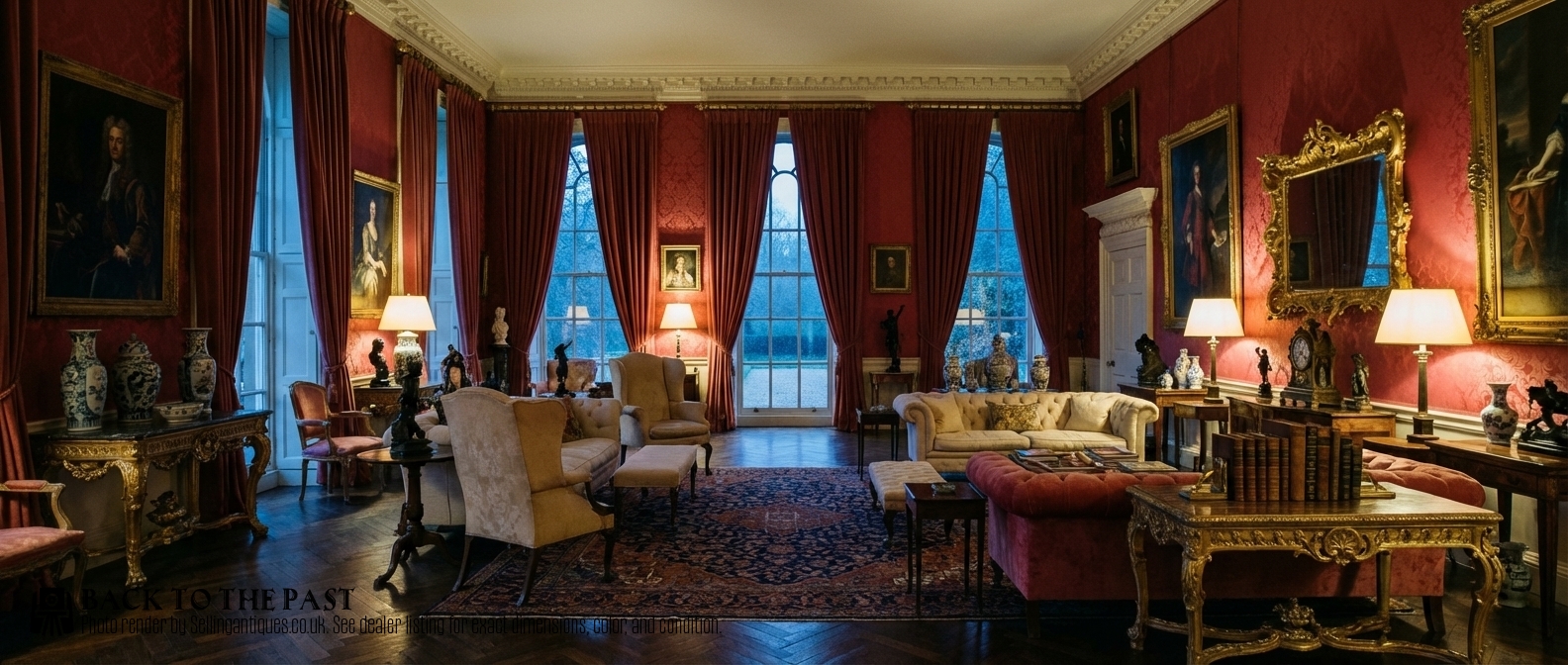
These mirrors traditionally anchor living rooms, dining spaces, and grand hallways where their scale can be fully appreciated. Hanging them above a fireplace or a sideboard creates a balanced focal point.
Ensure the wall structure securely supports the substantial weight of carved wood and glass frames. Positioning them opposite windows also maximises the reflection of natural light across the interior.
How do I identify a Victorian mirror?
Victorian pieces frequently display robust revival styles, incorporating heavy carved wood frames finished with gesso and gilt. They often appear as large overmantel mirrors designed for nineteenth-century domestic interiors.
Examining the construction methods on the reverse side helps confirm the period. Hand-cut timber and period mirror plates with subtle foxing or bevelling further indicate nineteenth-century origin.
What is the difference between French and Italian styles?
French mirrors from the nineteenth century often favour refined Rococo Revival curves, delicate shell motifs, and elegant parcel gilt walnut. They lean towards decorative lightness despite their substantial scale.
Italian mirrors tend to display heavier Baroque Revival or Renaissance Revival influences with deep, commanding architectural carvings. Their ornamentation is typically bolder and more theatrical in execution.
How do I care for antique giltwood?
Dust the carved frame gently using a dry, soft brush to protect the delicate gesso and gold leaf layers. Avoid using chemical cleaners, water, or abrasive cloths that can strip the historic finish.
Keep the mirror away from direct sunlight and damp environments to prevent the wooden substrate from warping. Stable indoor temperatures preserve both the gilt surface and the mirror glass.