
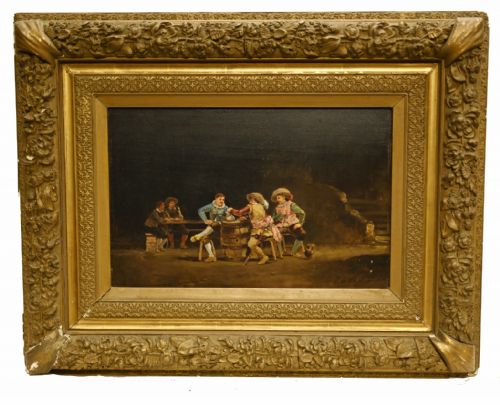

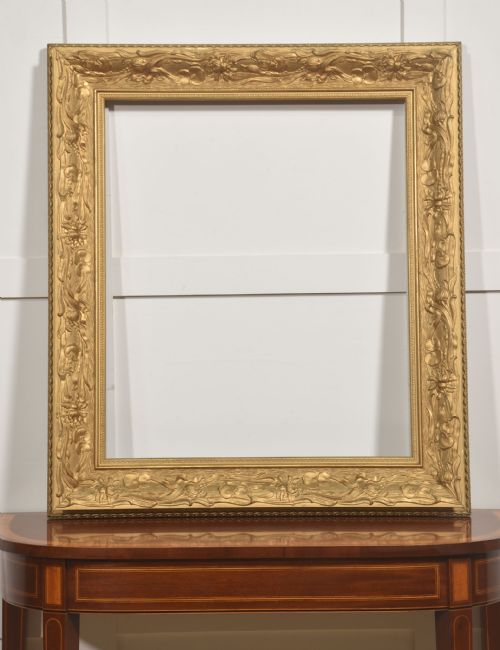
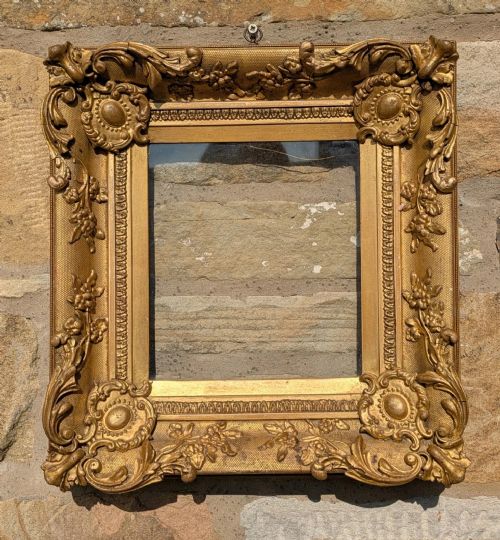


Decorative Gilded Picture Frame
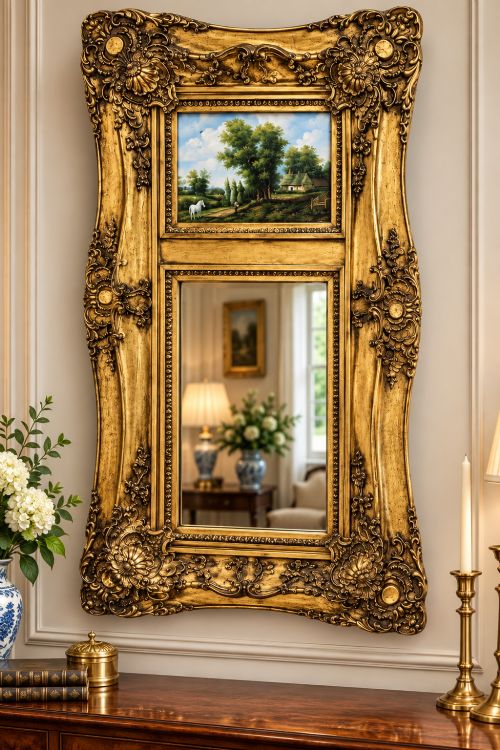
A decorative gilded picture frame holds an oil painting or mirror, bringing warmth and reflective light to a room.
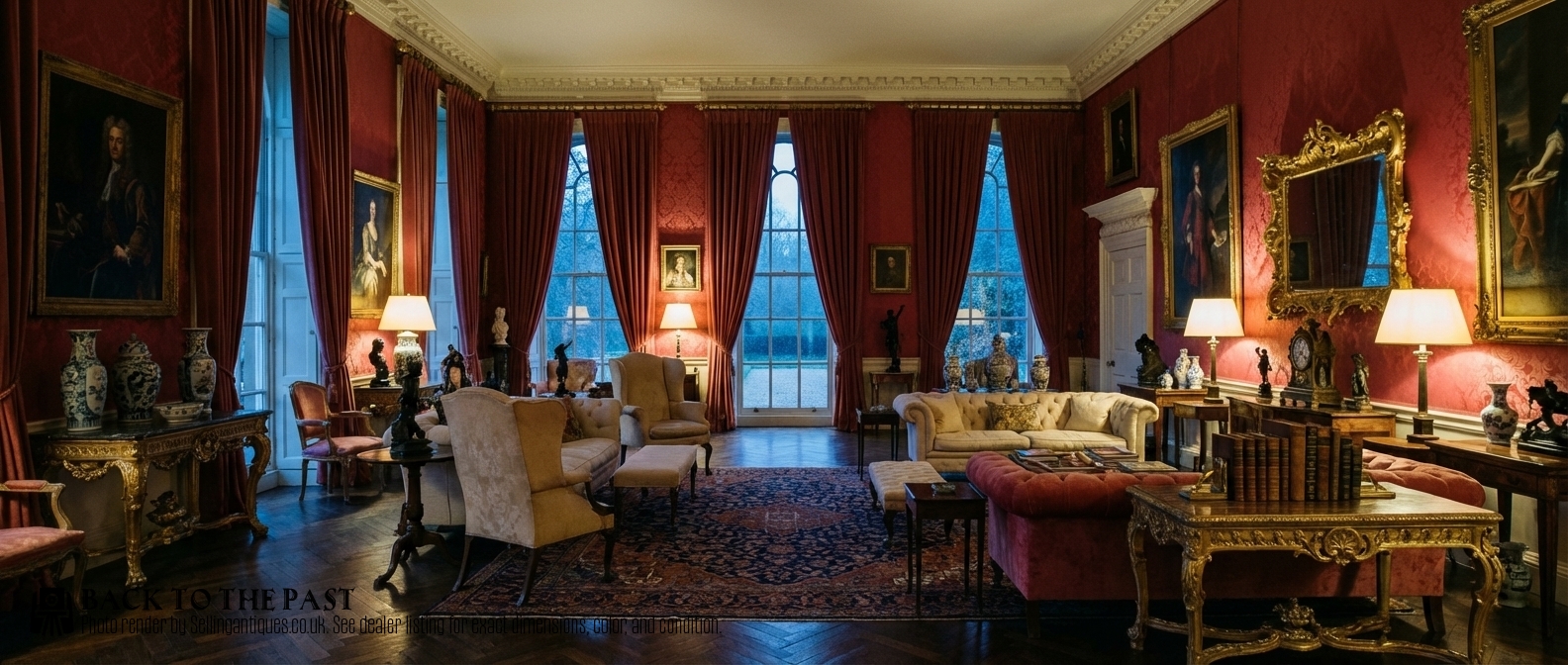
Decorative Gilded Picture Frame
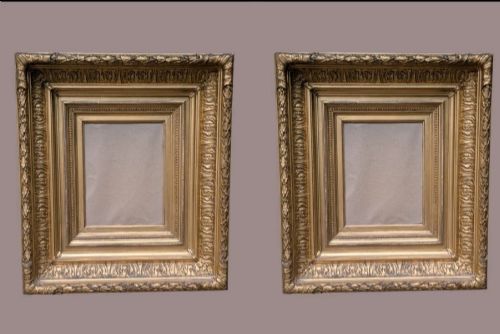
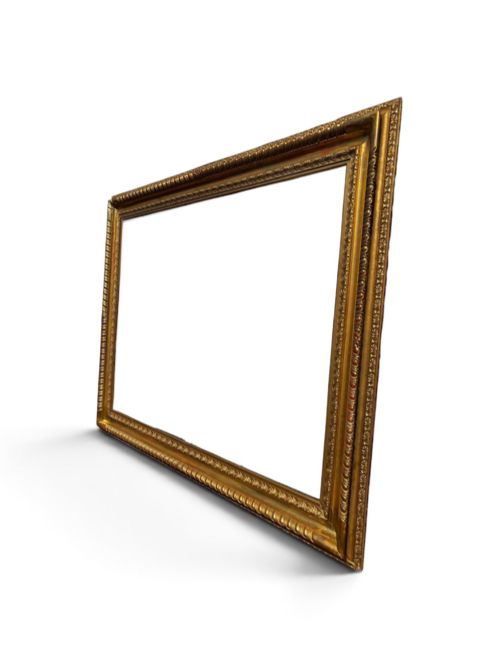
When you search for a decorative gilded picture frame, you encounter a selection of works spanning the nineteenth century and the early twentieth century. The inventory on this page includes wall mirrors, oil paintings, and photo frames alongside empty or adapted frames.
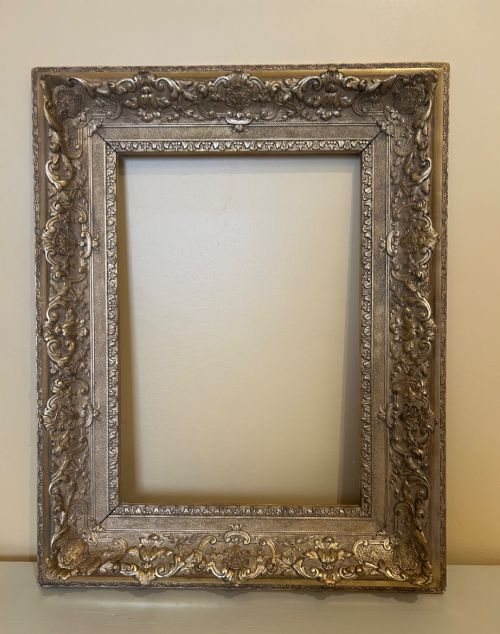
Victorian pieces and French chateau styles appear frequently, often taking the form of deep giltwood mouldings or gesso ornaments. Many items house period artwork, prints, or mirrors, though some serve purely as decorative surrounds for photographs and canvases.
How they were made
Giltwood and gesso form the primary structure of these items, providing a stable wooden base for intricate surface decoration. Artisans applied thin sheets of gold leaf over prepared grounds to achieve the characteristic metallic sheen.
Cast bronze, ormolu, and paste stones appear in smaller pieces like photo frames, reflecting detailed metalwork techniques of the period. Glass and velvet elements often complement the gilded wooden surrounds.
Listings feature 19th Century, Victorian, 1900, 1930, 1910, 1870, and 1850 periods.
What varies in quality
Depth and complexity of the moulding define the higher end of the range, particularly in Victorian and French styles featuring hand-carved details or applied gesso ornament. Crispness in floral motifs, lions' heads, and scrollwork indicates skilled craftsmanship.
The integrity of the original gold leaf surface and the depth of the timber frame distinguish superior examples from simpler alternatives. Proportion and scale also influence desirability, especially among large wall mirrors and matched pairs.
The Decorative Gilded Picture Frame Glossary
- Giltwood
- Wood carved and coated with gold leaf. This material provides the structural foundation for many traditional ornate frames.
- Gesso
- A plaster mixture applied to wood surfaces and carved or moulded. It creates the raised decorative relief work found on period frames.
- Ormolu
- Gilded bronze used in decorative hardware and smaller frames. The technique involves applying a mercury and gold amalgam to brass or bronze.
- Chrystoleum
- A picture created by applying a hand-coloured print to glass and backing it with oil paint. These delicate works frequently sit within period gilt frames.
- Overmantle
- A large mirror designed to hang above a fireplace mantel. These pieces often feature extensive giltwood and gesso decoration.
Decorative Gilded Picture Frame: Frequently Asked Questions
How do I date a gilded frame?
Dating relies on examining the timber construction, the composition of the gesso, and the style of the ornamentation. Victorian and nineteenth century pieces often display distinct moulding profiles and specific fastener types.
Comparison with documented examples from periods such as Art Nouveau or Louis XVI Revival helps narrow down the decade of production. Wear patterns on the gold leaf further indicate the age of the item.
Can I hang a heavy gilt mirror safely?
Large giltwood and gesso mirrors require robust wall fixings due to their substantial weight and solid timber construction. Professional installation ensures the frame is secured directly into wall studs or masonry.
Checking the stability of the mitred corners and the backing board before hanging prevents structural strain. Regular inspection of the hanging wire or brackets maintains long-term security.
How should I clean a gilded frame?
Dusting requires a very soft, dry brush to avoid disturbing fragile gold leaf or delicate gesso details. Moisture and household chemical cleaners damage the metallic surface and should be avoided entirely.
Professional restoration is recommended if the gilt layer shows signs of flaking or extensive loss. Gentle maintenance preserves the historical patina of the piece.
What is the difference between gesso and carved wood?
Carved wood involves shaping the timber base directly with gouges and chisels to form decorative motifs. Gesso is a plaster mixture applied over the wood and moulded or stamped to achieve intricate relief details.
Many nineteenth century frames combine both techniques, using a carved wooden core enriched with applied gesso ornaments. Examining the reverse and the edges often reveals the underlying construction method.