

Vintage Gold Pin
When you search for a vintage gold pin, you enter a world of decorative fastening from the Victorian, Edwardian, and mid-century eras that secures garments while displaying gemstones and precious metalwork.
Vintage Gold Pin
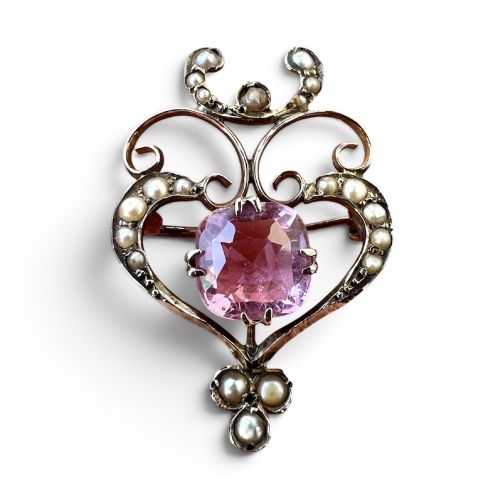
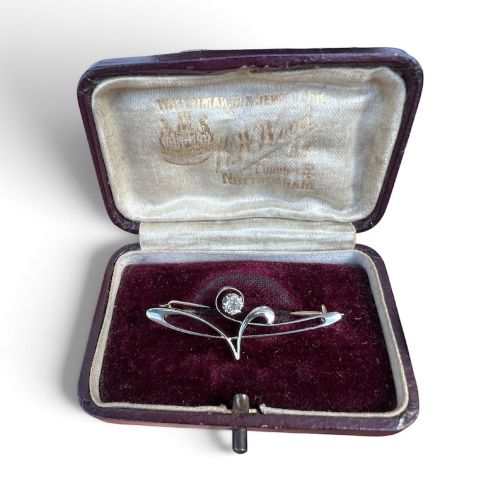
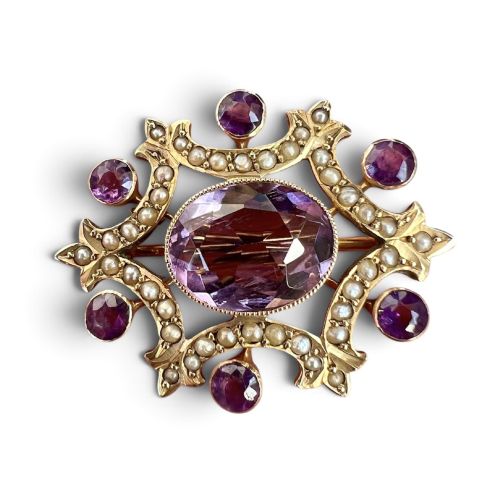
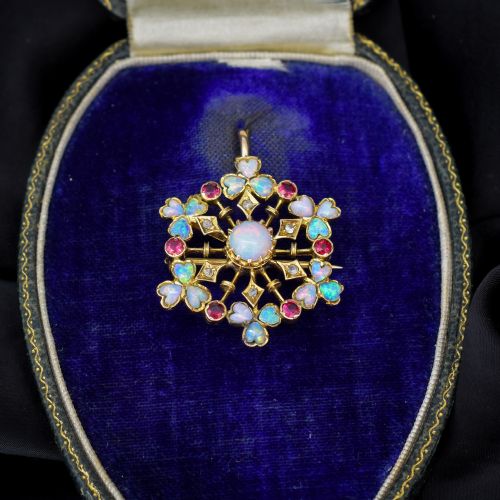
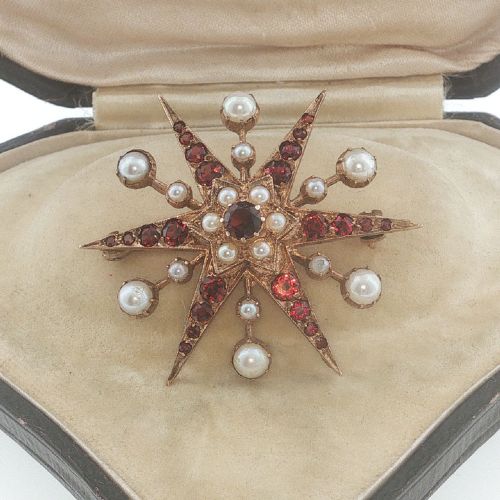
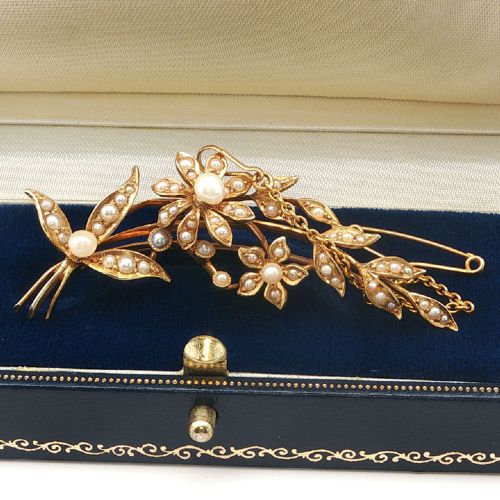
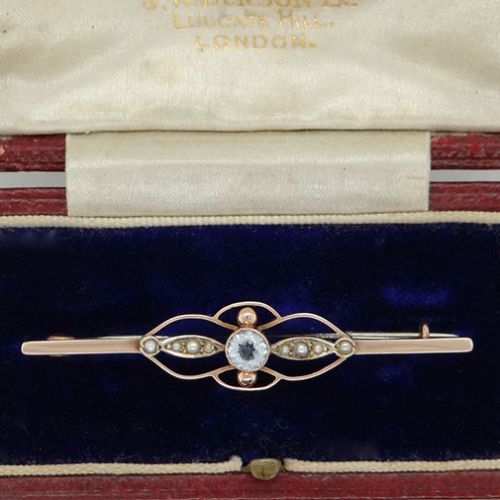
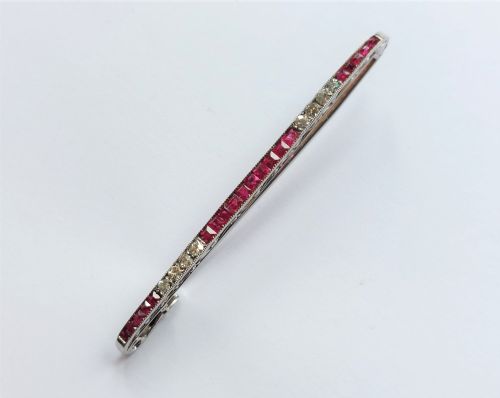
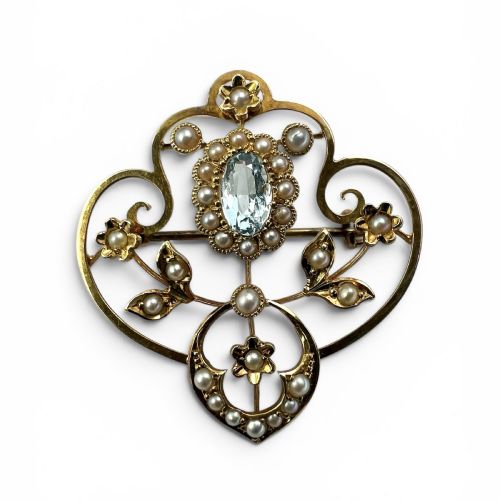
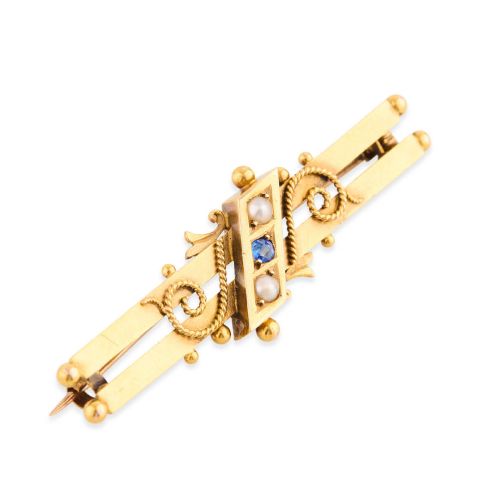
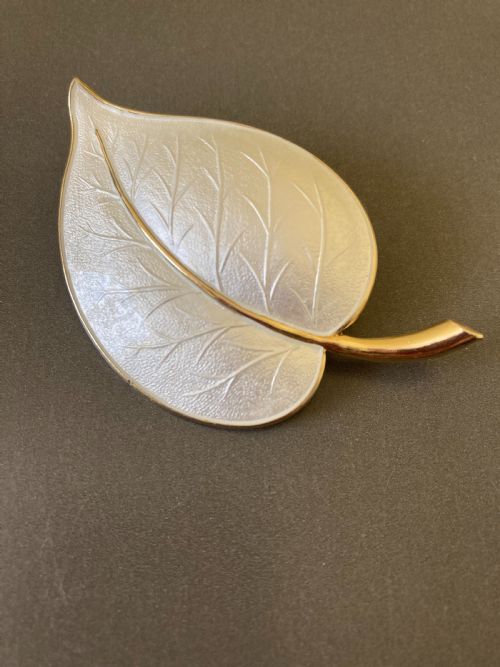
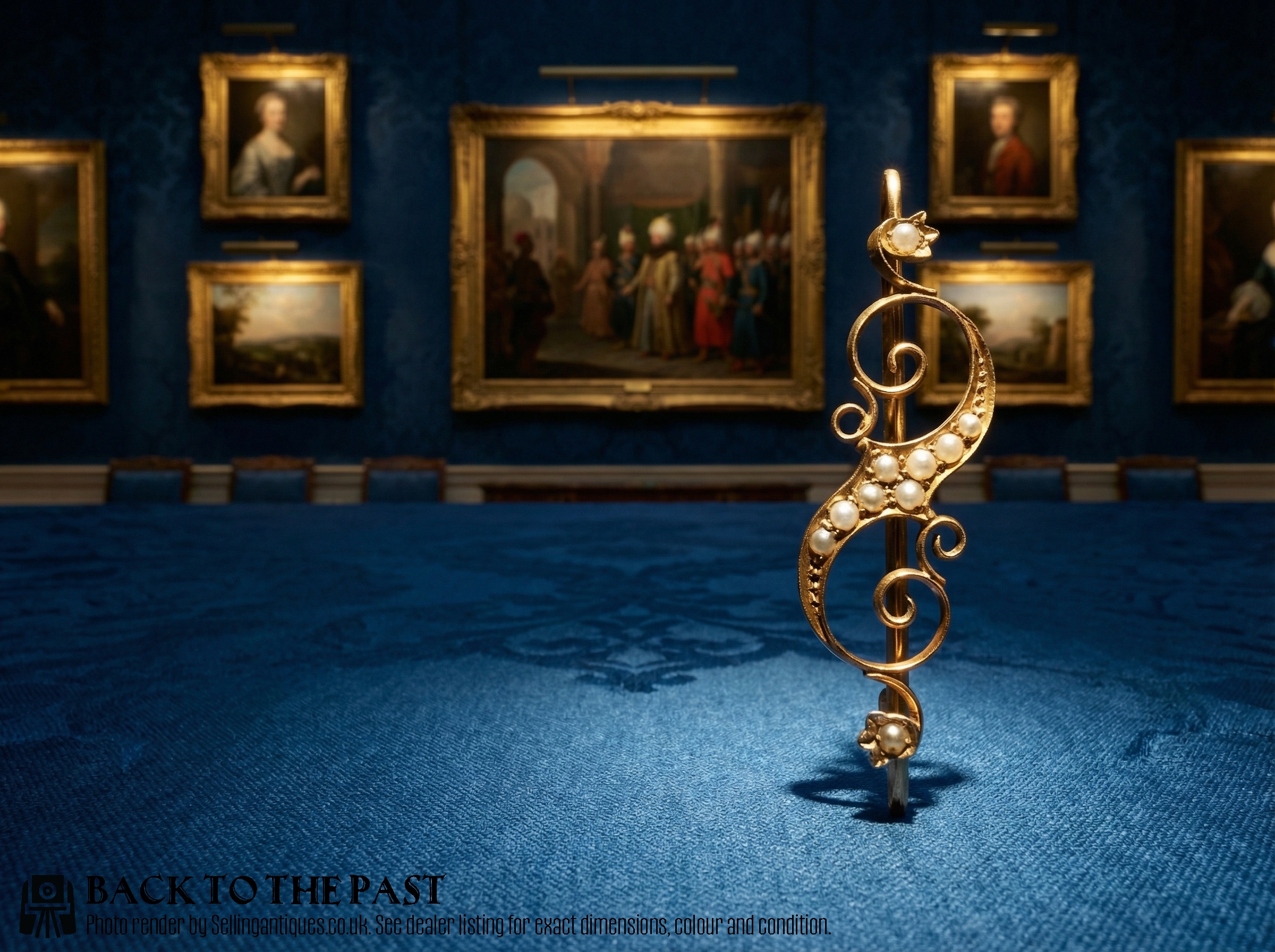
The pieces on this page span from Victorian and Edwardian iterations set with seed pearls and turquoise to Art Deco geometric diamond designs and 1960s textured gold creations. These items served both practical fastening functions and purely decorative adornment roles.
Many examples combine gold with platinum, silver, or enamel to highlight central gems like amethysts, rubies, garnets, and opals. You find conversion pieces that double as pendants alongside dedicated lapel and collar ornaments.
Materials and construction methods
Goldsmiths utilised varying purities, predominantly nine-carat, fifteen-carat, and eighteen-carat yellow, rose, and white gold, alongside platinum and silver-gilt settings. Stones were secured using collet settings, grain settings, and claw mounts tailored to the specific gem cut.
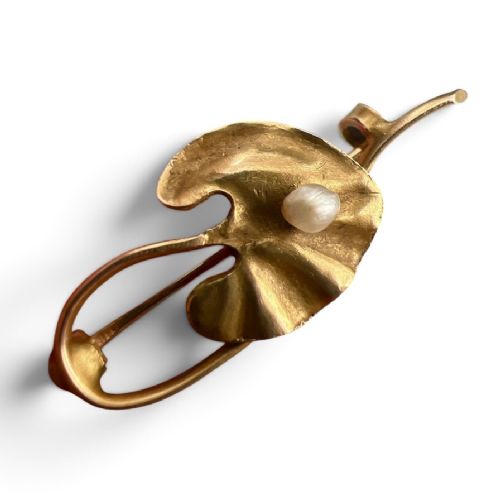
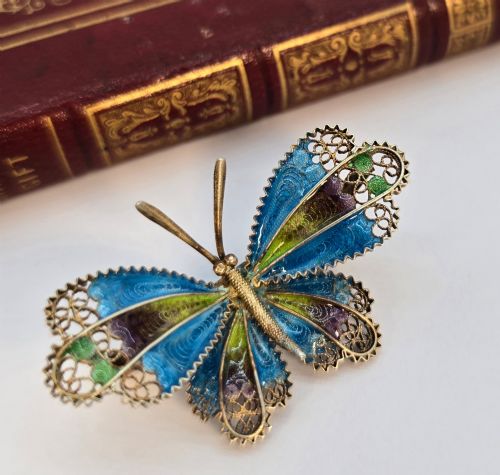
Makers employed techniques such as repoussé, chased detailing, hand carving, and wirework to form intricate floral leaves, geometric bars, and figural subjects. Enamelling and fine millegrain borders frequently added texture and visual contrast to the metal surfaces.
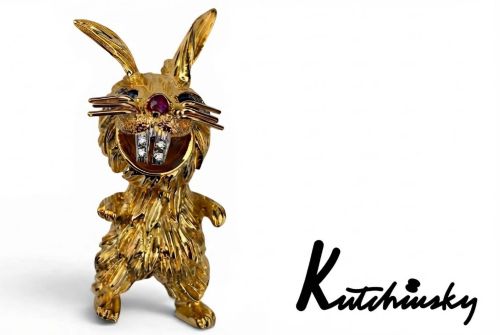
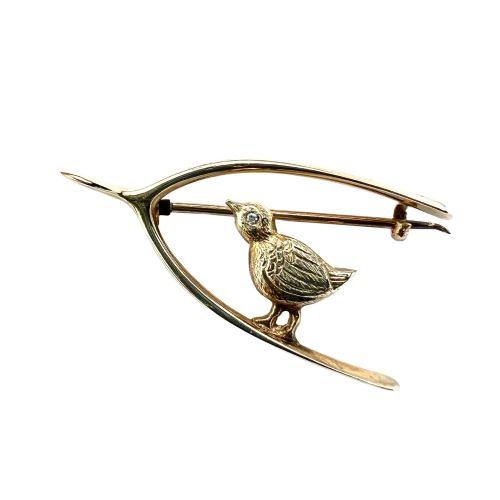
Several charming pieces take the form of tiny winged chicks, lucky wishbones, bicycles, and even a detailed rabbit.
Distinctions in construction and design
The refinement of the maker's handwork dictates quality, visible in the crispness of chased foliage, the tight regularity of seed pearl matching, and the precision of millegrain edges. Superior pieces maintain structural integrity in delicate pins and hinges while displaying balanced gemstone proportions.
The choice of materials also elevates a piece, distinguishing standard nine-carat gold mounts from heavier fifteen-carat or eighteen-carat constructions, and simple glass or paste accents from finely matched diamonds, natural opals, and unheated rubies.
Aksel Holmsen·Kutchinsky·Ben Rosenfeld
The Vintage Gold Pin Glossary
- Bar brooch
- A slender horizontal metal rod, often set with gemstones or central motifs, designed to span a lapel or collar.
- Seed pearl
- A very small natural or cultured pearl, frequently drilled and strung or pegged, popular in Victorian and Edwardian cluster jewellery.
- Millegrain
- A decorative technique featuring a row of tiny raised metal beads along the edge of a setting, common in Edwardian and Art Deco jewellery.
- Stick pin
- A long straight pin topped with a decorative ornamental head, originally used to secure neckties, scarves, or lapels.
- Repoussé
- A metalworking technique where the design is hammered into relief from the reverse side of the gold sheet.
Vintage Gold Pin: Frequently Asked Questions
How do I wear a vintage gold pin?
Secure the pin through heavy fabrics like wool coats, knitted cardigans, or structured jacket lapels to support the weight of the metal and stones.
You can also cluster multiple stick pins in a lapel or fasten a bar brooch at the neck of a blouse for a classic period look.
Were these pins used for fastening?
Original pieces served practical roles such as securing scarves, collars, wraps, and cravats in place before the widespread use of modern closures.
Over time, many transformed purely into decorative accessories pinned to hats, bags, and lapels purely for visual display.
How can I date an Edwardian pin?
Edwardian pins typically feature platinum-topped gold, delicate openwork filigree, millegrain edges, and combinations of diamonds, pearls, and aquamarines.
Look for light, airy floral, garland, or bow motifs that distinguish this period from heavier Victorian designs.
What is a conversion brooch?
A conversion piece is an item, such as a pendant or an earring component, that has been adapted with a pin finding to function as a brooch.
These pieces often retain hidden loops or bails on the reverse that reveal their original dual purpose as pendants.