

Victorian Jewellery Brooch
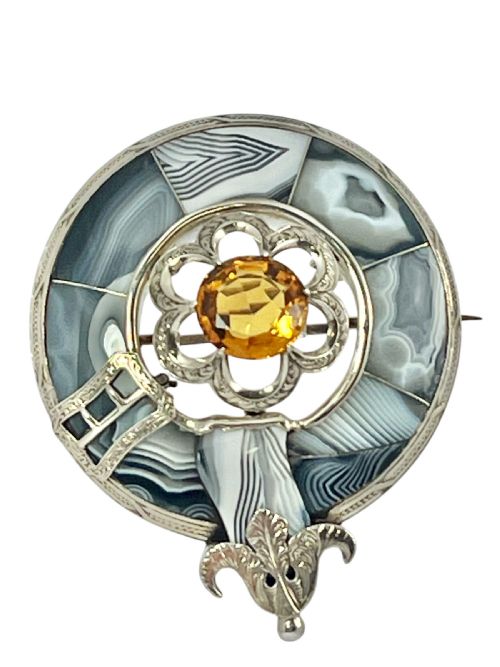
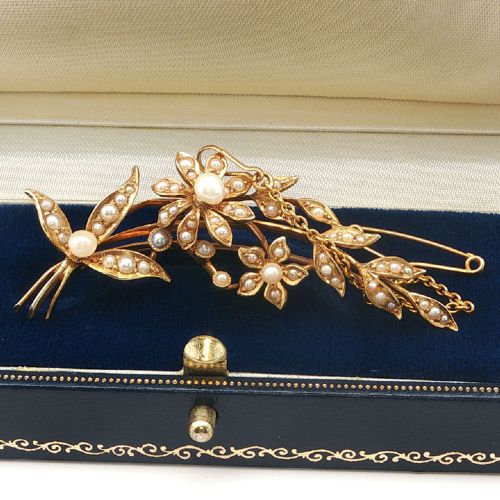
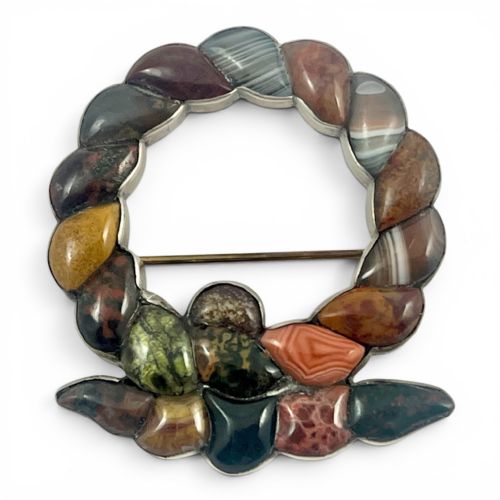
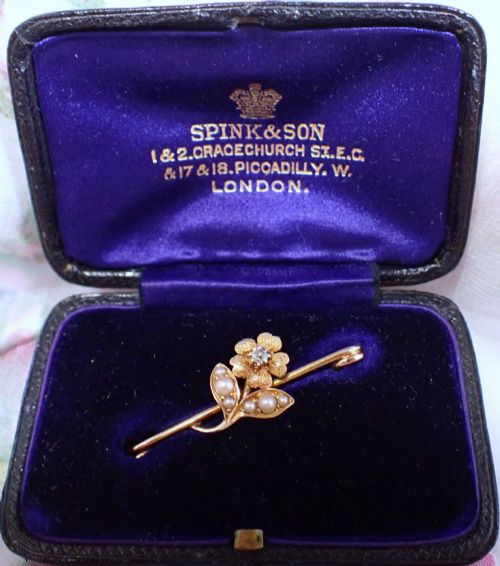
Victorian jewellery brooches range from delicate seed pearl flower sprays to substantial Scottish silver pebble pieces set with agate and citrine.
Victorian Jewellery Brooch
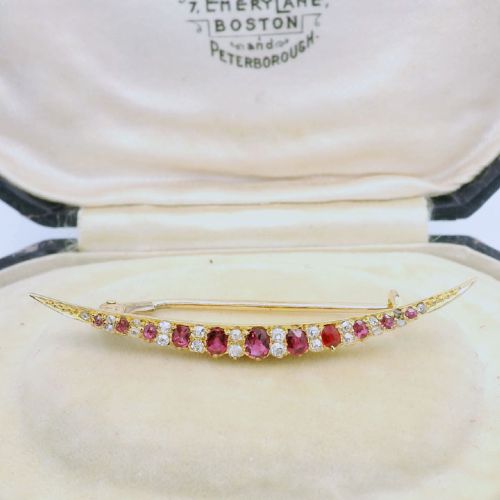
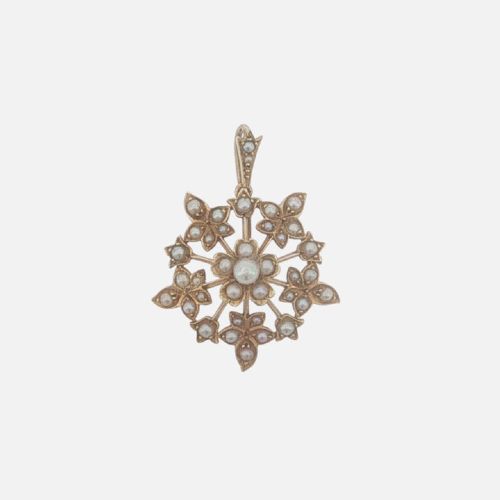
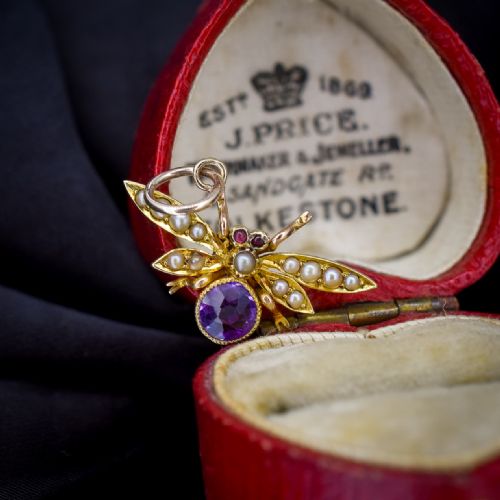
A victorian jewellery brooch is a wearable ornament fastened to garments with a pin, encompassing diverse regional and stylistic expressions from the nineteenth century. These pieces include floral sprays, insect charms, crescent designs, and convertible pendants that transition from neckwear to lapel pins.
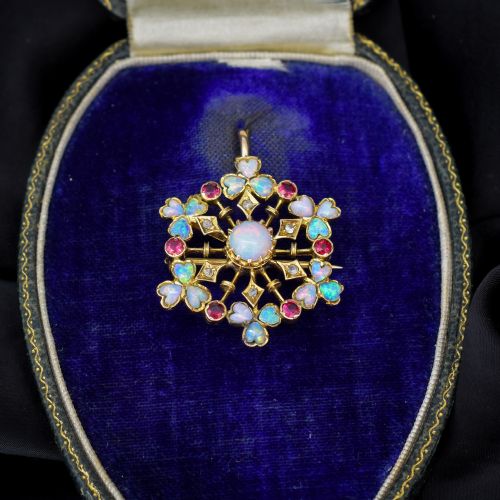
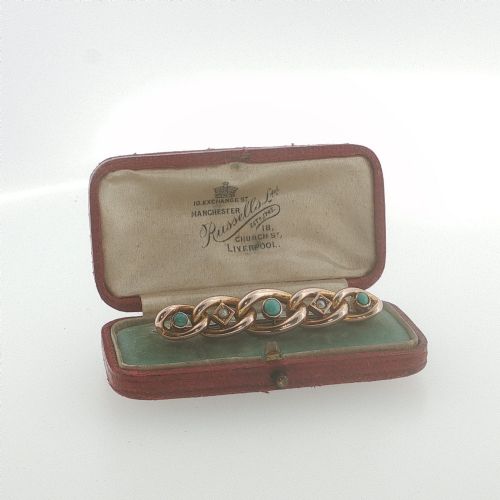
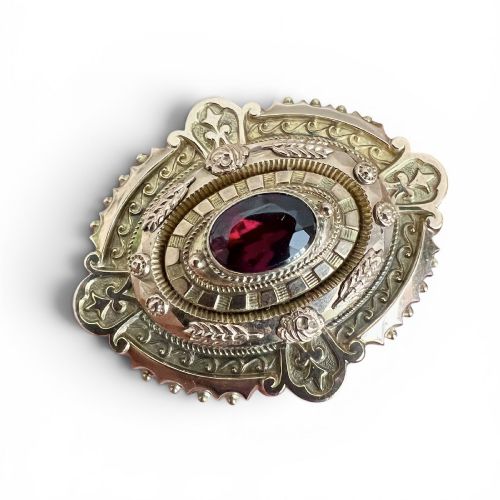
The pieces encountered most frequently span the Victorian, Edwardian, and nineteenth-century periods, alongside revivals drawing on Etruscan and Scottish motifs. Silver and gold predominate as the primary structural metals, frequently mounted with stones such as garnet, diamond, opal, and seed pearl.
How they were made
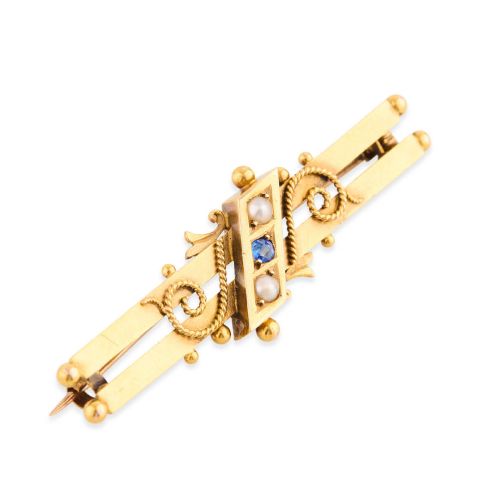
Metalsmiths constructed these items using silver, 9ct gold, 15ct gold, and occasionally higher purities like 18ct or 20ct gold, shaping them into bar brooches, lockets, and multi-stone clusters. Stone setting involved close collet work or delicate claw mountings to secure diamonds, rubies, garnets, and seed pearls.
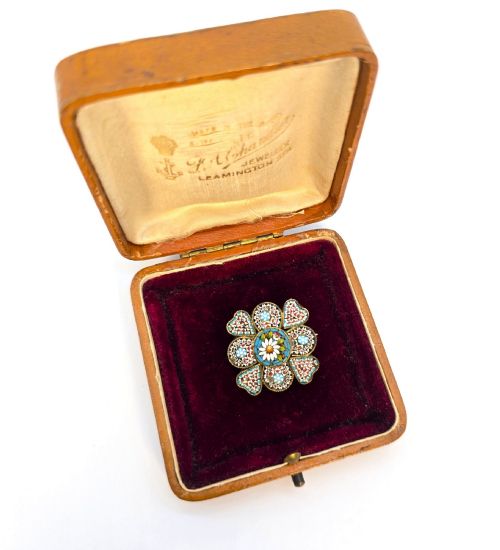
Specialised techniques include micro-mosaic assembly, hardstone carving for cameos and Scottish agate pebble work, and pique inlay on organic materials. Enamelling, foil-backing, and delicate wirework such as floral leaves or twisted rope borders complete the construction.
Materials documented across the inventory include silver, 15ct gold, rose gold, turquoise, almandine garnet, and agate.
What varies in quality
Construction substance separates lighter mass-produced items from sturdier examples, with higher carat gold weights and solid silver mounts providing superior structural integrity. The choice of materials dictates overall grade, ranging from simple paste and base alloys to natural opals, old-cut diamonds, and finely matched seed pearls.
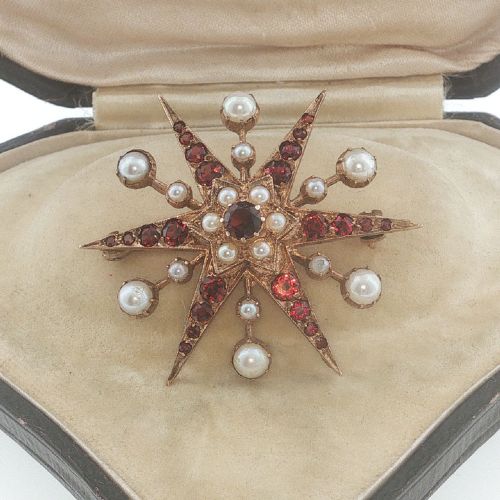
Artistic execution differentiates standard workshop output from exceptional examples, seen in the precision of micro-mosaic tesserae, the depth of shell cameo carving, and the exact symmetry of starburst or floral arrangements.
The Victorian Jewellery Brooch Glossary
- Seed pearl
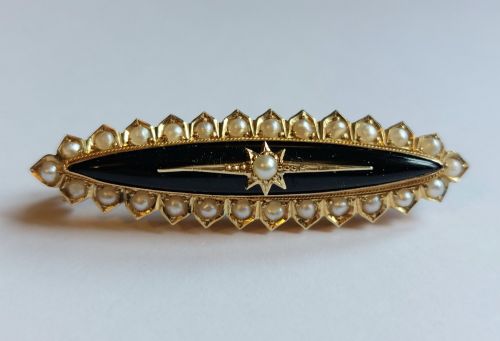
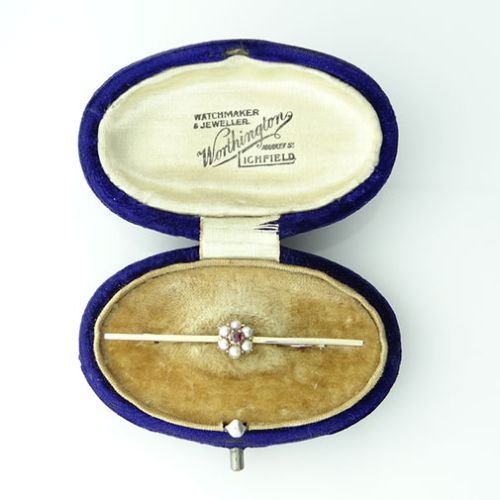
- Tiny, naturally occurring pearls utilised in clustered floral, starburst, and mourning designs. They require careful stitching or pegging to individual metal settings.
- Micro-mosaic
- A decorative technique formed from microscopic glass tesserae assembled into pictorial scenes like monuments or floral motifs. These miniature works required immense patience from Italian artisans.
- Agate
- A variety of chalcedony quartz cut and polished into geometric or shield shapes for Scottish pebble brooches. These stones reflect regional lapidary traditions of the nineteenth century.
- Cabochon
- A gemstone shaped and polished with a smooth, rounded dome rather than faceted edges. This cut highlights the rich colour of garnets and opals.
- Collet
- A raised collar of metal that encircles and secures a gemstone in place. This foundational setting style predates modern prong methods.
Victorian Jewellery Brooch: Frequently Asked Questions
How do I wear a antique brooch?
These pieces pin securely onto heavy wool coats, lapels, scarves, or thick knit sweaters. Many feature hidden loops allowing them to double as pendants on chains.
Ensure the pin stem engages properly with the safety clasp or C-catch mechanism before securing it to valuable garments.
How do I identify mourning jewellery?
Mourning items frequently incorporate dark materials such as black onyx, jet, or seed pearls arranged in sombre floral or geometric patterns. These pieces commemorated deceased loved ones during the nineteenth century.
Many incorporate locket compartments on the reverse designed to hold woven hair or miniature portrait photographs.
What is Etruscan Revival style?
Etruscan Revival ornaments draw inspiration from ancient archaeological excavations, featuring granulated gold work and classical motifs. Goldsmiths utilised yellow gold to replicate the distinct colour of ancient Mediterranean artefacts.
These designs often include heavy locket frames and applied wire decoration mimicking antiquity.