

Victorian Gold Pin
A victorian gold pin brings together fine metalwork and precious stones, offering a wearable piece of nineteenth-century design.
Victorian Gold Pin
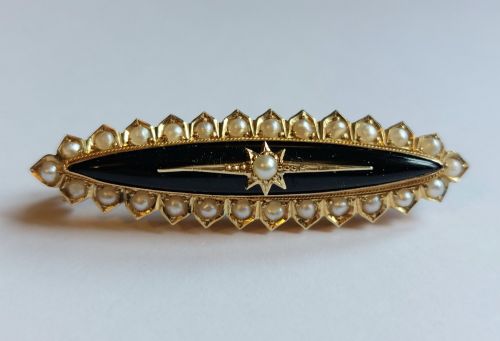
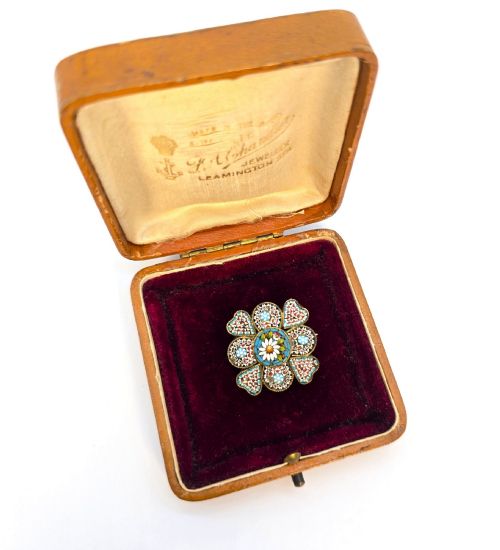
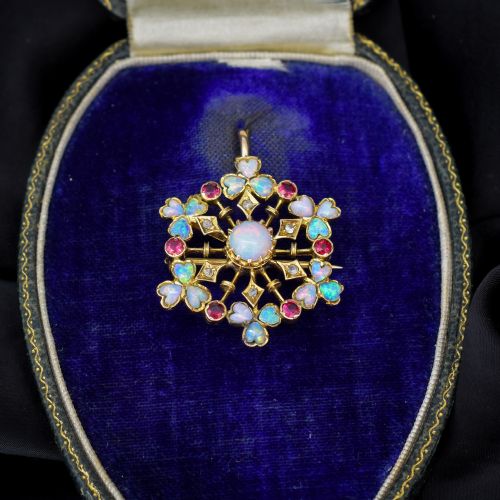
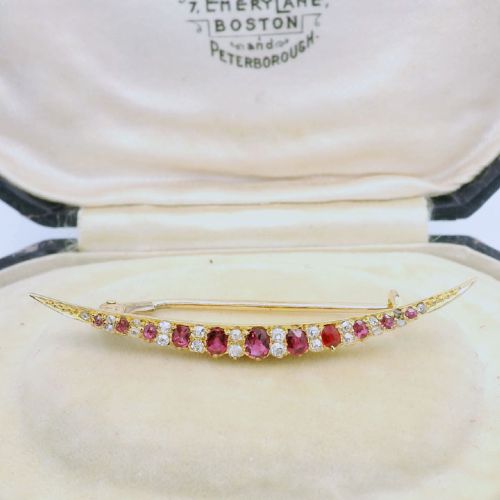
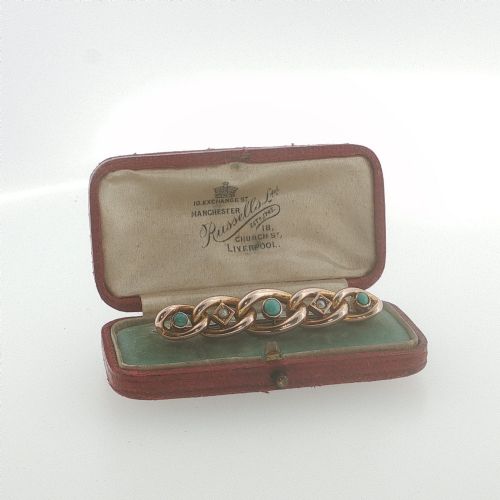
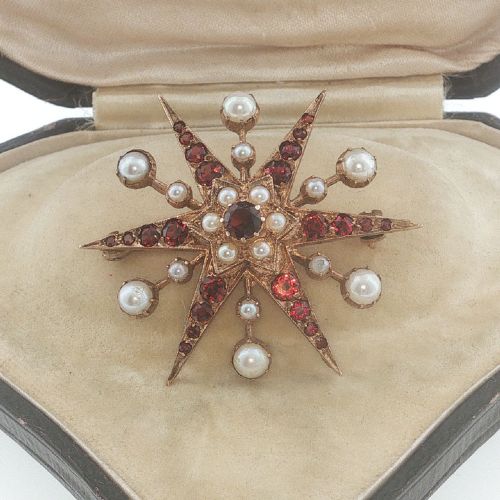
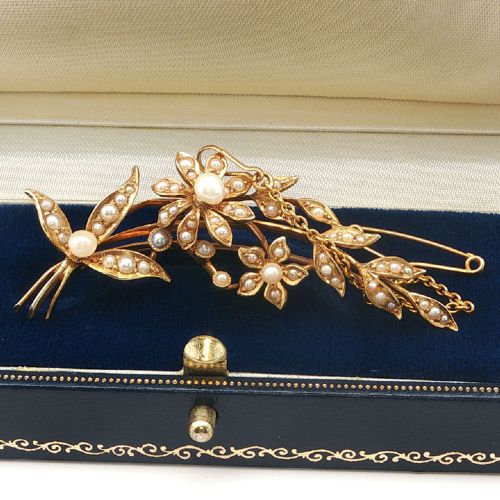
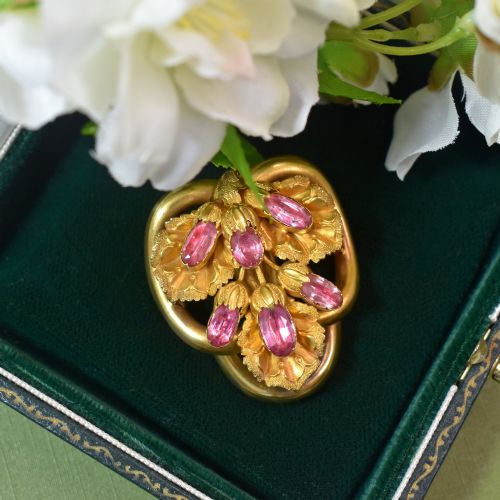
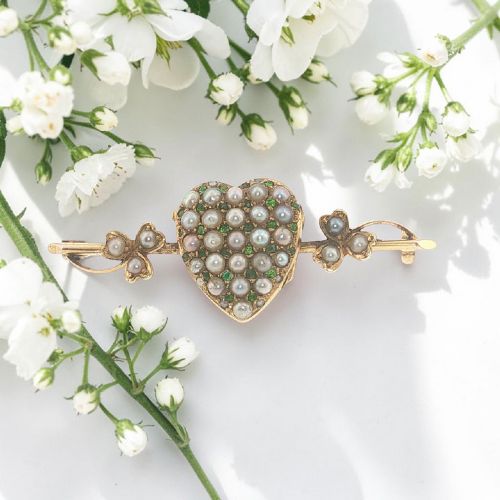
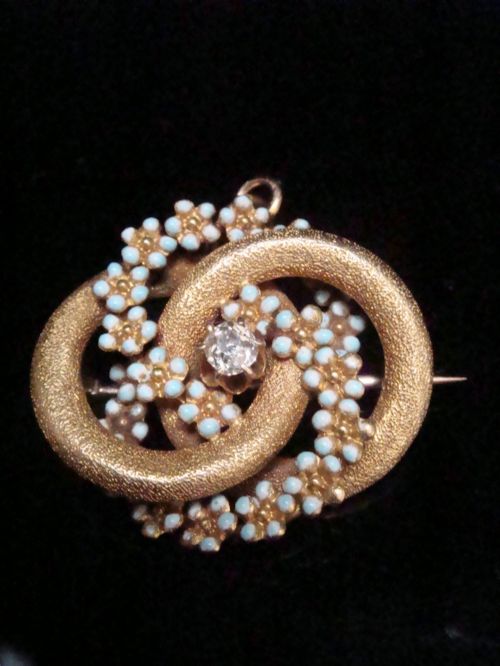
When searching for a victorian gold pin, a buyer encounters a diverse selection of brooches, stick pins, and bar brooches spanning the nineteenth and early twentieth centuries. These ornaments range from modest nine-carat yellow and rose gold fastenings to substantial fifteen-carat and eighteen-carat gold pieces set with diamonds, garnets, pearls, and turquoise. Common forms include floral sprays, starbursts, crescent moons, and micromosaics depicting classical Italian scenes.
The inventory also includes figurative subjects such as beetles, birds, and horseshoe motifs, alongside hardstone cameos and micromosaic plaques. Many examples function as both brooches and pendants, featuring integrated loops for chains alongside hinged pin stems and C-clasps. The surviving items reflect both domestic British craftsmanship and continental European centres like Paris and Rome.
How They Were Made
Goldsmiths of the period typically worked with nine-carat, fifteen-carat, and eighteen-carat gold, shaping the metal through casting, wire-drawing, and repoussé techniques. Stones were hand-set into collets, with rose-cut diamonds, seed pearls, almandine garnets, and turquoise secured by tiny individual claws or bezel walls. Micro-mosaics and shell cameos were carved or assembled separately before being mounted into gold bezels.
Surface decoration frequently incorporated coloured enamel, chased foliage, and applied gold wirework in revivalist styles such as Etruscan or Neoclassical. Pins and hinges were hand-soldered to the reverse, often utilising rolled gold or silver components for structural strength where necessary.
Victorian Gold Pin Retail Price Guide 2026
Typical asking prices for victorian gold pin among the pieces listed under this phrase on Sellingantiques today, from the lower quarter to the upper quarter. They describe what is for sale here now, not the wider market.
Listings feature fifteen-carat gold frequently, alongside nine-carat and eighteen-carat variations set with diamonds, garnets, and pearls.
What Varies in Quality
Quality in these ornaments rests on the depth of the metalwork, the choice of stones, and the precision of the assembly. Superior pieces feature higher carat gold content, clean gemstone matching, and intricate hand-carved details on cameos or micro-mosaics. Lesser examples rely on stamped components, hollow forms, or paste substitutes rather than natural gems.
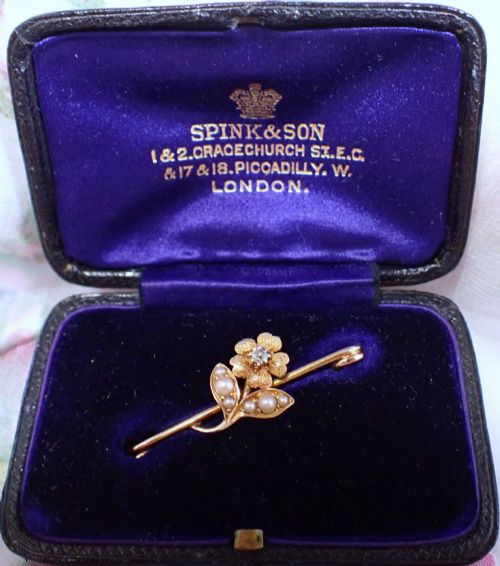
The integrity of the original pin mechanism, hinge, and safety fastening also marks the distinction between everyday production and master-level workshop output. Surviving maker marks, original fitted cases, and documented provenance further elevate specific items above standard commercial work.
G. Colani
The Victorian Gold Pin Glossary
- Bar brooch
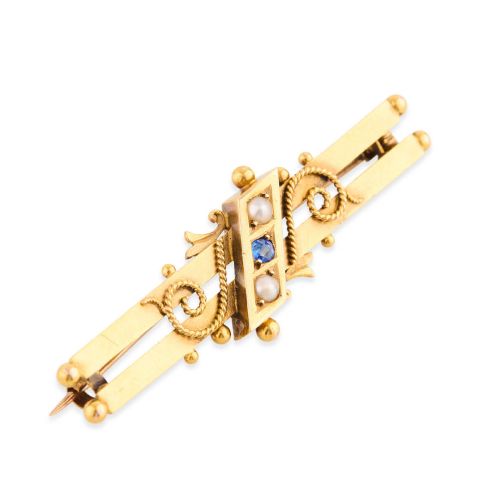
- A narrow horizontal metal rod mounting stones or decorative motifs in the centre. This form remained popular throughout the nineteenth century.
- Seed pearl
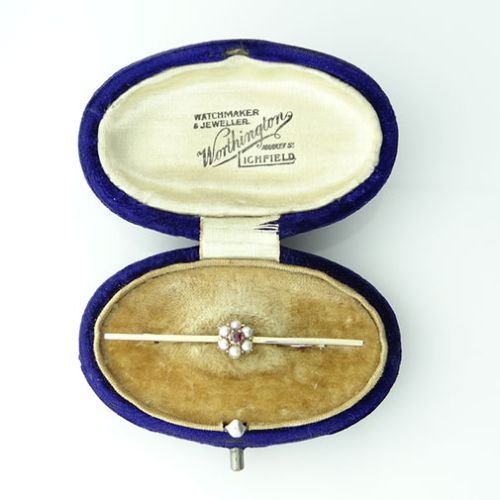
- A tiny, naturally occurring pearl, often drilled and threaded onto silk or wire in clusters. These small pearls create delicate floral and star patterns.
- Micro-mosaic
- An image constructed from thousands of minuscule coloured glass tesserae fused together. Such plaques commonly portray Italian architectural landmarks.
- Carbuncle
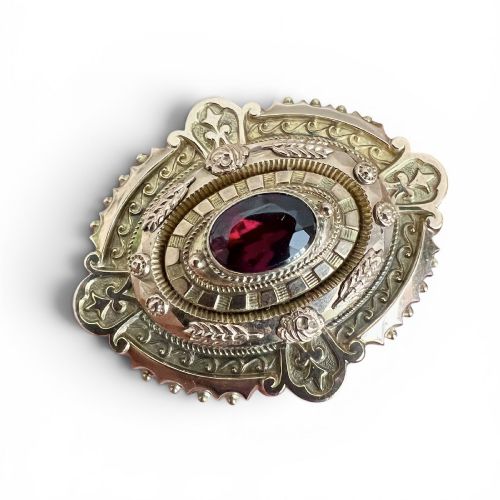
- A cabochon-cut garnet with a smooth, rounded top and a hollowed back. This treatment deepens the dark red hue of the stone.
- Collet
- A raised metal band or collar that encircles and secures a gemstone. It forms a neat border around the edge of the stone.
Victorian Gold Pin: Frequently Asked Questions
How do I wear a victorian gold pin safely today?
These pieces suit heavy fabrics like wool coats, structured scarves, or thick lapels where the weight of the gold and stones receives adequate support. Securing the pin through multiple threads prevents the stem from pulling or tearing delicate modern textiles.
Checking that the safety catch or C-clasp holds the pin firmly in place ensures the ornament remains secure during wear. When removing the pin, guide the point carefully clear of the catch without bending the thin metal stem.
What is the difference between a brooch and a stick pin?
Brooches are broader ornaments featuring a hinged pin and clasp across the back, designed to lie flat against clothing. They often display larger stone clusters, cameos, or dangling pendants.
Stick pins consist of a decorative head mounted on a long, straight metal pin intended to pierce cravats, ties, or lapels. They rely on a small removable cap or guard at the sharp end to keep them in place.
How can I tell if the gold is genuine nineteenth-century work?
Nineteenth-century British pieces frequently display hallmarks indicating the gold carat, assay office, and date letter. Common standards for the era include nine-carat, fifteen-carat, and eighteen-carat gold.
Unmarked items require careful inspection of construction methods, such as hand-cut collets, soldered pin plates, and tool marks characteristic of manual bench work. Consulting a specialist or examining the piece alongside known dated examples helps confirm the period.
How should I clean and store my pin?
Use a soft, dry microfibre cloth to wipe away surface dust and skin oils after wearing. Avoid liquid dips or harsh chemical cleaners, as these can damage softer organic gems like pearls, turquoise, and coral.
Store each piece individually in a lined box or a fabric pouch to prevent the metal and stones from scratching neighbouring items. Keeping them away from direct sunlight and damp environments preserves the integrity of the gold and any delicate adhesives.