




Antique Bird Brooch
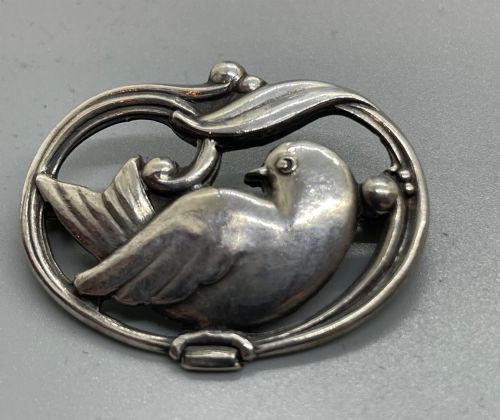
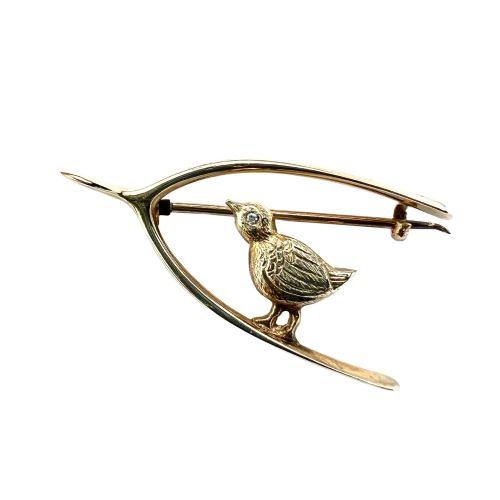
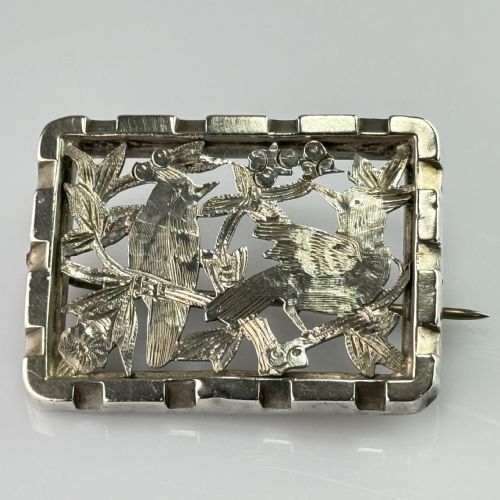
An antique bird brooch brings miniature avian form to the lapel, combining period gemstones and precious metals in enduring avian subjects.
Identifying an antique bird brooch
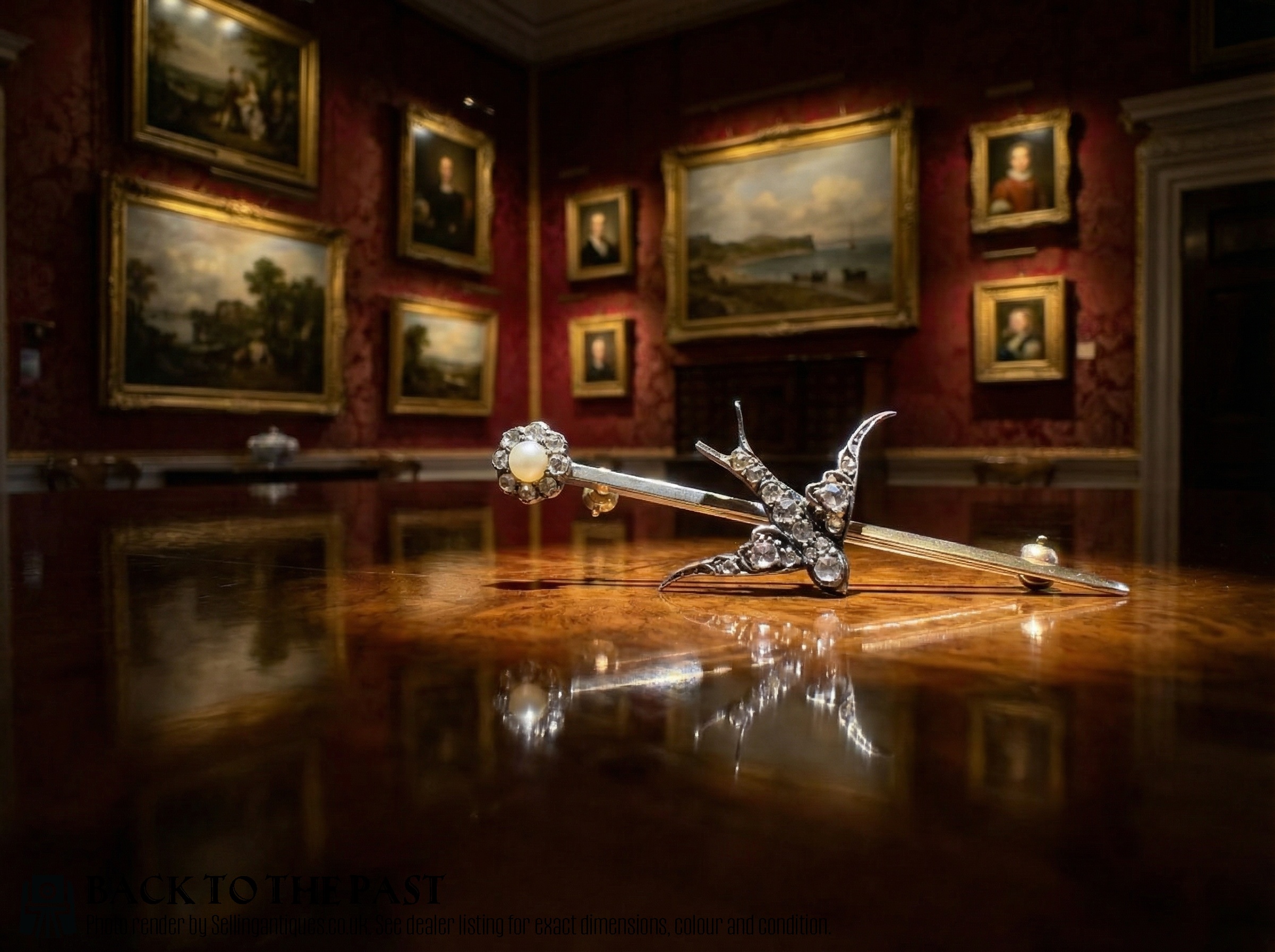
When you search for an antique bird brooch, you encounter swallows, ducks, and cockerels rendered in precious metals and set with gems. These miniature ornaments capture avian anatomy through bar and crescent forms designed for daily wear on lapels and collars.
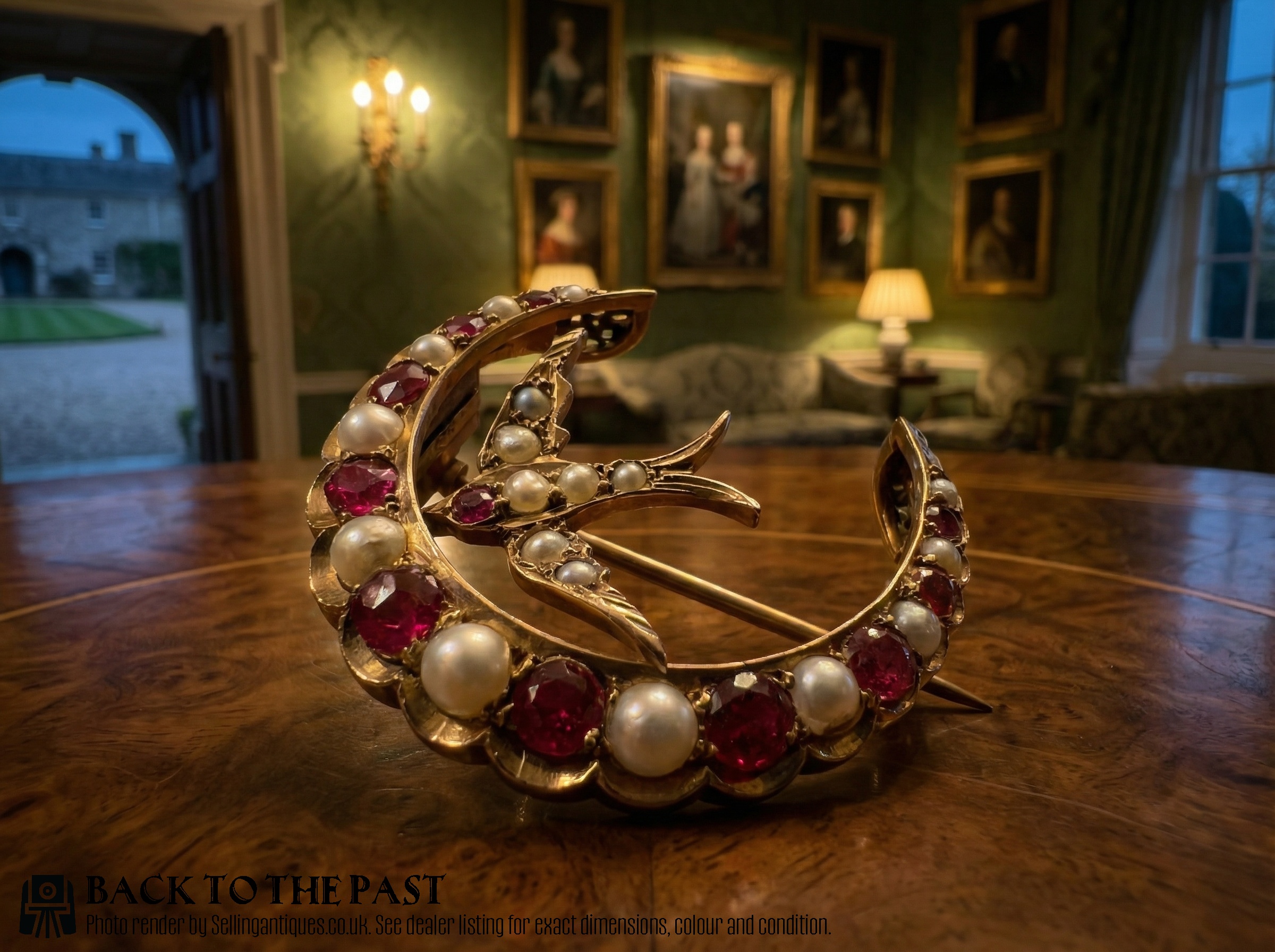
The pieces listed on this page predominantly reflect the Edwardian era and the year 1900, alongside late Victorian examples. Swallows and crescent motifs dominate the available selection, often accompanied by seed pearls, rose-cut diamonds, and vibrant enamel work.
Earlier archive records demonstrate that Victorian makers also mounted Scottish bird taxidermy in silver settings. Such variety shows how jewellers of the late nineteenth and early twentieth centuries continuously reinterpreted feathered subjects using both precious materials and natural specimens.
Materials and construction
Goldsmiths utilised fifteen-carat gold, nine-carat gold, and fourteen-carat yellow gold as the structural foundation for these jewels. Silver mounts also appear, particularly in earlier Scottish taxidermy pieces where metal frames secure the organic specimens.
Surface decoration relies heavily on polychrome enamel to render naturalistic plumage and colourful bird bodies. Gemstone embellishments incorporate seed pearls, tiny rubies, and rose-cut diamonds set flush or in claw settings along the wings and tails.
Retail Price Guide 2026
Typical UK retail prices for bird brooch, calculated from the Sellingantiques database of over a million retail prices indexed since 2003. This retail price guide relies exclusively on Sellingantiques data; no external sources or auction records are used, so the figures do not describe the wider market.
The listings show items from the Edwardian period and the year 1900, alongside Victorian pieces.
Factors of quality
The artistry of an antique bird brooch rests on the fidelity of its avian carving and the precision of its enamel work. Finer examples display meticulous shading in the enamel and balanced proportions that echo actual bird anatomy rather than generic silhouettes.
Gemstone selection similarly divides standard production from superior pieces. The brilliance of rose-cut diamonds and the matching uniformity of seed pearls or rubies elevate the visual impact of the metalwork beneath them.
The Antique Bird Brooch Glossary
- Bar brooch
- A narrow horizontal pin featuring a central decorative motif, common in Edwardian jewellery for securing scarves and collars.
- Crescent brooch
- A curved ornament shaped like a moon, frequently utilised in the late Victorian and Edwardian periods to frame central bird figures.
- Rose-cut diamond
- An antique gemstone cut with a flat base and a domed crown of triangular facets, yielding a softer sparkle than modern brilliant cuts.
- Seed pearl
- A tiny, naturally occurring pearl often drilled and strung or used in tight pavé clusters on nineteenth-century brooches.
- Taxidermy brooch
- An unconventional Victorian piece incorporating preserved animal or bird parts mounted within a protective metal frame.
Frequently Asked Questions
What birds appear on these brooches?
Swallows, ducks, and cockerels form the primary avian subjects found across the listed inventory. These specific birds held strong symbolic meanings and popular appeal during the Victorian and Edwardian eras.
Makers translated their forms into precious metal, enamel, and gemstones to create recognisable miniature portraits.
How do I date an antique bird brooch?
Dating relies on examining the metal alloys, gemstone cuts, and overall stylistic markers present in the piece. Edwardian examples often feature light platinum or gold work with rose-cut diamonds, while Victorian pieces may employ heavier silver mounts.
Comparing the closure mechanisms and pin fittings against known period standards also aids in establishing a precise timeframe.
Were these brooches worn daily?
Victorian and Edwardian wearers pinned these ornaments to lapels, cravats, and hats as standard daily accessories. Their durable gold and silver construction suited regular fastening to heavy woollen and silk garments.
Sturdy pin stems and secure safety catches ensured the jewellery remained safely attached during movement.
What is a swallow brooch symbolic of?
Swallows historically symbolised loyalty, safe return, and enduring affection in nineteenth-century sentimentality. Jewellery makers incorporated these migratory birds into crescent designs to convey romantic or personal messages.
The inclusion of diamonds and pearls enhanced the decorative value of these symbolic gifts.