


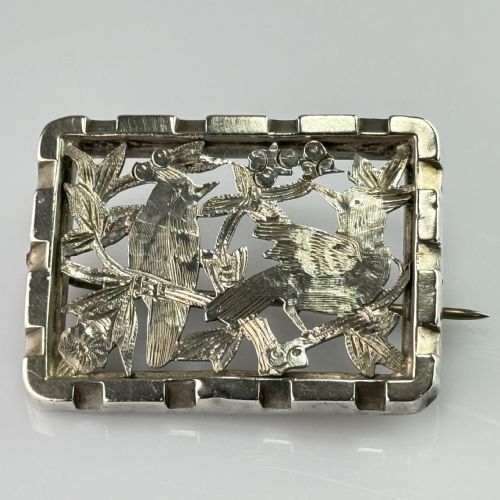


Victorian Bird Pin
These victorian bird pin items bring together feathered subjects and period craftsmanship, prized for their fine detail and lasting miniature artistry.
Victorian Bird Pin
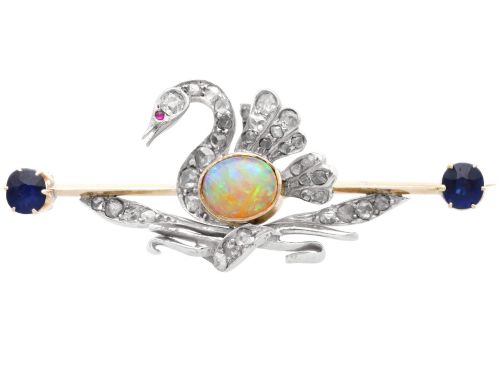
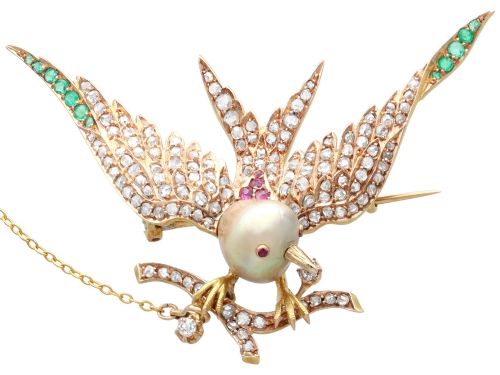
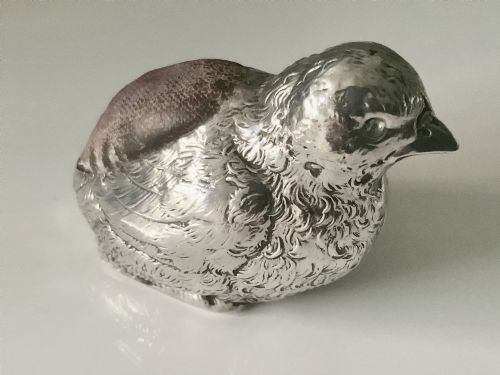
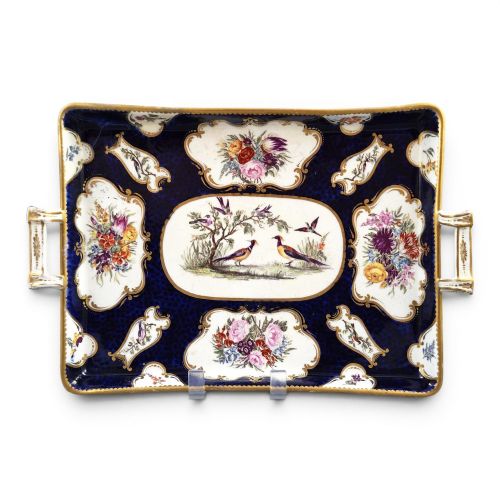
A victorian bird pin encompasses a range of wearable jewellery and decorative desk items, with swallows, ducks, cockerels, and pheasants dominating the forms. Most pieces on offer take the shape of bar brooches, crescent brooches, or sculptural silver pin cushions shaped like birds.
The selections span the Victorian and Edwardian eras, reaching from the eighteen-eighties into the early twentieth century. Makers of the period utilised natural motifs to symbolise love and fidelity, resulting in intimate accessories that remain collectable today.
Brooches frequently combine nesting birds, love birds, or birds of paradise into compact compositions. Alongside these wearable jewels, functional desk objects such as silver pin cushions and sewing clamps appear regularly.
How they were made
Metalsmiths constructed these pieces primarily in silver, sterling silver, yellow gold, fifteen-carat gold, and eighteen-carat gold, often pairing gold and silver settings to enhance the brilliance of mounted stones. Gilded metal and silver plating also served for larger domestic objects like pin cushions and sewing clamps.
Goldsmiths embellished the avian subjects with rose-cut diamonds, rubies, pearls, and polychrome enamel to render plumage and colour with realism. Hand-painted stained glass and wirework appear in related domestic pieces from the period.
Listings feature silver, gold, rubies, pearls, and diamonds set into brooches and pin cushions across Victorian and Edwardian periods.
What varies in quality
The refinement of the engraving and the naturalism of the bird's form separate standard items from finer works. Master jewellers captured feather texture and posture with subtle precision.
The selection and matching of gemstones, particularly pearls and small diamonds, dictate the distinction of a piece. Intricate enamel work and secure stone settings indicate higher workshop standards.
The Victorian Bird Pin Glossary
- Bar brooch
- A horizontal pin featuring a central decorative motif, commonly used during the Victorian and Edwardian periods.
- Pin cushion
- A small domestic object, frequently modelled in the shape of birds like pheasants or ducks using silver.
- Rose-cut diamond
- An antique diamond cut characterised by a flat base and a faceted dome, typical of nineteenth-century jewellery.
- Crescent brooch
- A curved piece of jewellery shaped like a moon, often ornamented with alternating gems and birds.
Victorian Bird Pin: Frequently Asked Questions
What materials are used in these items?
The items incorporate precious metals such as yellow gold, fifteen-carat gold, sterling silver, and gilded metal alongside supportive brass or wire structures.
Gemstones including rubies, seed pearls, and rose-cut diamonds frequently accent the metalwork, paired with enamel for colour.
How do I date a piece?
Dating relies on stylistic markers, metal purity standards, and manufacturing techniques recorded across the Victorian and Edwardian eras. Brooches from the eighteen-eighties often display distinct Victorian sentimentality, while nineteen-hundreds examples reflect lighter Edwardian tastes.
Documentation and hallmarks, where present, help confirm the period of manufacture for both jewellery and silver objects.
Were these items worn daily?
Wearers utilised bar and crescent brooches as everyday dress accessories to fasten garments or adorn lapels during the nineteenth and early twentieth centuries.
Domestic pin cushions and sewing clamps served practical functions on sewing tables and desks rather than as personal adornment.
How should I care for enamel and pearls?
Enamel requires protection from sharp impacts and abrasive cleaners to preserve the coloured glass surface. Pearls benefit from gentle wiping with a soft cloth and should be kept away from harsh chemicals and cosmetics.