



Victorian Animal Jewellery
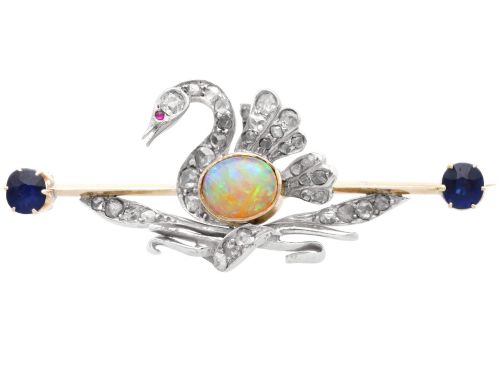
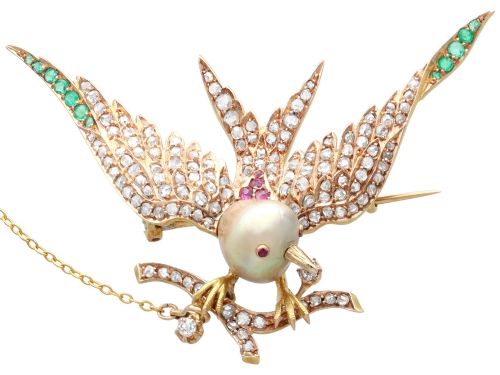
Victorian animal jewellery captures the period's fascination with nature through crafted brooches, charms, and pendants rendered in precious metals and gemstones.
Victorian Animal Jewellery
Victorian animal jewellery comprises ornamental pieces fashioned into the likeness of creatures, drawing from biological forms and mythical beasts alike. When exploring victorian animal jewellery, buyers encounter a range of wearable items designed to pin to garments or suspend from chains.
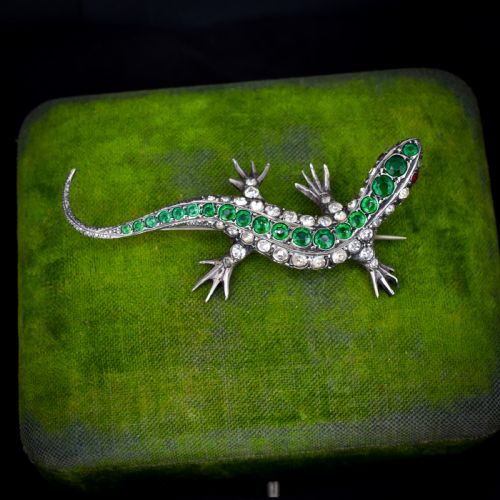
The selections span from brooches shaped as lizards, ducks, monkeys, turtles, and cockerels to charms, pendants, and novelty pencils. These items appear across periods including the broader Victorian era, late Victorian times, Edwardian years, and specific decades such as eighteen-eighty.
Forms include dimensional charms featuring pigs, bears, and elephants alongside flat or bar brooches adorned with paste, enamel, and gemstones. Many incorporate functional elements like fob seals and split rings while celebrating the natural world.
Materials and Construction
Metals form the structural foundation of these pieces, utilising silver, yellow gold in various carats such as nine, twelve, fourteen, and eighteen, gold gilt, and gold cased alternatives. Artisans shaped these precious metals into realistic animal anatomies and secure settings.
Gemstones and decorative mediums bring the creatures to life through the application of rubies, diamonds, emeralds, peridots, paste stones, hardstones like chalcedony and mother of pearl, and coloured enamel. These materials are set into the metal bodies to highlight eyes, plumage, and decorative accents.
Even a brassy little pig charm manages to look suspiciously pleased with itself after a century or two.
Assessing Quality and Execution
Quality reveals itself in the naturalism of the animal form and the precision of the metalwork, distinguishing simple castings from finely articulated sculptures. The careful integration of smaller components, such as articulated limbs or engraved fur and feather details, separates standard items from superior examples.
The selection and setting of stones also drive differentiation, where matched rubies, diamonds, or high-grade enamels demonstrate higher craftsmanship. Pieces bearing maker details or specific regional origins reflect distinct tiers of workshop output.
Hamilton and Co Calcutta
The Victorian Animal Jewellery Glossary
- Brooch
- An ornamental piece attached to clothing with a pin and catch mechanism. Many animal designs utilise this format to display creatures across a lapel or bodice.
- Paste
- Hand-cut glass utilised to imitate precious gemstones. Green paste appears frequently in lizard depictions to mimic emerald scales.
- Fob Seal
- A small pendant featuring an intaglio design used traditionally for stamping wax. Examples in this category incorporate carved hardstone like chalcedony shaped as animals.
- Enamel
- Vitrified glass fused to metal through heat to add colour. This technique renders realistic plumage and markings on avian and reptilian subjects.
- Split Ring
- A circular metal fastener formed from overlapping wire coils. These secure multiple charms or pendants together safely.
Victorian Animal Jewellery: Frequently Asked Questions
What animals appear in this jewellery?
The designs incorporate a diverse menagerie ranging from domestic and farm animals to wild beasts and mythical creatures. Common motifs include pigs, bears, elephants, lizards, monkeys, ducks, turtles, cockerels, and griffon chimeras.
These subjects reflect nineteenth-century interests in zoology, symbolism, and novelty. Artisans adapted each creature into specific functional objects like brooches, charms, and pendants.
How were these pieces worn?
Victorian animal pieces served primarily as personal adornments fastened to daily attire. Brooches were pinned directly to jackets, dresses, or hats, while charms and pendants hung from watch chains or necklaces.
Some items fulfilled secondary practical purposes alongside decoration. Examples include novelty pencils shaped as boars and fob seals carved from chalcedony.
What metals are used?
Makers employed a variety of precious metals depending on the piece and period. Silver and yellow gold in different carats are standard, alongside gold gilt and gold cased constructions.
These metals provided durable foundations for mounting gemstones and enamel. The choice of metal often aligns with the overall design complexity and the era of production.
How do I care for antique jewellery?
Preserving these items requires gentle handling due to their delicate materials and age. Enamel, paste stones, and softer organic materials like mother of pearl or pearls benefit from protection against harsh chemicals, moisture, and impact.
Cleaning should be performed with soft cloths rather than liquid immersion or ultrasonic machines. Proper storage in dedicated compartments prevents scratching between metal and gemstone components.