


Antique Novelty Pin
These antique novelty pin pieces transform domestic sewing gear into miniature animals, vehicles, and everyday objects.
Antique Novelty Pin
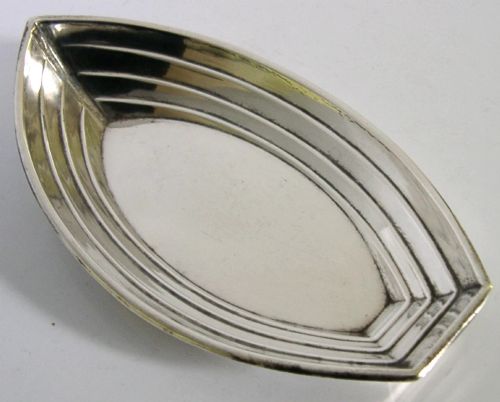
When you search for an antique novelty pin, you encounter miniature figural items designed primarily as pin cushions or decorative brooches. The selection spans the Victorian, Edwardian, and George V periods, featuring distinctive animal and object forms.
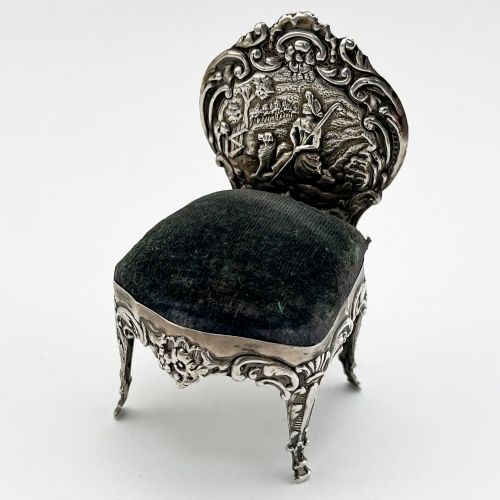
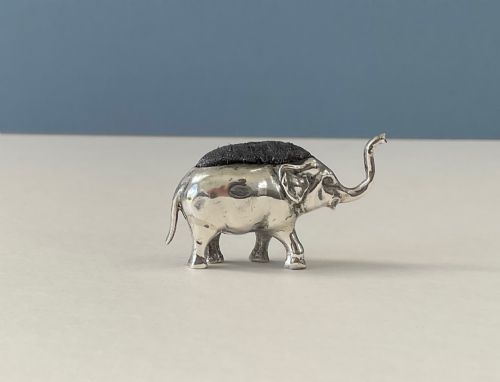
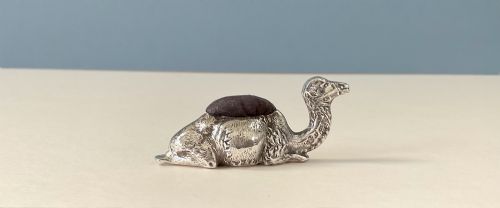
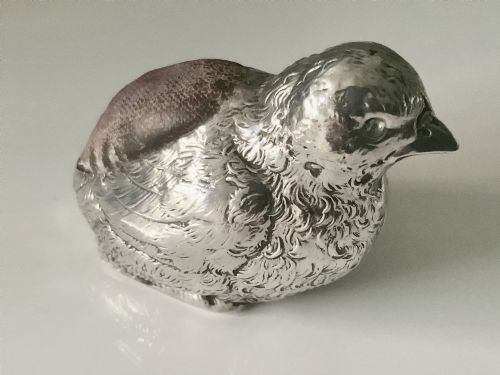
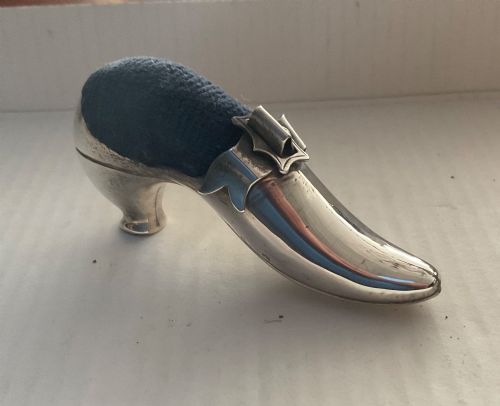
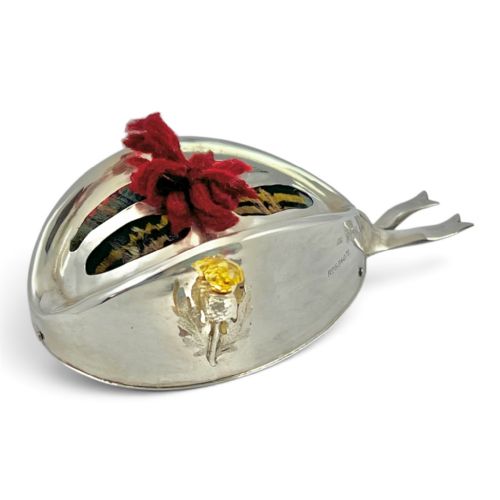
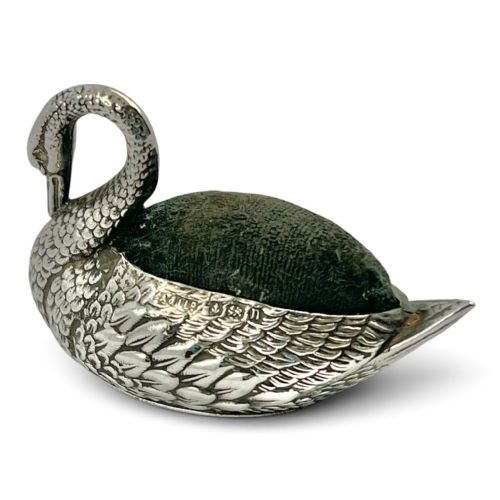
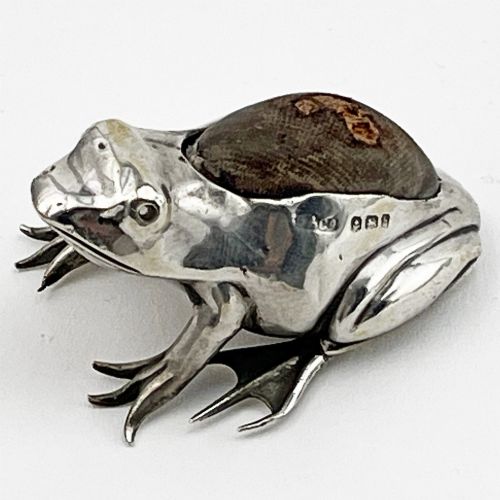
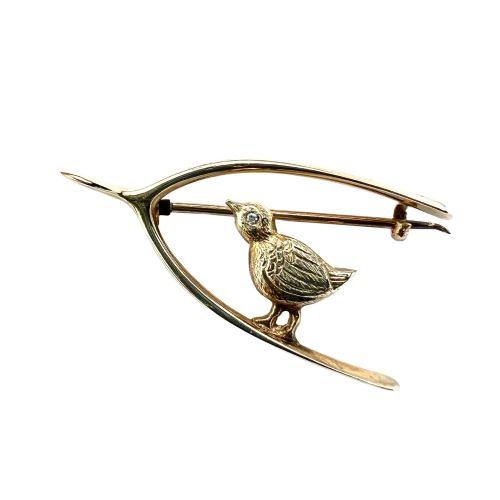
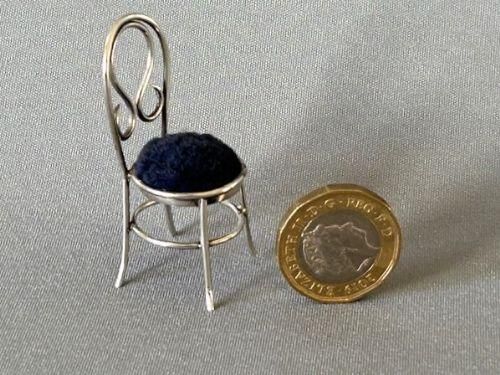
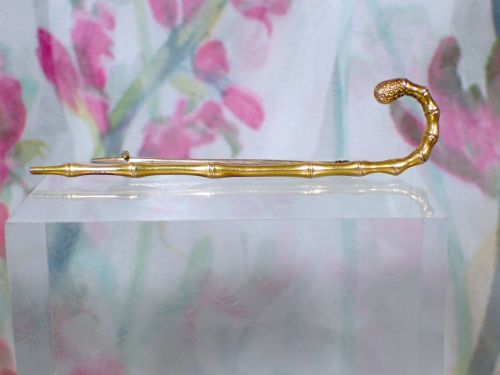
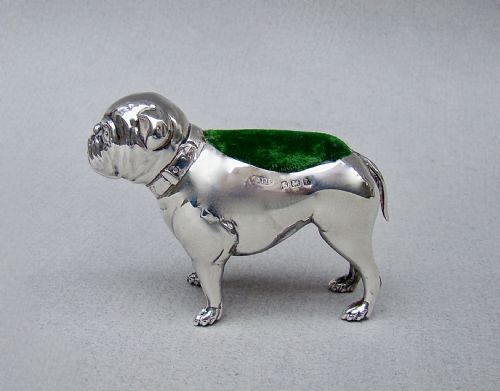
Pin cushions take the shape of seated camels, pigs, bulldogs, birds, shoes, and wheelbarrows, often rendered in silver. Brooches incorporate elements like lucky wishbones, bicycles, and walking sticks set with gold, diamonds, and rubies.
Materials and construction
Silversmiths utilised sterling silver and solid silver to press, cast, and hand-chase intricate figural bodies such as swans, frogs, and railway lamps. Internal compartments frequently retained original fabric or velvet inserts to hold pins securely.
Gold variants combined 9ct and 15ct yellow gold with precious stones including diamonds and rubies. Artisans also worked with brass, spelter, and pressed metal to achieve detailed functional elements like working wheels.
Listings feature silver, gold, brass, and fabric materials spanning the Victorian, Edwardian, and George V eras.
Factors separating tiers
The degree of anatomical and mechanical detail distinguishes superior items from simpler work, particularly in animal forms where feather, fur, and facial expressions demand precise hand-chasing. Maker attribution plays a role, with documented pieces carrying distinct marks from established silversmiths.
The survival of original fabric inserts inside pin cushions and the integrity of moving components, such as working wheels on bicycles or carts, determine the preservation standard across the range.
Adie & Lovekin·Charles Horner·Sampson Mordan & Co·Mappin & Webb·Wallace
The Antique Novelty Pin Glossary
- Pin Cushion
- A small domestic accessory stuffed with fabric or velvet to hold sewing pins. These items often took whimsical figural shapes.
- Hallmark
- An official stamp applied to precious metals indicating the assay office, standard of purity, and year of manufacture. British pieces frequently display these stamps on the base or body.
- Spelter
- An alloy of zinc and copper utilised for cast figural objects and decorative items. It provided an economical alternative to solid silver.
- Brooch
- A decorative jewellery item designed to be attached to clothing, frequently incorporating precious stones and gold work.
Antique Novelty Pin: Frequently Asked Questions
What were antique novelty pin cushions used for?
These pieces served practical domestic functions on dressing tables and sewing desks by keeping pins and needles organised. Wealthy households valued them for their decorative whimsy as much as their utility.
Victorian and Edwardian owners displayed them alongside other vanity items, turning mundane sewing tools into conversation pieces. Their sculptural forms reflected contemporary fascination with animal subjects and everyday machinery.
How do I date an Edwardian silver pin cushion?
Dating relies heavily upon official hallmarking stamps pressed into the silver, which record the assay office and specific year of production. Stylistic markers from the Edwardian era, such as naturalistic animal modelling, also help narrow the timeframe.
Comparing the object to recorded production periods between 1901 and 1910 provides further confirmation. Maker marks often point to specific workshops operating during these decades.
Are the cushions on these items original?
Many surviving pieces retain their original velvet or fabric inserts nestled inside the silver or brass bodies. Over decades of use, some cushions experienced wear and required period-appropriate textile replacements.
Examining the tightness of the fit and the type of fabric helps determine whether the material matches the manufacturing era of the metal housing.
How should I display a figural pin cushion?
These miniature sculptures suit flat surfaces in cabinets or on display shelves where their detailed chasing can be observed closely. Keeping them away from direct moisture protects the internal fabric and any exposed metal surfaces.
Grouping items by theme, such as transport or animal forms, highlights the variety of subjects produced by early twentieth-century silversmiths.