
Antique Lavalier Pendant
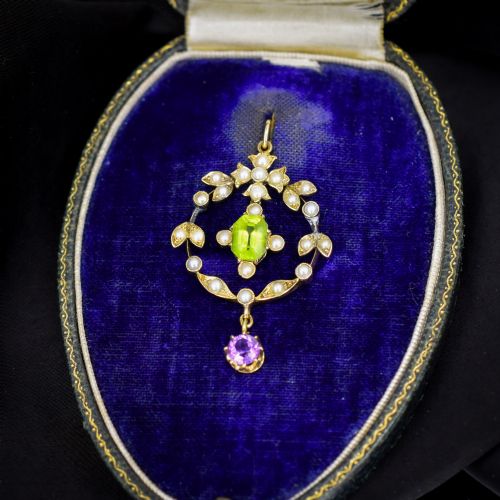
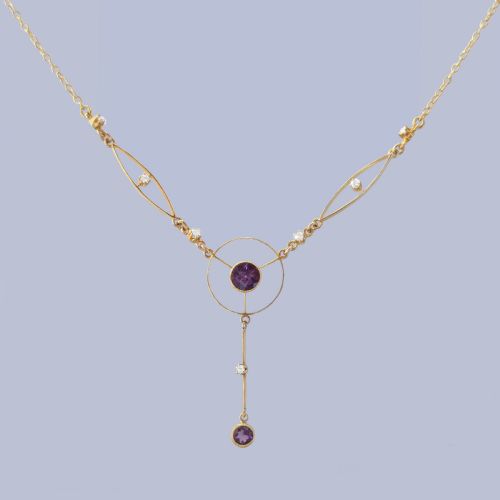
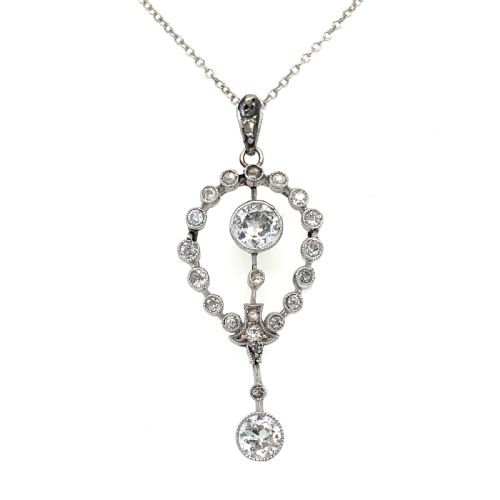
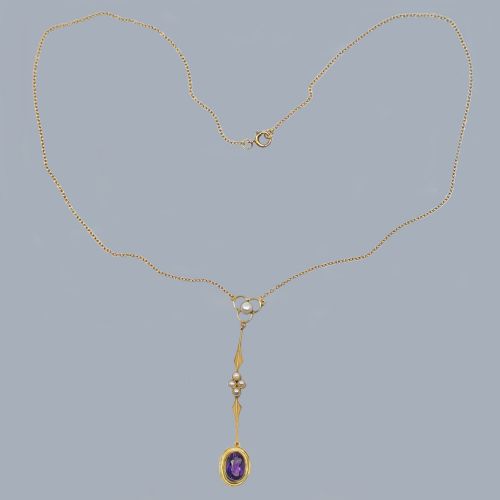
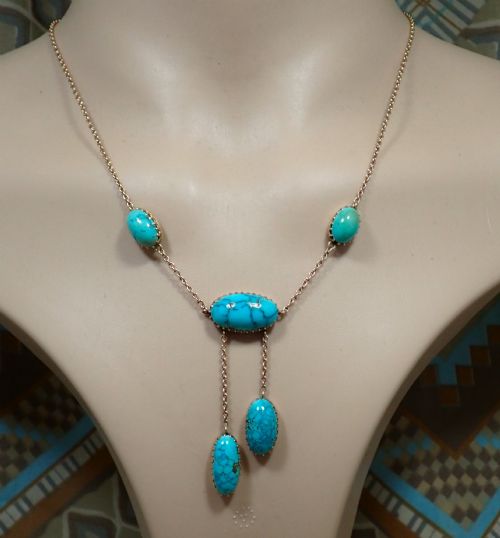
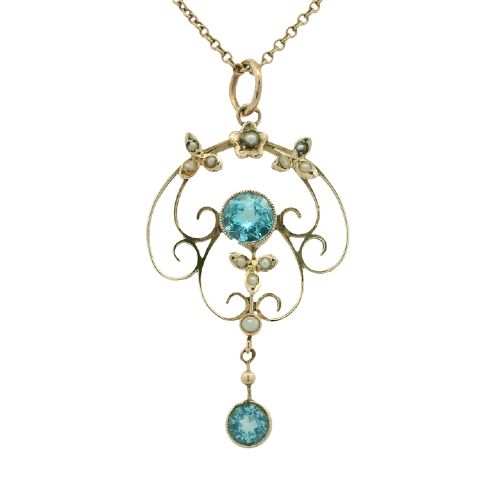
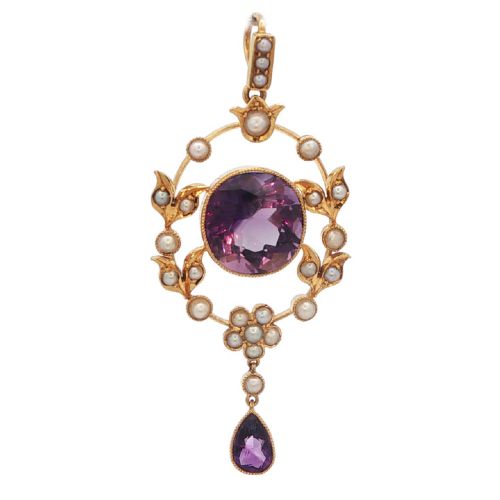
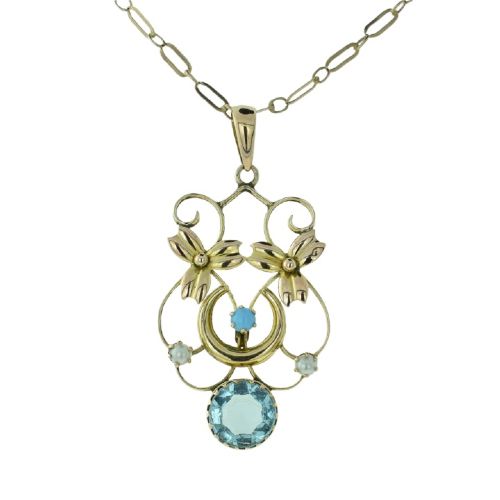
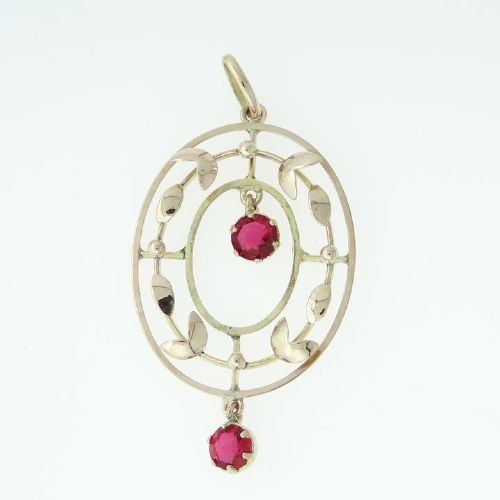
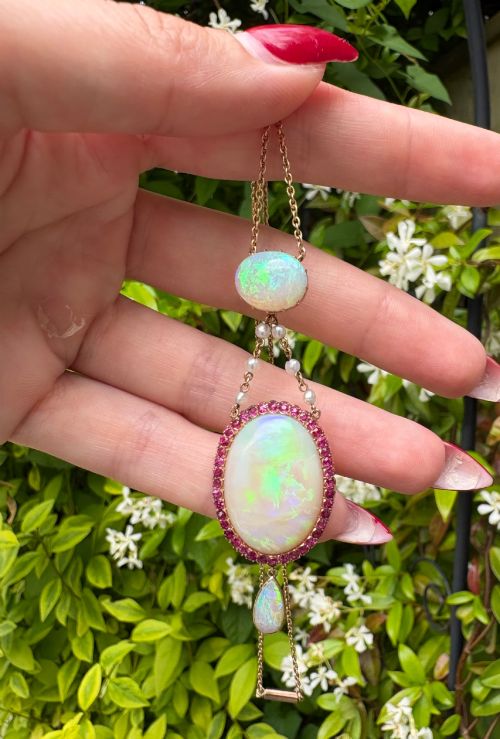
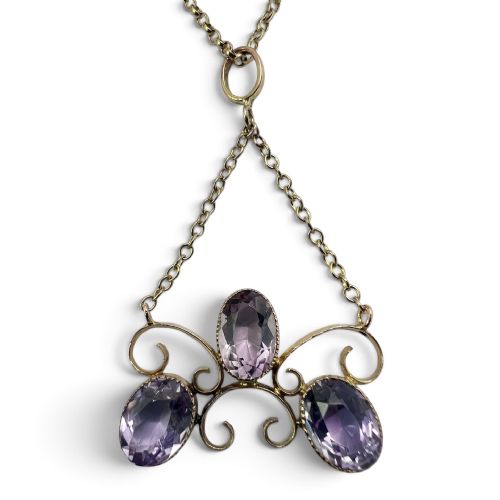
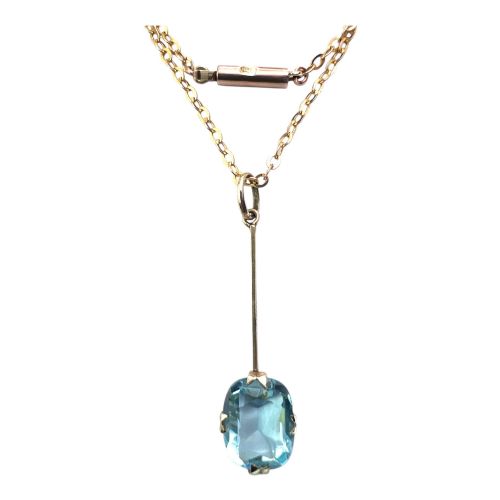
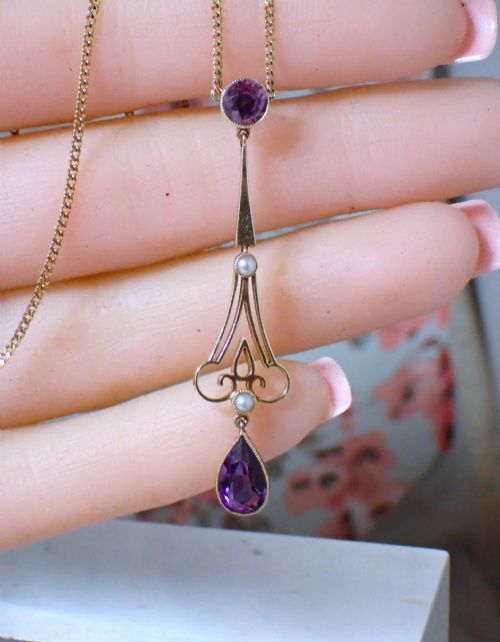
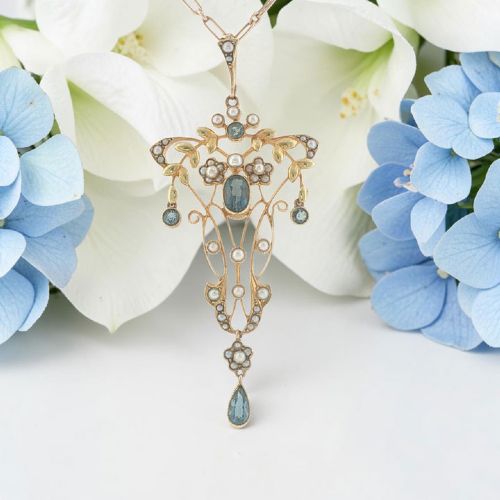
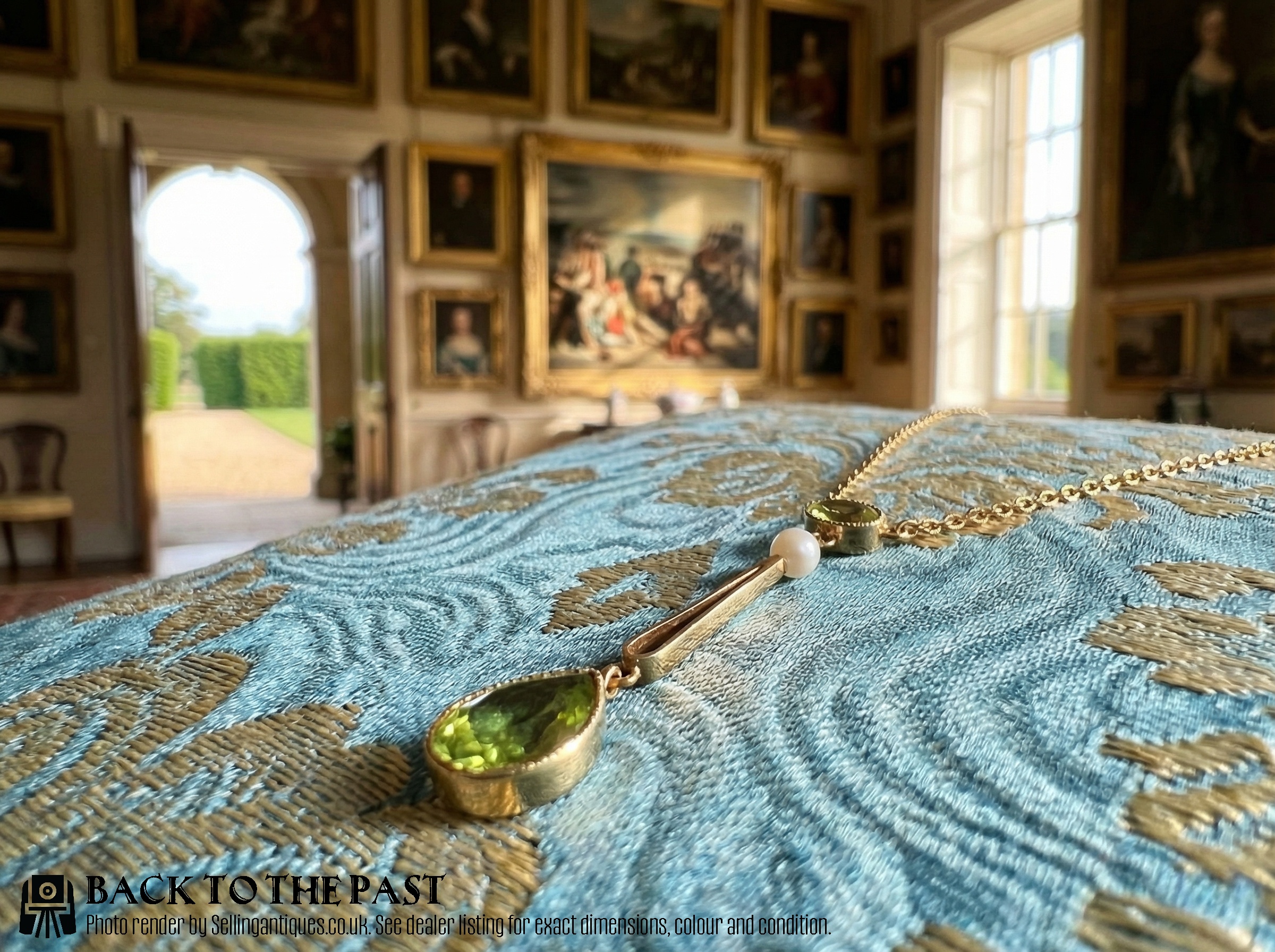
An antique lavalier pendant swings from a delicate chain, dropping gemstones below a central motif in the characteristic manner of the early twentieth century.
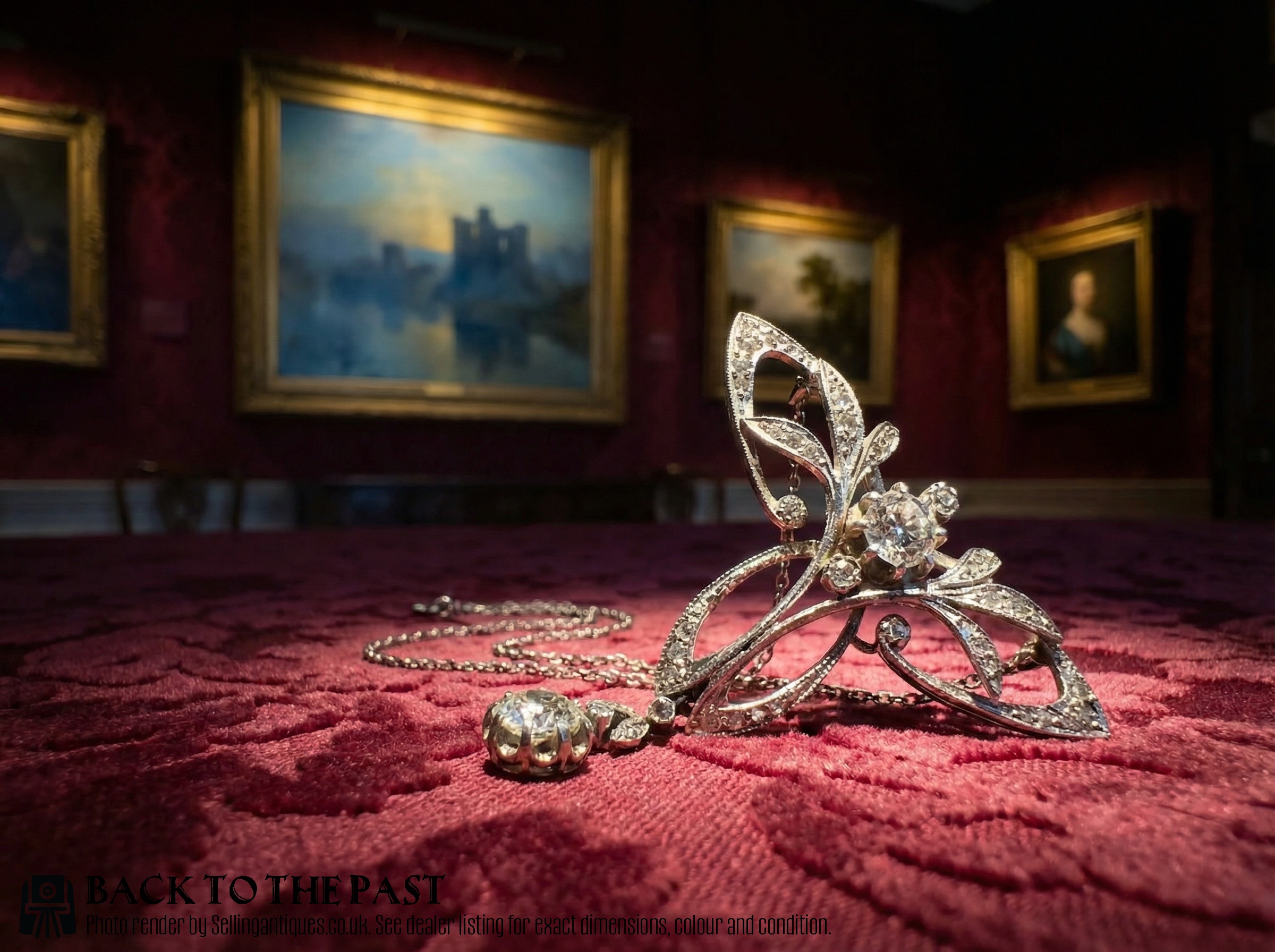
Antique Lavalier Pendant
Makers designed these necklaces to sit prominently on the collarbone, utilising hinged elements or articulated links to create fluidity. The central theme often follows symmetrical Edwardian garland motifs or the asymmetric, whiplash curves characteristic of Art Nouveau design.
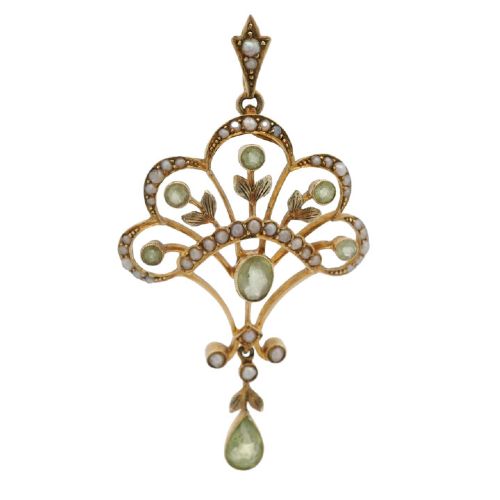
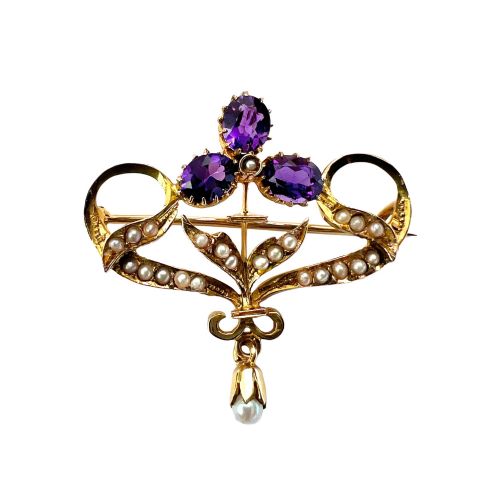
Many items combine the pendant function with a brooch fitting at the reverse, offering dual wearability that proved popular among historical buyers. Gemstones such as amethyst, peridot, aquamarine and seed pearls dominate the configurations seen in these listings.
Materials and construction methods
Goldsmiths worked predominantly in 9ct and 15ct yellow or rose gold, occasionally employing platinum or silver for high-value diamond settings to maximise light reflection. Hollow stampings and wirework formed the lightweight framework required for intricate drop configurations without placing excessive weight on the wearer.
Seed pearls were threaded onto fine silk or hair, or secured with tiny peg settings inside floral clusters, while larger coloured gemstones were held in claw or collet mounts. Pierced openwork grilles and millegrain borders required precise hand-tooling under magnification to achieve the crisp metallic edges typical of the era.
Antique Lavalier Pendant Retail Price Guide 2026
Typical asking prices for lavalier pendant among the pieces listed under this phrase on Sellingantiques today, from the lower quarter to the upper quarter. They describe what is for sale here now, not the wider market.
Periods represented span from the late nineteenth century through Victorian, Arts and Crafts, Art Nouveau and Edwardian eras into the 1930s.
Distinguishing quality across pieces
The degree of hand-finishing marks the boundary between standard commercial production and superior workshop output, visible in the precision of pierced metalwork and the absence of solder overflow. Heavier gauge gold adds structural integrity, preventing the delicate drop stems from bending under daily use.
Master jewellers selected stones with clean colour saturation and matched pearls for uniform lustre, whereas simpler iterations relied on uneven or heavily included gems. Original integrated boxes and fully intact articulated joints elevate the historical integrity of a piece.
S Blanckensee And Son·Murrle Bennett·Hamilton And Co
The Antique Lavalier Pendant Glossary
- Lavalier
- A necklace featuring a pendant drop suspended below a decorative central motif. This style gained widespread popularity during the Edwardian era.
- Seed Pearl
- A tiny, naturally occurring or early cultured pearl measuring under two millimetres in diameter. Goldsmiths clustered them closely to form floral and geometric patterns.
- Millegrain
- A decorative jewellery technique involving tiny raised beads of metal along an edge. This border softens harsh metal lines and adds texture.
- Art Nouveau
- A design style spanning roughly from the late nineteenth century to the First World War. It prioritises organic, flowing lines inspired by natural plant forms.
- Collet
- A flat-rimmed metal collar that holds a gemstone in place without prongs. Jewellers soldered these bands directly to the pendant body.
- Suffragette
- A colour combination of amethyst, peridot and white pearls associated with the women's suffrage movement. Contemporary makers adopted this specific gemstone palette for symbolic jewellery.
Antique Lavalier Pendant: Frequently Asked Questions
What is an antique lavalier pendant?
An antique lavalier pendant is a drop necklace originating from the late nineteenth or early twentieth century, designed to hang centrally below a decorative mount.
These pieces typically incorporate swinging gemstone elements that catch the light during movement, reflecting the graceful aesthetic of the Edwardian and Art Nouveau eras.
How do I wear an antique pendant safely?
Wear your pendant on a secure, period-appropriate chain and avoid exposing historic seed pearls to harsh chemicals, perfumes or ultrasonic jewellery cleaning.
Because many pieces double as brooches, check the pin fastening on the reverse before securing it to heavier fabrics to prevent accidental loss.
How can I tell Edwardian from Victorian styles?
Victorian jewellery often leans towards heavier gold weights, darker garnet or carbochon stones, and sentimental motifs, reflecting the tastes of the mid to late nineteenth century.
Edwardian designs shift towards lighter platinum or pale gold settings, incorporating bright aquamarines, peridots and diamonds within delicate garland frameworks.
Were these pendants worn every day?
Historically, women wore these necklaces for afternoon calls, evening dinners and formal social gatherings rather than rugged daily activities.
Their lightweight construction meant they were suited for lighter fabrics, which helps explain why many survive today with their delicate articulated drops intact.