


Antique Opal Necklace
An antique opal necklace brings together shimmering play-of-colour and historic craftsmanship, offering a captivating centrepiece for any collection.
What an antique opal necklace is
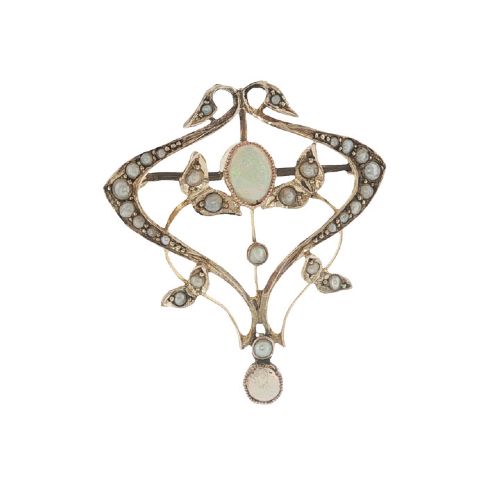
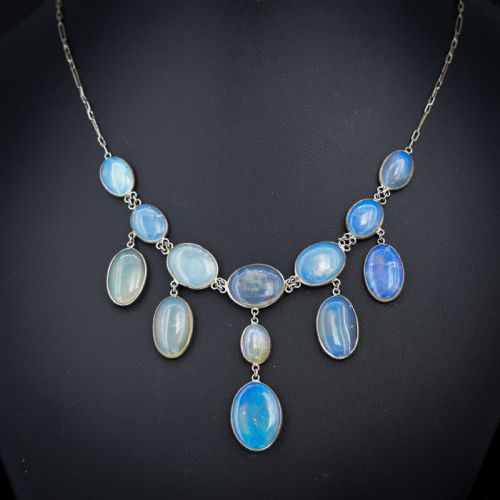
When you search for an antique opal necklace, you are looking at historic neckwear featuring central opal gemstones set in gold, silver, platinum, or white gold. These pieces primarily span the Late Victorian, Edwardian, and Art Deco periods, capturing shifts in design from delicate floral motifs to geometric lines.
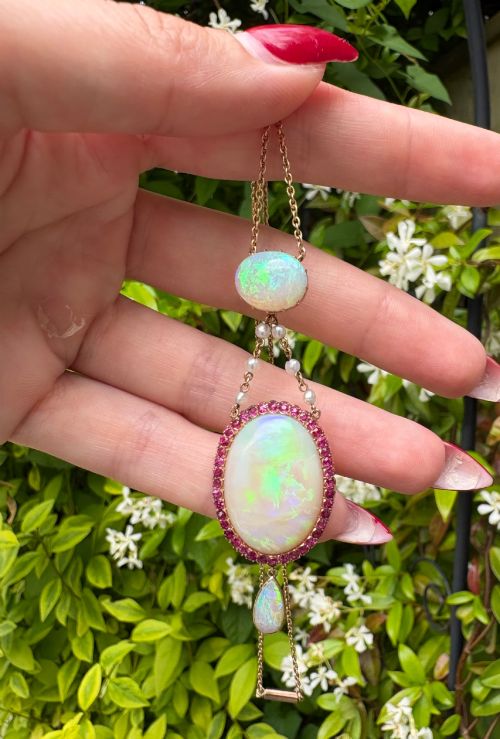
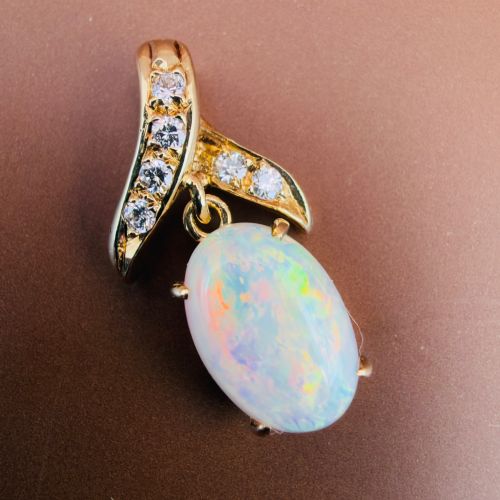
The version you are most likely to meet on this page is a pendant necklace or drop pendant from the Edwardian era or the 1920s and 1930s. These frequently combine opals with seed pearls or small diamonds, mounted in nine-carat or fifteen-carat gold, or occasionally platinum and silver.
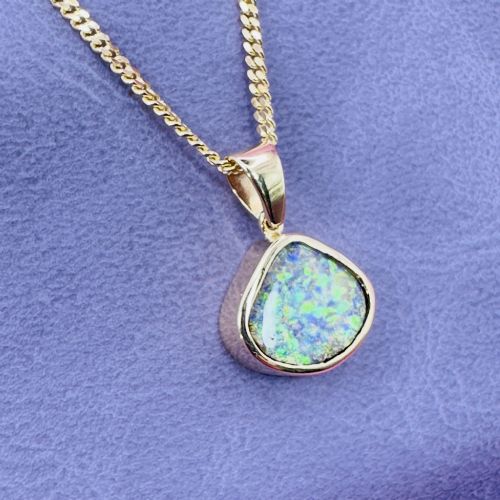
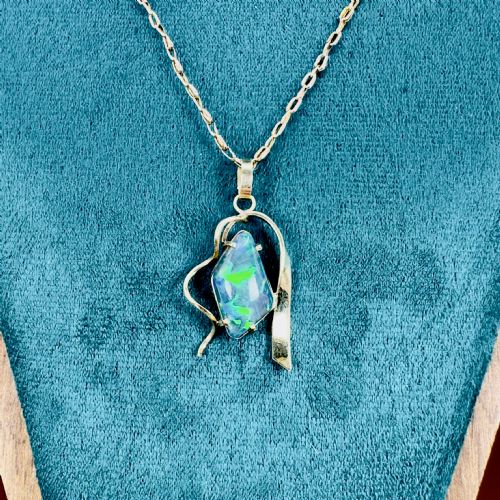
Pendants range from simple bezel-set stones to elaborate fringe festoons and heart-shaped designs. Bead necklaces featuring small opal beads paired with rock crystal also appear among the earlier pieces.
How they were made
Craftsmen mounted opals into metals including nine-carat gold, fifteen-carat gold, eighteen-carat white gold, silver, and platinum. Stones were secured using traditional claw settings, bezels, or flush mountings designed to protect the fragile gemstone.
Accompanying stones such as diamonds and seed pearls were hand-set alongside the central opals. Metalwork often incorporated fine millegrain detailing, openwork frames, and articulated drops that allowed the components to move with the wearer.
Retail Price Guide 2026
Typical UK retail prices for opal necklace, calculated from the Sellingantiques database of over a million retail prices indexed since 2003. This retail price guide relies exclusively on Sellingantiques data; no external sources or auction records are used, so the figures do not describe the wider market.
Some Edwardian pieces include tiny hidden jump rings designed to hold tiny scent lockets close to the collarbone.
What varies in quality
The quality of these pieces rests heavily on the optical properties of the opal itself. Superior stones display a vibrant, multi-directional play-of-colour across the surface, whereas lesser stones show muted flashes or dull patches.
Construction standards also set pieces apart. The finesse of the metalwork, the symmetry of the setting, and the integration of supporting diamonds and pearls determine the overall execution of the jewellery.
Murrle Bennett
The Antique Opal Necklace Glossary
- Play-of-colour
- The optical phenomenon where an opal flashes spectral colours as it is moved under the light. This shifting display is the defining visual characteristic of the gemstone.
- Festoon necklace
- A style of necklace featuring draped chains, swags, or suspended drops that sit across the collarbone. Edwardian examples often incorporate seed pearls and delicate gold chains.
- Millegrain
- A decorative technique involving a row of tiny metal beads along the edges of a setting. It provides a soft, textured border typical of Edwardian and platinum mounts.
- Lavaliere
- A pendant necklace featuring a central stone with one or more dangling drops suspended below. This symmetrical, cascading form was popular during the early twentieth century.
- Bezel setting
- A method of securing a gemstone using a thin metal collar that wraps around the outer edge of the stone. It offers robust protection for softer stones like opals.
Frequently Asked Questions
What periods do these necklaces come from?
The pieces seen here originate primarily from the Late Victorian period, the Edwardian era, and the Art Deco years spanning into the 1930s.
Designs shift from the romantic, pearl-accented motifs of the early nineteen-hundreds to the cleaner, geometric lines of the nineteen-twenties and nineteen-thirties.
What metals are used in these settings?
Makers utilised a range of metals depending on the era, including yellow gold in nine-carat and fifteen-carat purities, as well as silver and silver-gilt.
Later pieces from the Art Deco period frequently employ eighteen-carat white gold and platinum to complement clear diamonds.
How should I care for an antique opal necklace?
Opals contain water within their structure and have a moderate hardness, meaning they require gentle handling and protection from hard impacts.
Store the necklace separately in a lined box and avoid exposing the stones to harsh chemicals, ultrasonic cleaners, or sudden temperature changes.
Are pearls commonly found with opals in these pieces?
Seed pearls and natural saltwater pearls frequently accompany opals, particularly in Edwardian festoons, drops, and pendant designs.
Pearls were often used to frame the central opal or to add delicate movement along the chain and fringe elements.