


Late Victorian Pendant
A late victorian pendant brings exquisite work from the late nineteenth century, offering distinct gem-set and enamelled designs that collectors prize.
Identifying a late victorian pendant
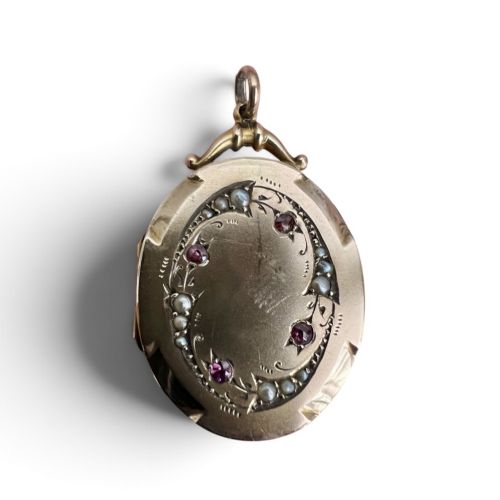
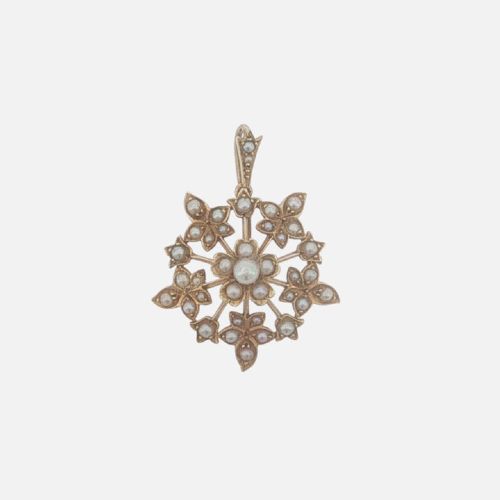
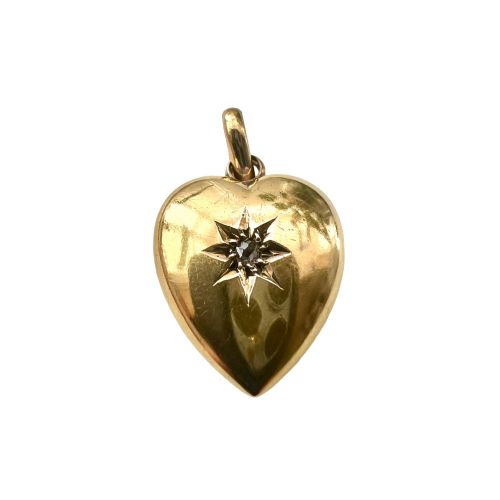
A late victorian pendant represents jewellery produced during the final decades of the nineteenth century, typically spanning the 1880s, 1890s, and around 1900. These pieces appear in varied forms such as star puffy hearts, crosses, and combination pendant brooches.
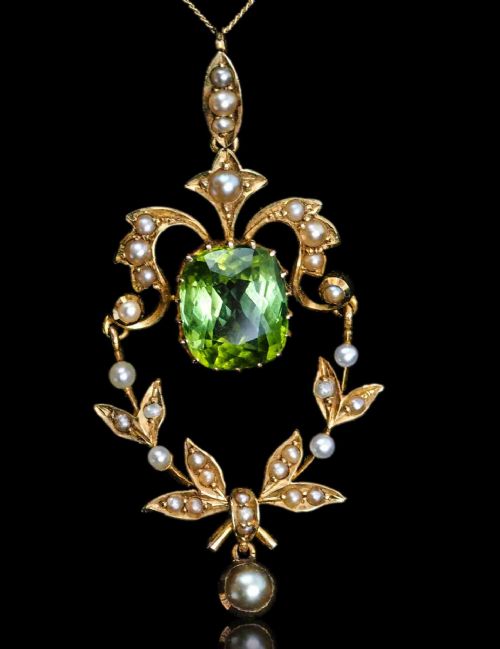
The materials recorded in these designs include silver, 9ct gold, 15ct gold, alongside gemstones like diamond, opal, peridot, and garnet, often paired with enamel. Buyers encountering this selection will find works defined by late victorian style hallmarks and distinct nineteenth-century craftsmanship.
Materials and construction
Goldsmiths and jewellers utilised metals such as silver and yellow gold in both 9ct and 15ct purity to form the foundational structures of each piece. These metals were shaped into specific configurations like puffy hearts and crosses, providing secure settings for stones.
Gemstones including diamonds, opals, peridots, and garnets were carefully set alongside coloured enamel details. The combination of precious metals, vibrant enamel work, and faceted or cabochon stones defines the technical execution seen in the archive.
Retail Price Guide 2026
Typical UK retail prices for late victorian pendant, calculated from the Sellingantiques database of over a million retail prices indexed since 2003. This retail price guide relies exclusively on Sellingantiques data; no external sources or auction records are used, so the figures do not describe the wider market.
Puffy hearts let Victorians wear their sentiments quite literally inflated in gold.
Assessing quality
Quality rests upon the selection and combination of materials, distinguishing simpler compositions from those featuring substantial diamond carat weights or complex enamel work. Pieces combining multiple distinct elements, such as peridot with significant diamond clusters or blue enamel cross designs, demonstrate higher ambition.
The finesse of the metalwork, whether in 15ct gold or silver, dictates the refinement of the finished object. Superior examples display careful integration of stones and durable structural integrity across varied nineteenth-century forms.
The Late Victorian Pendant Glossary
- Puffy heart
- A three-dimensional heart-shaped pendant design popular in the late nineteenth century, often modelled in gold with surface decoration or gemstone set stars.
- Cabochon
- A gemstone shaped and polished with a smooth convex surface rather than faceted, frequently utilised for opals to display their internal play of colour.
- Enamel
- A decorative glassy substance fused to the surface of metal through firing, providing rich colour accents in blue or other tones across Victorian metalwork.
- Carat
- A unit of weight used for measuring gemstones, appearing in records alongside diamonds such as multi-carat opal and peridot combinations.
Frequently Asked Questions
What periods do these pendants date from?
These pieces date from the late nineteenth century, specifically encompassing the 1880s, 1890s, and around 1900 during the Victorian era.
Such dates are reflected in the distinct material choices and stylistic traits recorded across surviving examples.
What materials were used?
Goldsmiths utilised silver and gold in 9ct and 15ct purities, frequently incorporating enamel for colour and detail.
Gemstones commonly set within these pieces include diamonds, opals, peridots, and garnets.
How were pendant brooches worn?
Dual-purpose pendant brooches offered versatility by featuring integrated pin fittings alongside loops for suspension from chains.
This allowed the wearer to pin the piece to garments or hang it as a traditional neck ornament.
What forms do these pieces take?
Surviving designs include star puffy heart pendants, decorative crosses, and gemstone clusters.
Each form highlights the specific aesthetic preferences of late nineteenth-century jewellers.