



1930s Diamond Pendant
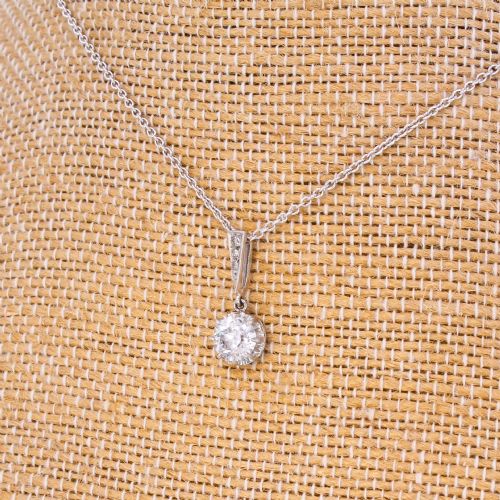
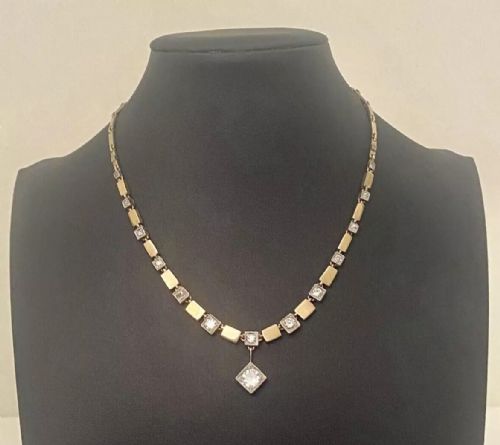
A 1930s diamond pendant brings geometric grace and brilliant old cut stones to the neckline, offering the sharp elegance that collectors desire.
1930s Diamond Pendant
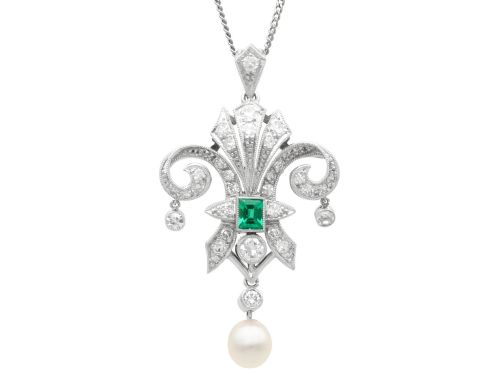
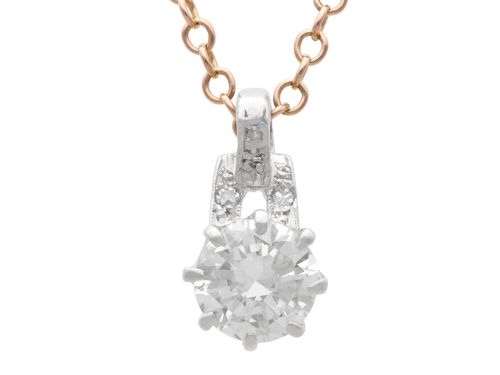
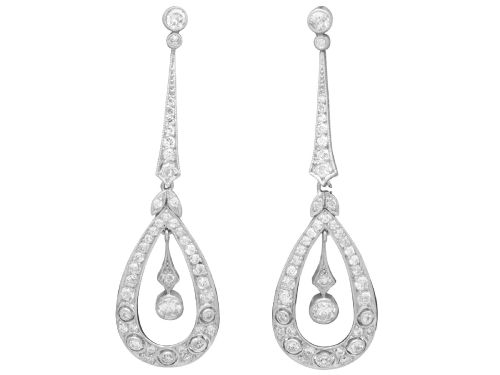
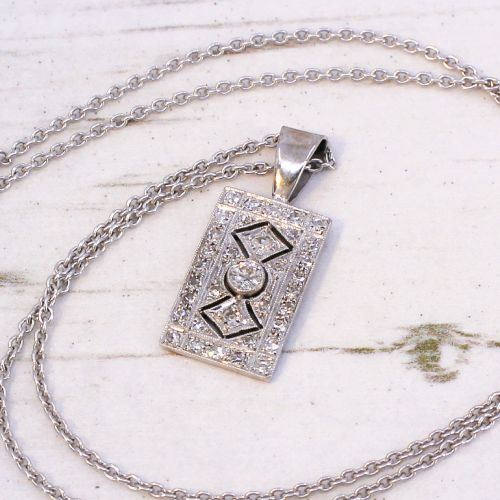
A 1930s diamond pendant embodies the geometric lines and architectural forms of the Art Deco era, capturing a distinct period of design history. These pieces frequently appear alongside related jewellery sets, brooches, and drop earrings from the same decades.
Most examples hail from the 1930s and 1920s, with occasional pieces drawing upon Victorian influences while maintaining their characteristic stone arrangements. Buyers encounter various configurations, from single-stone drops to elaborate clusters featuring sapphires, opals, and pearls.
Materials and Construction
Platinum serves as the primary white metal for mounting high-end pendants of this decade, often accompanied by white gold, 18ct white gold, 14ct rose gold, and palladium. These robust white metals provide the necessary strength for delicate pierced work without distracting from the brilliance of the stones.
Goldsmiths utilised old cut and rose cut diamonds, setting them alongside contrasting materials such as black onyx, sapphires, opals, and natural saltwater pearls. The combination of millegrain edges and openwork metal frames defines the construction technique typical of the period.
1930s Diamond Pendant Retail Price Guide 2026
Typical asking prices for 1930s diamond pendant among the pieces listed under this phrase on Sellingantiques today, from the lower quarter to the upper quarter. They describe what is for sale here now, not the wider market.
Some pendants double as brooches, giving hardworking Art Deco geometry a delightful identity crisis.
Distinctions in Quality
Quality rests primarily on the character of the stones and the precision of the metalwork, distinguishing exceptional pieces from standard examples. Total carat weight and the absence of heavy wear to the settings dictate the standing of an individual pendant.
The 1930s Diamond Pendant Glossary
- Old cut
- A vintage diamond cutting style characterised by a small table, high crown, and large culet, designed to catch candlelight and early electric illumination. These stones display softer, broader flashes of light than modern brilliant cuts.
- Millegrain
- A decorative jewellery technique featuring a row of tiny raised metal beads along the edges of a setting. This adds a refined texture that softens the geometric lines of Art Deco pieces.
- Platinum
- A dense, strong white metal prized in jewellery for its durability and secure stone-setting properties. It allows for ultra-fine wirework and knife-edge bars without bending.
- Opal
- A hydrated amorphous silica gemstone displaying a play-of-colour, often cut as large cabochons in period pendants. Each stone exhibits a unique internal pattern of spectral colours.
1930s Diamond Pendant: Frequently Asked Questions
What defines a 1930s diamond pendant?
These pieces are defined by their geometric Art Deco styling, featuring symmetrical metalwork and traditional diamond cuts. They showcase the transition from heavy Victorian designs to sleeker, modern ornamentation.
Platinum and white gold frames typically house old cut diamonds, sometimes accented with calibrated sapphires, onyx, or pearls.
How do I wear a vintage pendant?
A pendant from this era suits both formal evening wear and tailored daytime attire, suspended from a delicate matching chain. The drop design draws the eye to the neckline, making it a versatile focal point.
Care should be taken to store the piece separately to protect softer accent stones like opals or pearls from scratching against harder diamonds.
Are these pendants made of platinum?
Many fine examples from this decade utilise platinum because its strength permitted intricate, lace-like openwork settings. White gold and palladium also appear frequently as contemporary alternatives for mounting the stones.
The choice of metal often reflects the piece's overall value and the complexity of its geometric design.
How can I tell the period?
Period identification relies on observing the specific cut of the diamonds, the metal composition, and the characteristic architectural motifs of the design. Old cut stones and millegrain detailing point strongly towards the interwar decades.
Comparing the construction methods to known examples from the 1920s and 1930s helps confirm the era of manufacture.