



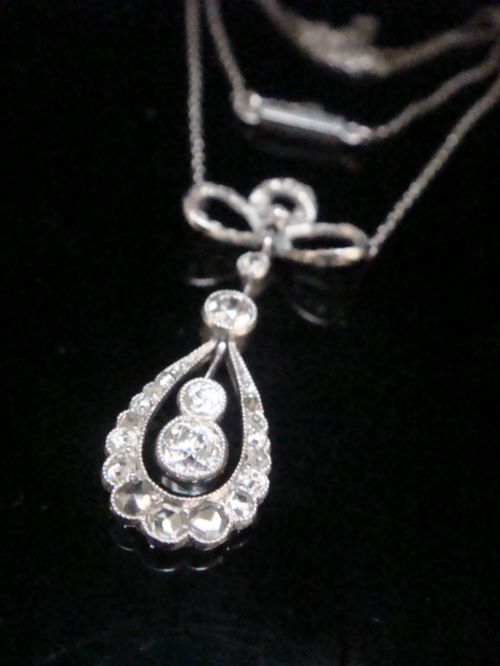
Diamond Drop Pendant
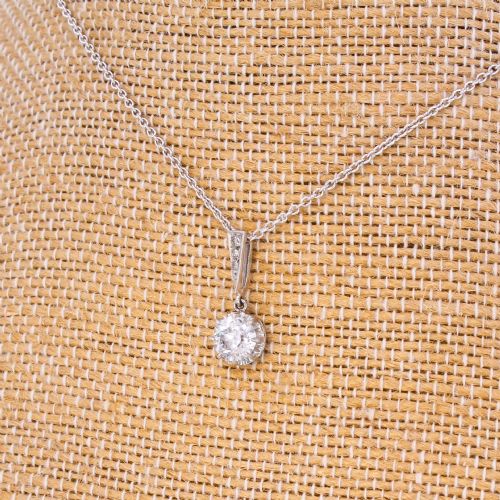
A diamond drop pendant brings together stones and precious metal to hang delicately against the skin with quiet brilliance.
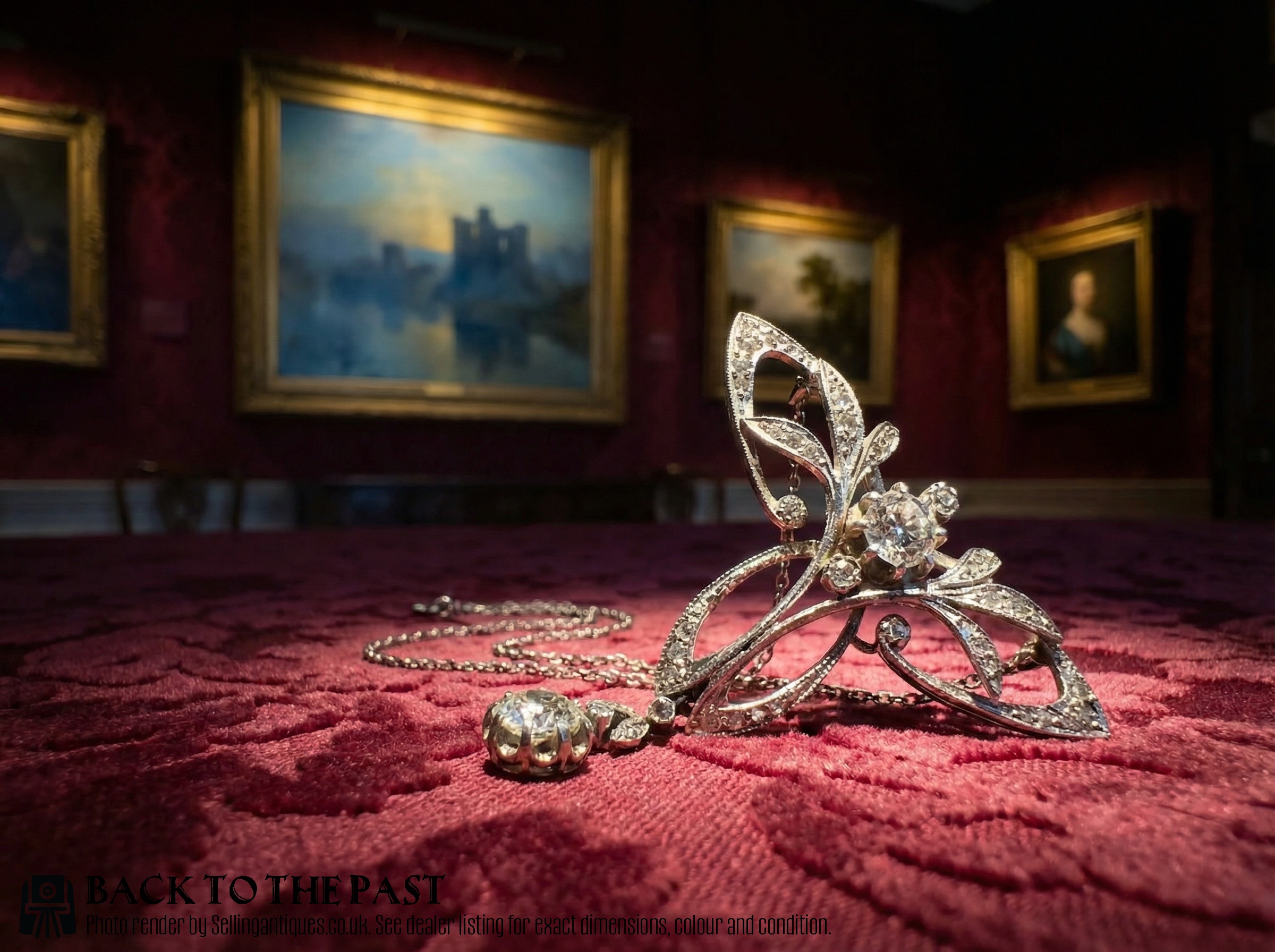
Identifying a diamond drop pendant
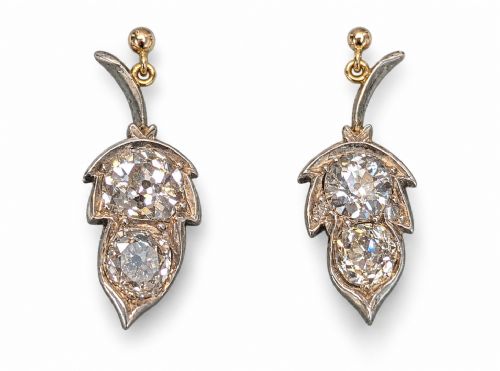
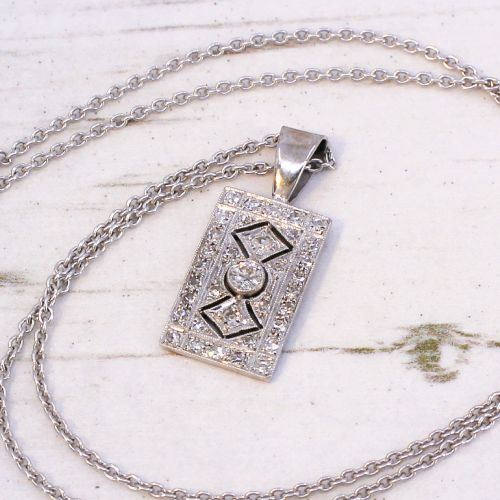
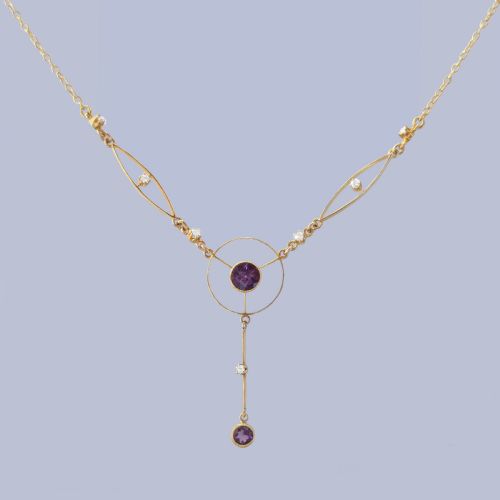
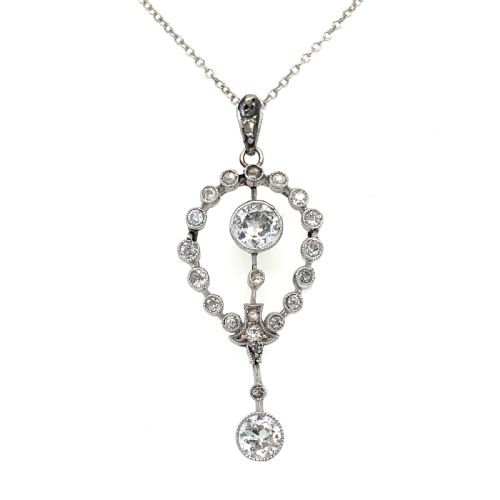
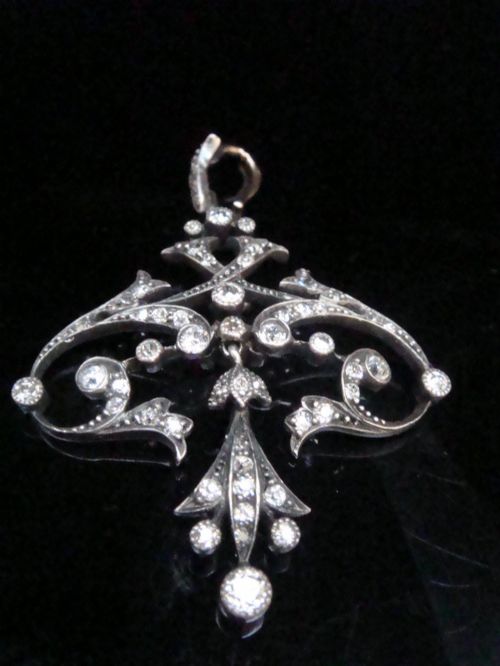
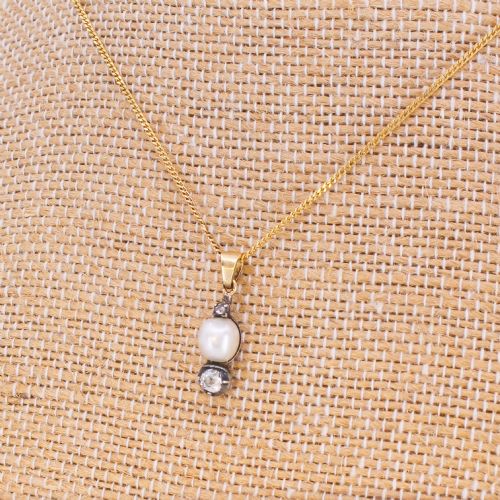
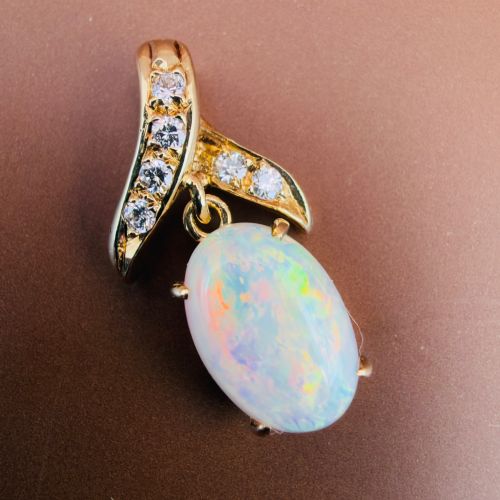
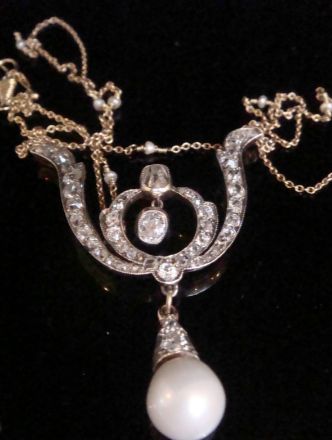
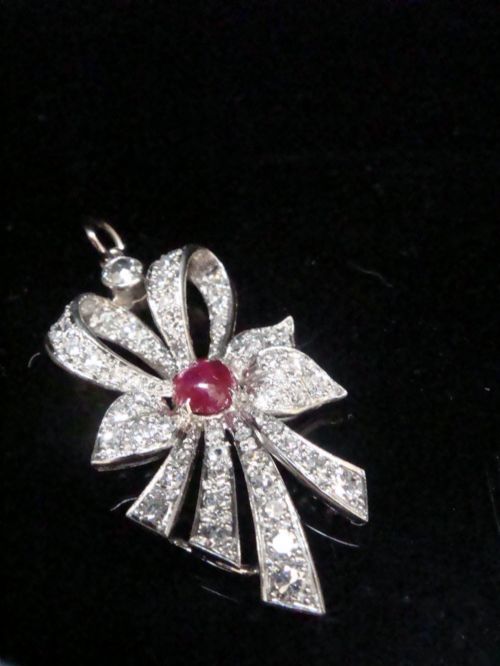
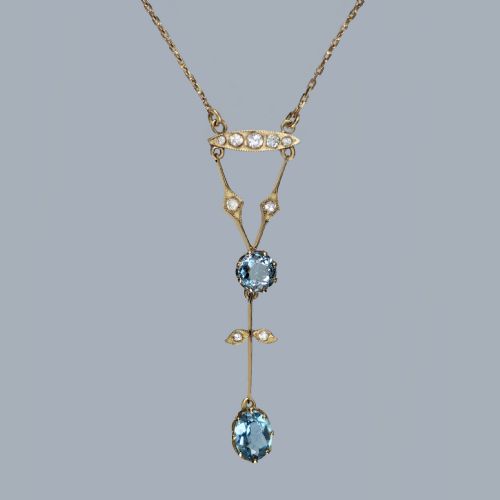
A diamond drop pendant suspends a sparkling stone or cluster from a fine chain, creating a vertical line of light that draws the eye downward. When you search for a diamond drop pendant, you encounter pieces spanning from the Edwardian era through Art Deco designs and into mid-century creations.
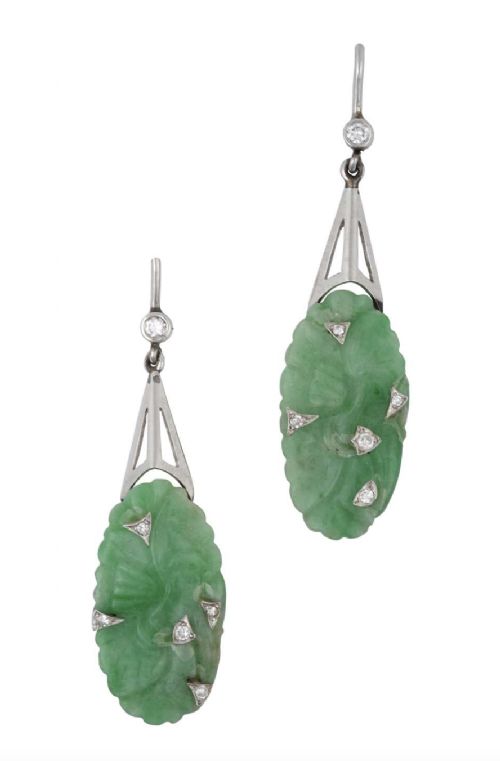
Art Deco examples display geometric symmetry and older diamond cuts, whilst later twentieth-century interpretations favour clean lines and simpler settings. Each piece combines historical character with wearable elegance.
Materials and construction
Goldsmiths and platinumsmiths shape dense precious metals to house brilliant and old cut diamonds securely while minimising visible metal. Platinum provides the strength needed for delicate Edwardian and Art Deco openwork galleries.
Gold in nine-carat purity, both white and yellow variants, appears across various periods alongside platinum settings. Stones are hand-set using claw, bezel or millegrain techniques depending on the prevailing style of the decade.
Retail Price Guide 2026
Typical UK retail prices for diamond drop pendant, calculated from the Sellingantiques database of over a million retail prices indexed since 2003. This retail price guide relies exclusively on Sellingantiques data; no external sources or auction records are used, so the figures do not describe the wider market.
Periods represented span from the Victorian era and Edwardian years through Art Deco up to late twentieth-century modern contemporary designs.
Judging quality and character
The distinction between standard and exceptional pieces rests upon the precision of the metalwork and the life within the stones. Finer examples display meticulous hand-pierced gallery work and secure, even settings that hold each diamond without excess bulk.
Artisanal skill shows in how well an articulated drop moves and catches the light from every angle. The proportion between the suspended drop and the supporting chain further determines the visual balance of the piece.
The Diamond Drop Pendant Glossary
- Old cut diamond
- A hand-faceted diamond cut popular before modern machinery standardisation, featuring a smaller table and higher crown that produces a soft, candlelit sparkle.
- Platinum
- A dense, durable white metal prized in antique jewellery for its strength, allowing intricate wirework and secure settings without heavy weight.
- Millegrain
- A decorative technique involving tiny raised metal beads along the edges of a setting, adding a soft texture typical of Edwardian and Art Deco pieces.
- Lavaliere
- A pendant design featuring a main stone or drop suspended below a smaller upper element, popular during the Edwardian period.
Frequently Asked Questions
How do I wear a diamond drop pendant?
These pendants pair easily with evening wear or simpler daytime necklines where the drop can rest directly against skin or fabric. The vertical orientation lengthens the neck and adds subtle movement.
Matching the metal colour of the chain to your other jewellery creates a cohesive look, though mixed metals remain entirely acceptable.
What is the difference between Edwardian and Art Deco styles?
Edwardian pieces tend to use platinum with lace-like openwork, millegrain detailing, and garlands or bows. They offer a light, romantic aesthetic.
Art Deco designs shift towards geometric symmetry, strong lines, and stylised motifs, reflecting the artistic movements of the nineteen-twenties and thirties.
Are old cut diamonds different from modern stones?
Old cut diamonds possess hand-cut facets fashioned before modern optical equations determined precise angles. This gives them a distinctive chunky appearance with broader flashes of light.
They perform particularly well under softer lighting conditions, displaying a characteristic warmth and charm absent in modern brilliant cuts.
Can I change the chain on my pendant?
Many antique pendants feature integrated bails that accommodate standard fine chains, allowing you to alter the length to suit your preference. Ensure the ring of the new chain passes easily through the pendant loop without forcing.
Consulting a jeweller helps verify that heavier or antique chains match the delicacy of the original piece.