




1930s Diamond Necklace
A 1930s diamond necklace brings geometric sparkle and refined platinum work to the neckline, offering timeless elegance for serious collectors.
1930s Diamond Necklace
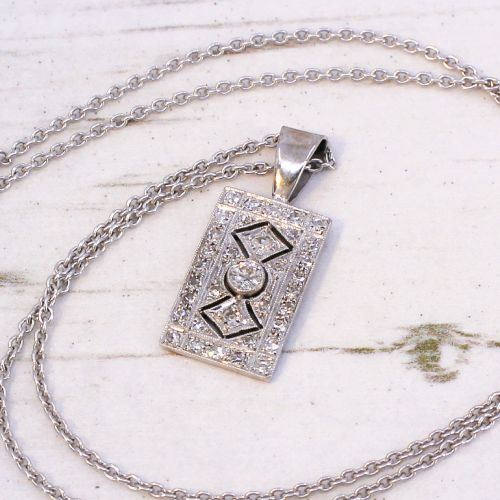
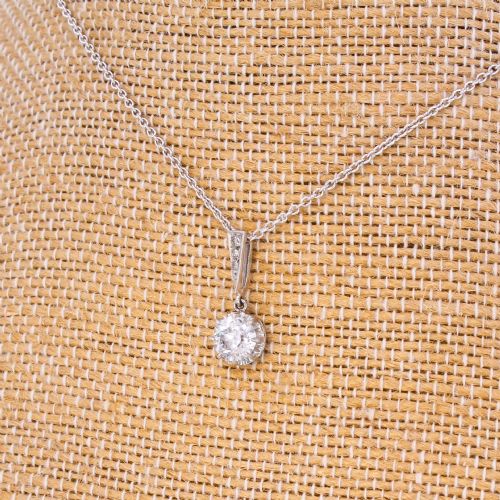
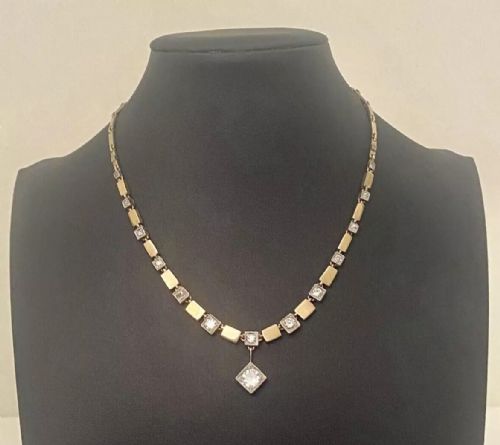
A 1930s diamond necklace embodies the geometric discipline and architectural grace of the Art Deco period, capturing the distinct aesthetic spirit of the era. Buyers seeking these pieces generally encounter platinum and white gold settings arranged in linear motifs, fringes, and pendant drops.
The selection ranges from delicate old cut diamond pendants on fine chains to substantial multi-strand cultured pearl necklaces featuring diamond-set clasps. Occasional pieces incorporate contrasting gemstones such as opals or onyx alongside the primary diamonds, reflecting the versatile design vocabulary of the nineteen-thirties.
While the majority of pieces firmly anchor themselves in the 1930 aesthetic, related items occasionally surface from the Victorian era and the nineteen-twenties. The predominant survival remains the platinum or white gold pendant and the cultured pearl strand with an integrated diamond clasp.
Evaluating Quality in Period Pieces
The standard of a 1930s diamond necklace rests primarily on the precision of the metalwork and the integration of the stones within the design. Superior examples display meticulous articulation in fringe and pendant drops, allowing the piece to drape fluidly against the wearer.
Stone selection and matching dictate the upper tier of the range, particularly in multi-strand pearl necklaces where uniform grading and lustre elevate the piece. The finesse of the hand-cut old cut diamonds and the structural integrity of the platinum or gold mounts separate standard output from masterwork production.
1930s Diamond Necklace Retail Price Guide 2026
Typical asking prices for 1930s diamond necklace among the pieces listed under this phrase on Sellingantiques today, from the lower quarter to the upper quarter. They describe what is for sale here now, not the wider market.
Some clasps demand almost as much admiration as the pearls they secure.
The 1930s Diamond Necklace Glossary
- Old cut
- A vintage diamond cutting style characterised by a high crown, small table, and deep pavilion, designed to catch candlelight and early electric illumination.
- Art Deco
- A design style dominant in the 1920s and 1930s defined by geometric shapes, stylised motifs, and streamlined elegance.
- Cultured pearl
- A pearl formed with human intervention by inserting a nucleus into an oyster, widely utilised in high-end necklaces of this era.
- Fringe necklace
- A necklace design featuring hanging drops or tassels of gemstones suspended below the main chain or collar.
- Platinum
- A dense, strong, and ductile white metal favoured by jewellers of the period for holding intricate settings securely with minimal visible bulk.
1930s Diamond Necklace: Frequently Asked Questions
How do I wear a 1930s diamond necklace?
These pieces suit formal evening attire where their distinct geometric lines and stone sparkle can take centre stage. Pairing them with simpler necklines ensures the intricate metalwork and pendant drops remain visible.
For daily wear, shorter pendant variations fit comfortably beneath collars, while multi-strand pearl versions work well with classic tailoring.
Are pearls in these necklaces saltwater or freshwater?
The listings demonstrate that period pieces frequently incorporate cultured saltwater pearls alongside diamond-set clasps. These pearls display the deep lustre characteristic of authenticated marine-grown specimens from the era.
Inspectors note that matching strands often feature graded pearls leading to sophisticated white gold or platinum clasps.
What metal is most common for these necklaces?
Platinum and 18ct white gold dominate the physical evidence for this specific era, providing the required structural strength for delicate geometric designs. Rose gold also appears in specific pendant mounts alongside platinum elements.
These white metals reflect the preference for silvery tones that defined interwar jewellery design.
How do I distinguish Art Deco pieces from Victorian ones?
Art Deco items rely on strict symmetry, linear geometry, and platinum or white gold mounts. Victorian examples tend towards more organic motifs and heavier yellow gold settings.
Reviewing the stone cuts and overall silhouette usually clarifies the chronological attribution of mixed-period inventories.