

Vintage Diamond Jewellery
Vintage diamond jewellery brings together historic craftsmanship and enduring sparkle, offering pieces designed to be worn and treasured daily.
Vintage Diamond Jewellery
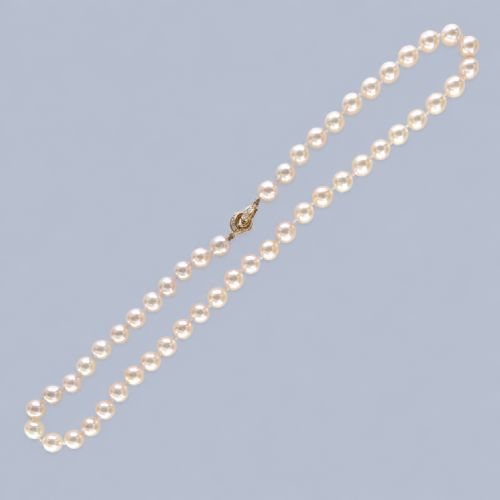
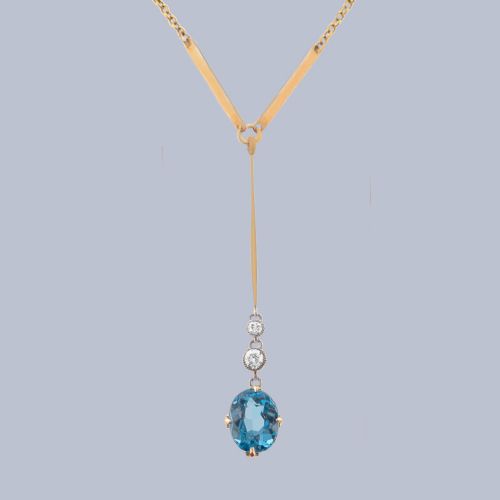
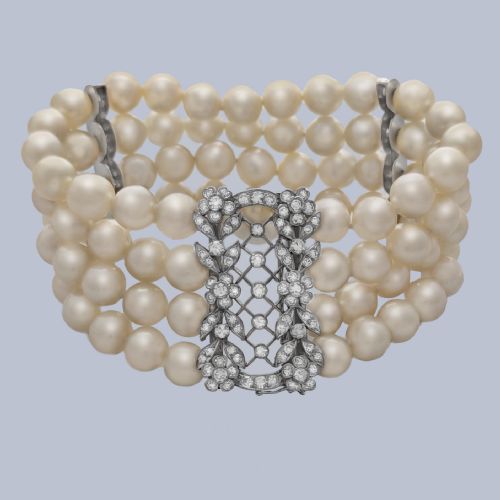
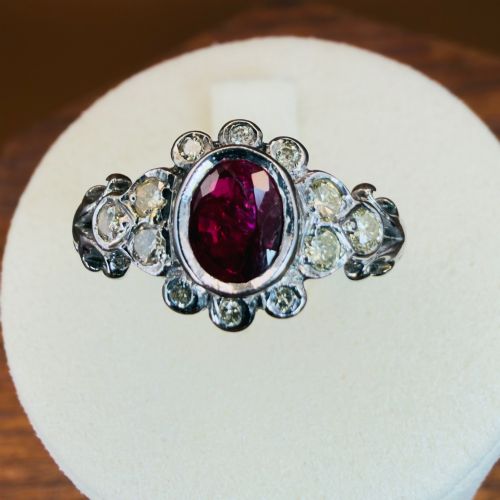
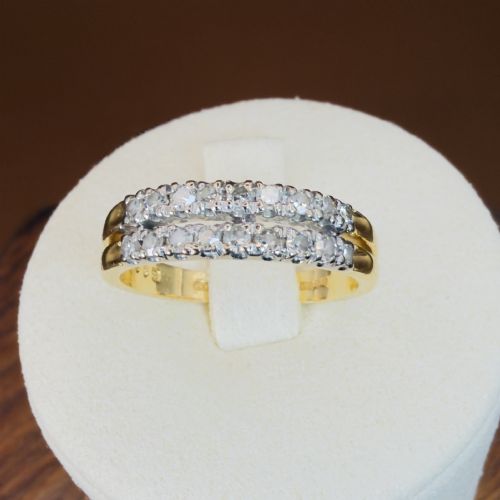
When searching for vintage diamond jewellery, collectors encounter items spanning the Victorian era through the mid-twentieth century. Rings, pendants, earrings, and brooches form the core of this selection, capturing distinct periods of design history.
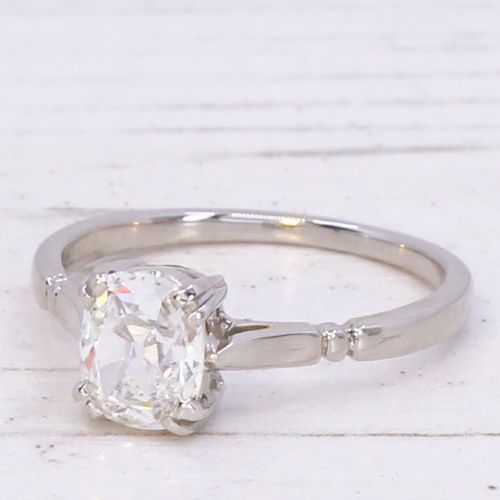
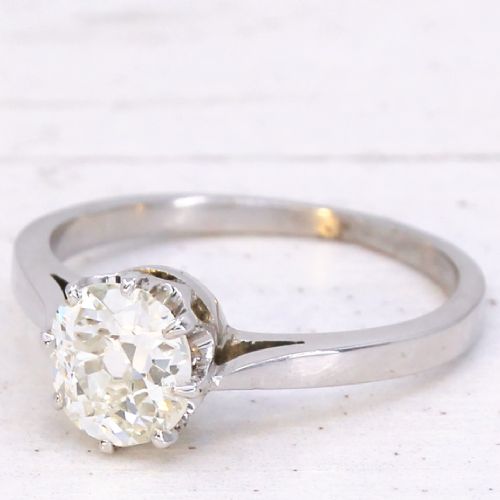
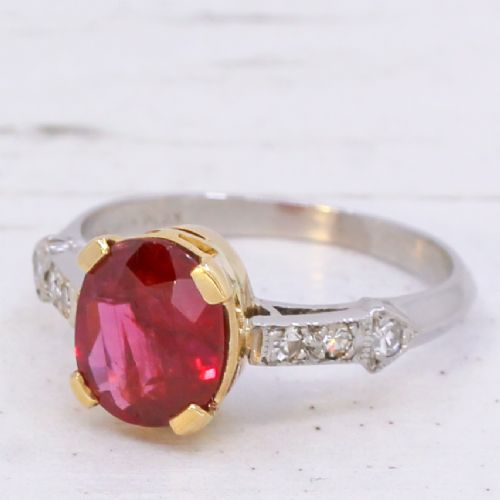
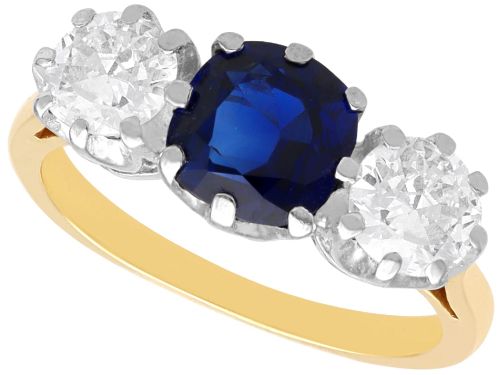
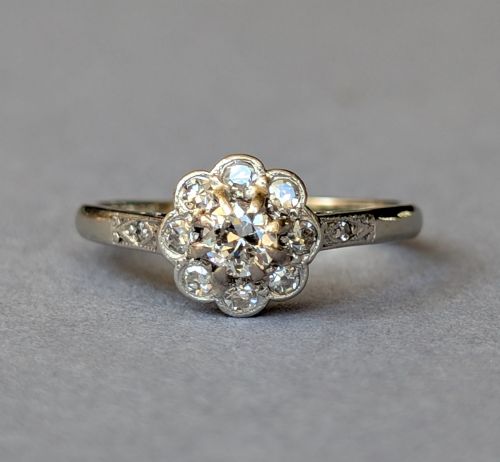
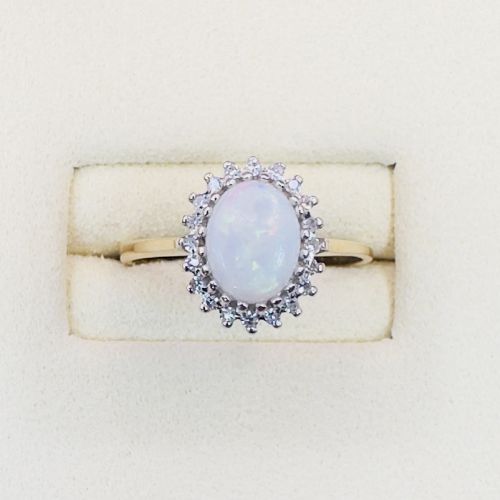
Solitaire engagement rings, multi-stone cluster designs, and intricate drop earrings dominate the selection, showcasing diamonds paired with precious metals and coloured gemstones.
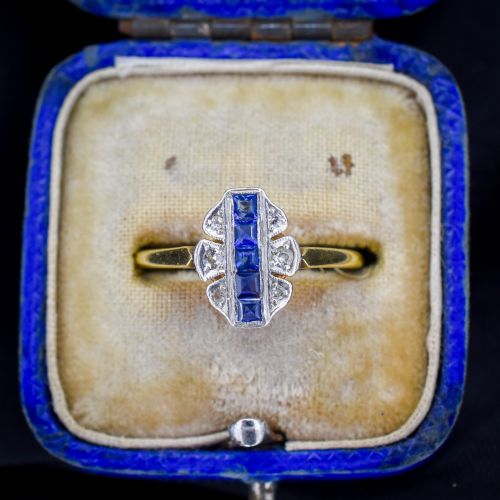
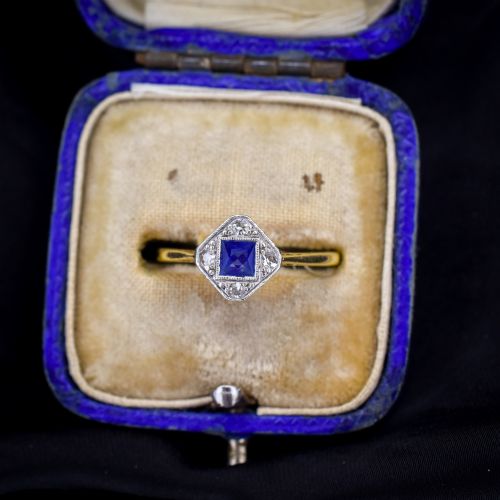
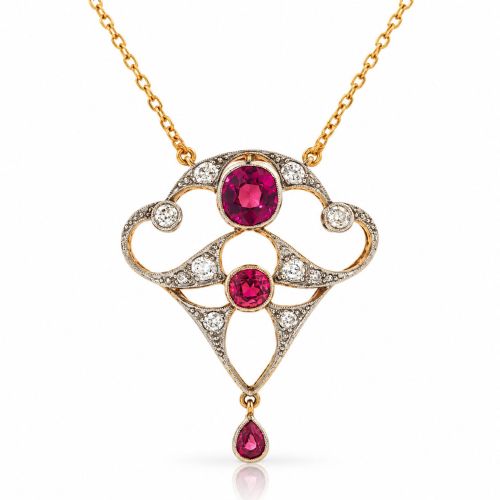
Pieces from the Edwardian and Art Deco periods are particularly common, reflecting shifts from delicate platinum filigree to geometric, streamlined mountings.
Materials and technique
Goldsmiths and platinum-smiths utilised durable settings to secure hand-cut stones, frequently combining 18ct yellow gold, white gold, and platinum within a single piece.
Old cut diamonds, including old mine and old European cuts, feature heavily across these historic items, displaying broad facets that catch candle or gas light distinctly.
Mountings often incorporate millegrain edges, hand engraving, and openwork galleries to enhance the lightness and brilliance of the set gems.
Vintage Diamond Jewellery Retail Price Guide 2026
Typical asking prices for vintage diamond jewellery among the pieces listed under this phrase on Sellingantiques today, from the lower quarter to the upper quarter. They describe what is for sale here now, not the wider market.
Several items retain original Chester and Birmingham assay office hallmarks, quietly whispering their precise journey through British history.
Distinctions in quality
The standard of a piece rests heavily on the proportion and symmetry of the hand-cut diamonds, alongside the crispness of the original metalwork details.
Original condition matters significantly, as items retaining unpolished prongs, intact hallmarks, and crisp engraving command greater regard than heavily worn examples.
The Vintage Diamond Jewellery Glossary
- Old cut
- A diamond facet arrangement shaped by hand before modern symmetrical standards were adopted. These stones possess smaller tables and deeper pavilions, producing a characteristic soft glow.
- Cluster ring
- A jewellery design featuring a central gemstone surrounded by a border of smaller stones. This configuration maximises visual impact and light reflection.
- Toi et Moi
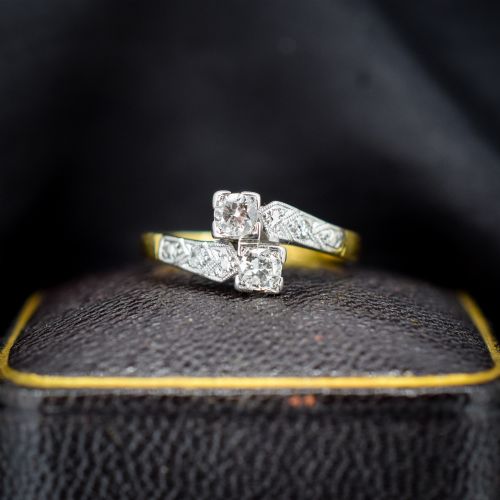
- A two-stone ring style translating to you and me, representing two gems set closely side by side in a twist or parallel mount.
- Millegrain
- A decorative technique creating a raised border of tiny metal beads along the edges of a setting. It adds a refined, textured finish typical of Edwardian and Art Deco pieces.
- Gypsy ring
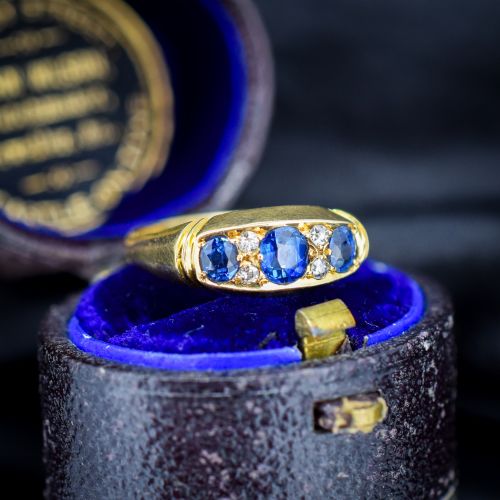
- A band style where gemstones are flush-set directly into the thick metal hoop. This robust design protects the girdle of the stone.
Vintage Diamond Jewellery: Frequently Asked Questions
How do I care for vintage diamond rings?
Clean these items gently using warm water, mild soap, and a soft brush to remove everyday oils and debris from beneath the settings.
Avoid harsh chemical dips or ultrasonic cleaners, particularly for pieces containing softer gems like opals, pearls, or emeralds.
Were old cut diamonds graded differently?
Historic diamonds were cut by hand to maximise their individual rough shape and brilliance under ambient light rather than mathematical perfection.
Consequently, certificates may describe these stones differently than modern brilliant cuts, noting distinct facet patterns and proportions.
How can I tell an Edwardian piece apart?
Edwardian items frequently utilise platinum combined with yellow gold, favouring light, lace-like openwork and garland motifs. Millegrain detailing and delicate wirework are hallmarks of this refined era.
In contrast, later Art Deco designs shift towards rigid symmetry, strong geometric lines, and bold colour contrasts.
Can antique engagement rings be resized?
Most gold and platinum bands can be adjusted by a skilled jeweller who understands antique construction methods.
Care must be taken to preserve side engravings, hallmarks, and delicate settings during the adjustment process.