




Estate Diamond Jewellery
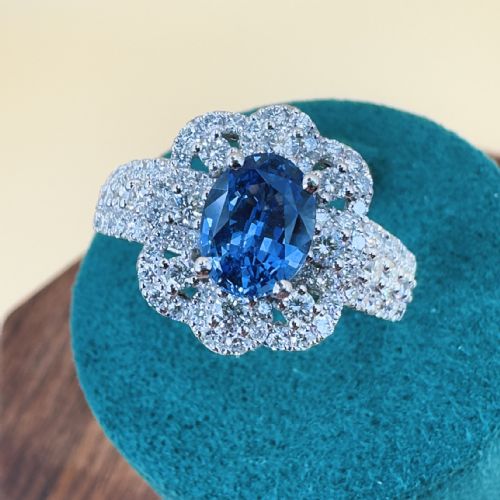
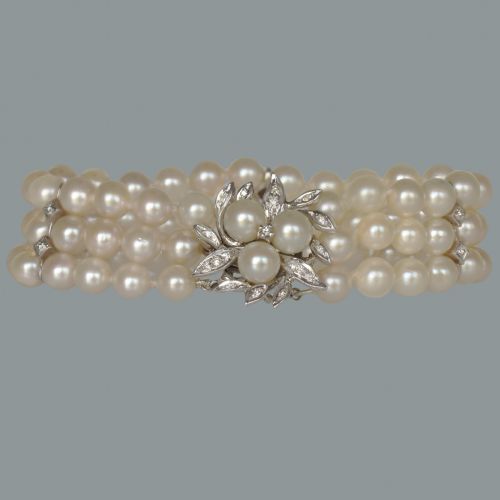
Estate diamond jewellery encompasses rings, bracelets, brooches and necklaces spanning Victorian eras through mid-century modern design, prized for intricate metalwork and historic gemstone cuts.
Estate Diamond Jewellery
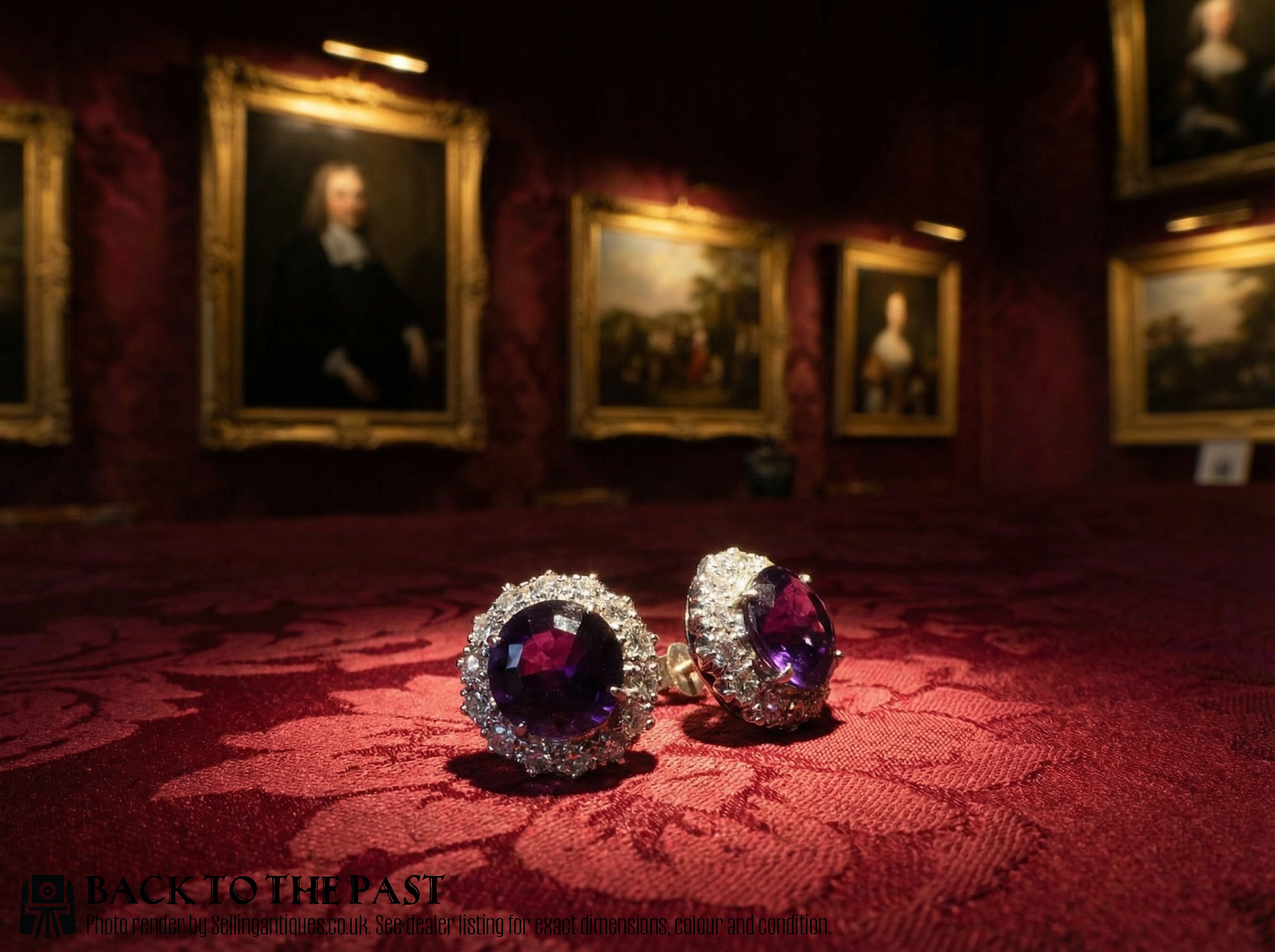
Estate diamond jewellery comprises previously owned pieces spanning the Victorian era, 1900s, 1920s, 1930s, 1940s, 1950s and 1960s. Buyers searching this phrase encounter rings, earrings, necklaces, bracelets, brooches and pendants shaped by design movements from Art Deco to Retro and Mid-Century.
Materials and Techniques
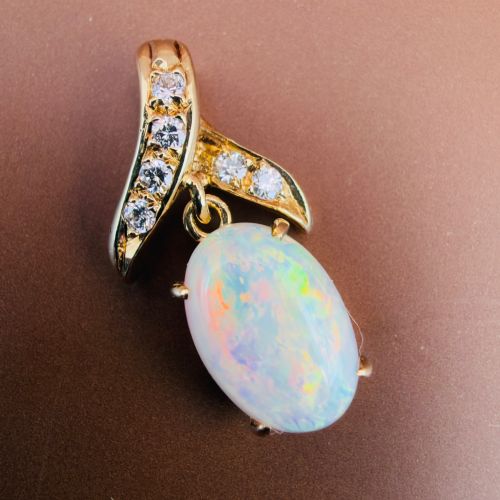
The construction of these pieces relies on precious metals including platinum, 18ct white gold, 14ct white gold, 9ct gold and 18ct yellow gold. Artisans set diamonds alongside coloured gemstones such as sapphires, emeralds, rubies, aquamarines, garnets, pearls and opals into these metal frameworks.
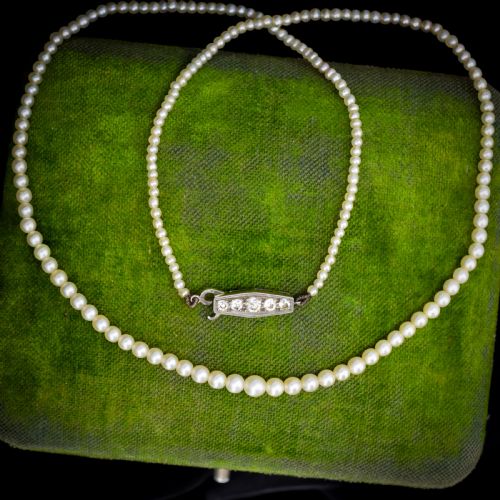
Techniques visible across the inventory include cluster settings, delicate bead stringing for pearl strands, floral spray motifs, swirl designs and geometric Art Deco geometric layouts. Master jewellers utilised platinum and white gold to securely hold large carat weights and intricate stone arrangements without heavy metal presence.
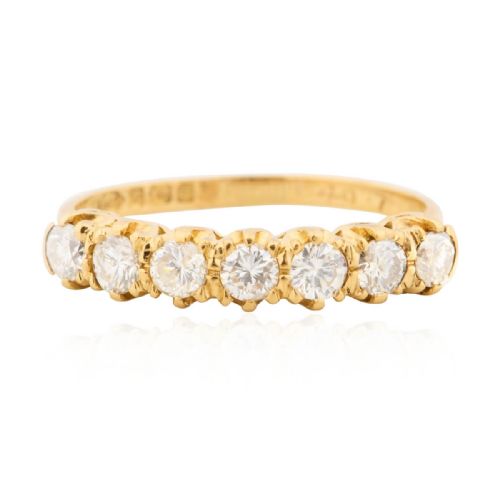
The inventory records diverse object types, including cluster rings, eternity bands, clip-on earrings, floral spray brooches and multi-strand pearl necklaces.
Evaluating Quality
Quality in estate diamond jewellery is determined by the integration of the stones, the weight and purity of the precious metals, and the integrity of the period craftsmanship. Finer pieces demonstrate superior stone matching, secure setting work that endures decades of wear, and balanced proportions across complex forms like floral sprays or geometric necklaces.
Makers known for exceptional production bring distinct design execution and superior gem selection to their pieces, elevating items beyond standard commercial output. The weight of the precious metal and the presence of certified or high-carat central gemstones further separate standard vintage accessories from top-tier collector examples.
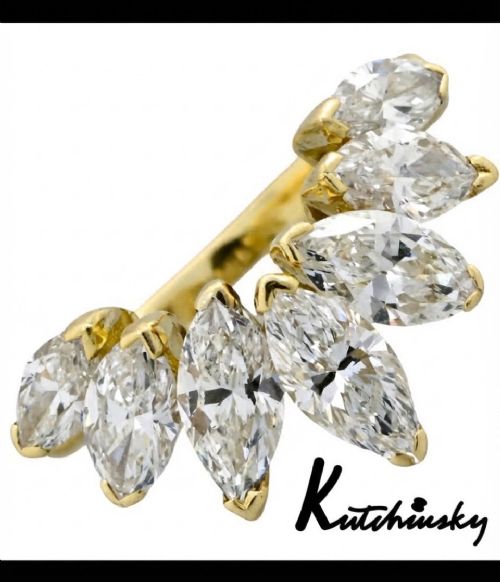
A Kutchinsky·Le Vian·Chaumet
The Estate Diamond Jewellery Glossary
- Art Deco
- A design style prevalent from the 1920s to the 1930s characterised by geometric symmetry, clean lines and strong platinum usage. This aesthetic defines many of the bracelets and brooches from that era.
- Cluster
- A ring or pendant arrangement where a central gemstone is surrounded by a border of smaller stones, typically diamonds. This setting style maximises visual brilliance and perceived size.
- Old Cut
- Diamond cutting styles pre-dating modern round brilliants, featuring smaller tables and high crowns that produce a distinctive candlelight sparkle. These stones are common in antique and early 20th-century pieces.
- Platinum
- A dense, durable and naturally white precious metal favoured in early 20th-century jewellery for its strength. It allows for delicate wirework and secure prong settings without adding excessive weight.
- Eternity Ring
- A band set continuously with gemstones symbolising endlessness. Versions in the collection feature diamonds set across 18ct gold or platinum hoops.
Estate Diamond Jewellery: Frequently Asked Questions
How do I care for estate diamond jewellery?
Clean white gold and platinum pieces gently using warm soapy water and a soft brush to remove everyday oils. Avoid harsh chemical dips, especially if the piece includes softer gems, pearls or opals.
Have settings checked periodically by a professional jeweller to ensure prongs holding older cut diamonds remain tight and secure.
What is the difference between Art Deco and Mid-Century styles?
Art Deco pieces from the 1920s and 1930s lean on rigid geometry, strict symmetry and platinum settings. They often showcase old-cut diamonds paired with calibrated sapphires, rubies or emeralds.
Mid-century and retro designs from the 1940s and 1950s introduce softer, organic forms such as floral sprays, scrolls and textured yellow or white gold alongside prominent cluster stones.
Can pearl necklaces with diamond clasps be worn daily?
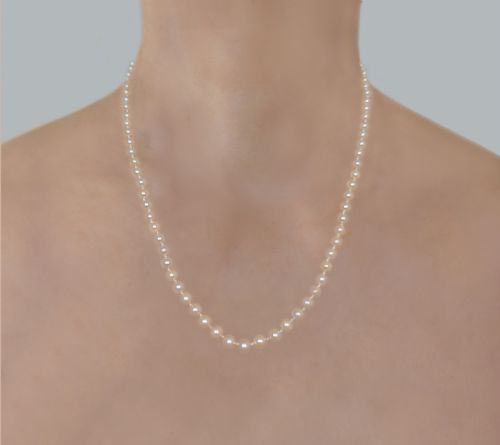
Cultured pearl strands require careful handling because silk thread stretches and weakens over time. If a necklace has been recently restrung, it handles regular wear better, though contact with perfumes and cosmetics should still be minimised.
Store pearl strands flat in a soft pouch rather than hanging them to prevent stretching the internal cord.
How can I identify the period of an estate ring?
Examine the metal choices, gemstone cuts and overall construction motifs to determine the era. Platinum and white gold geometric work typically points to the 1920s or 1930s, while heavier textured gold and abstract cluster patterns often indicate 1950s or 1960s production.
Hallmarks stamped inside the band also provide official assay office symbols and maker marks that date the piece accurately.