
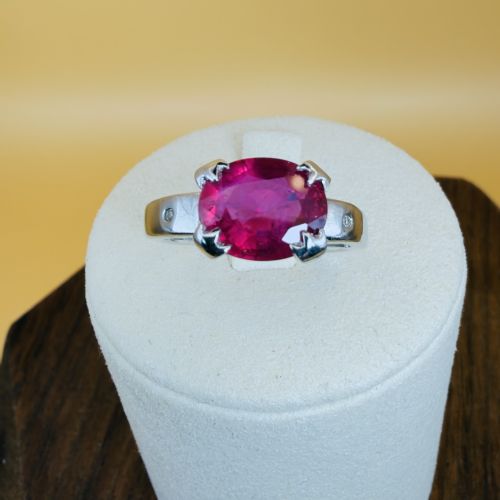
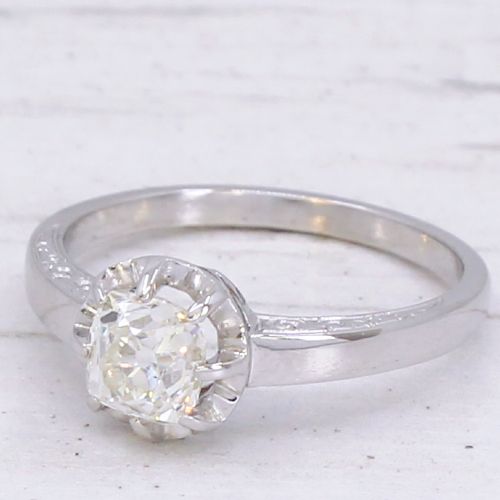
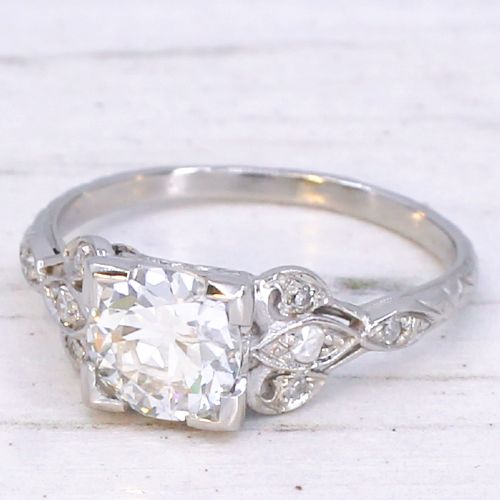


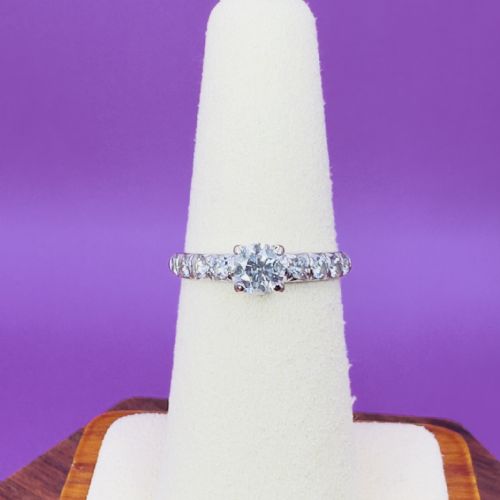


White Gold Solitaire Ring
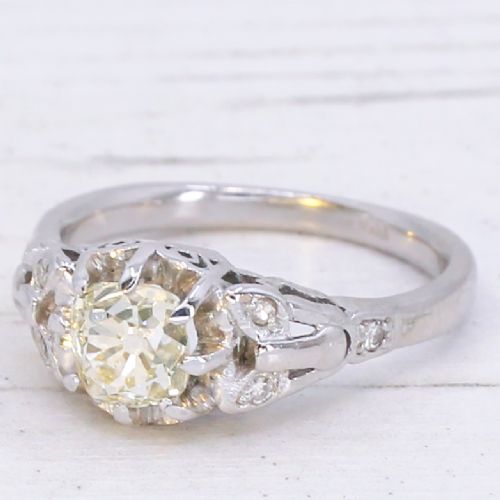
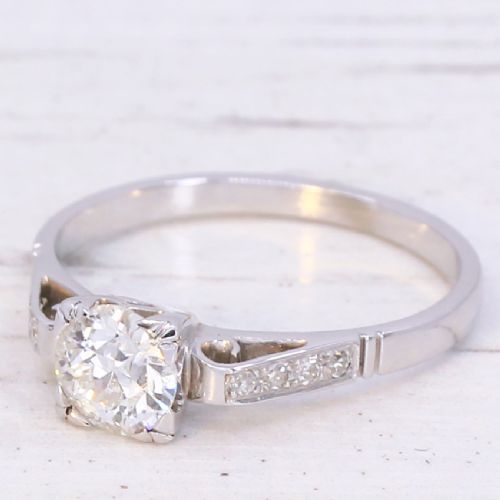
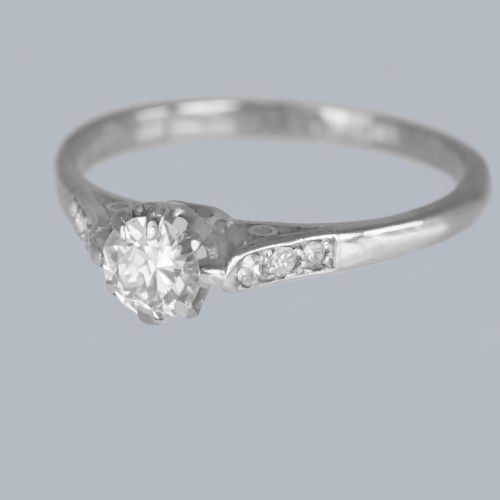
When hunting for a white gold solitaire ring, you are looking at enduring craftsmanship that pairs single-stone focus with pale precious metal.
White Gold Solitaire Ring
The selections span from Edwardian pieces and Art Deco creations through mid-century designs, reflecting shifting tastes in gemstone cuts and band silhouettes.
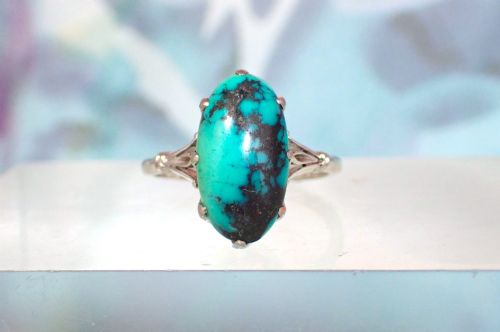
Engagement rings dominate the available forms, though standalone dress rings featuring opal, turquoise, ruby, emerald and sapphire also appear frequently.
How they were made
Goldsmiths utilised 18ct white gold, 14ct white gold and 9ct white gold, frequently combining the alloy with platinum mountings to ensure secure claw settings for the central stones.
Central gems display historical cutting techniques, including old cut, old European cut, transitional cut, brilliant cut, cushion cut and princess cut facets.
Detailed work incorporates diamond-set shoulders, millegrain edges, enamel accents and open-work galleries characteristic of early twentieth century workshops.
White Gold Solitaire Ring Retail Price Guide 2026
Typical asking prices for white gold solitaire ring among the pieces listed under this phrase on Sellingantiques today, from the lower quarter to the upper quarter. They describe what is for sale here now, not the wider market.
What varies in quality
The fineness of the metal alloy and the structural integrity of the setting separate standard commercial pieces from masterwork examples.
Gemstone selection dictates overall merit, where clarity, colour grading, carat weight and the precision of historical hand-cutting elevate certain stones above others.
The preservation of original mounting details, such as crisp millegrain decoration and unaltered shank thickness, determines the enduring integrity of an antique piece.
Georg Jensen·Perroud·Giboulet
The White Gold Solitaire Ring Glossary
- Solitaire
- A ring featuring a single set gemstone, designed to draw full attention to the central stone.
- Old cut
- A traditional hand-cut diamond style featuring a small table, high crown and deep pavilion, common in antique pieces before modern brilliant cutting standards were established.
- Millegrain
- A decorative jewellery technique involving a line of tiny bead-like metal grains along the edges of a setting.
- Transitional cut
- A diamond facet style bridging the gap between old cut stones and modern brilliant cuts, appearing during the mid-twentieth century.
- Shoulders
- The upper sides of a ring band as they approach the central setting, sometimes plain or adorned with smaller diamonds.
White Gold Solitaire Ring: Frequently Asked Questions
How do I date a white gold ring?
Dating relies on stylistic clues such as gallery construction, prong style, and the facet pattern of the central diamond or gemstone. Art Deco and Edwardian examples show distinct geometric or delicate filigree motifs that differ from mid-century designs.
Examining hallmarks and maker stamps inside the band provides further historical context, though many antique rings have lost their stamps through sizing and wear over the decades.
What is an old cut diamond?
An old cut diamond is a historical gemstone shape cut by hand before modern electrical machinery standardised proportions. These stones feature smaller tables and larger culets, giving them a distinct soft gleam under candlelight.
Collectors prize these cuts for their individual character and the way their facets catch ambient light differently than contemporary brilliant cut stones.
Can I wear an antique solitaire daily?
Wearing an antique ring daily is possible with proper care, provided the prongs and setting remain secure and robust. Regular inspections by a jeweller help ensure that historical claws continue to hold the central gemstone safely.
Removing the ring during manual labour, swimming, or heavy lifting prevents unnecessary wear on the white gold band and delicate shoulder details.
Why choose white gold over platinum?
White gold offers a bright, silvery appearance that complements diamonds and coloured gemstones while generally being more affordable than platinum. The alloy provides a sturdy foundation for intricate Edwardian and Art Deco settings.
Over time, white gold may require rhodium plating to maintain its bright white finish, whereas platinum develops a quiet patina through years of wear.