


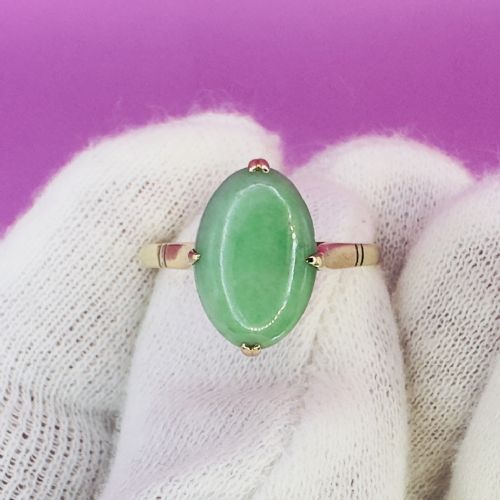


Single Stone Ring
A single stone ring focuses attention entirely on one gem, making it a classic choice for engagement and everyday wear across multiple periods.
Single Stone Ring
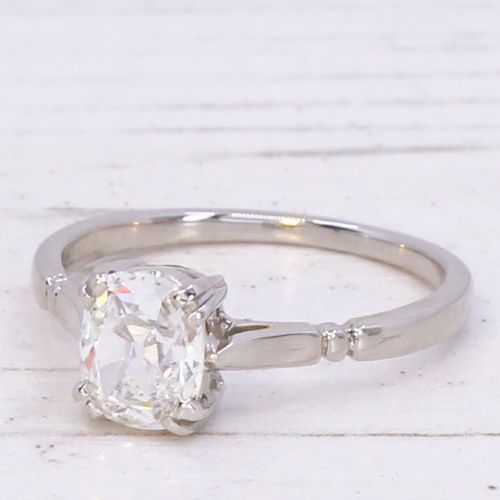
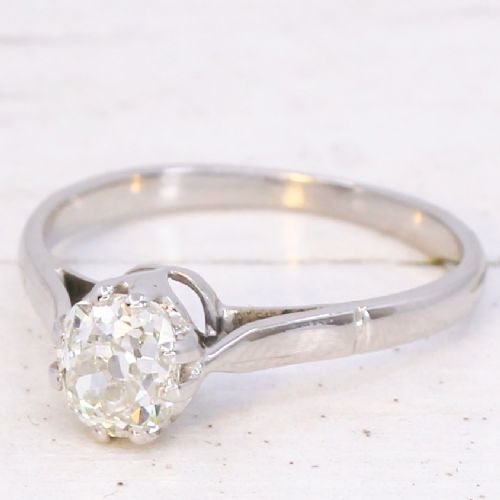
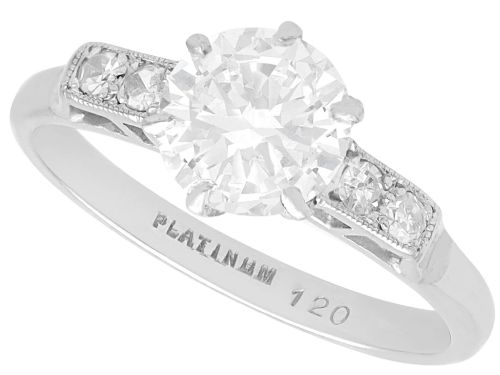
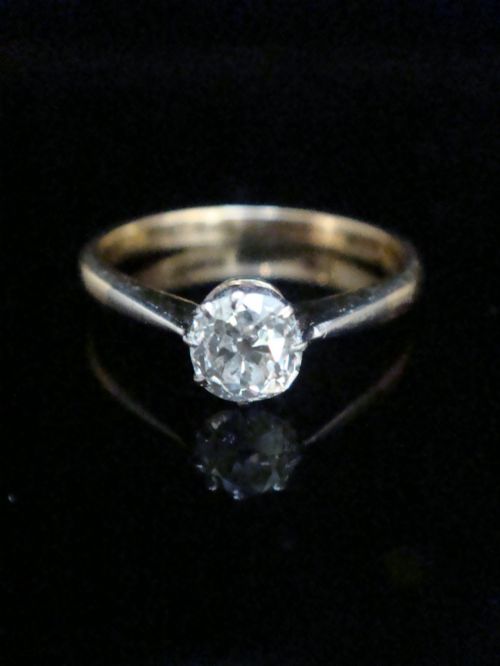
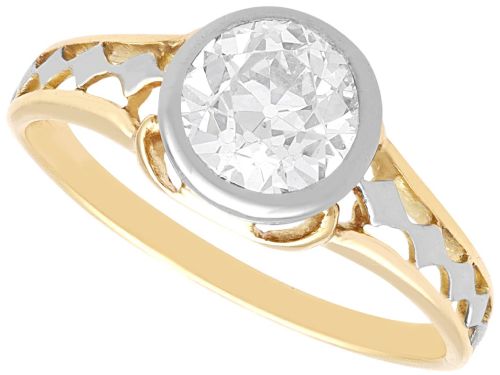
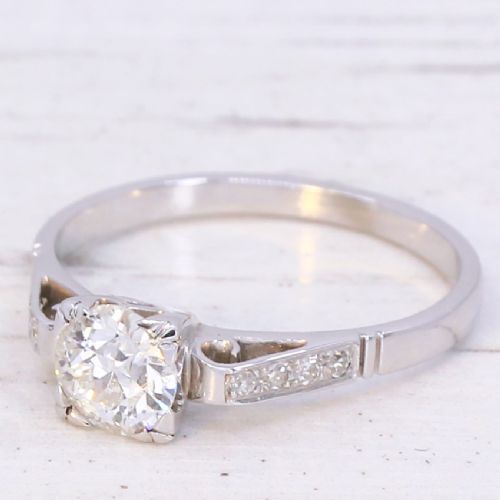
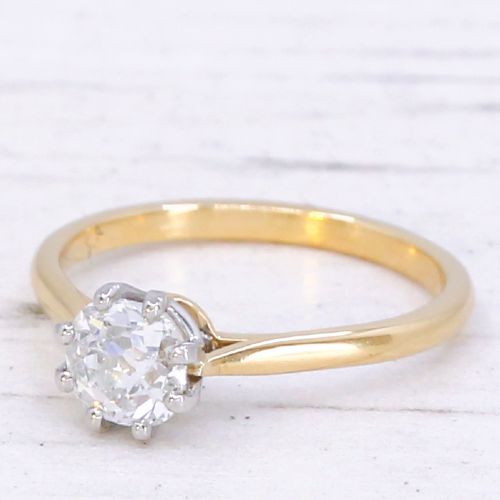
A single stone ring centres on one prominent gem, most frequently a diamond, held securely within a solitaire setting.
Examples on this page span the Victorian, Edwardian, Art Deco, and Mid-Century eras, showing shifts in design from traditional yellow gold to crisp platinum.
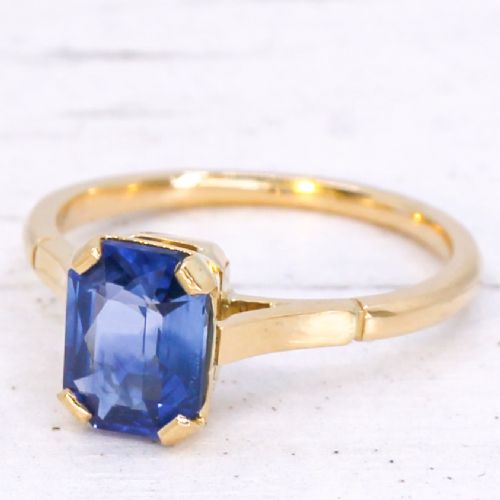
While diamonds dominate, variations feature alternative stones such as sapphire, amethyst, jade, moonstone, and emerald set into bands of platinum or gold.
How they were made
Goldsmiths utilised platinum and various carats of yellow, white, and rose gold to form the bands and settings.
Gemstones received historic cuts such as old European, old cut, pear, cushion, and cabochon, shaping the character of each piece before mounting.
Single Stone Ring Retail Price Guide 2026
Typical asking prices for single stone ring among the pieces listed under this phrase on Sellingantiques today, from the lower quarter to the upper quarter. They describe what is for sale here now, not the wider market.
Listings feature platinum, yellow gold, white gold, and rose gold spanning from the Victorian era through the Mid-Century period.
What varies in quality
The standard of a single stone ring rests upon the visual presence and natural characteristics of the central gem.
Setting execution and metal durability determine how well the structure supports the stone over decades of wear.
The Single Stone Ring Glossary
- Solitaire
- A ring featuring a single prominent gemstone. This design highlights the optical properties of the main stone without distraction from smaller side gems.
- Old European Cut
- An early circular diamond cut featuring a small table, high crown, and large culet. This facet arrangement creates distinct patterns under candlelight.
- Cabochon
- A gemstone shaped and polished with a smooth, rounded surface rather than faceted edges. This technique suits opaque or translucent materials like jade and moonstone.
- Illusion Setting
- A mounting technique where metal encircling the girdle of a diamond is faceted or polished to make the stone appear larger. It gained popularity during the Victorian and Edwardian periods.
- Gypsy Ring
- A style where the gemstone is flush-set directly into the band with tapered shoulders. This design provides a smooth, low-profile finish typical of late nineteenth-century jewellery.
Single Stone Ring: Frequently Asked Questions
How do I date a ring?
Dating relies on observing mounting styles, metal choices, and gemstone cutting techniques. Art Deco pieces often use platinum with geometric motifs, while Victorian examples frequently employ yellow gold.
Examining the specific facet arrangement of the central diamond or gem offers further clues to its period of origin.
Are all solitaire rings diamonds?
Not all single stone rings feature diamonds. While diamonds are common, listings include alternatives such as sapphires, emeralds, amethysts, jade, and moonstones.
Each material brings a distinct colour and visual texture to the solitaire format.
How do I wear an old cut ring?
Old cut diamonds and antique gems pair well with contemporary bands or stand alone as a statement piece. Their softer facet sparkle suits everyday wear when handled with reasonable care.
Matching the metal tone of the setting with other jewellery helps create a cohesive appearance.