

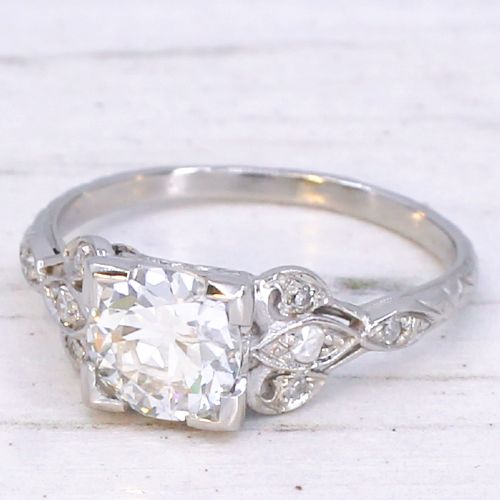
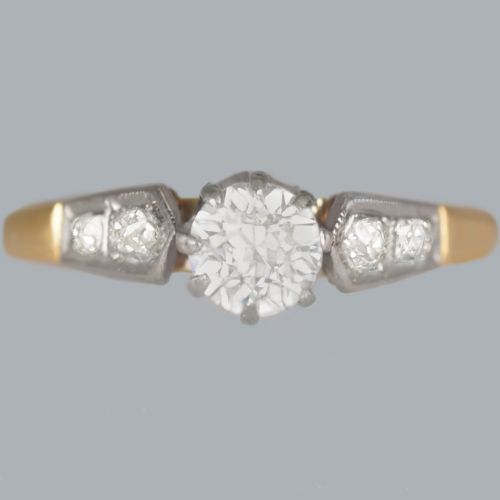
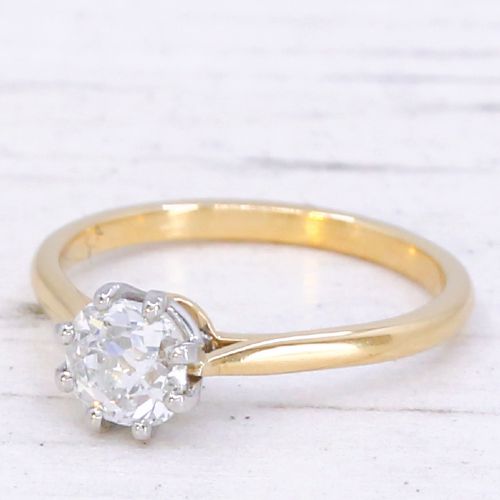
Old Cut Solitaire
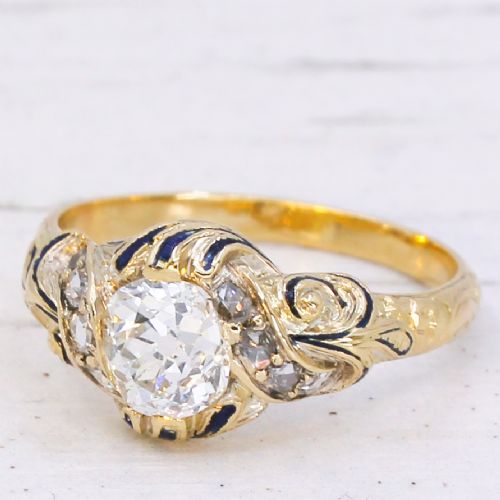
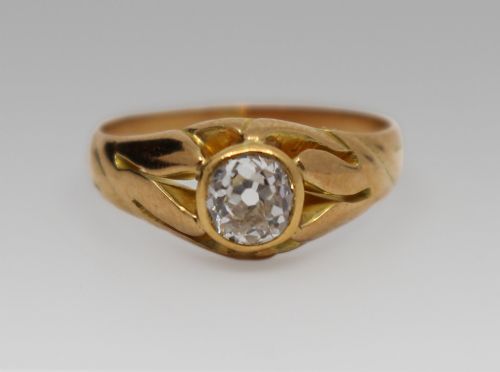
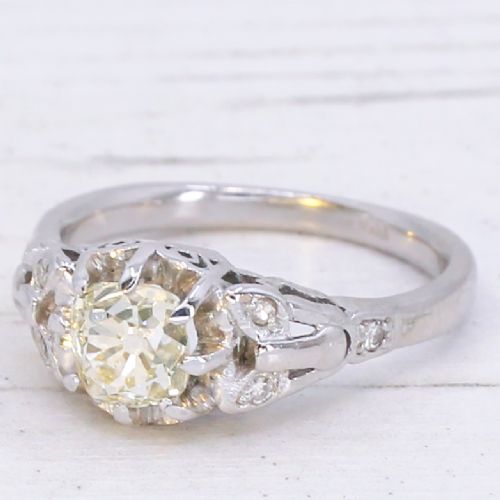
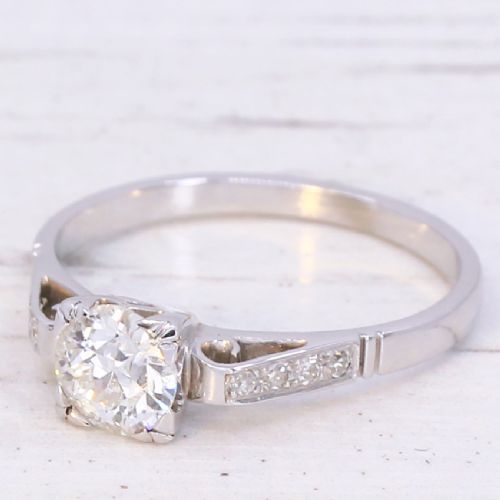
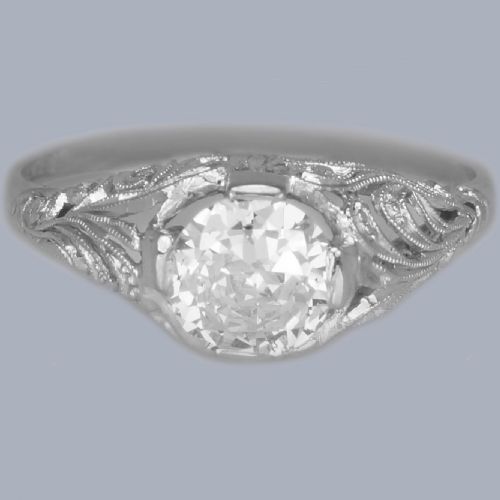
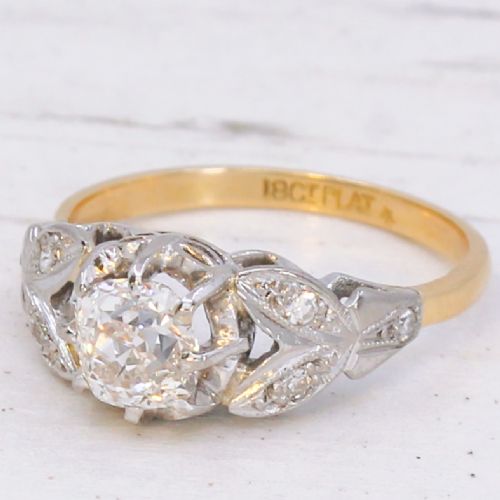
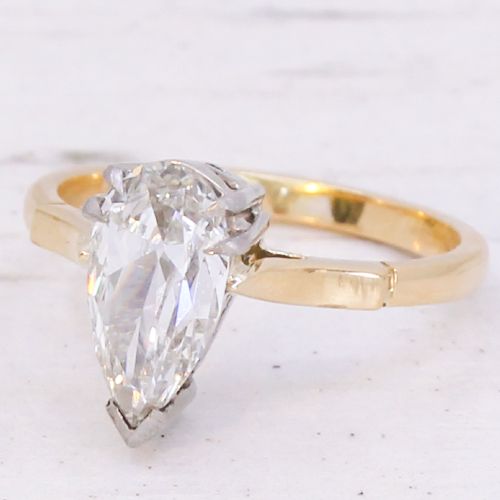
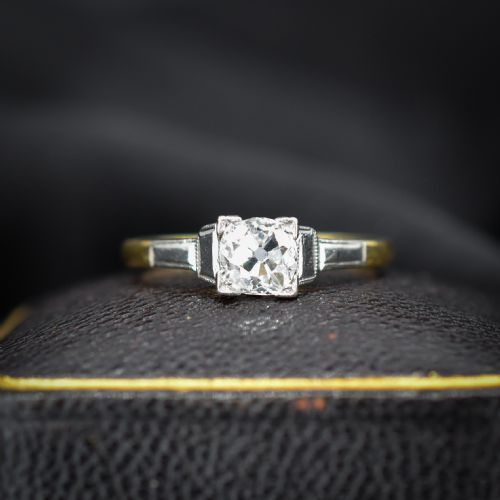
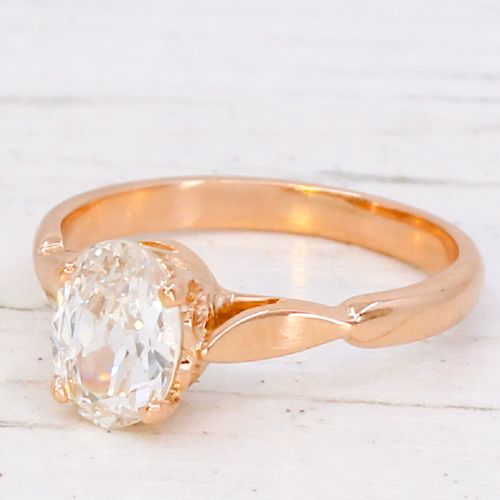
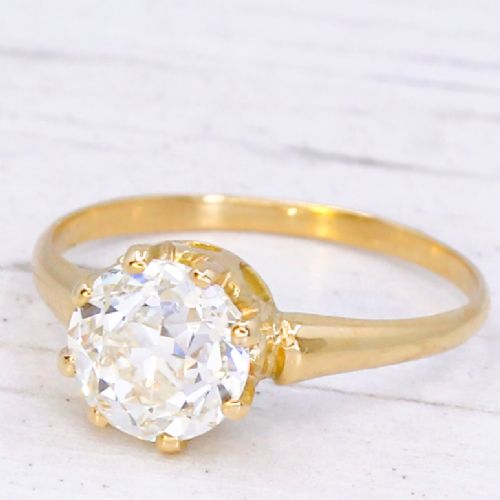
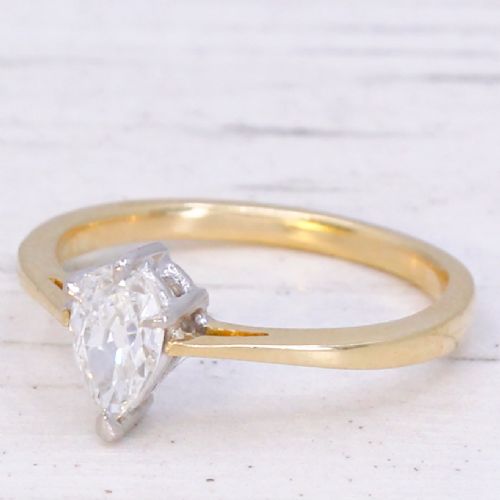
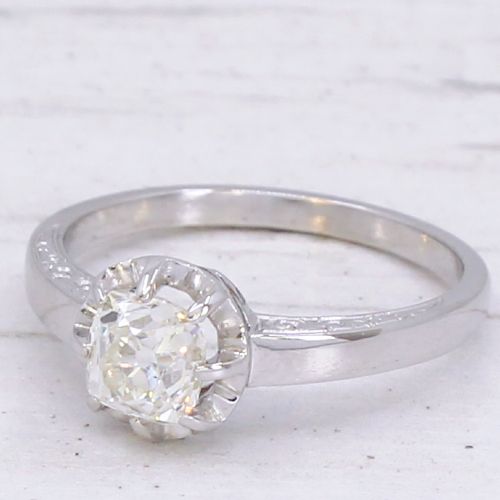
An old cut solitaire brings together the distinctive geometry of hand-faceted stones and the enduring appeal of single-stone designs.
Old Cut Solitaire
How They Were Made
Gems in these pieces were shaped by hand under magnification, resulting in deeper pavilions, smaller tables, and large culets that produce a softer, candlelit sparkle rather than the sharp brilliance of modern machine-cut stones.
Metalwork relies heavily on durable platinum and various carats of yellow, rose, and white gold, often shaped into Edwardian filigree or sleek Art Deco geometric mounts.
Listings feature pieces spanning from the 18th century through the 1960s, utilising diamonds, sapphires, garnets, emeralds, topazes, and amethysts set in platinum and various gold carats.
What Varies in Quality
The harmony between the central stone and its setting dictates the overall standard of a piece. Superior examples show meticulous claw work or bezel shaping that secures the gem without obscuring its natural contours.
Integrity of the metalwork also matters significantly, as original prongs and delicate gallery wire must survive decades of wear while maintaining their structural strength.
The Old Cut Solitaire Glossary
- Old European Cut
- A round diamond cut popular in the late nineteenth and early twentieth centuries featuring a high crown and small table.
- Old Mine Cut
- An earlier cushion-shaped diamond cut with a nearly square girdle, high crown, and large culet, shaped entirely by hand.
- Solitaire
- A piece of jewellery featuring a single central gemstone mounted alone to highlight its individual characteristics.
- Culet
- The small facet at the bottom tip of a gemstone, often clearly visible as a tiny flat plane in older cut stones.
- Transition Cut
- A diamond cutting style from the second quarter of the twentieth century that bridges older hand-faceting methods and modern brilliant standards.
Old Cut Solitaire: Frequently Asked Questions
How do I care for an old cut solitaire ring?
Clean your jewellery gently using warm soapy water and a soft brush to remove everyday oils without disturbing the setting.
Have a professional jeweler inspect the claws and band periodically to ensure the stone remains securely held.
Can I wear an antique solitaire every day?
Many people wear these historic rings daily, provided the metalwork and settings are sturdy and checked regularly for wear.
Removing the ring during heavy manual tasks helps protect delicate antique mountings from accidental damage.
What is the difference between old mine and old European cuts?
Old mine cuts tend to have a cushion or slightly squarish outline reflecting earlier hand-polishing techniques from the Victorian era.
Old European cuts feature a rounder girdle and more symmetrical facet arrangement developed closer to the Edwardian and Art Deco periods.
How can I tell the period of a solitaire?
Stylistic clues such as Edwardian platinum lace-work or geometric Art Deco lines provide a clear indication of when a piece was made.
Material choices like rose gold or specific hallmarks can also help narrow down the decade of manufacture.