

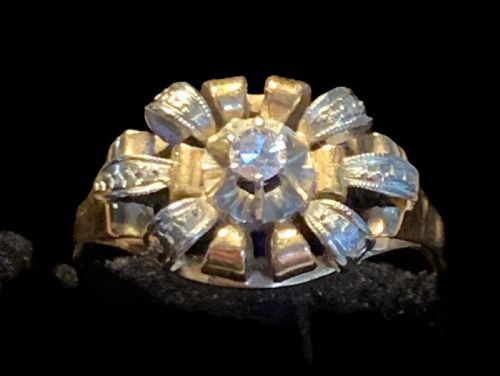
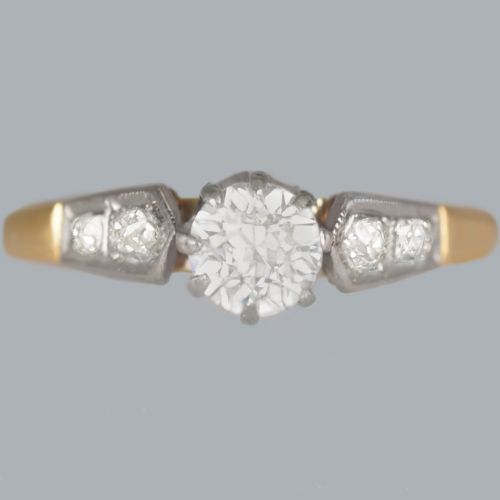
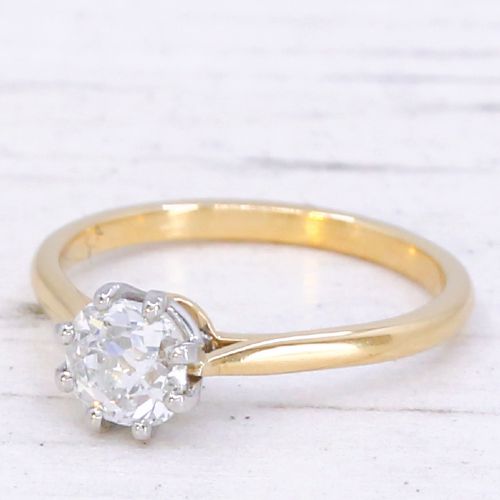
Art Deco Solitaire
Art deco solitaire pieces bring together geometric restraint and single-stone focus in rings, pendants, and boards.
Defining Art Deco Solitaire
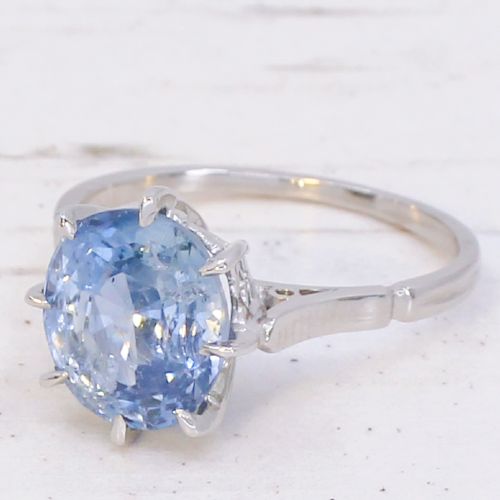
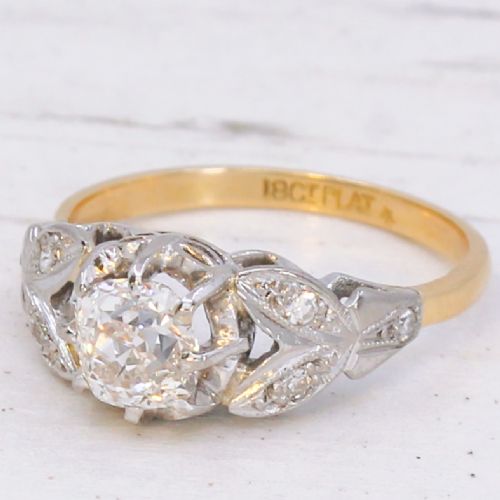
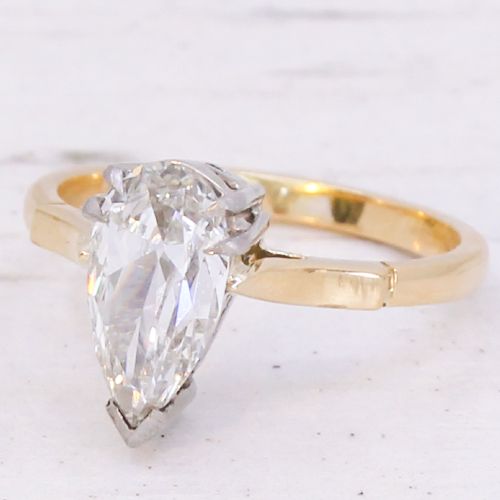
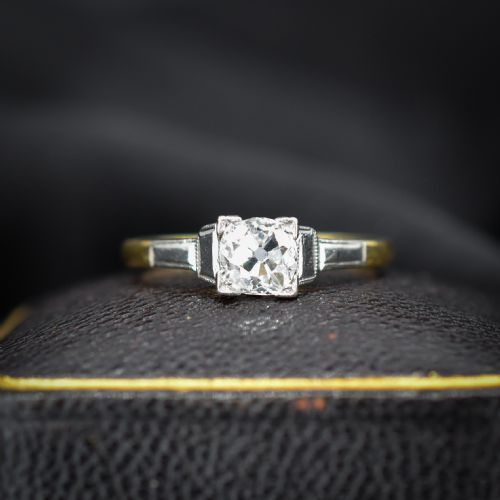
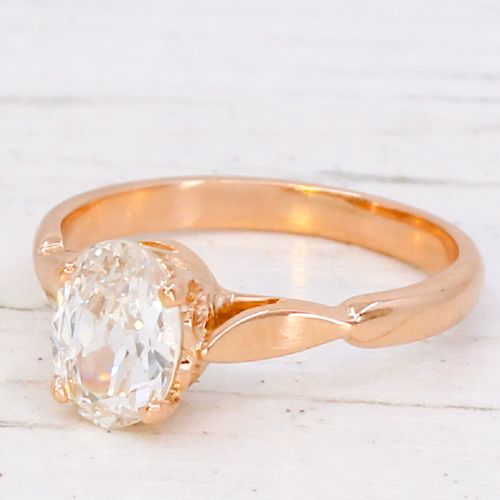
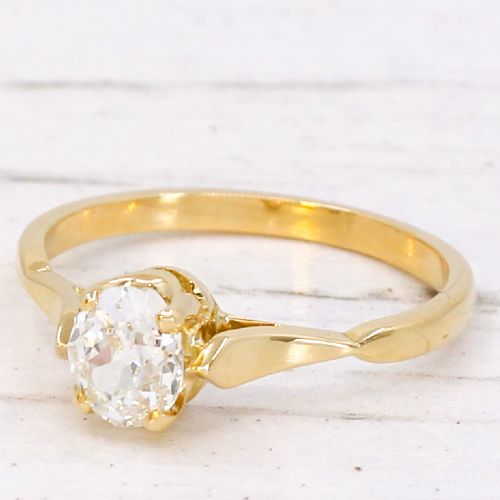
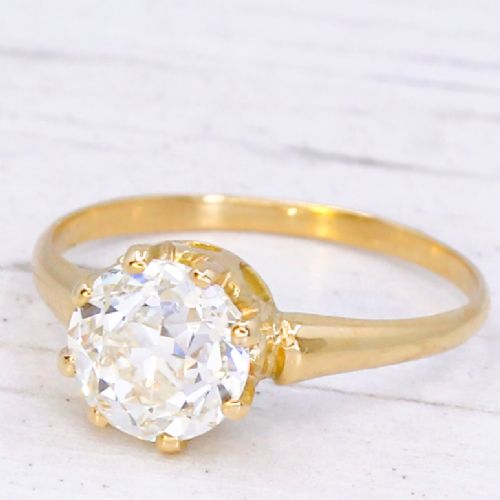
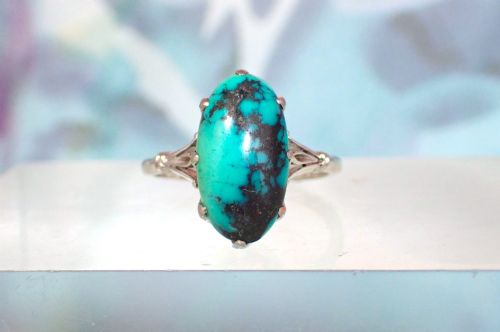
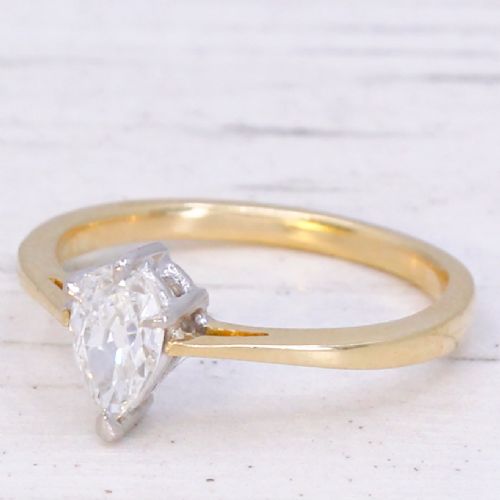
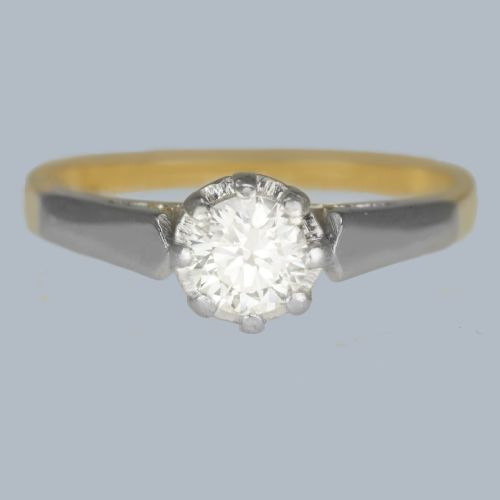
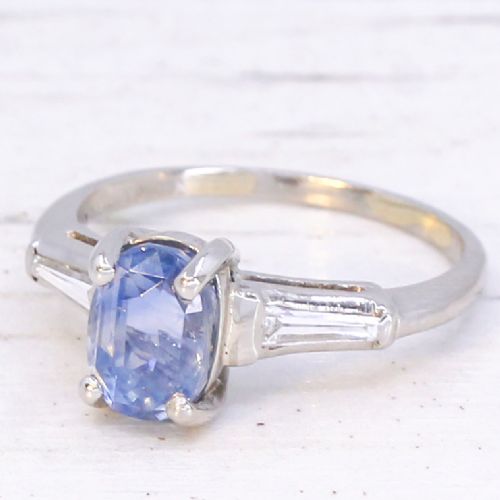
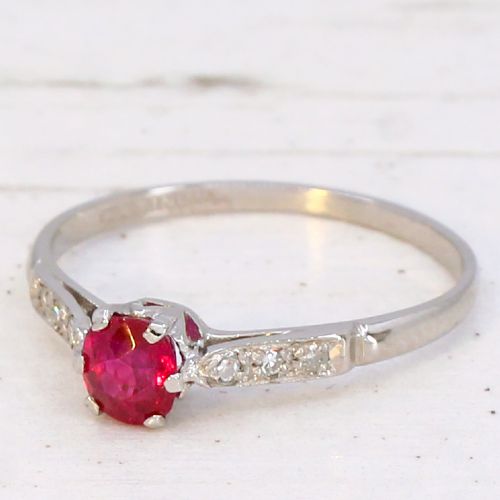
Art deco solitaire pieces focus attention on a single central stone, whether diamond, sapphire, emerald, opal, aquamarine, rock quartz, or malachite. Rings dominate the selection, alongside pendants and gaming boards.
The period spans the decades from nineteen fifteen to nineteen forty, capturing the transition from Edwardian delicacy to modernist geometry. Platinum and gold settings frame single stones, while alternative materials such as malachite and marble appear in board games.
Materials and Construction
Goldsmiths and platinum smiths utilised platinum alongside eighteen carat yellow gold, white gold, rose gold, nine carat gold, and sterling silver. Metalwork ranges from delicate platinum claws holding diamonds to robust silver and brass mounts.
Stones receive period cuts including old mine cuts, old European cuts, and old oval cuts. Boards combine carved malachite and marble with corresponding marbles for gameplay.
Retail Price Guide 2026
Typical UK retail prices for art deco solitaire, calculated from the Sellingantiques database of over a million retail prices indexed since 2003. This retail price guide relies exclusively on Sellingantiques data; no external sources or auction records are used, so the figures do not describe the wider market.
Listings span nineteen fifteen to nineteen forty, featuring platinum, gold, silver, brass, malachite, marble, diamonds, sapphires, emeralds, aquamarines, opals, and rock quartz.
Judging Quality and Execution
Quality rests in the relationship between the central stone and its metal mount. Superior examples balance stone weight with refined platinum or gold prongs that secure the gem without obscuring its facets.
The choice of materials dictates distinction, with unheated sapphires, untreated emeralds, and substantial old cut diamonds representing the upper tier. Craftsmanship shows in the precision of the setting and the integrity of the surviving materials.
The Art Deco Solitaire Glossary
- Solitaire
- A piece of jewellery or a game designed around a single central stone or piece. In rings and pendants, this places undivided focus on one dominant gem.
- Old cut
- A diamond cut characteristic of the period, featuring smaller tables and high crowns. These cuts produce a distinctive pattern of light diffusion compared to modern brilliant cuts.
- Platinum
- A dense, durable white metal favoured for jewellery during the period. It allowed makers to construct secure yet fine settings for diamonds and coloured gemstones.
- Malachite
- An opaque, green copper carbonate mineral with banded patterns. It forms the base for carved solitaire boards found in the period.
- Unheated
- A term applied to natural sapphires that have undergone no thermal enhancement. Such stones hold higher significance for collectors seeking untouched minerals.
Frequently Asked Questions
Are all solitaire pieces rings?
No, while rings make up the majority of surviving examples, the category also includes pendants, earrings, and board games.
Items such as malachite solitaire boards utilise the same single-piece focus within a domestic or decorative context.
Which metals are common in these pieces?
Platinum is the most prevalent metal, often paired with eighteen carat yellow gold, white gold, rose gold, nine carat gold, or silver.
Jewellery makers frequently combined platinum heads with gold shanks during the period to secure white diamonds effectively.
How do I identify an old cut diamond?
Old cut diamonds display smaller tables, higher crowns, and larger culets than modern stones. These characteristics produce distinctive light refraction under candlelight or ambient indoor lighting.