
Antique Diamond Cluster
An antique diamond cluster combines a central gem surrounded by smaller stones, offering distinct periods and forms to collectors.
Antique Diamond Cluster
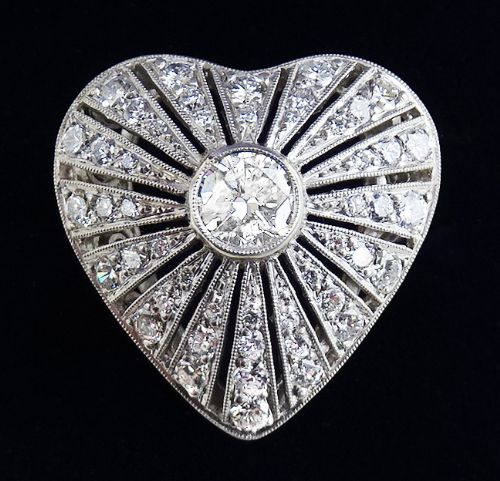
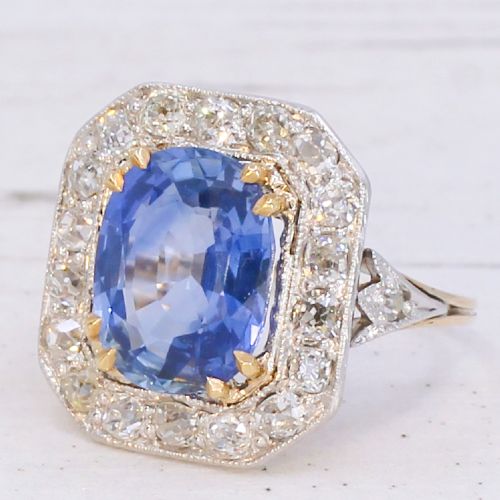
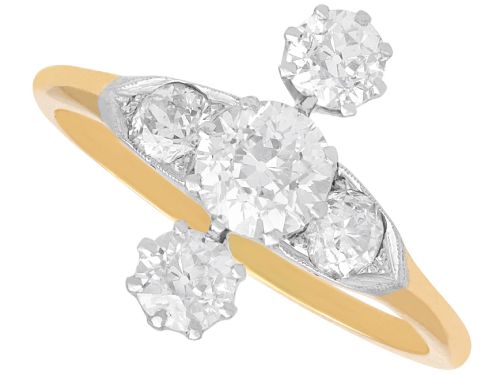
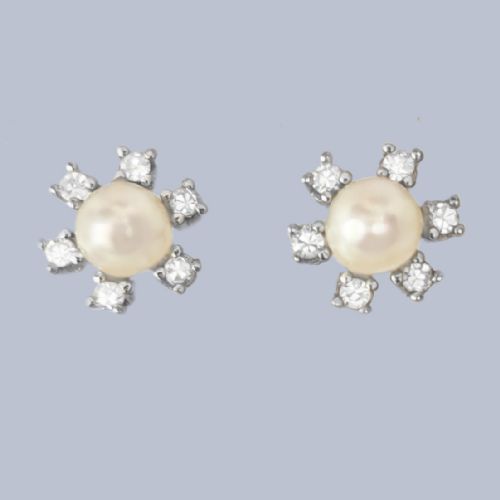
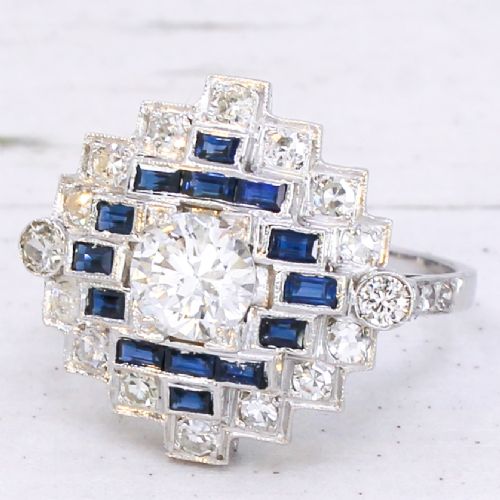
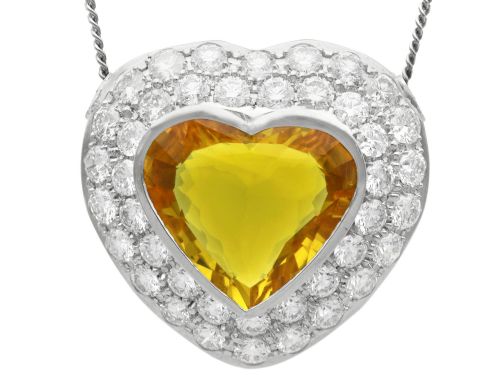
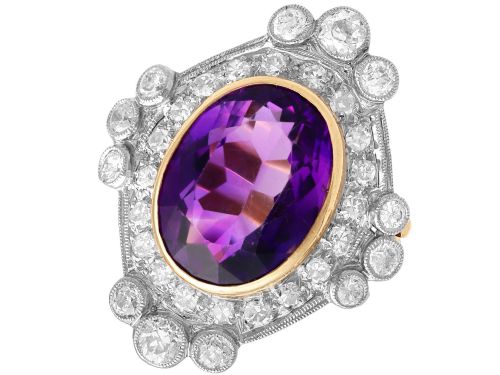
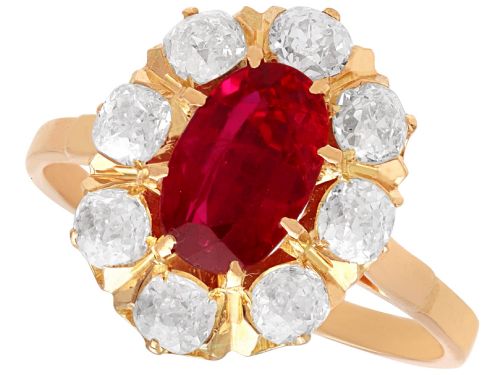
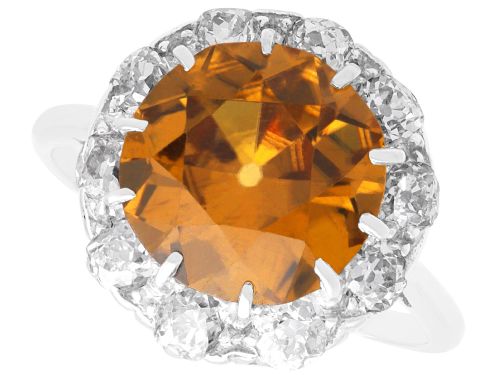
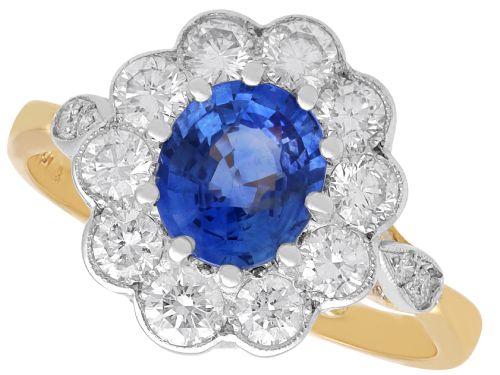
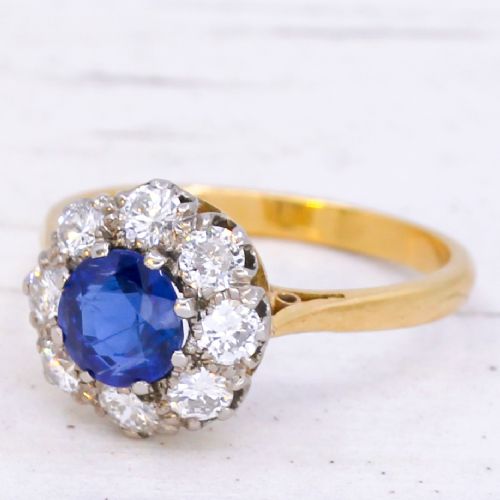
An antique diamond cluster centres on a primary gemstone or diamond surrounded by a border of smaller diamonds, creating a pronounced focal arrangement. Buyers searching for an antique diamond cluster encounter pieces originating from Victorian, Edwardian, Art Deco, and mid-century periods.
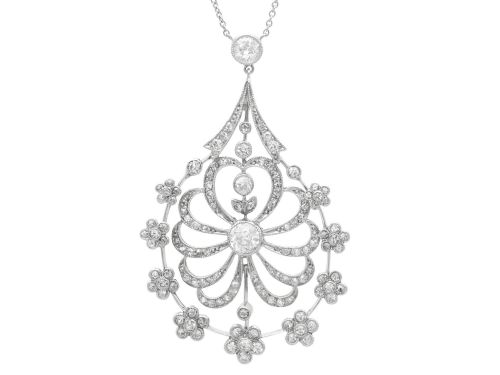
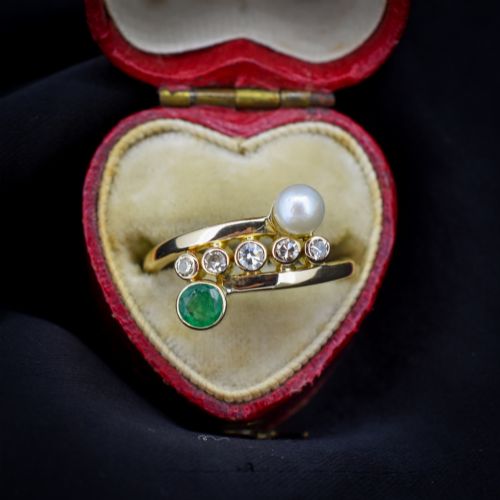
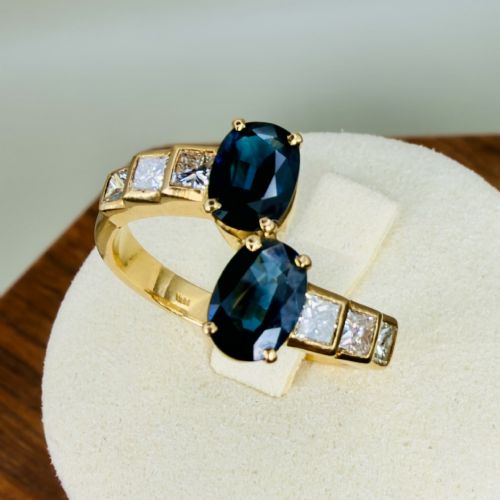
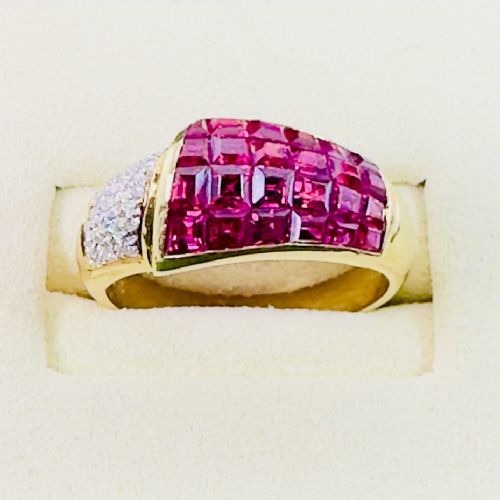
The format extends across multiple object types, though rings form the majority of listings alongside brooches, earrings, and pendants. Pieces utilise gold in yellow, white, and 18ct varieties, as well as platinum, often pairing diamonds with rubies, sapphires, emeralds, opals, or pearls.
How they were made
Gems are secured using traditional techniques appropriate to their period, such as bead setting, claw work, and millegrain edging. Stones incorporate old cut diamonds alongside specific gem origins like Colombian emeralds, Burmese rubies, and Ceylon sapphires.
Listings span from the Victorian period through Edwardian and Art Deco eras into the 1960s, utilising platinum, yellow gold, and white gold.
What varies in quality
The distinction between tiers rests upon stone proportion, colour saturation in accompanying gems, and the precision of metalwork. Superior examples display harmonious scaling between the central stone and the surrounding cluster border.
Execution of fine details, such as even millegrain work and secure stone integration without excessive metal bulk, separates standard production from exceptional goldsmithing.
The Antique Diamond Cluster Glossary
- Cluster
- A jewellery arrangement featuring a central stone encircled by a ring of smaller stones. This design maximises visual impact and light reflection.
- Millegrain
- A decorative technique involving a row of small, raised metal beads along the edge of a setting. It creates a soft, textured border typical of Edwardian and Art Deco jewellery.
- Old cut
- A diamond facet style hand-cut before modern brilliant cutting standards were established. These stones typically exhibit smaller tables and higher crowns.
- Navette
- A boat-shaped ring or brooch design with pointed ends. The elongated silhouette sits flat along the finger.
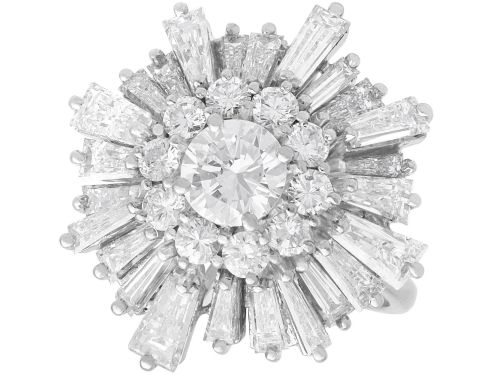
- Ballerina ring
- A cluster style featuring a central stone framed by tapered baguettes or multiple rows of diamonds that resemble a dancer's tutu. This form is particularly associated with Art Deco design.
Antique Diamond Cluster: Frequently Asked Questions
How do I wear an antique cluster ring?
These rings work well as standalone engagement pieces or distinctive dress rings on the hand.
Consider the profile height and stone settings when pairing them with wedding bands to ensure a flush fit.
What periods do these rings come from?
The available selection spans Victorian, Edwardian, Art Deco, and mid-century eras.
Each era brings distinct metal choices, such as platinum for the 1920s and yellow gold for the 19th century.
Are coloured stones common in these designs?
Many clusters frame a central sapphire, ruby, emerald, opal, or pearl with a border of diamonds.
These central gems often carry specific geographic origins noted in the documentation.
How should I clean my cluster jewellery?
Use warm water, mild soap, and a soft brush to remove everyday debris from beneath the stone settings.
Avoid harsh chemical dips, particularly if the piece incorporates pearls, opals, or softer gems.