

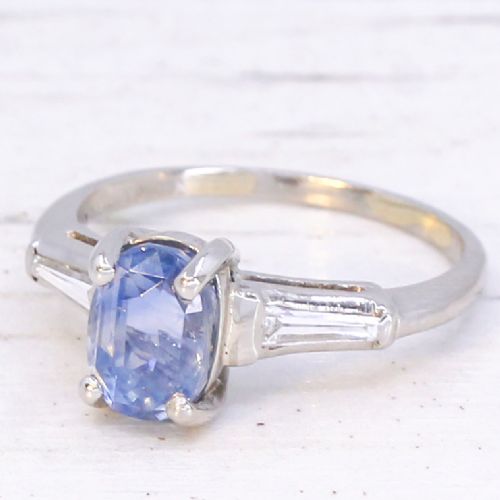
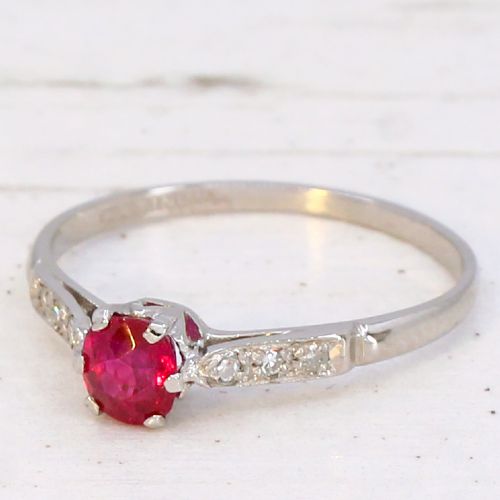
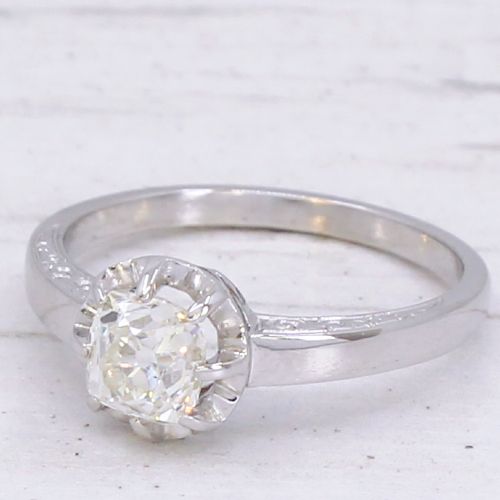
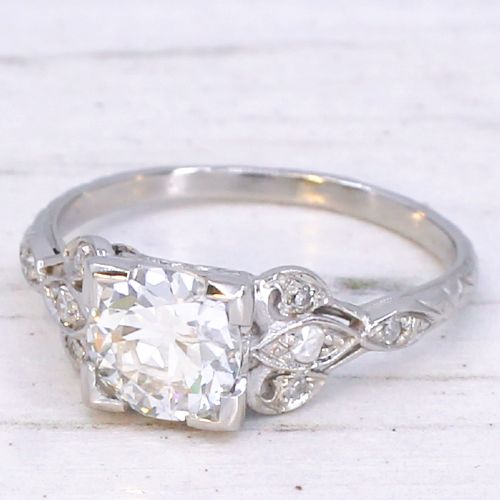
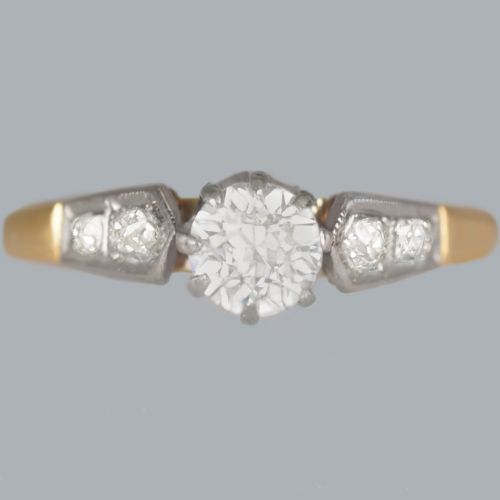
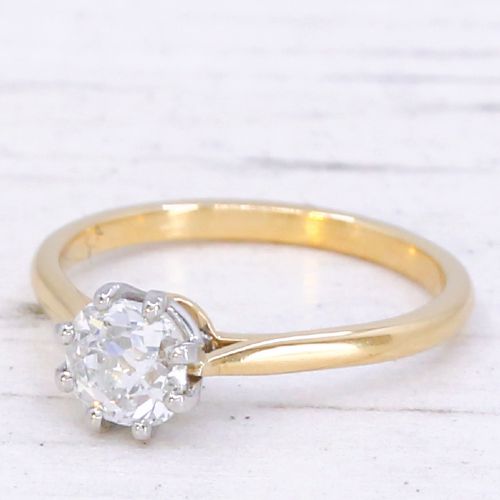
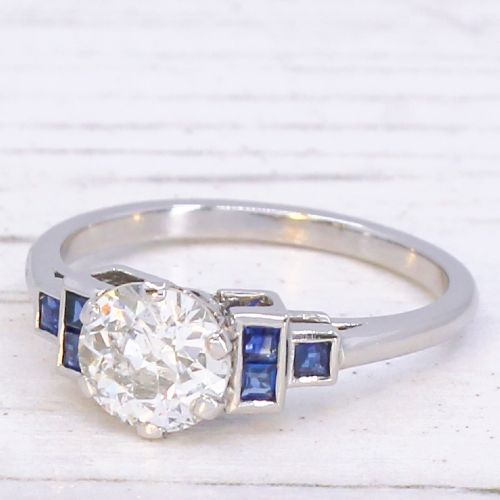
Platinum Diamond Solitaire
A platinum diamond solitaire pairs a single, prominent stone with durable, bright metal to create an enduring symbol of commitment.
Platinum Diamond Solitaire
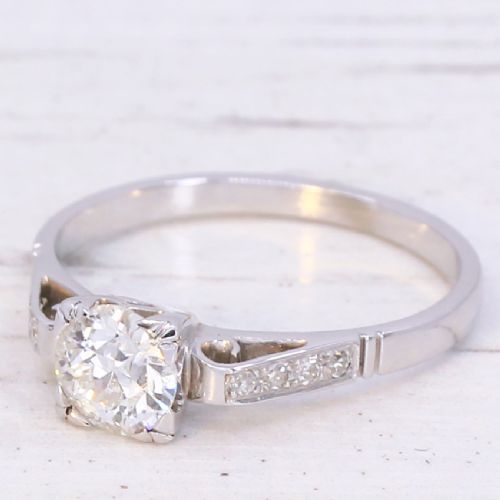
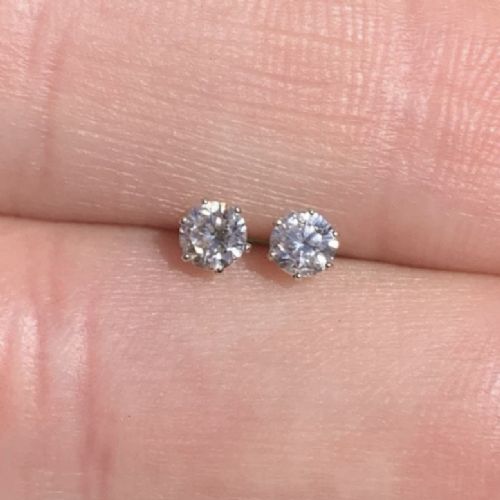
A platinum diamond solitaire focuses entirely on one central stone held securely in a minimal precious metal setting. These pieces span engagement rings, dress rings, pendants, and stud earrings created across the early to mid-twentieth century.
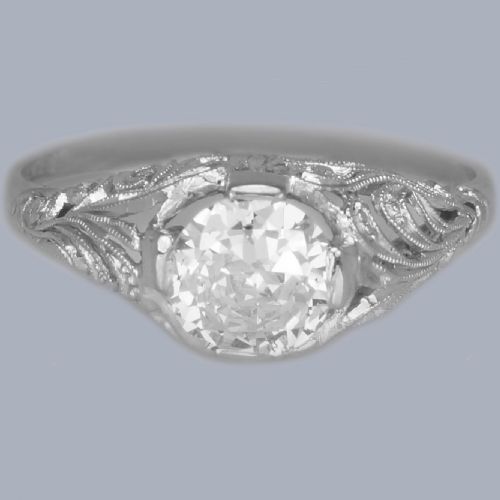
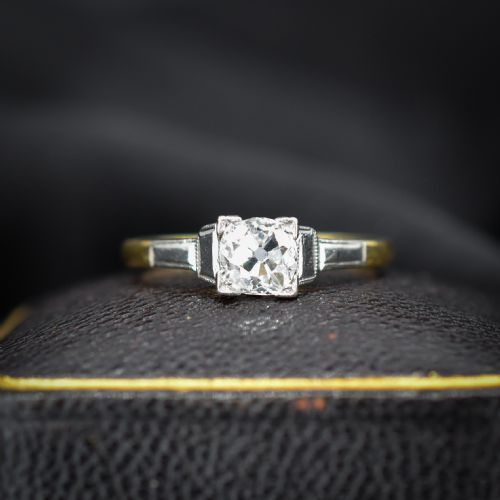
The version most frequently met on this page is the Edwardian or Art Deco ring featuring an old-cut diamond mounted in heavy platinum. These items reflect the shifting geometric lines and delicate openwork characteristic of the 1910s through the 1940s.
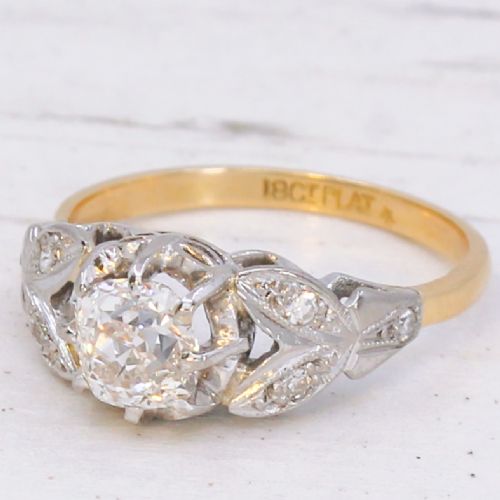
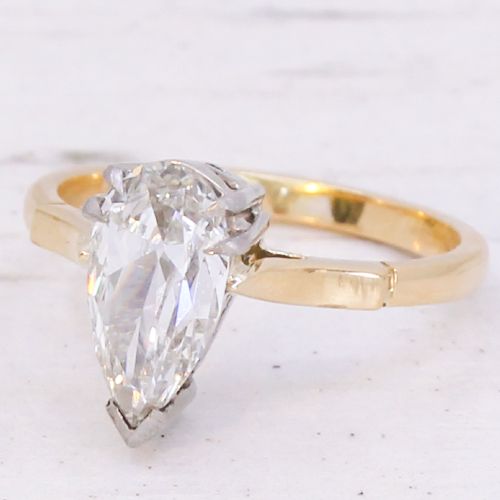
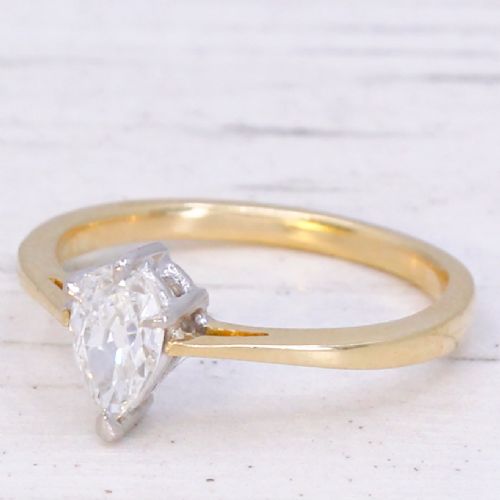
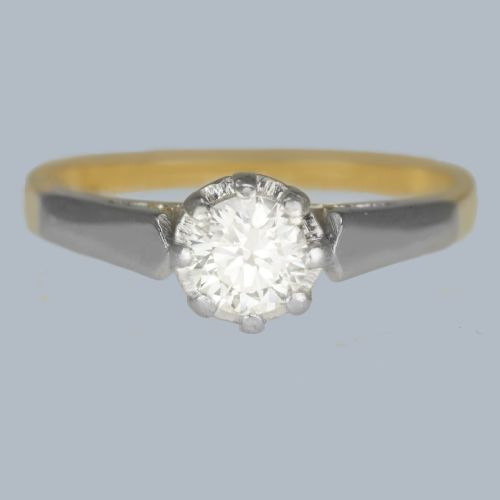
The selection also includes mid-century examples from the 1950s and 1960s alongside hybrid pieces combining platinum settings with yellow or white gold bands. Pendants and earrings offer alternative ways to wear the single-stone focus beyond the hand.
How they were made
Master jewellers utilised platinum for its exceptional tensile strength, allowing them to fashion delicate claws and secure settings that maximised light entry into the diamond. This dense white metal was frequently combined with 18ct yellow or white gold for the ring shanks.
Diamonds encountered in these pieces were cut by hand, resulting in characteristic antique facets such as old European cuts, old mine cuts, and transitional cuts. These hand-cut stones exhibit broader facet patterns that catch candlelight and low illumination differently than modern brilliant cuts.
Platinum Diamond Solitaire Retail Price Guide 2026
Typical asking prices for platinum diamond solitaire among the pieces listed under this phrase on Sellingantiques today, from the lower quarter to the upper quarter. They describe what is for sale here now, not the wider market.
Listings span periods from the 1870s through the 1960s, uniting platinum, diamonds, and occasional sapphires or rubies.
What varies in quality
The calibre of a platinum diamond solitaire rests upon the optical life and cutting precision of the central stone, alongside the structural integrity of the metalwork. Hand-cut antique diamonds display distinct proportions where table sizes and culet dimensions influence light return and visual depth.
Craftsmanship shows in the delicacy of the claw work, the symmetry of the gallery, and the preservation of original millegrain detailing along the platinum edges. Pieces retaining their proportional balance and uncompromised metal thickness represent the upper tier of the range.
The Platinum Diamond Solitaire Glossary
- Solitaire
- A piece of jewellery featuring a single gemstone set by itself. This design draws uncompromised attention to the primary stone.
- Millegrain
- A decorative technique involving a line of tiny, beaded metal dots along the edge of a setting. This method softens hard platinum borders with texture.
- Transition cut
- A diamond facet style used during the shift from old cuts to modern brilliant cuts between the 1920s and 1940s. These stones combine deep proportions with narrower facet arrangements.
- Culet
- The small facet or point at the absolute bottom of a gemstone. Antique stones often possess a visible flat culet designed to prevent chipping.
Platinum Diamond Solitaire: Frequently Asked Questions
How do I clean my platinum ring?
Warm water mixed with mild washing liquid and a soft-bristled brush will safely dislodge everyday oils from beneath the diamond setting. Avoid harsh chemical cleaners that can damage secondary gems or vintage metals.
Pat the piece dry with a lint-free cloth rather than leaving it to air dry. Periodic checks by a specialist ensure the platinum claws remain tight around the stone.
Are old cut diamonds different?
Antique diamonds were shaped entirely by hand under natural light, resulting in proportions that differ significantly from modern machine-cut stones. Their broader facets produce flashes of pattern rather than intense white sparkle.
This distinct optical behaviour gives antique solitaires a quieter, more historic charm under indoor lighting. Each stone possesses unique asymmetry that reveals its individual origin.
Can I wear this every day?
Platinum provides exceptional durability and resistance to wear, making it a reliable choice for daily use on the hand. The dense nature of the metal secures the central stone effectively over decades of regular motion.
Prongs and shoulders should still receive annual inspection to catch minor thinning early. Removing rings during heavy manual labour prevents unnecessary physical stress on antique settings.
What is the difference between Edwardian and Art Deco?
Edwardian pieces from the early 1900s rely on lace-like platinum scrollwork, floral motifs, and high-relief openwork. These designs emphasise organic grace and ethereal lightness.
Art Deco items from the 1920s and 1930s transition into stark geometric symmetry, linear patterns, and architectural boldness. Settings during this later era lean towards clean planes and strict angles.