
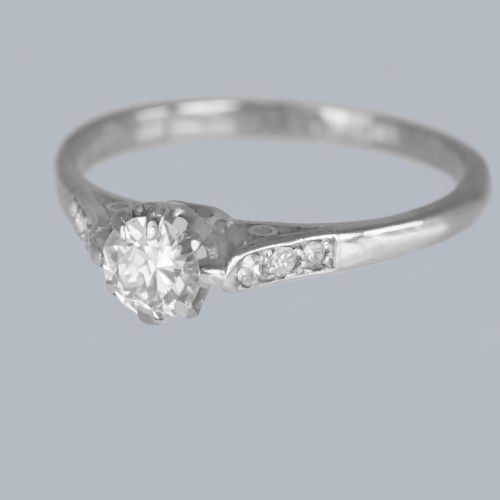
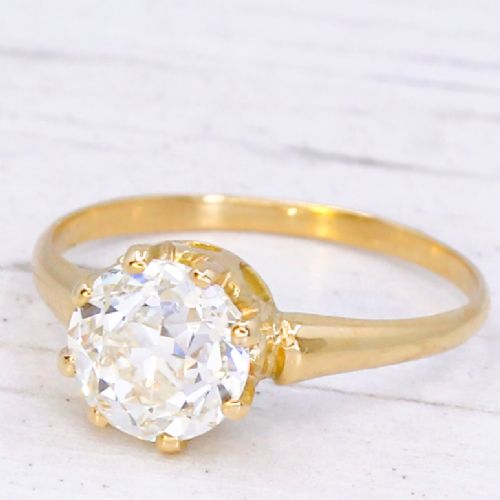
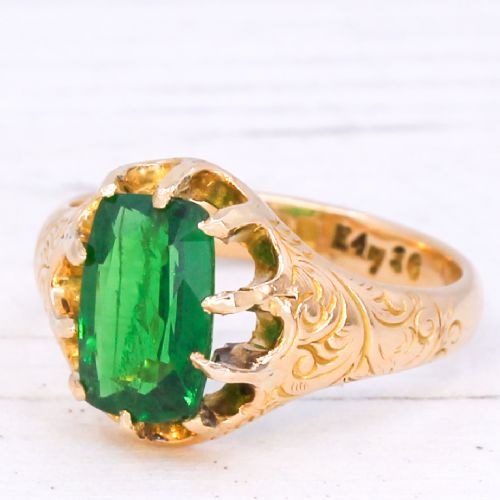
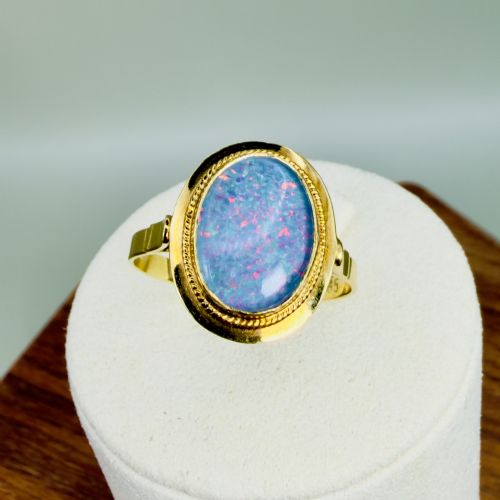
Gold Solitaire Ring
When choosing a gold solitaire ring, you are selecting a single-stone jewel defined by centuries of metalwork and gem-cutting traditions.
Gold Solitaire Ring
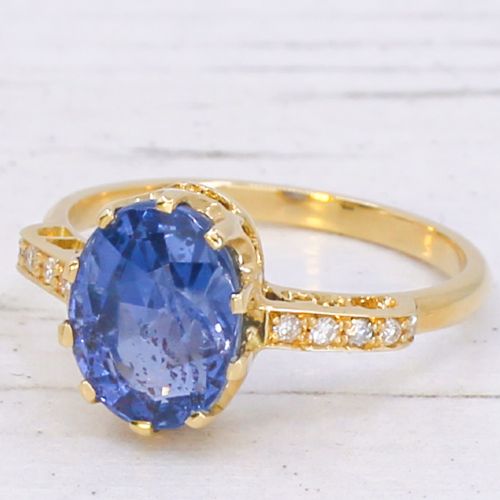
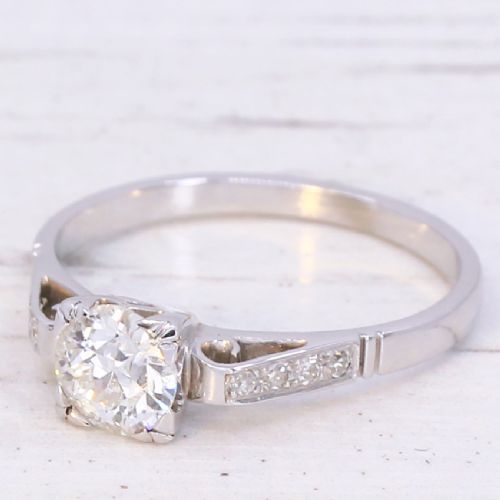
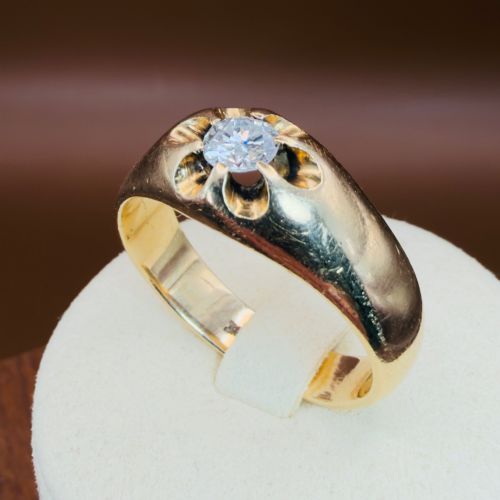
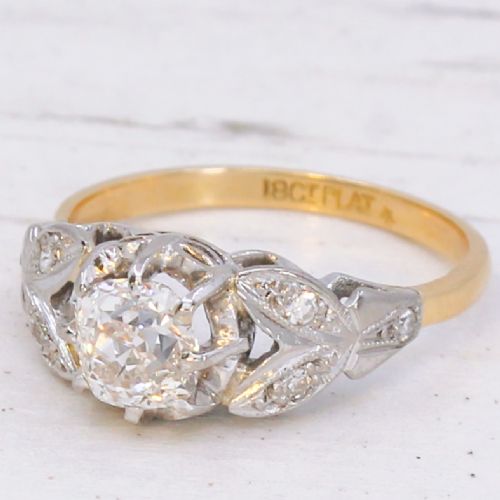
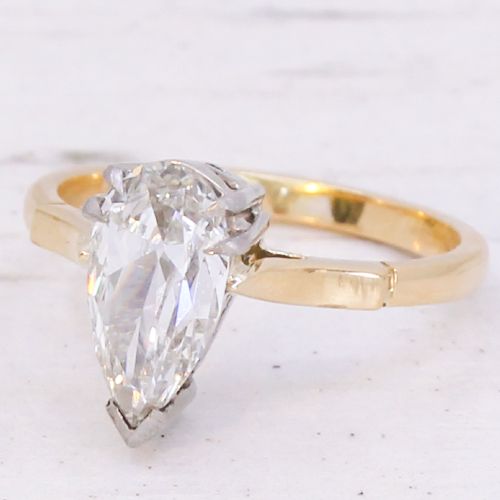
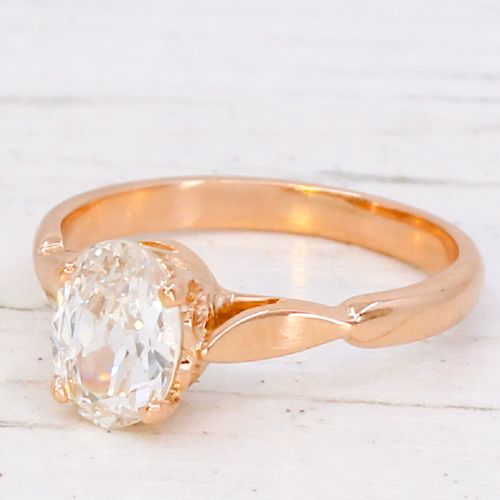
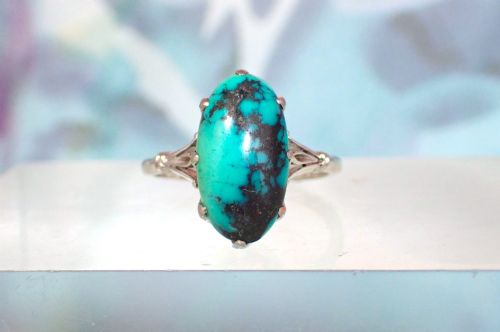
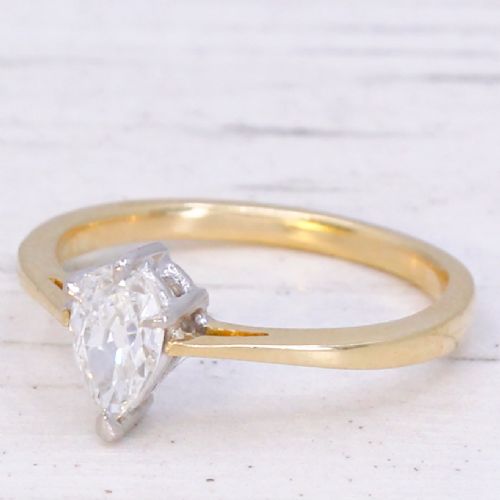
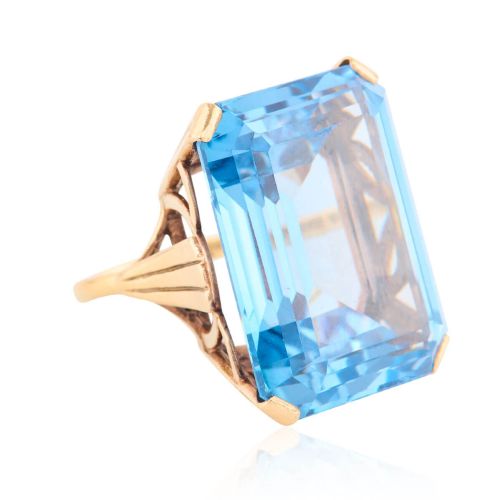
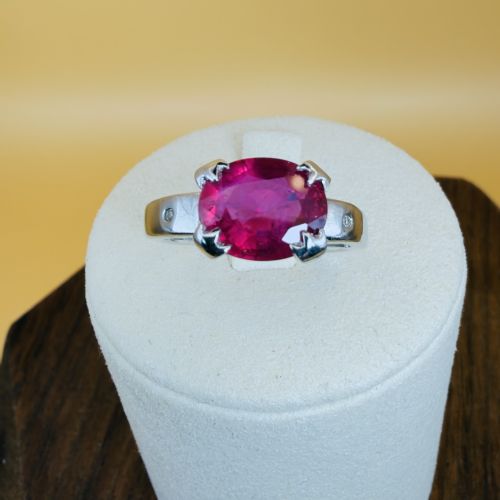
A gold solitaire ring centres on a single prominent gemstone mounted on a precious metal band, serving primarily as an engagement ring or a dress ring. The selection spans periods from the eighteenth century through the Victorian, Edwardian, and Art Deco eras into the mid-twentieth century.
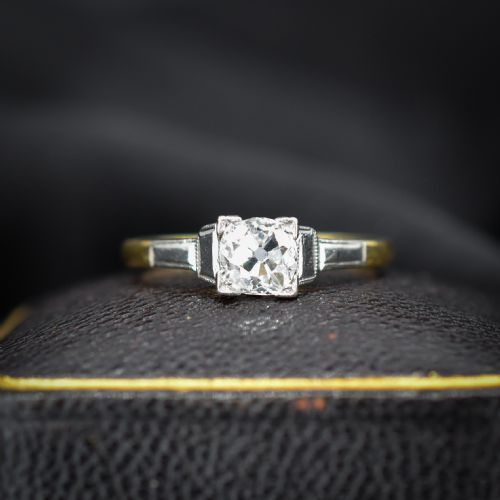
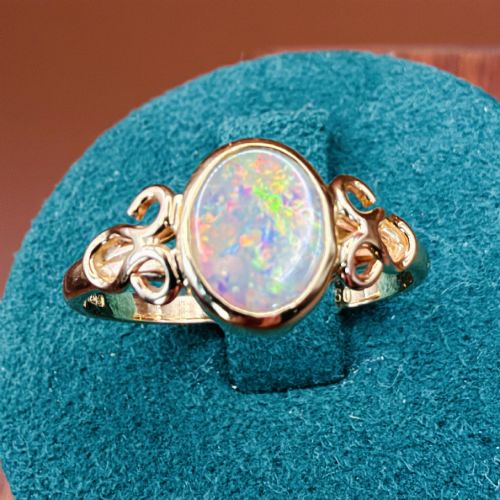
The materials paired with gold include traditional diamonds alongside coloured gems such as sapphires, opals, garnets, amethysts, and emeralds. Designs range from plain yellow gold bands holding old-cut diamonds to intricate platinum-topped Art Deco mountings set with square or pear-cut stones.
How They Were Made
Goldsmiths utilised yellow gold, white gold, and platinum across various purities including nine-carat, fourteen-carat, and eighteen-carat standards. Settings evolved from early closed-back foils and Georgian collets to Edwardian platinum claws and Art Deco geometric bezels designed to maximise light entry.
Gemstones were shaped by hand into old European cuts, old mine cuts, rose cuts, or cabochons. Metal was hand-forged, cast, or pierced to create the galleries and shoulders supporting the central stone.
Gold Solitaire Ring Retail Price Guide 2026
Typical asking prices for gold solitaire ring among the pieces listed under this phrase on Sellingantiques today, from the lower quarter to the upper quarter. They describe what is for sale here now, not the wider market.
Some nineteenth-century gentlemen wore substantial gold signet rings set with fiery carnelian or jasper solitaire stones.
What Varies in Quality
Quality rests in the harmony between the gemstone's optical life and the precision of the metalwork surrounding it. Superior examples display expert stone-cutting that maximises brilliance or depth of colour, paired with secure, hand-finished settings that show minimal wear.
The weight and gauge of the gold band dictate the structural longevity of the piece. Finer items retain crisp millegrain edges, well-defined shoulders, and robust claws that securely anchor the stone without excessive metal bulk.
The Gold Solitaire Ring Glossary
- Solitaire ring
- A ring featuring a single central gemstone mounted on a band. This form places total visual emphasis on the quality and cut of the main stone.
- Old European cut
- An early round brilliant diamond cut characterised by a small table, heavy crown, and large open culet. It produces a distinctive pattern of light return compared to modern brilliant cuts.
- Bezel setting
- A method where a collar of metal surrounds the gemstone, holding it securely by the girdle. This technique was widely utilised in antique and Art Deco designs.
- Millegrain
- A decorative technique consisting of a line of tiny raised metal beads along the edge of a setting. It was especially popular during the Edwardian and Art Deco periods.
- Cabochon
- A gemstone shaped and polished with a smooth, rounded convex surface rather than faceted facets. This cut is typical for opaque or translucent stones like opals, garnets, and chalcedony.
Gold Solitaire Ring: Frequently Asked Questions
What defines a gold solitaire ring?
A gold solitaire ring consists of a precious metal band holding a single focal gemstone. The focus remains entirely on the central stone and the craftsmanship of the mounting.
Such rings appear across multiple historical periods, incorporating stones ranging from diamonds to opals and garnets set in yellow or white gold.
How do I care for antique rings?
Antique rings require gentle handling due to their age and delicate settings. Regular inspection of the claws and mountings by a professional jeweller ensures stones remain secure.
Removal during manual tasks prevents unnecessary wear on the gold band and protects softer gems from impact damage.
How can I tell the period of a ring?
Stylistic markers such as Edwardian millegrain work, geometric Art Deco lines, or Georgian foil-backed stones provide primary clues to a ring's era. Hallmarks stamped inside the band often offer precise assay office and date letter confirmations.
Examining the cutting style of the central gemstone also helps narrow down the manufacturing decade.
Were these rings used as engagement rings?
Many examples across the Victorian, Edwardian, and mid-century periods functioned specifically as engagement rings. Diamond solitaires represent the traditional choice for betrothal jewellery throughout the twentieth century.
Coloured gemstone solitaires also served as engagement tokens, reflecting changing personal preferences and regional customs over time.