

Mid Century Ring
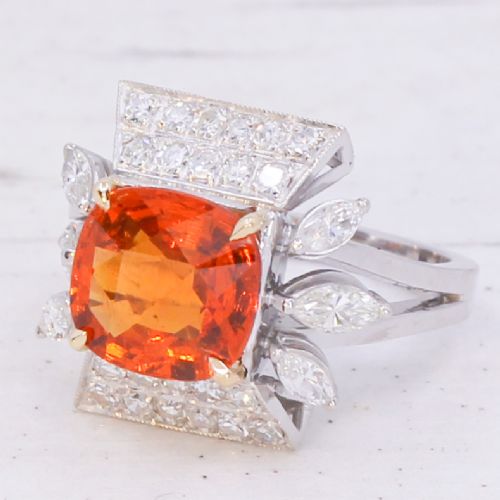
A mid century ring delivers bold coloured stones and architectural settings from the 1940s, 1950s, and 1960s.
What the pieces are
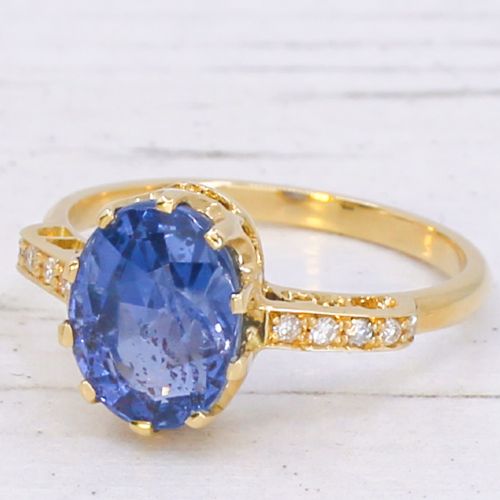
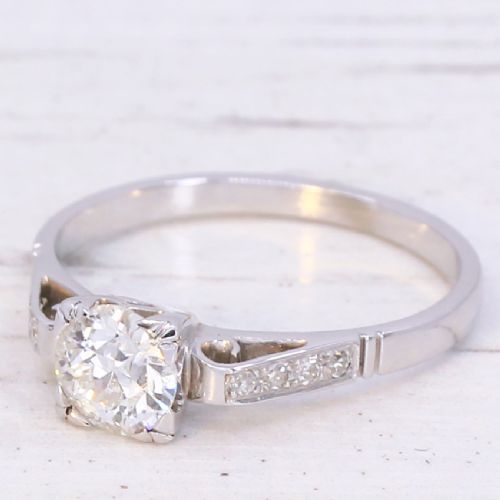
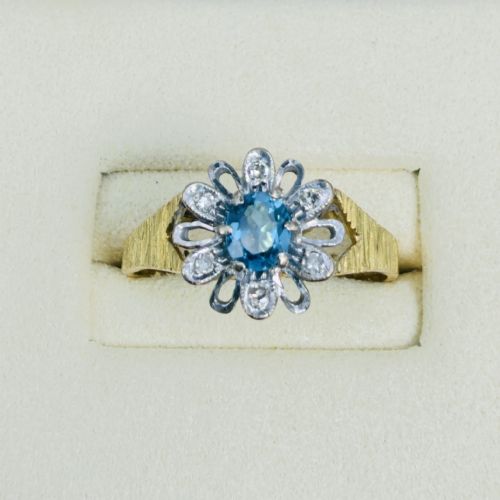
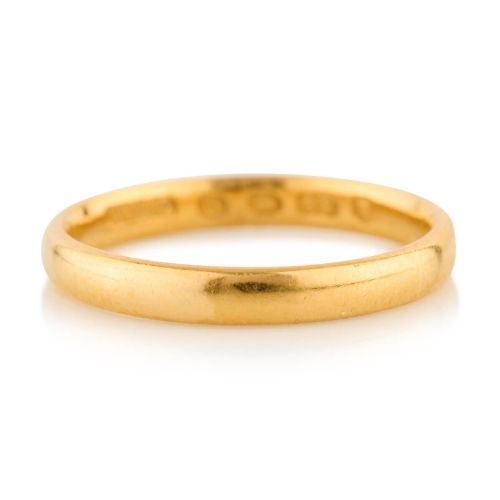
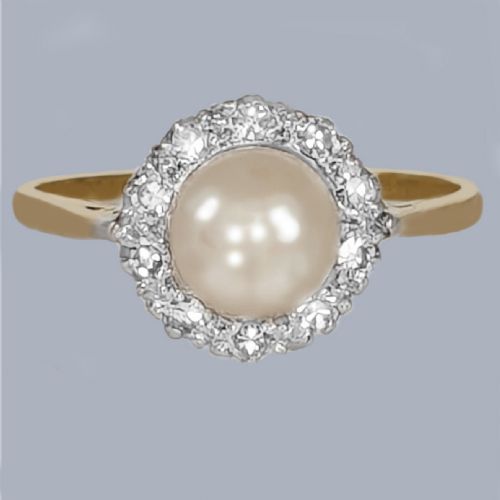
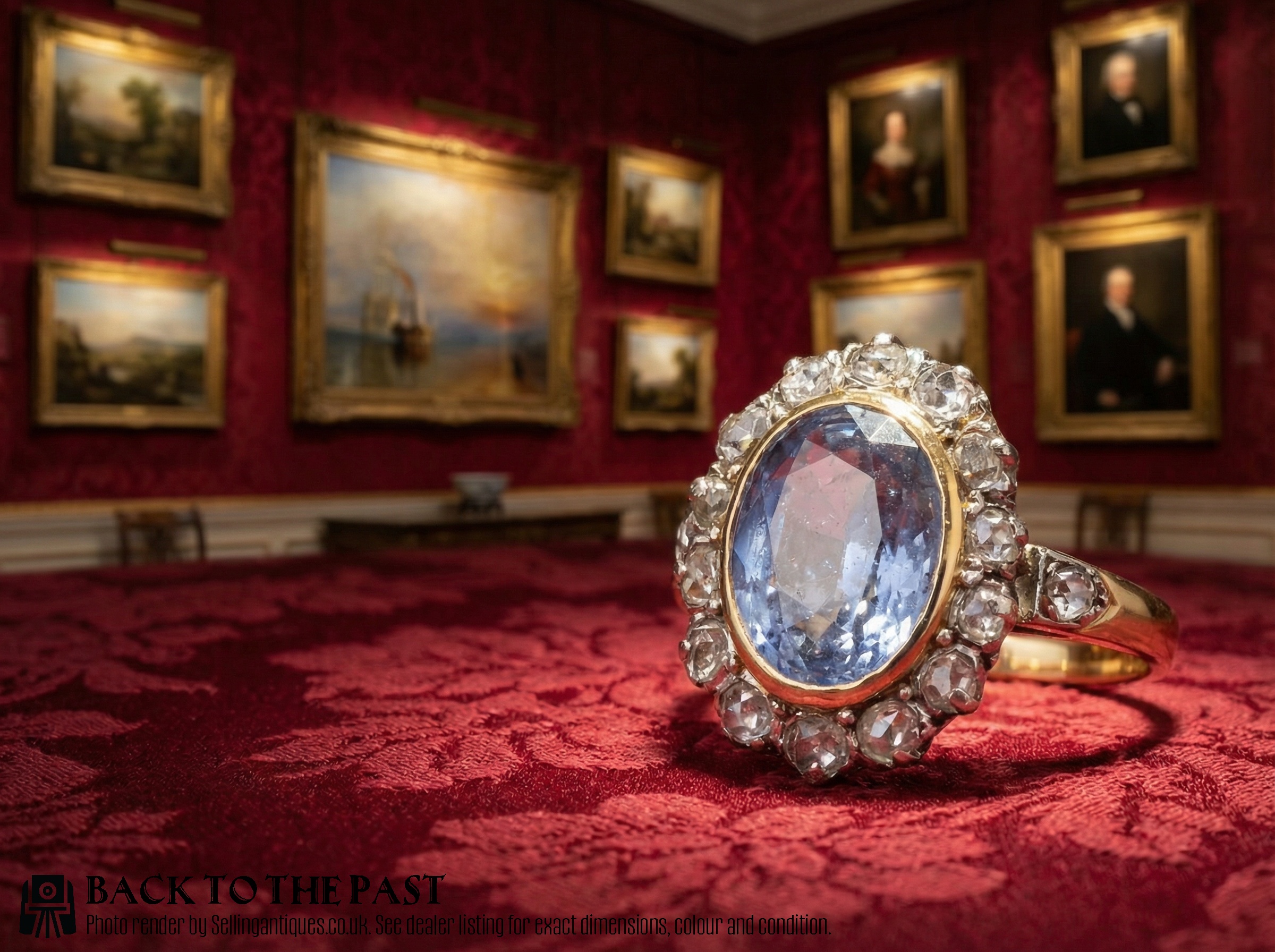
A mid century ring encompasses engagement rings, cluster designs, and heavy dress rings dating from the nineteen forties through to the nineteen sixties. The most frequent examples found in these records are sapphire and diamond cluster configurations alongside solitaire diamond engagement rings.
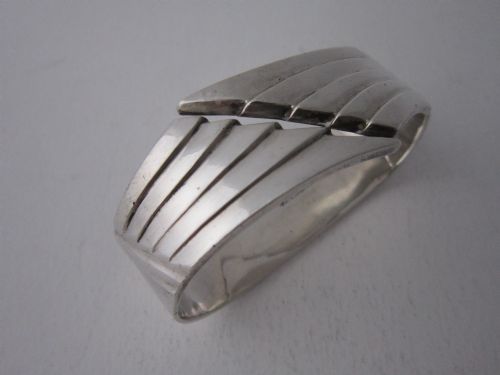
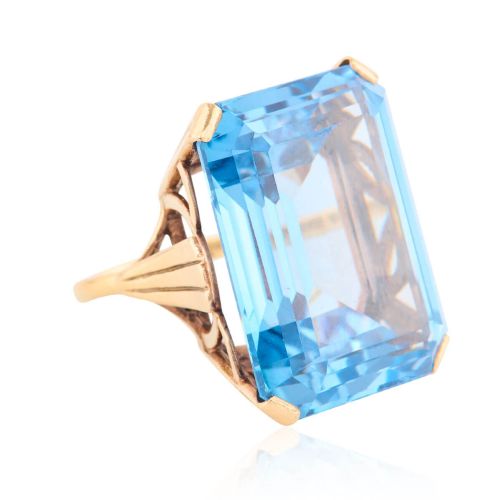
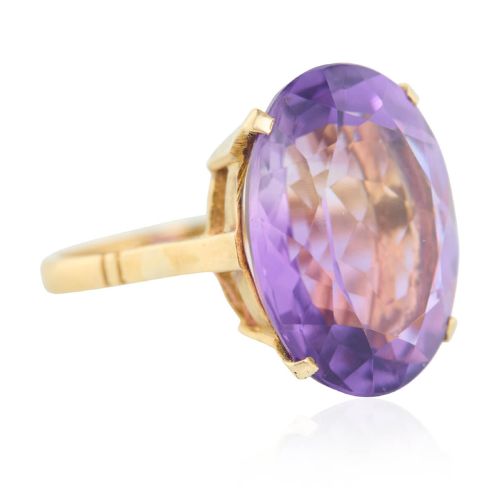
Makers of the period worked across platinum and various grades of gold, incorporating large central gemstones such as aquamarine, amethyst, and opal. These designs often reflect modernist aesthetics or traditional cluster arrangements with substantial stone weights.
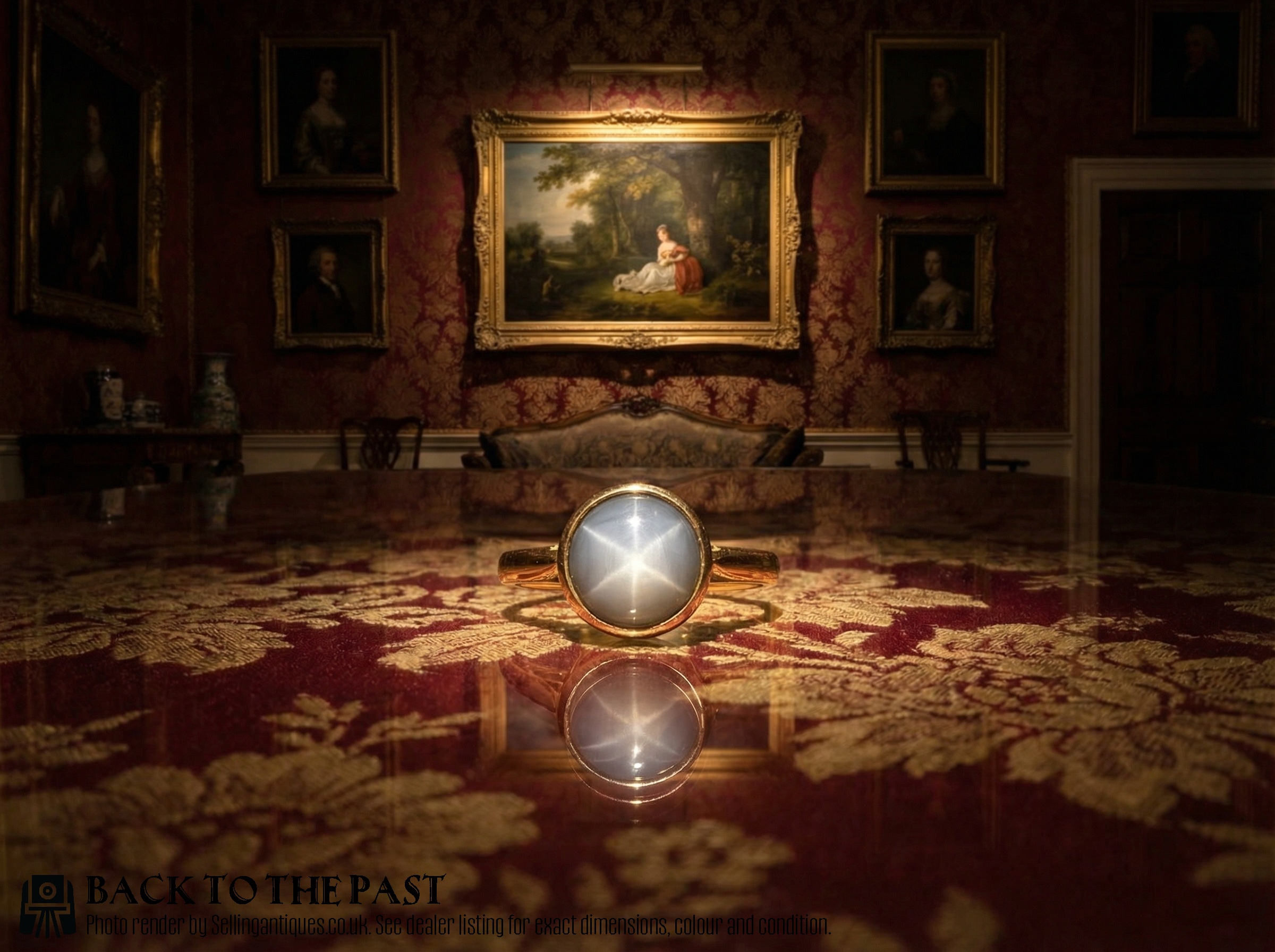
The selection ranges from delicate three-stone diamond rings to heavy cocktail rings set with unheated Ceylon sapphires and Colombian emeralds. Each piece reflects the material abundance and stylistic shifts of the mid-twentieth century.
How they were made
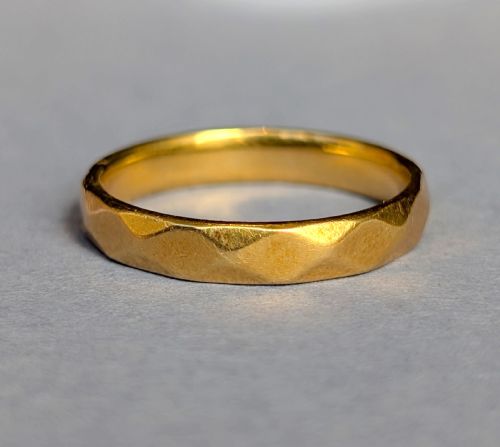
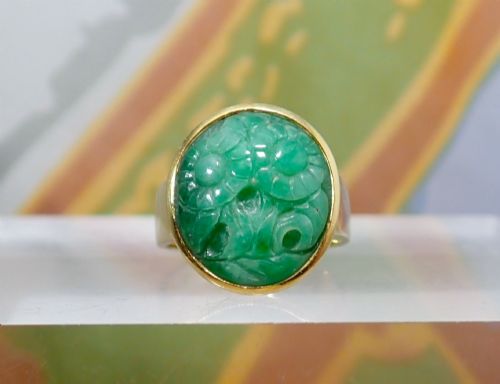
Jewellers constructed these rings using platinum and yellow, white, or rose gold, frequently combining precious metals in a single mount. Stones were secured using traditional claw settings, bezels, and flush mountings tailored to the specific shape of the gem.
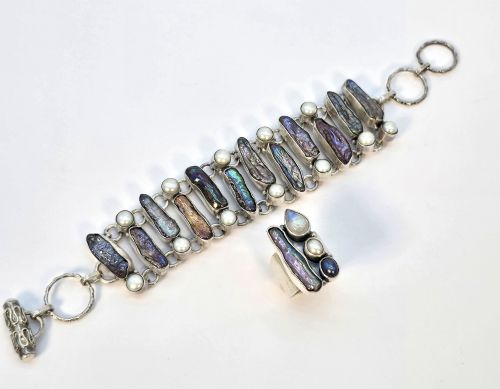
Gemstones encountered in these pieces include old cut, transitional cut, and rose cut diamonds alongside cabochon and faceted sapphires, rubies, and emeralds. Surface treatments such as brushed and polished finishes appear on Italian white gold mounts and modernist silver work.
Retail Price Guide 2026
Typical UK retail prices for mid century ring, calculated from the Sellingantiques database of over a million retail prices indexed since 2003. This retail price guide relies exclusively on Sellingantiques data; no external sources or auction records are used, so the figures do not describe the wider market.
What varies in quality
Quality rests upon the natural origin and untreated state of major gemstones, particularly sapphires and emeralds that lack heat enhancement or significant oil treatments. The cut of the diamond, whether old cut, transitional, or brilliant, dictates the internal light return and optical depth of the face-up appearance.
Structural integrity and the weight of the precious metal mount distinguish exceptional examples from standard production. Heavier gold and platinum settings provide durable architecture that supports high-carat centre stones without bending or thinning.
Arne Johansen·Nicolis Cola
The Mid Century Ring Glossary
- Old cut diamond
- A diamond cut by hand before the standardisation of the modern brilliant, typically featuring a small table and high crown.
- Cluster ring
- A ring design featuring a central gemstone surrounded by a border of smaller stones, usually diamonds.
- Solitaire
- A ring set with a single gemstone, most commonly applied to diamond engagement rings.
- Cabochon
- A gemstone shaped and polished with a smooth convex surface rather than faceted.
- Toi et Moi
- A ring style featuring two main stones positioned side by side, symbolising two souls intertwined.
Frequently Asked Questions
What defines a mid century ring?
These rings originate from the nineteen forties, fifties, and sixties, combining distinct modernist metalwork with substantial coloured gemstones.
Designs frequently feature heavy gold or platinum mounts that frame unheated sapphires, emeralds, and old cut diamonds.
How do I care for my ring?
Precious metals and durable gemstones benefit from gentle cleaning with warm soapy water and a soft brush to remove everyday oils.
Softer stones like opal require careful handling to avoid impact and sudden temperature changes.
Are these rings suitable for daily wear?
Platinum and high-carat gold provide a strong foundation for everyday use, particularly when paired with durable stones like diamond or sapphire.
Gemstones with lower hardness ratings benefit from occasional removal during heavy manual tasks.
How can I tell the period?
Hallmarks stamped into the metal often indicate the exact year of assay, while stylistic clues point to specific decades.
Asymmetrical modernist shapes and brushed finishes typically suggest the nineteen sixties, whereas refined cluster settings often date to the immediate post-war era.