
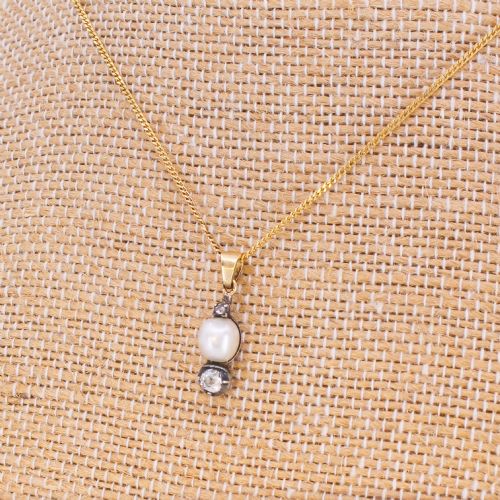




Fine Jewellery Pendant
When you search for fine jewellery pendant, you encounter wearable works spanning Victorian intricacy to mid-century modernism.
Fine Jewellery Pendant
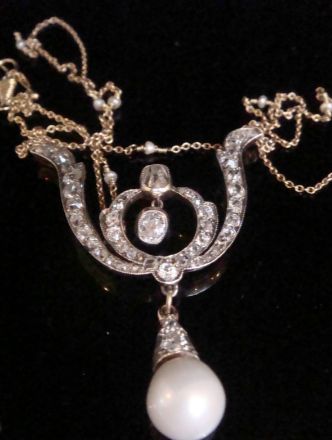
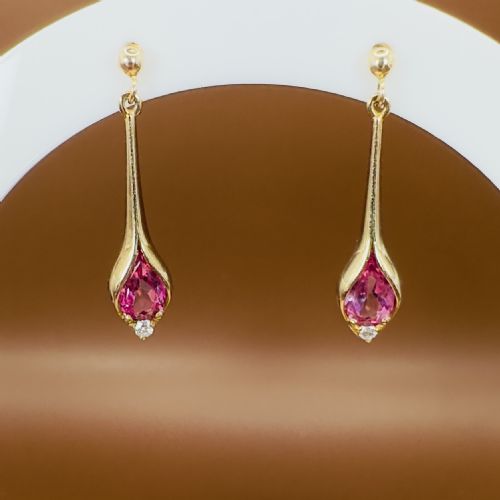
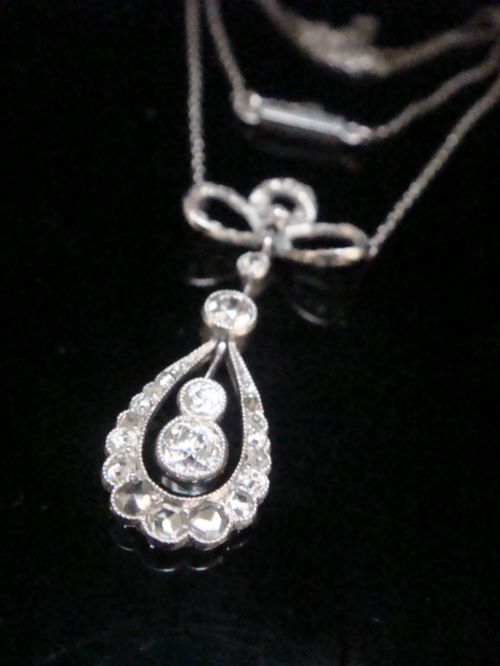
A fine jewellery pendant is a suspended decorative ornament worn upon the neck, frequently incorporating precious gemstones and metals.
You will most commonly meet pieces hailing from the Edwardian and Art Deco periods, alongside Victorian and mid-century examples.
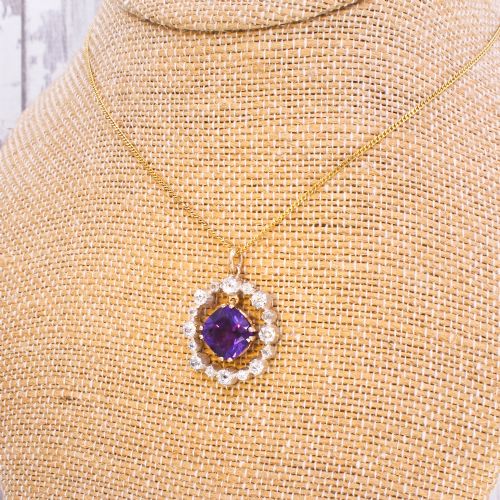
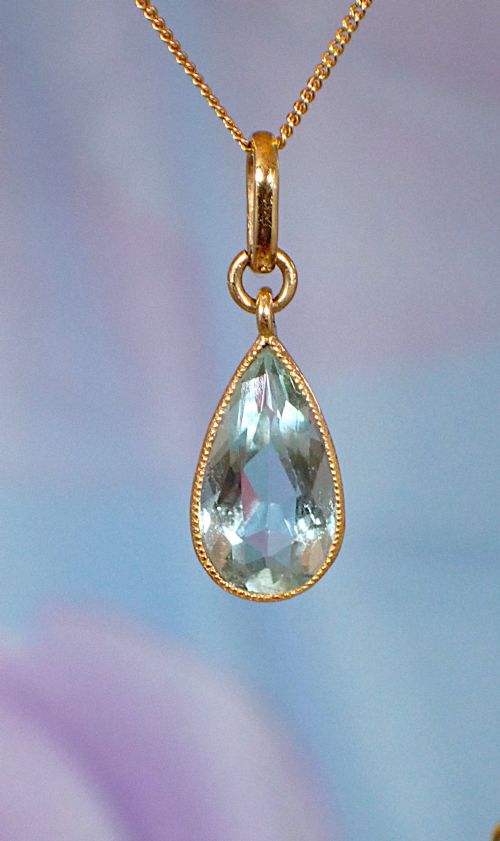
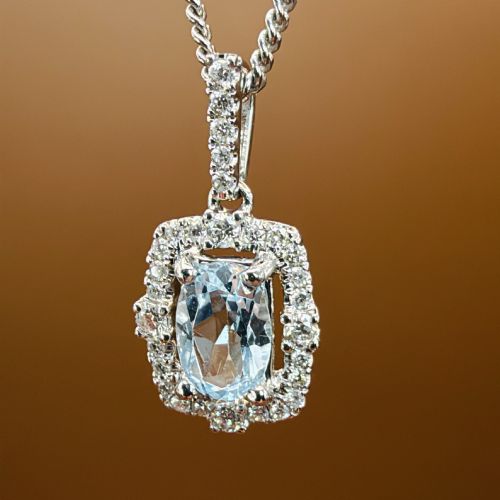
The selection encompasses standalone drop pendants, elaborate lavaliers, and matching cluster pendant necklaces.
How they were made
Goldsmiths utilised yellow gold, white gold, and platinum to fabricate secure structural mounts and delicate chains.
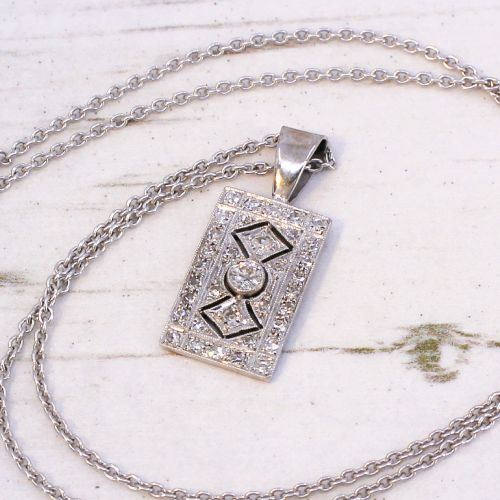
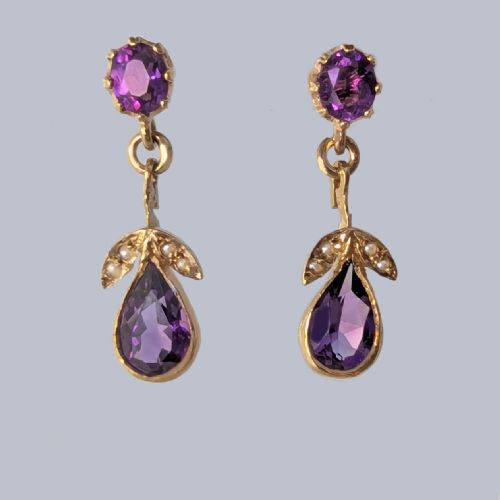
Artisans set diamonds, aquamarines, amethysts, and pearls by hand, often incorporating intricate pierced openwork and millegrain detailing.
Listings feature yellow gold, white gold, and platinum pieces spanning the Victorian period through the nineteen-sixties.
What varies in quality
The standard of a fine jewellery pendant rests upon the calibre of its central stones and the precision of the metalwork.
Pieces featuring older diamond cuts and cleanly matched natural gems command attention for their individual character and superior handcrafting.
Carl Bucherer·Chaumet
The Fine Jewellery Pendant Glossary
- Lavalier
- A pendant featuring a primary drop stone suspended below a smaller decorative motif, popular during the Edwardian era.
- Millegrain
- A decorative technique involving a row of tiny raised metal beads along the edge of a setting.
- Old cut
- A historical diamond cutting style characterised by a high crown, small table, and deep pavilion, designed to catch candlelight.
- Cluster pendant
- An arrangement where a central gemstone is encircled by a border of smaller accent stones, typically diamonds.
Fine Jewellery Pendant: Frequently Asked Questions
How do I identify an Edwardian pendant?
Edwardian pendants typically feature platinum or white gold worked into delicate floral, bow, or geometric motifs. They frequently incorporate pearls and old cut diamonds set within intricate openwork.
Examining the reverse reveals hand-finished metalwork distinct from later mass-produced items.
What chain length suits a vintage pendant?
Most antique pendants pair best with traditional chain lengths that rest gracefully upon the collarbone. Shorter lengths highlight the intricate drop work of Edwardian lavaliers.
Consider the weight of the pendant to ensure the chain provides adequate structural support.
How should I care for pearl pendants?
Pearls require gentle cleaning with a soft, damp cloth after wearing to remove cosmetic residues and skin oils. Store them separately from harder gemstones to prevent surface scratching.
Avoid exposing vintage pearl settings to harsh chemical cleaners or ultrasonic baths.
Are Art Deco pendants different from Victorian ones?
Art Deco pendants embrace stark geometric lines, platinum settings, and symmetrical layouts inspired by modernity. Victorian examples lean towards sentimental motifs, yellow gold, and romantic symbolism.
Comparing the primary materials and overall silhouette clarifies the distinct era of manufacture.