
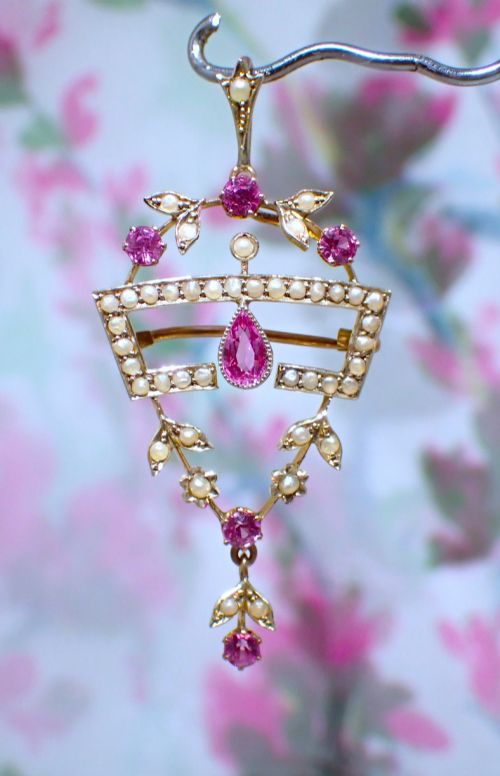


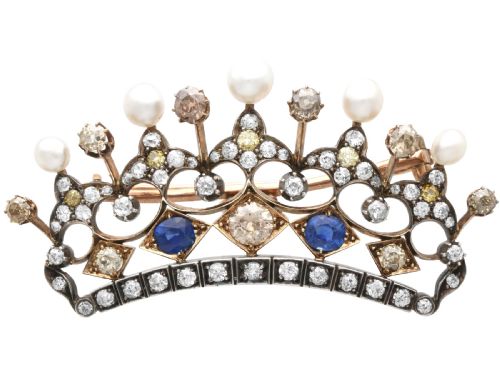


Natural Pearl Brooch
A natural pearl brooch brings together organic oceanic gems and period metals, offering the tactile charm of nineteenth and early twentieth-century design.
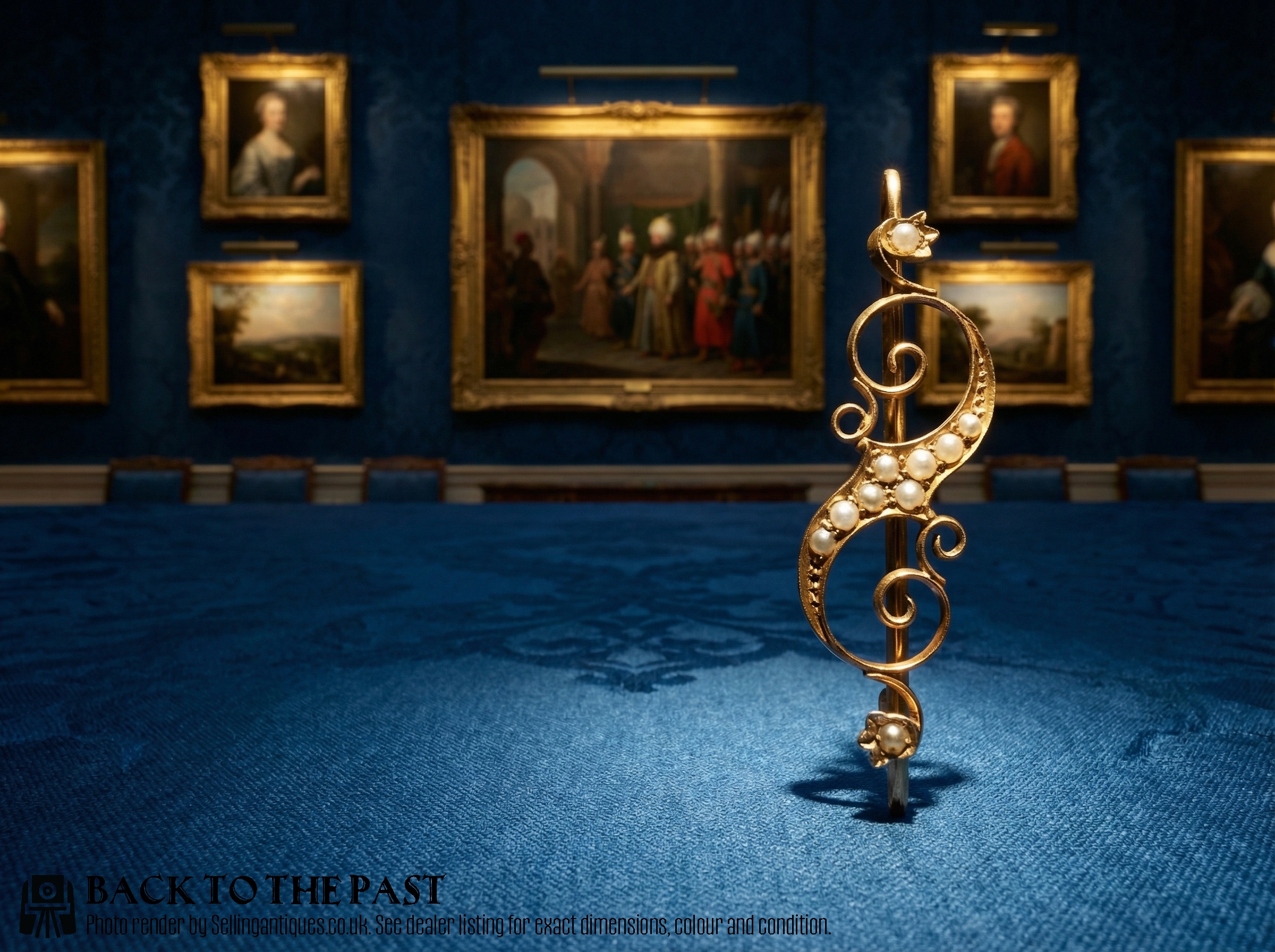
Natural Pearl Brooch
When you search for a natural pearl brooch, you encounter pieces that span from the Victorian and Edwardian eras into the Art Deco period. These items frequently double as pendants, giving them dual utility as chest ornaments or neckpieces.
The selection ranges from simple bar brooches set with seed pearls to elaborate cluster and insect motifs incorporating diamonds, sapphires, and rubies. French provincial workshops and British makers alike produced these in golds ranging from nine to eighteen carats, alongside platinum and silver.
You will notice distinct thematic forms, including horseshoe, cross, and floral configurations, alongside figural subjects like owls and swallows. These ornaments demonstrate the versatility of organic gems paired with precious stones.
Materials and construction
Goldsmiths set natural pearls into yellow gold, white gold, and platinum frameworks, often supporting the gems with silver collets to enhance diamond brilliance. Gemstones like tourmaline, amethyst, and opal join the pearls through claw and bezel settings.
Techniques such as cannetille work appear in earlier examples, while later Edwardian and Art Deco pieces utilise platinum for delicate pierced metalwork. Structural elements often combine dual loops, allowing a brooch to convert into a pendant.
Natural Pearl Brooch Retail Price Guide 2026
Typical asking prices for natural pearl brooch among the pieces listed under this phrase on Sellingantiques today, from the lower quarter to the upper quarter. They describe what is for sale here now, not the wider market.
Listings feature yellow gold, white gold, platinum, and silver alongside gemstones including diamonds, sapphires, rubies, and amethysts.
Gradations in quality
The calibre of the piece rests upon the symmetry and lustre of the organic pearls, alongside the carat weight and cut of accompanying diamonds. Hand-forged mountings with detailed engraving or enamel work represent higher manufacturing effort than mass-produced castings.
The integrity of the conversion mechanisms, such as secure pin hinges and hidden pendant loops, distinguishes finer workshop output. Original fitted boxes also add a layer of preservation that elevates a piece.
The Natural Pearl Brooch Glossary
- Bar brooch
- A slender horizontal metal rod that serves as the foundation for gemstones. This form was especially popular during the Victorian and Edwardian periods.
- Cannetille
- A fine filigree metalwork technique resembling lace, formed from twisted gold wire. It frequently dates Georgian and early nineteenth-century items.
- Cluster brooch
- An arrangement of surrounding gemstones framing a central pearl or stone. This design maximises visual impact on the lapel.
- Pendant brooch
- A convertible jewel featuring hidden loops or bails that allow the piece to be worn on a chain or pinned to fabric. This format provides versatility for the wearer.
- Rose cut
- A diamond cut featuring a flat base and a domed crown with triangular facets. This cut predates modern brilliant cutting and appears often in antique jewellery.
Natural Pearl Brooch: Frequently Asked Questions
How do I wear a pendant brooch?
These versatile jewels feature a pin mechanism on the reverse for fastening to garments, alongside a discreet loop for a neck chain. You can transition between wearing the piece as a lapel ornament or a necklace pendant depending on the outfit.
Ensure the pin catch fastens securely when worn on fabric. When suspended from a chain, tuck the pin safely behind the frame to prevent snagging.
What periods do these brooches cover?
The pieces span from the mid-nineteenth century through the Victorian, Edwardian, and Art Deco eras up to the mid-twentieth century. Each period brings distinct metal choices and artistic styles, from cannetille goldwork to platinum lace.
Victorian examples often favour yellow gold and sentimental motifs, whereas Edwardian and Art Deco items lean towards platinum, white gold, and geometric arrangements.
How should I care for antique pearl jewellery?
Natural pearls are organic and sensitive to harsh chemicals, perfumes, and cosmetics. Wipe them gently with a soft cloth after wearing and store them separately from harder gemstones to avoid scratching.
Avoid submerging antique mounted pieces in liquid cleaning solutions, as moisture can weaken historical adhesives or seed pearl settings.