


Pearl Cluster Pin
A pearl cluster pin delivers the delicate presence of clustered pearls combined with precious metals and coloured stones.
Pearl Cluster Pin
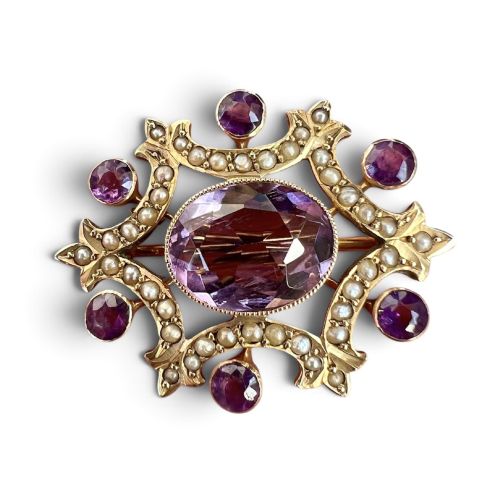
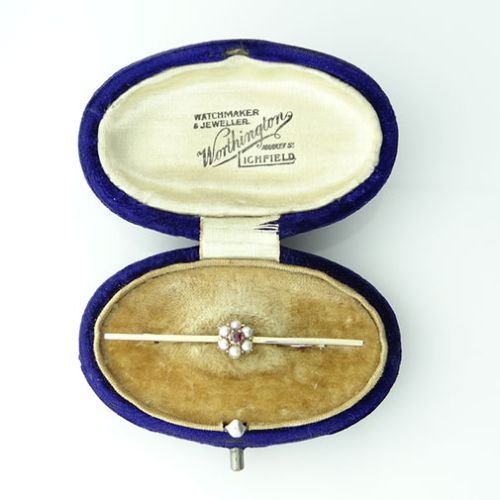
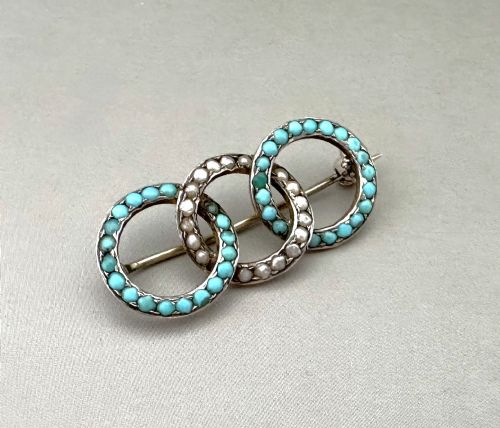
A pearl cluster pin encompasses brooches and pendants set with pearls alongside amethyst, garnet, diamond, turquoise, and peridot. The pieces range from Georgian lace pins to Victorian, Edwardian, and mid-century examples.
Buyers meet Victorian and Edwardian gold brooches featuring seed pearls arranged in floral, target, or geometric clusters. These serve as versatile dress ornaments functioning as both brooches and pendants.
The materials span nine-carat and fifteen-carat gold, silver gilt, and eighteen-carat yellow gold mounted with natural pearls, seed pearls, and rose-cut diamonds.
Materials and construction
Goldsmiths utilised nine-carat, fifteen-carat, and eighteen-carat yellow gold to construct secure settings for pearls and gemstones. Seed pearls are closely set to form dense floral or target cluster motifs.
Mounts incorporate foundational metals such as silver gilt alongside gold to support larger central stones like amethysts, garnets, and sapphires surrounded by pearls.
Listings feature yellow gold settings from the Victorian and Edwardian eras alongside mid-century silver work.
Variations in quality
Quality rests in the matching and uniformity of the pearls and the clarity of accompanying stones like diamonds, amethysts, and garnets. Finer examples display meticulous claw or bezel settings that secure delicate seed pearls without disturbing their lustre.
The substance of the gold mounting, moving from nine-carat up to eighteen-carat or platinum-topped gold, dictates the weight and structural refinement of the pin.
Mikimoto
The Pearl Cluster Pin Glossary
- Seed pearl
- A very small, naturally formed or cultured pearl, often undrilled or half-drilled, used densely in clusters. These tiny gems define the textured surface of many nineteenth-century jewels.
- Target brooch
- A circular piece featuring concentric rings of stones radiating outwards from a central gem. This geometric layout creates a distinct bullseye visual effect.
- Lace pin
- A small, slender brooch originally designed to fasten delicate lace collars and fichus. They employ lightweight pins to avoid damaging fine fabrics.
- Rose-cut diamond
- An antique diamond cut featuring a flat base and a domed crown with triangular facets. This historic cutting style produces a soft, translucent shimmer rather than modern brilliance.
- Silver gilt
- Sterling silver coated with a thin layer of gold. This technique combines the bright white backing of silver with the warm appearance of gold.
Pearl Cluster Pin: Frequently Asked Questions
How do I wear a pearl cluster pin?
These pieces pin securely onto heavy winter coats, knitted shawls, or structured lapels. Ensure the fabric is robust enough to support the weight of gold and gemstone mounts.
Many examples feature integrated loops that allow conversion from a brooch to a pendant hung on a chain.
How do I care for antique pearls?
Pearls are organic gems sensitive to acids, cosmetics, and perfumes. Wipe them gently with a soft dry cloth after wearing and store them away from hard gemstones.
Keep them in a dry environment to preserve their nacre and prevent discolouration over time.
What periods do these pins come from?
The selection spans the Georgian, Victorian, and Edwardian eras, extending into mid-century and vintage designs. Each period brings distinct metal colours and gemstone combinations.
Victorian pieces frequently pair amethyst and garnet with seed pearls, whilst Edwardian designs favour lighter gold and diamond accents.