


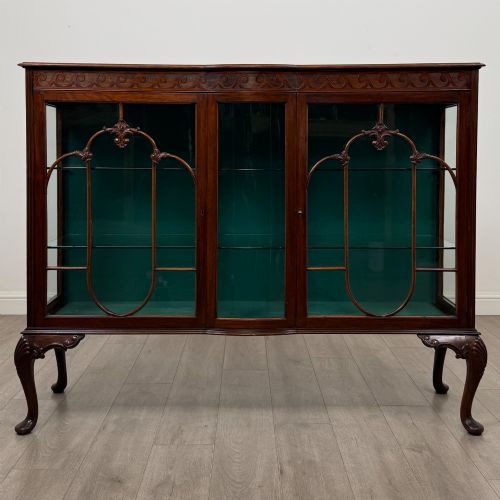
Vintage Glazed Cupboard
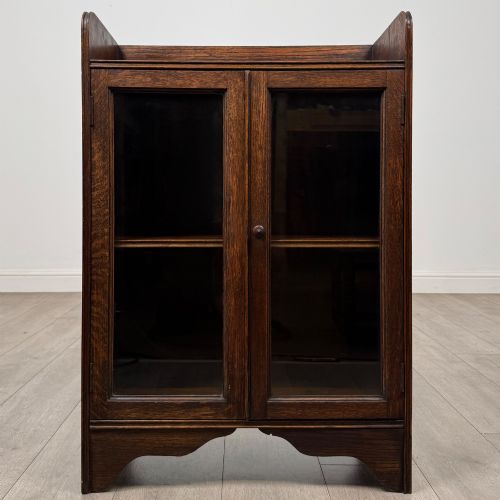
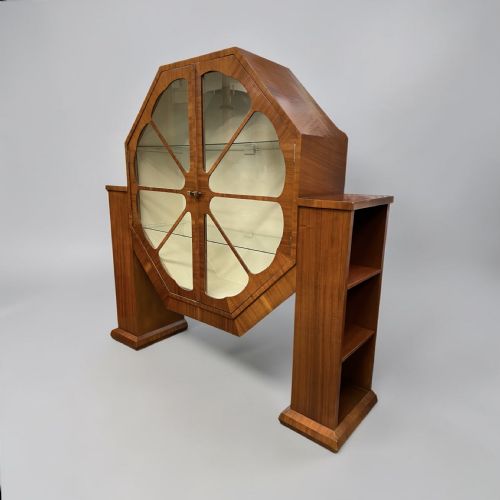
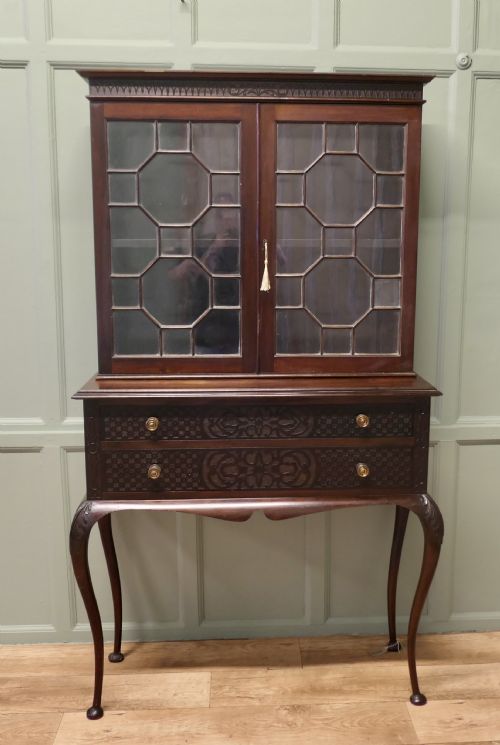
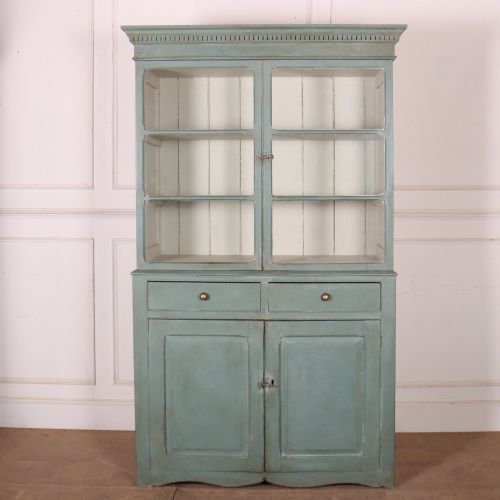
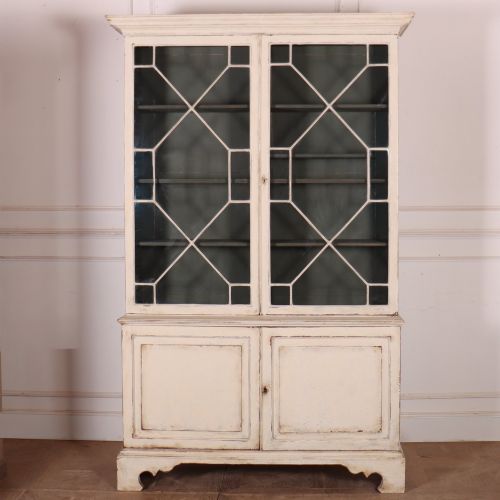
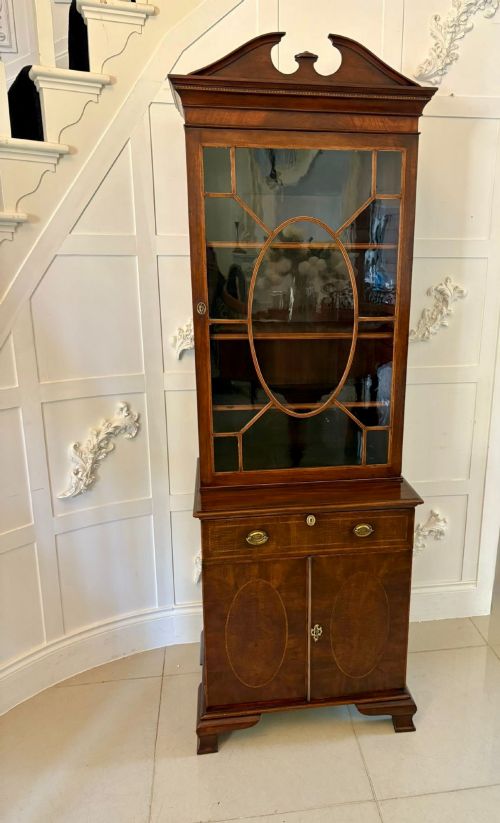
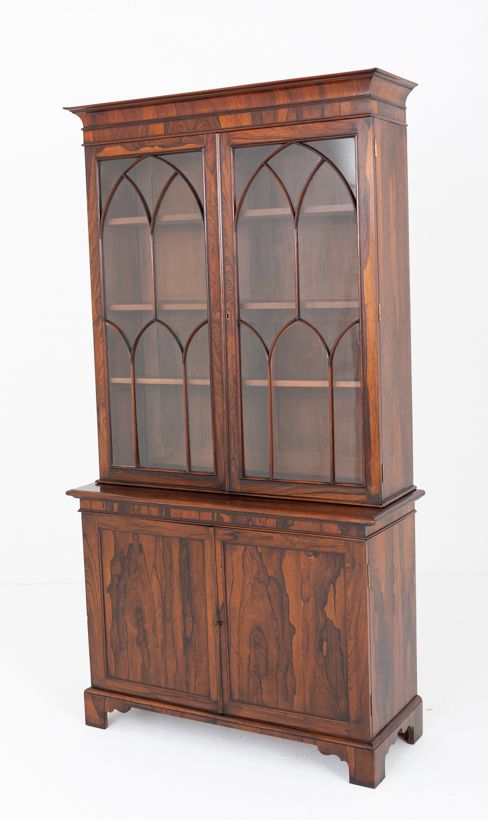
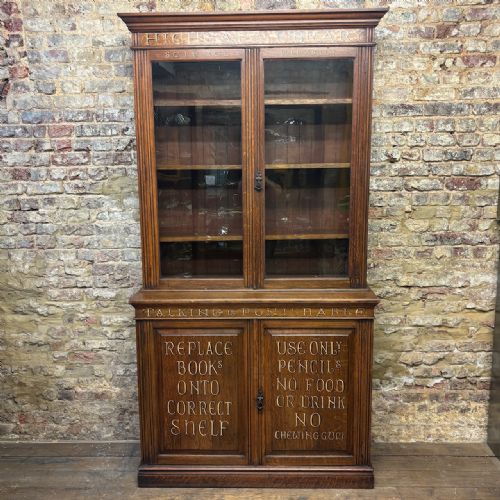
A vintage glazed cupboard holds books and porcelain behind glass, bringing period craftsmanship and practical storage into a room.
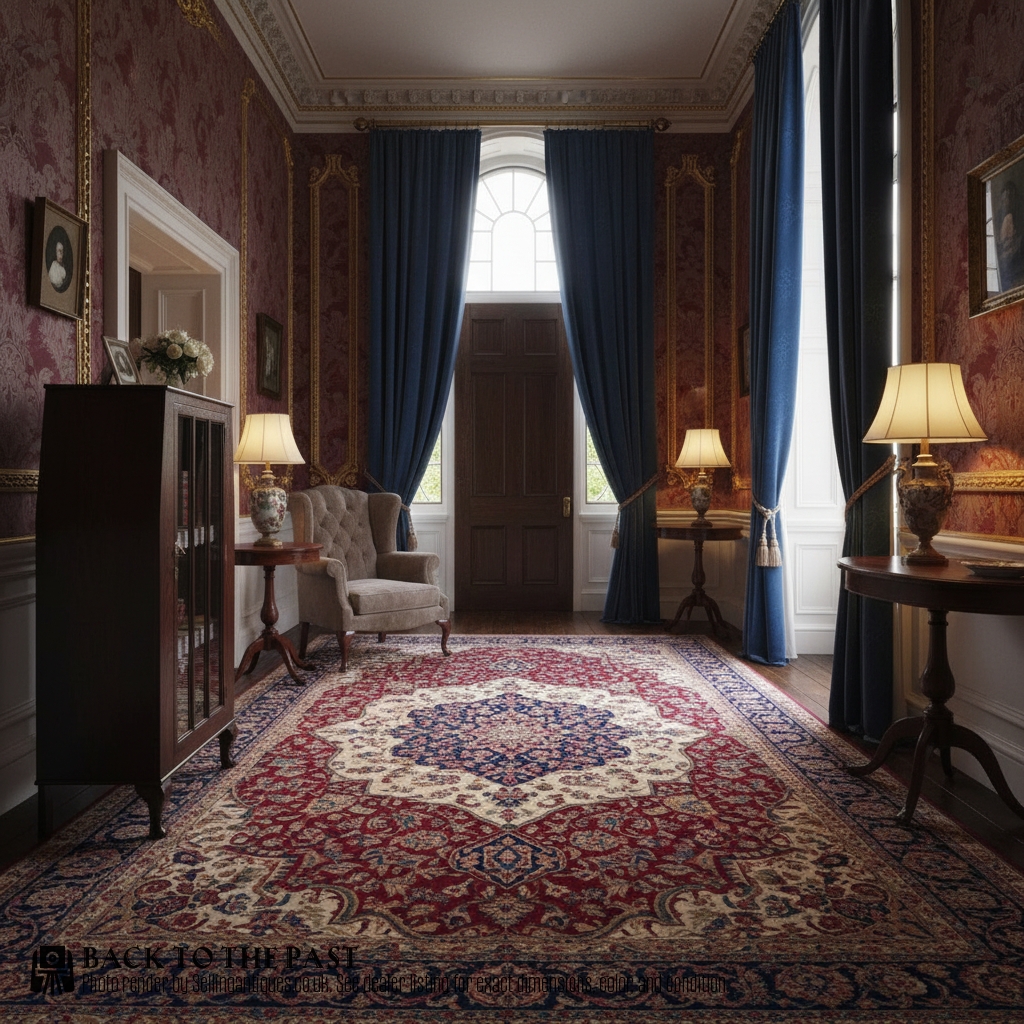
Vintage Glazed Cupboard
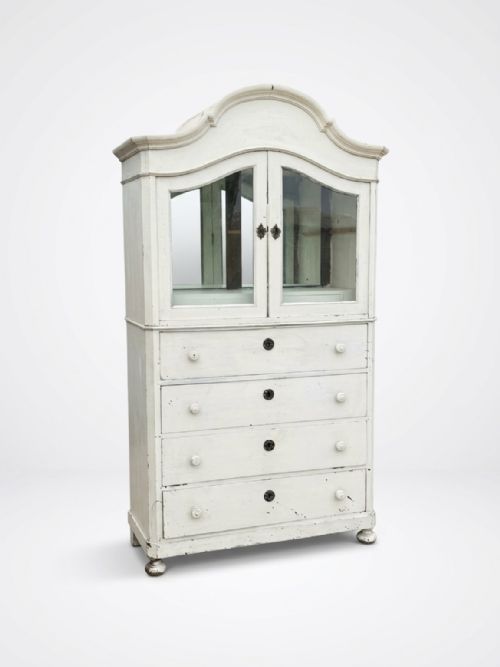
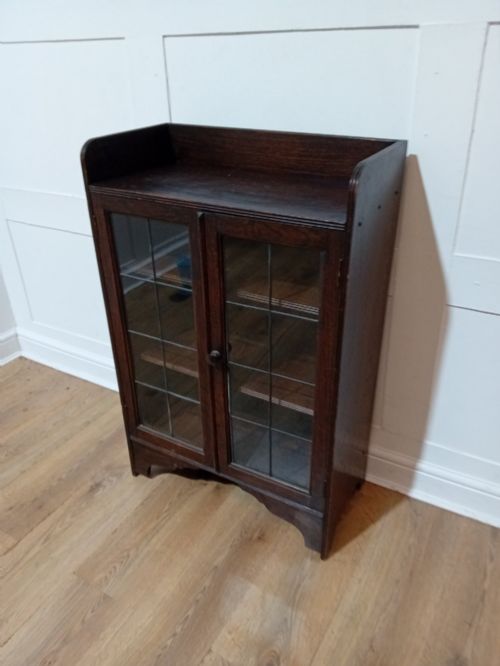
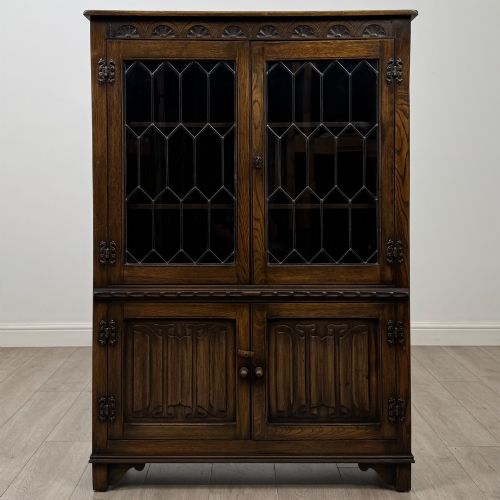
A vintage glazed cupboard brings together utilitarian storage and display, appearing across this selection as bookcases, corner cabinets, display cabinets, and kitchen dressers. These pieces span centuries from the eighteenth through to the twentieth century, reflecting shifting domestic needs.
The most frequent examples you will encounter on this page date from the Edwardian period and the nineteenth century, often fashioned in mahogany, oak, or walnut. Formats range from tall triple library bookcases to small dwarf cabinets and corner cupboards designed to fit domestic spaces.
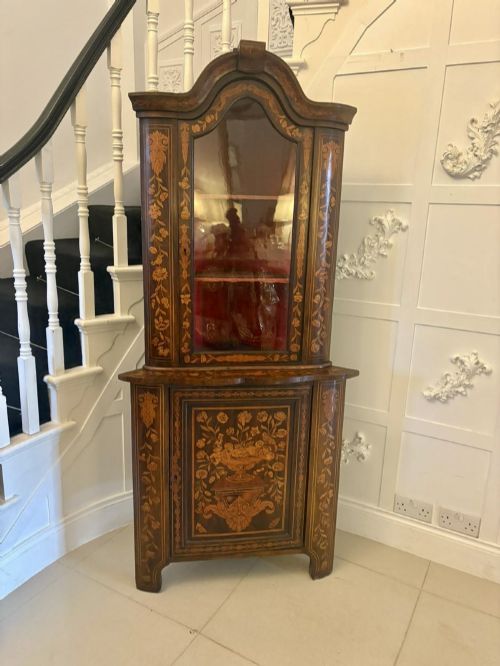
Regional and stylistic variations appear clearly in the evidence, encompassing Scottish kitchen cabinets, Dutch marquetry, Swedish bonnet top cabinets, and English country painted pine pieces. Buyers seek these forms to introduce timber warmth and visible storage to a room.
Materials and construction methods
Cabinet makers relied primarily on dense hardwoods and softer domestic timbers, utilising mahogany, oak, walnut, satinwood, and pine alongside lead, brass, and glass. Timber selection defined the structural weight and visual grain of each piece, whether finished with marquetry inlay or left as painted pine.
Glass panels were secured within wooden frames or leaded cames, allowing contents to remain visible while protected from dust. Secondary materials like brass hardware provided functional hinges and locks, while fabric sometimes lined the interior of display cabinets.
Listings feature eighteenth, nineteenth, and twentieth-century periods, including Edwardian, Victorian, Georgian, Art Deco, and Arts and Crafts styles.
Distinctions in craftsmanship
Quality rests in the selection of figured veneers, timber choice, and the refinement of inlay work, separating standard utility pieces from fine Edwardian or Georgian display cabinets. Superior examples demonstrate precise joinery and balanced proportions across doors, cornices, and base sections.
The integration of glass, whether through astragals or leaded panes, indicates the level of artisan skill involved in holding large transparent surfaces securely within timber frames. Finer cabinets exhibit thoughtful carving, satinwood details, or marquetry that elevates the basic storage form into decorative furniture.
The Vintage Glazed Cupboard Glossary
- Astral Glazed
- Glazing bars dividing a glass window into smaller panes within a cabinet door. These wooden strips structure the glass securely.
- Marquetry
- Decorative patterns formed by small pieces of veneer fitted into wood panels. This technique adds pictorial or geometric ornamentation to cabinet surfaces.
- Vitrine
- A glass-sided cabinet designed specifically for displaying fine objects or porcelain. It places visibility at the centre of the furniture design.
- Dwarf Cabinet
- A low-standing piece of storage furniture typically reaching table height or slightly above. These shorter proportions suit smaller rooms.
- Bonnet Top
- An arched or hooded upper pediment crowning a cabinet. This architectural flourish elevates the silhouette of tall storage pieces.
Vintage Glazed Cupboard: Frequently Asked Questions
How do I style a glazed cupboard?
Balance the internal shelves by mixing rows of books with ceramic pieces or glassware to create visual weight and rhythm behind the glass.
Allow some negative space on the shelves so the cabinet interior does not appear overcrowded or heavy.
Where should I place a corner cabinet?
Position a corner cabinet in an underutilised room junction to draw the eye upwards and make productive use of dead space.
Ensure nearby seating or doorways do not obstruct the swing of the glazed door.
How do I tell Victorian from Edwardian cabinets?
Victorian cabinets often utilise darker, heavier timbers like mahogany and walnut with substantial mouldings and rich, deep finishes.
Edwardian pieces tend to display lighter satinwood or inlaid mahogany framing, reflecting a shift towards airier domestic interiors.