




Vintage Glass Silver Holders
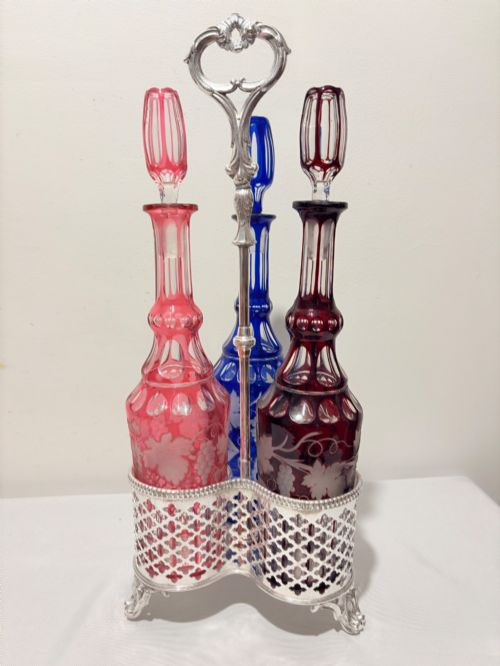
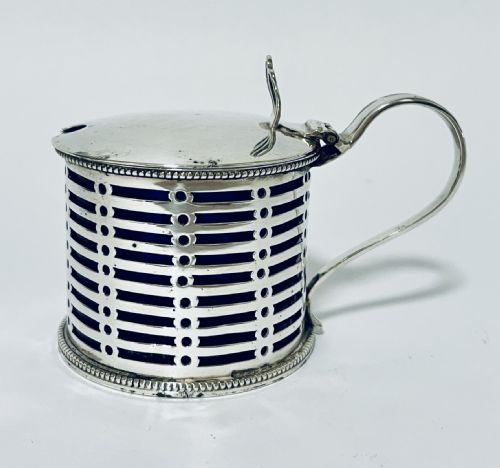
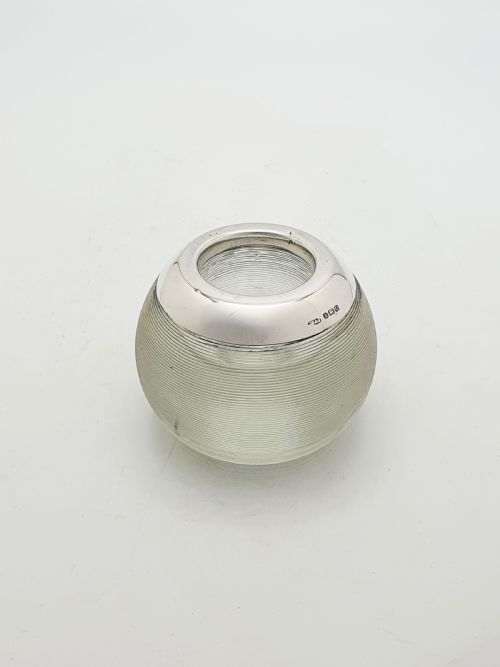
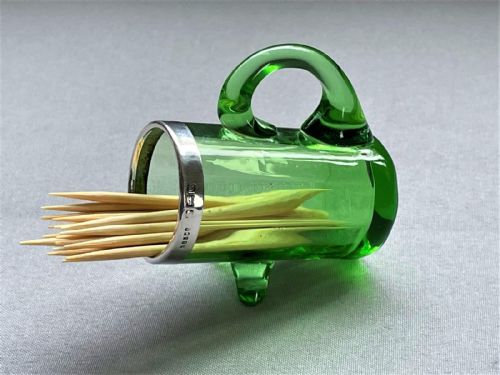
These vintage glass silver holders combine heavy metal mounts with clear or coloured vessels to grace dining tables and desks alike.
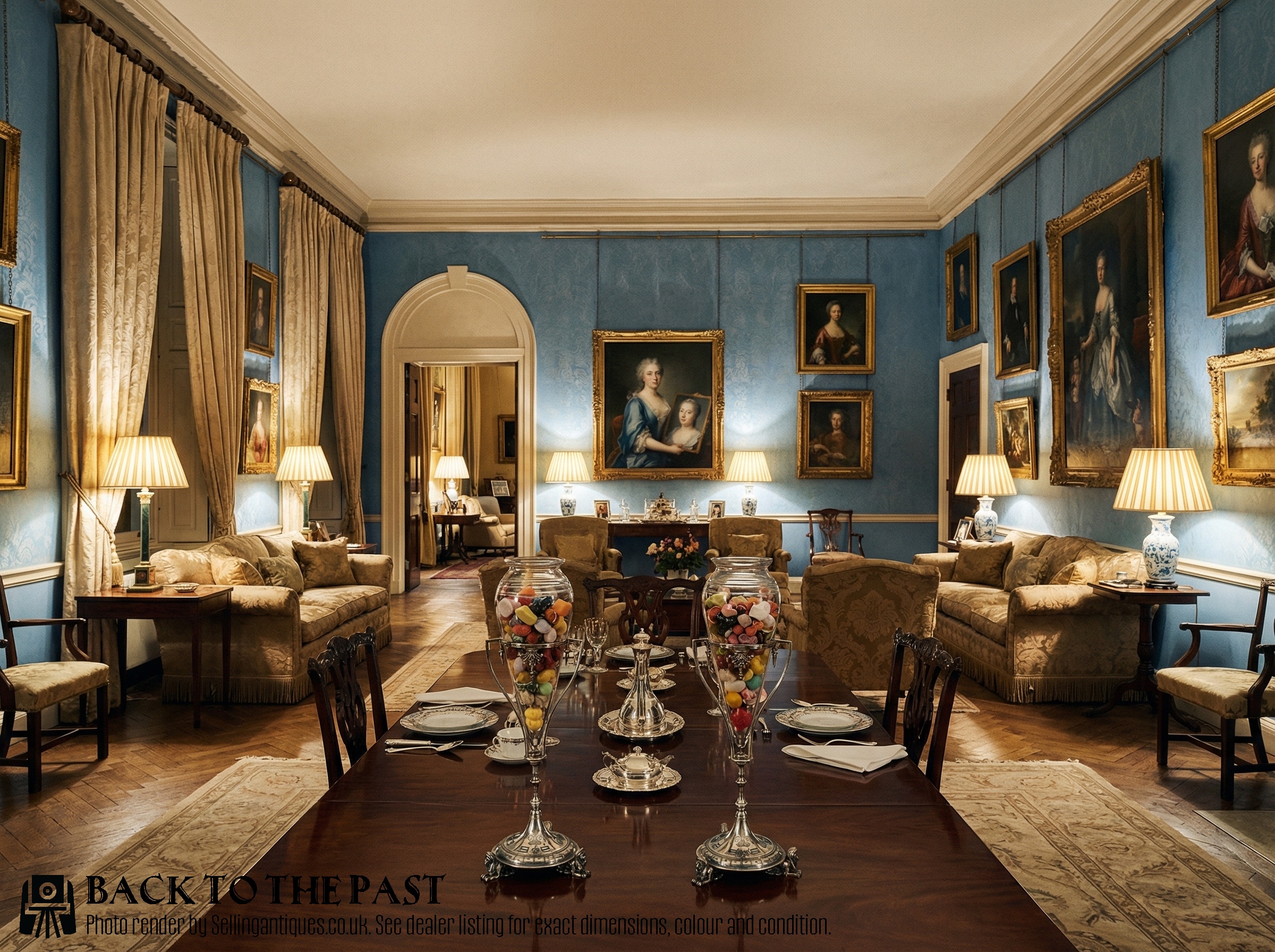
How they were made
Maker workshops combined heavy-gauge glass moulding or hand-cutting with silver plating, solid sterling silver, or chrome structures. Glass vessels often featured textured bases or hobnail patterns to catch the light while sitting firmly inside fitted metal collars.
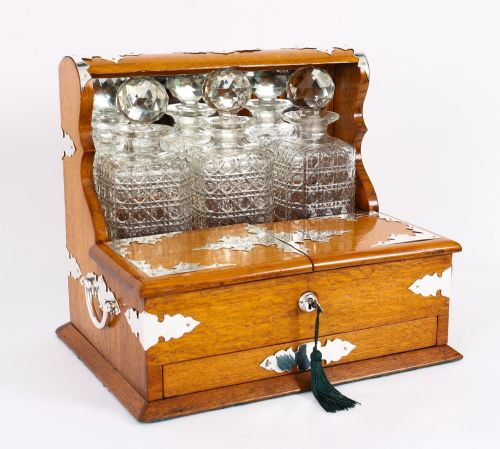
Framing techniques relied on casting and soldering to create sturdy handles, frames, and mounts that accommodated removable glass bottles, jars, and bowls. Oak and ebonised wood also appeared as base materials in larger tantalus and game compendium designs.
What varies in quality
Quality separates simple utility wares from superior pieces through the thickness and clarity of the cut glass and the weight of the silver plating or sterling metal. Heavier mountings, crisp chasing on silver components, and finely faceted glass distinguish the finer examples.
The integrity of the frame construction and the original matching of the glass inserts to their specific silver holders dictate the overall standard. Complete sets retaining all their original bottles or jars command greater architectural harmony.
One exceptional smoking compendium takes the exact shape of a miniature fire carriage.
Crisford and Norris·Elkington·Wade Wingfield Wilkins·Jacques Adnet
The Vintage Glass Silver Holders Glossary
- Cruet set
- A matched collection of glass bottles or cruets fitted into a metal frame for holding condiments at the dining table. These often include mustard pots, oil flasks, and pepper shakers.
- Match striker
- A heavy glass vessel with a textured base designed to ignite safety matches against its abrasive surface, usually mounted in a silver collar.
- Tantalus
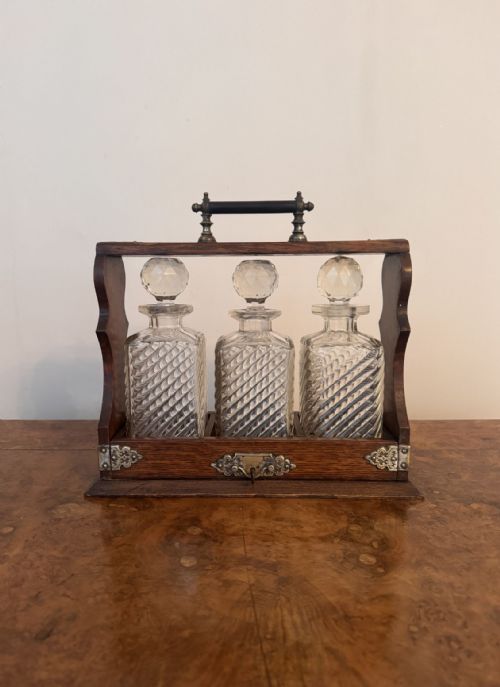
- A locking wooden or metal frame that secures decanters of spirits to prevent unauthorised access while displaying the glass bottles clearly.
- Inkstand
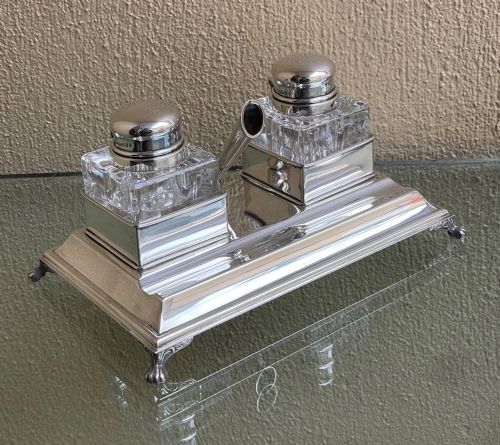
- A desk accessory comprising one or more glass inkwells with hinged silver lids, set upon a decorative metal or wooden tray alongside pen rests.
- Silver plate
- A manufacturing method where a thin layer of silver is fused to a base metal core, commonly utilised for large table frames and cruet sets during the nineteenth and twentieth centuries.
Vintage Glass Silver Holders: Frequently Asked Questions
What are vintage glass silver holders used for?
These pieces served practical functions in domestic and social settings, holding condiments at dinner, ink on writing desks, or matches in smoking rooms. They organised table settings and desk spaces efficiently while displaying decorative glass and metal.
Today, buyers repurpose them for modern dining or desk displays, using cruet frames for oils and vinegars or inkstands for contemporary stationery and small desk items.
How do I identify Victorian pieces?
Victorian examples often display heavier ornamentation, substantial silver plating over base metal, and ornate cast frames associated with nineteenth-century dining customs. Look for deep cut glass patterns and substantial oak or silver-plated structures.
Maker marks and registration numbers stamped on the metal components frequently help date these items to the reign of Queen Victoria.
Are Art Deco holders different?
Art Deco pieces from the nineteen twenties and thirties favour geometric lines, modernist chrome finishes, and streamlined glass forms over Victorian floral engraving. These items reflect a shift towards minimalist industrial design.
Frames from this era often incorporate materials like chrome alongside clear or frosted glass, yielding a lighter visual presence on the table.
How should I clean silver holders?
Gentle cleaning with a soft cloth and proprietary silver polish keeps metal mounts bright without damaging the underlying plate or sterling silver. Care must be taken to avoid getting polish on the glass or within textured striker surfaces.
Glass inserts can usually be removed and washed in warm soapy water separately from their metal frames to maintain overall cleanliness.