
Antique Silvered Urns
Antique silvered urns bring neoclassical weight and metallic reflection to a room, spanning wine coolers, samovars and cabinet pieces from the Georgian to the Art Deco eras.
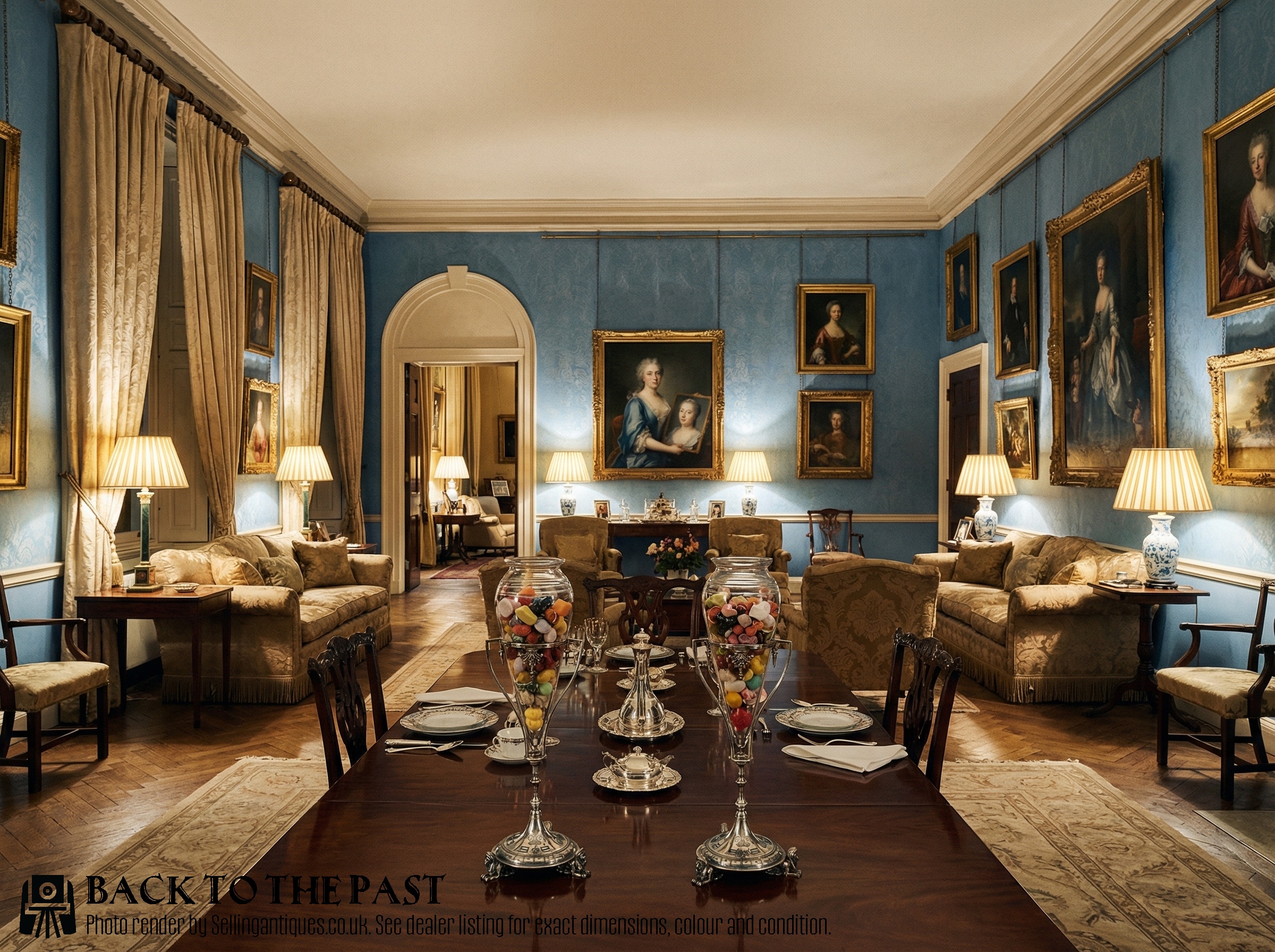
Antique Silvered Urns
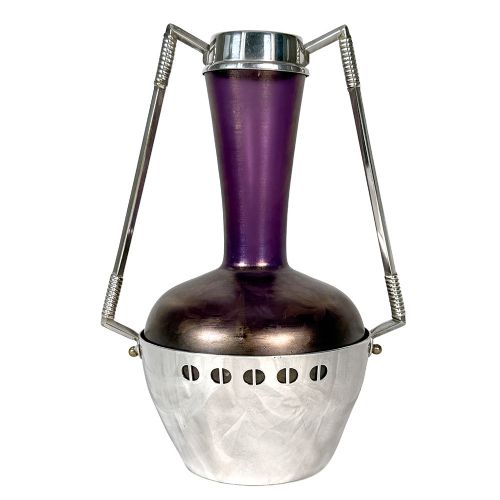
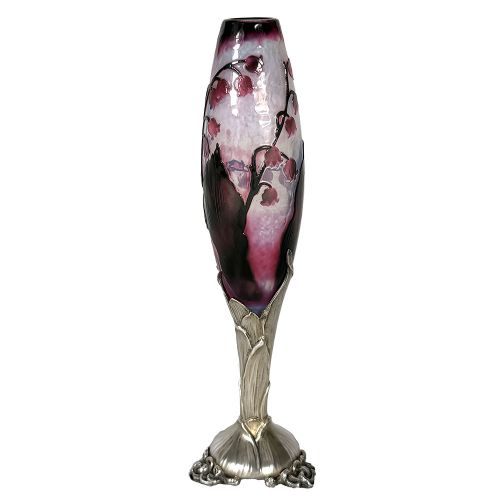
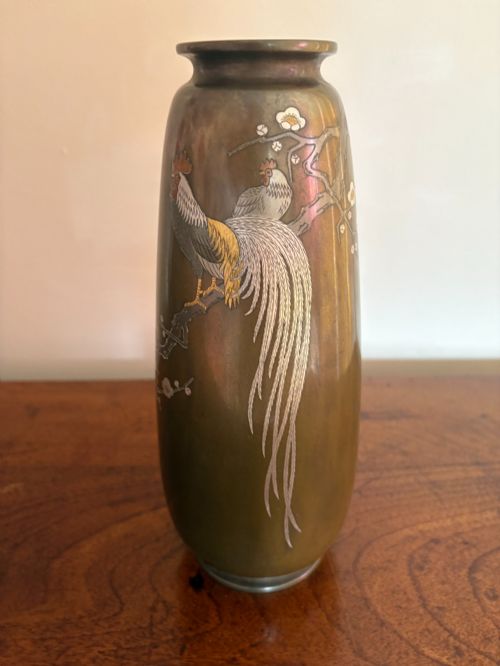
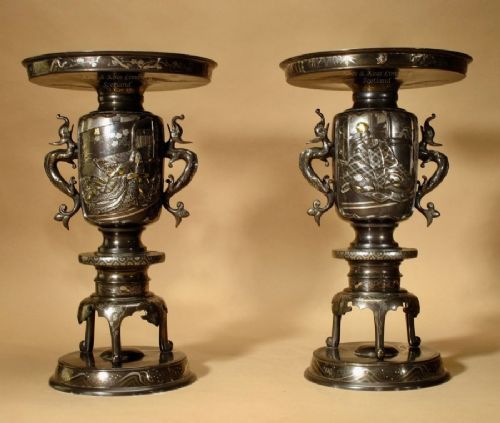
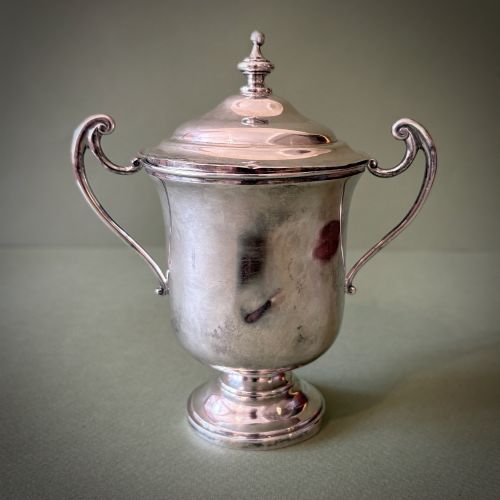
When searching for antique silvered urns, buyers encounter vessel forms primarily designed for fluid service or display, including wine coolers, tea urns, samovars and pedestal vases. The selection draws heavily on nineteenth-century production, alongside eighteenth-century Old Sheffield Plate and Edwardian iterations.
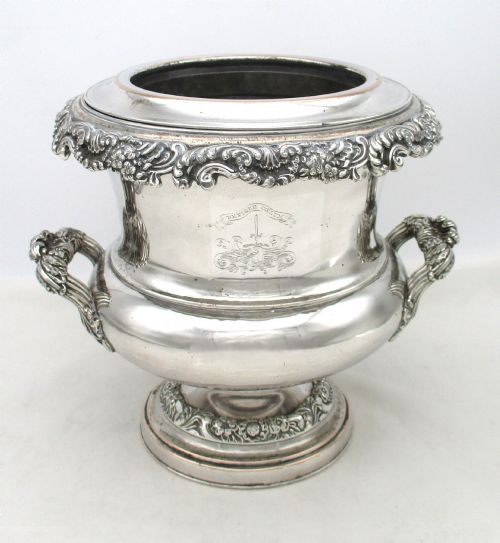
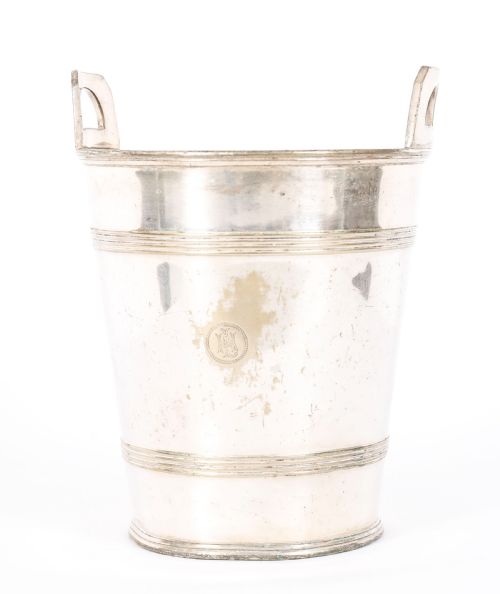
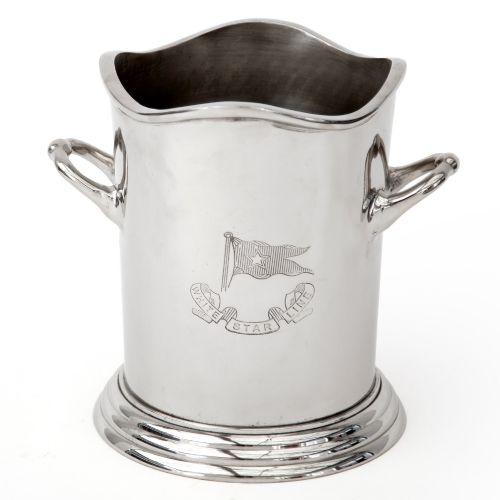
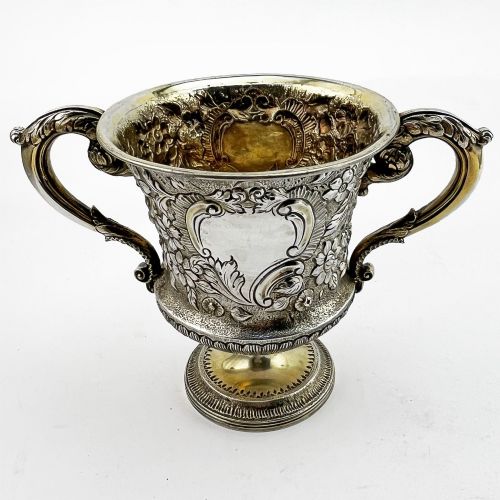
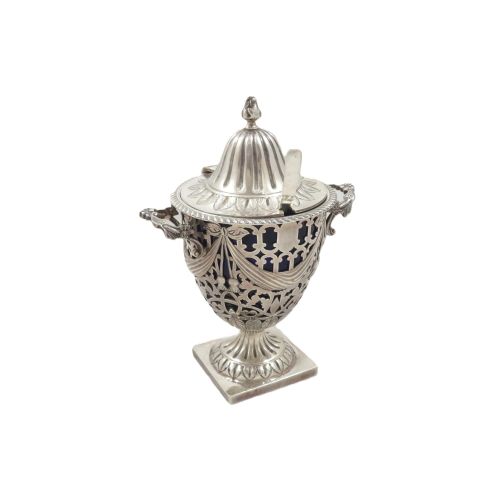
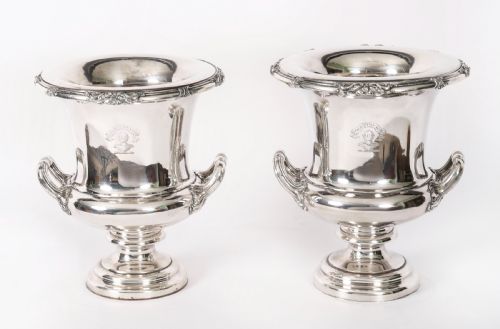
Forms range from campana-shaped vessels and handled champagne coolers to miniature chestnut urns and tea caddies. Pieces appear in sterling silver, silver plate, Old Sheffield Plate and silvered bronze, reflecting varied domestic uses across British, French and American households.
Materials and construction
Construction relies heavily on metals such as copper, bronze and base alloys finished with silver plating or thin silver leaf, alongside solid sterling silver formations. Old Sheffield Plate combines a fused layer of silver over a copper core, visible at seams or wear points where the base metal shows through.
Techniques encompass traditional silversmithing, casting, chasing and mercury silvering on bronze, particularly evident in Grand Tour decorative items and French garnitures. Makers utilised applied cast mounts, engraved crests and insulated twin-handled bodies to achieve both ornamental detail and functional durability.
Listings feature eighteenth-century Old Sheffield Plate alongside Victorian silver plate, Edwardian sterling silver, and nineteenth-century French silvered bronze.
Assessing quality in silvered vessels
Quality rests on the crispness of chased or cast ornamentation, such as foliate handles, gadrooned rims and armorial crests that remain sharp rather than worn down by excessive polishing. The integrity of the silver surface matters greatly, whether distinguishing thick Old Sheffield Plate from later electroplate or evaluating the evenness of mercury silvering on bronze.
Proportion and structural balance separate standard production from exceptional examples, notably in the weight of the metal and the harmony of pedestals, covers and spigots. Maker marks from established workshops add documentary weight to pieces retaining their original components.
Hutton Sheffield·Elkington Mason And Co·Walker And Hall·Mappin And Webb·Matthew Boulton·John Hoyland
The Antique Silvered Urns Glossary
- Campana
- A bell-shaped vessel form commonly utilised for wine coolers and monumental trophies during the neoclassical period.
- Old Sheffield Plate
- A fused bilayer material consisting of a copper core bonded with a sheet of sterling silver, produced before the invention of electroplating.
- Samovar
- A heated metal urn traditionally used to boil and heat water for tea, often fitted with a spigot.
- Silver Plate
- Base metal coated with a thin layer of silver, manufactured extensively through nineteenth-century electroplating techniques.
- Gilt
- A thin application of gold or gold wash applied to the interior or decorative highlights of a silver vessel.
Antique Silvered Urns: Frequently Asked Questions
What is the difference between a wine cooler and a tea urn?
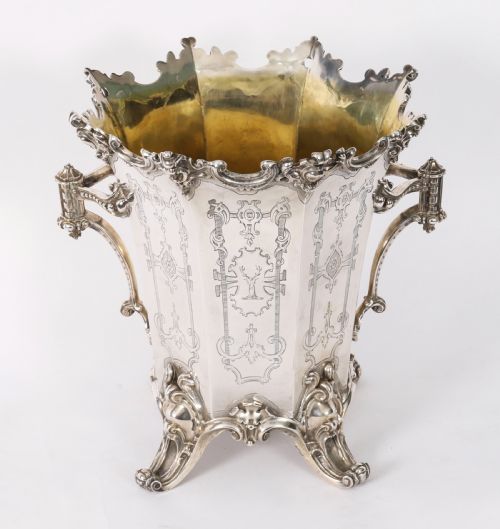
Wine coolers are open vessels designed to hold ice and bottles, often featuring sturdy handles and heavy walled construction.
Tea urns and samovars incorporate enclosed bodies with lids and spigots for dispensing heated water.
How do I care for antique silvered urns?
Maintain the finish by dusting with a soft cloth and avoiding abrasive commercial dips that strip thin plating or silver leaf.
Keep pieces away from direct heat sources and high humidity to protect underlying copper, bronze or base metals.
How can I tell Old Sheffield Plate from electroplate?
Old Sheffield Plate reveals a thin line of reddish copper showing through along edges or raised seams where the fused silver layer has worn.
Electroplated items typically display even silver coverage down to the base metal without the characteristic copper bleeding of the earlier fusion process.
Where were these urns originally displayed?
Large wine coolers and samovars stood on sideboards or dining tables during formal Georgian and Victorian meals.
Smaller decorative urns and pedestal pieces occupied mantelpieces, drawing room tables and cabinet displays.