




Silver Plated Vase
A silver plated vase brings substantial metalwork and glass together, offering domestic elegance through Georgian, Victorian, and later modernist designs.

Silver Plated Vase
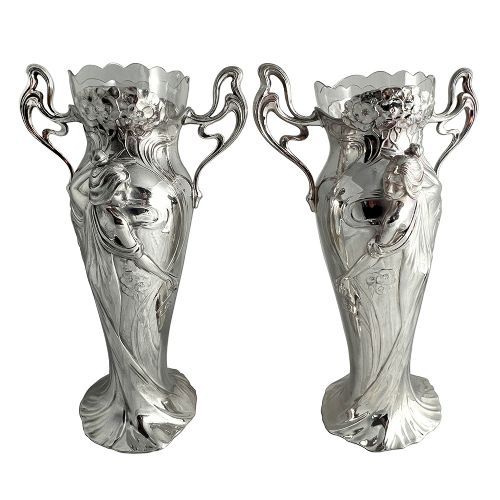
A silver plated vase encompasses a wide variety of domestic vessels designed for display and utility, ranging from slender spill vases and trumpet forms to large centrepieces and epergnes. The selection spans the 18th, 19th, and 20th centuries, covering Georgian, Victorian, Edwardian, Arts and Crafts, Art Nouveau, and Art Deco periods.
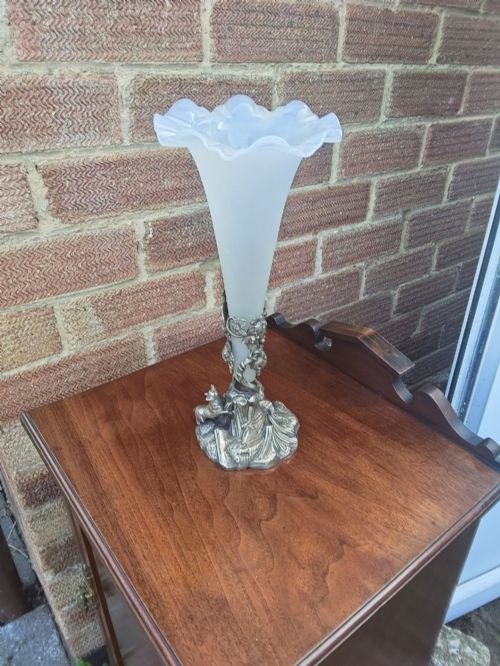
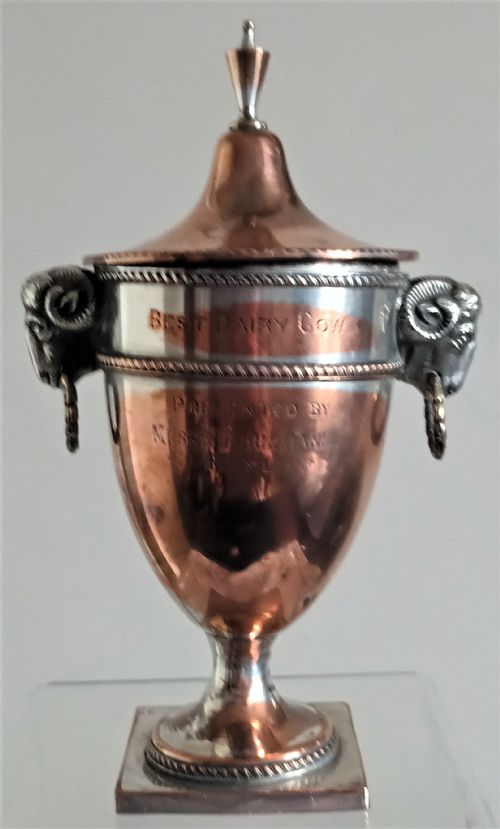
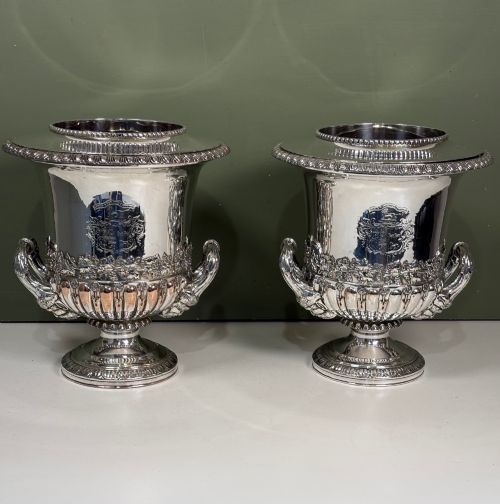
Buyers frequently encounter Victorian and Edwardian examples featuring cut glass, opaque glass, or vaseline glass inserts paired with plated metal stands. Architectural forms such as miniature chestnut urns, wine coolers, and pedestal stands also appear regularly alongside floral table vessels.
Materials and construction methods
Makers utilised a foundation of base metals, copper, or white metal, coated through traditional plating techniques or Old Sheffield methods involving a fused sheet of silver. Glass components, including cut, etched, opaque, and pearlescent varieties, were frequently combined with the metal framework.
Decorative elements display detailed craftsmanship through chased foliage, embossed motifs, pierced patterns, and figural mounts. Craftsmanship spans heavy cast bases and slender spun metal bodies designed to hold floral arrangements or stand alone.
Water nymphs cast their nets across grand decorative urns, reminding us that vases once doubled as miniature lakes.
Distinctions in construction and design
Quality rests on the crispness of chased and embossed detailing, the weight and integrity of the metal substrate, and the clarity of associated glass inserts. Pieces executed by noted makers display superior execution in mounts, handles, and structural joints.
The survival of original plating without excessive wear to high points indicates careful handling over time. Heavier gauge metalwork and harmonious integration between glass bodies and metal bases separate standard utilitarian items from finer examples.
Fox & Grapes·Walker & Hall·WMF·Joseph Rodgers & Sons·Daniel & Arter·Elkington & Co·Mappin & Webb·Christofle·Hawksworth, Eyre & Co·Deykin & Sons
The Silver Plated Vase Glossary
- Old Sheffield Plate
- An early method of fusing a thin layer of silver onto a copper core before the introduction of electroplating. This technique produces a warm tone where the underlying copper occasionally shows through at high points.
- Epergne
- A large table centrepiece featuring a central dish or vase surrounded by multiple smaller hanging baskets or trumpet branches. They frequently combine silver plated stands with coloured or cut glass.
- Spill Vase
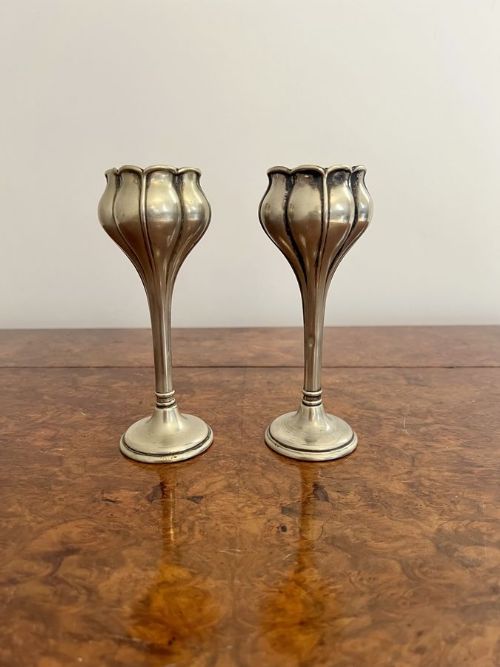
- A tall, slender vessel traditionally used to hold wooden spills for lighting fires or candles. They appear frequently in pairs or sets during the Victorian and Edwardian periods.
- Vaseline Glass
- A type of glass containing uranium dioxide that produces a distinctive yellow-green colour with strong fluorescence under ultraviolet light. It is commonly found paired with Victorian silver plated stands.
- Secessionist
- A stylistic movement related to Art Nouveau characterised by geometric discipline and stylised natural forms. Items from this movement display clean architectural lines.
Silver Plated Vase: Frequently Asked Questions
How do I clean a silver plated vase?
Use a soft cloth and a specialised silver polish designed for plated items to maintain the surface without removing the thin metal layer. Avoid abrasive pads or harsh chemical dips that damage the finish.
For pieces with integrated glass inserts, remove the glass before cleaning and wash it separately in warm soapy water. Dry thoroughly to prevent water spots on both the metal and the glass.
Were these vases meant for fresh flowers?
Many examples were designed specifically to hold fresh blooms, often incorporating removable glass liners or metal flower frogs to support stems. Trumpet vases and epergnes served as formal table decorations for dining rooms.
Other vessels, such as decorative urns and display stands, were intended purely as sculptural objects for sideboards and mantelpieces. Examining the interior will reveal whether a vessel held water or remained dry.
How do I date an older piece?
Dating relies on stylistic markers, manufacturing techniques, and maker marks stamped on the base of the metalwork. Victorian and Edwardian pieces often show eclectic ornamentation, while later items adopt clean modernist lines.
Old Sheffield Plate indicates an 18th-century or early 19th-century origin before electroplating became widespread. Maker stamps help narrow the production window by aligning with known active years of the firm.
What is Old Sheffield Plate?
Old Sheffield Plate is an early composite material made by fusing a thin sheet of sterling silver to a thicker copper ingot under heat and pressure. The combined metal was then rolled into sheets for fabrication.
This technique creates distinct edges where the copper core shows as a thin dark line, differing from later electroplated wares. It represents an important precursor to modern plating methods.