




Edwardian Spill Vase
An edwardian spill vase is a slender vessel made to hold paper spills for lighting fires, offering a glimpse into early twentieth century domestic interiors.
Edwardian Spill Vase
When you search for an edwardian spill vase, you encounter tall, narrow receptacles designed to hold wooden or paper spills for transferring flames from a hearth fire to candles or pipes. These small vessels sat upon mantelshelves throughout the home during the early twentieth century.
The selections on this page span porcelain, sterling silver, silver plate, earthenware, and cut glass forms. Many examples reflect the dominant Edwardian and Art Nouveau aesthetics of their period of origin.
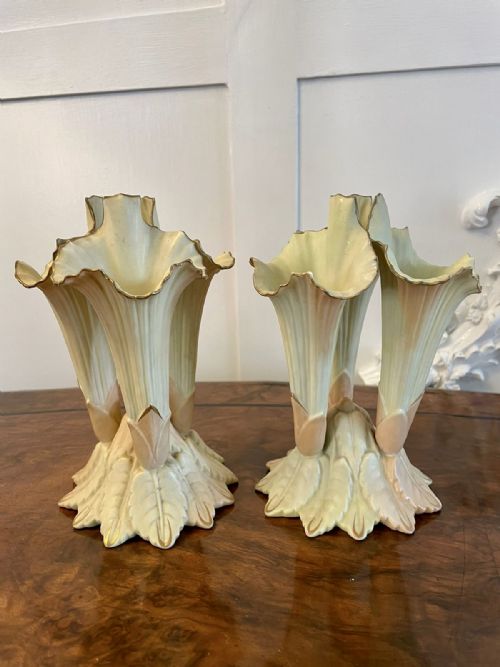
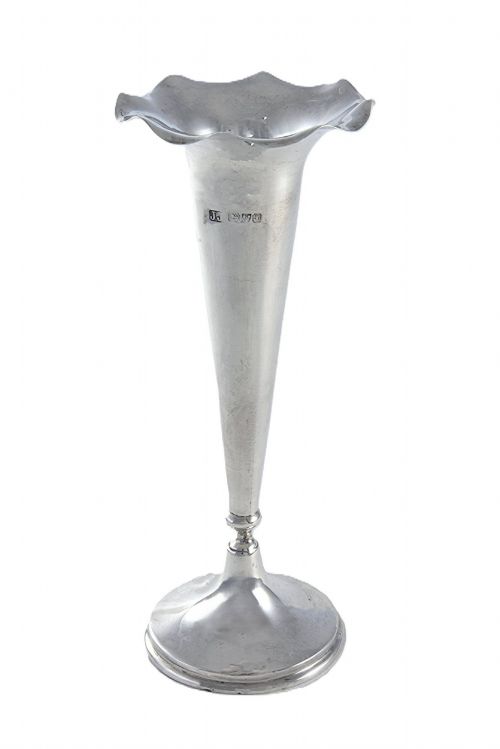
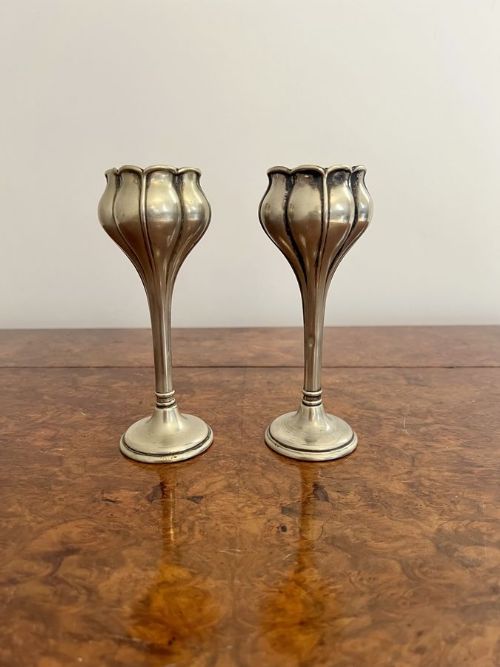
Porcelain spill vases from factories such as Royal Worcester dominate the selections, alongside sterling silver trumpet vases and silver plated vessels. You will also find earthenware productions and rarer carved wood examples.
How They Were Made
Makers fashioned these pieces from porcelain, earthenware, and limewood, alongside metallic elements in sterling silver and silver plate. Glass cutters shaped thick blanks of cut glass to catch the flicker of the hearth fire.
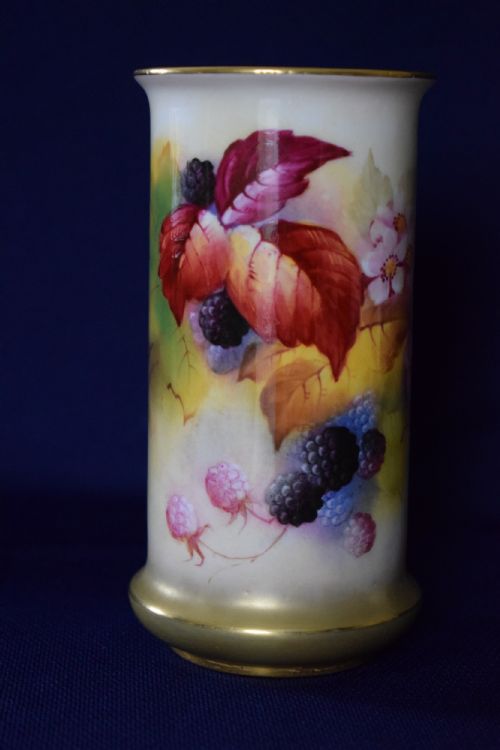
Ceramic pieces often received hand painted decoration featuring cattle, sheep, and fruit, signed by artists such as Harry Davis, James Stinton, and Kitty Blake. Gilding and gold leaf highlights frequently completed the porcelain bodies.
Silversmiths utilised stamping and hallmarking techniques to shape sterling silver and silver plated trumpet vases. Carvers worked on limewood to produce carved animal and foliage motifs.
The listings show porcelain, sterling silver, silver plate, earthenware, cut glass, and limewood as the primary materials utilised across these decorative spill vases.
What Varies in Quality
The artistic skill applied to hand painted ceramic decoration distinguishes standard pieces from exceptional ones. Signed works by noted porcelain artists carry greater artistic distinction than unsigned wares.
Material choice and weight separate hollow silver plate from heavy sterling silver or solid porcelain bodies. Crispness in cut glass faceting and detail in metal mounts also define the upper tier of the range.
Locke & Co.·Royal Worcester·Ernst Wahliss·Walker & Hall
The Edwardian Spill Vase Glossary
- Spill
- A slender rolled taper of paper or thin shaving of wood used for lighting a fire, pipe, or candle from the hearth. These receptacles kept such papers tidy near the fireplace.
- Sterling silver
- A silver alloy containing substantial pure silver content, traditionally stamped with hallmarks denoting the assay office and year of manufacture. Chester assay marks frequently appear on these pieces.
- Blush ivory
- A tinted porcelain body developed by factories to mimic the warm tone of elephant ivory, often decorated with floral or pastoral scenes. Locke & Co. and Royal Worcester produced notable examples.
- Trumpet vase
- A vessel widening outward from a narrow base toward a flared rim, resembling the bell of a musical wind instrument. Silversmiths often shaped silver and silver plate into this profile.
- Art Nouveau
- A decorative style characterised by sinuous plant forms, flowing lines, and asymmetrical patterns. This aesthetic influenced the earthenware and metal vessels produced around the turn of the twentieth century.
Edwardian Spill Vase: Frequently Asked Questions
How were spill vases used?
These vessels held thin spills of paper or wood close to the fireplace for convenient fire lighting. When someone needed to light a candle or tobacco pipe, they pulled a spill from the vase and touched it to the hearth embers.
Because matches were less convenient or more expensive in earlier periods, these tapers provided an efficient method for transferring flames across the room.
How do I identify porcelain makers?
Porcelain pieces often carry factory backstamps on the base indicating the manufacturer, such as Royal Worcester or Locke & Co. Many ceramic vessels also display the signature of individual artists who painted the pastoral scenes.
Artistic signatures like those of James Stinton, Harry Davis, or Kitty Blake denote hand painted factory production from the early decades of the twentieth century.
How do silver spill vases differ?
Silver examples range from solid sterling silver trumpet vases bearing town hallmarks to silver plated vessels mounted on weighted bases. Chester hallmarks frequently date silver pieces to specific years around the turn of the century.
Silver plated items offer a reflective metallic finish similar to sterling silver but rely on a base metal core beneath the outer plating.