



Antique Trophy Vase
These antique trophy vase examples bring classical poise and athletic honour into a room, fashioned from precious metals and enduring alloys.
Antique Trophy Vase
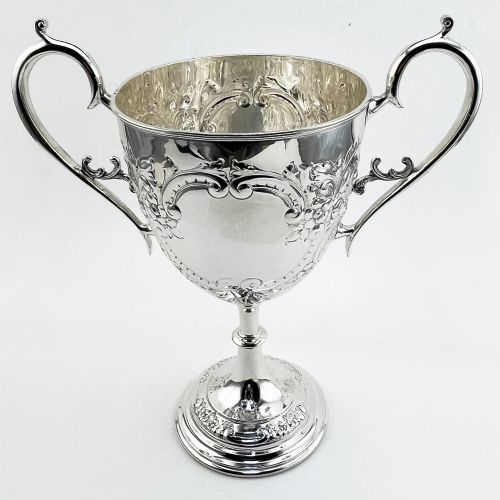
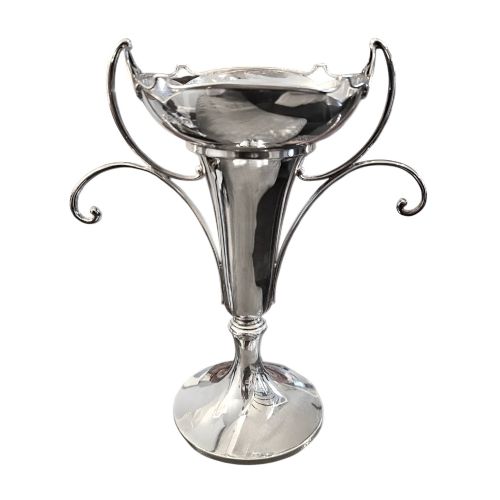
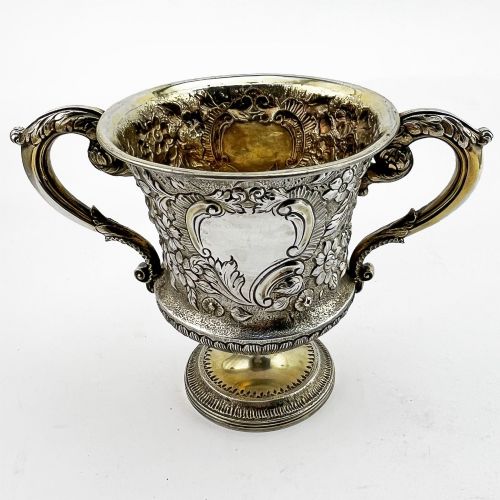
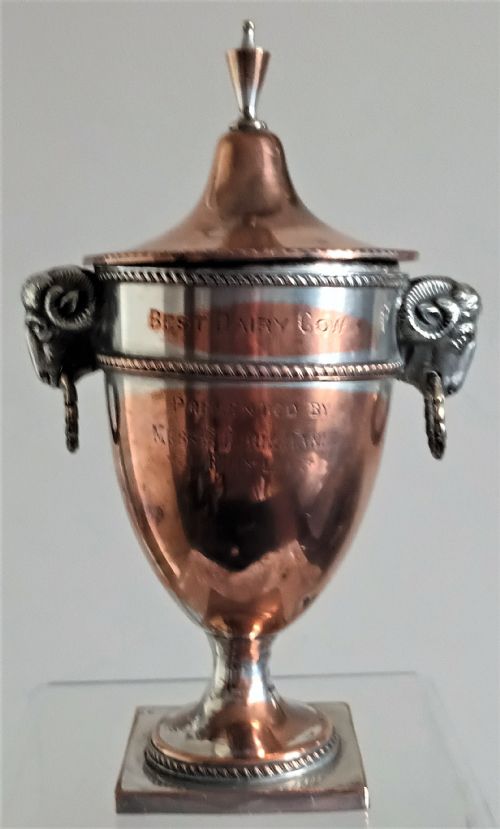
An antique trophy vase sits at the intersection of decorative display and commemorative function, taking forms such as campana shaped cups, urns, and twin-handled vessels. When you search for an antique trophy vase, you encounter pieces that range from monumental silver presentation pieces to diminutive Old Sheffield Plate chestnut urns.
The materials span sterling silver, silver gilt, silver plate, Old Sheffield Plate, brass, copper, and cherry wood, alongside pairings like horn and brass. Periods stretch from the eighteenth century through the Georgian and Victorian eras into Edwardian and early twentieth-century designs.
Styles on this page cover Georgian, George III, French Rococo Revival, Chinese Export, Art Nouveau, and Arts and Crafts. You will find items originating from English, Irish, French, and Chinese workshops, reflecting diverse regional tastes in presentation silver and decorative objects.
Materials and construction methods
Silversmiths shaped solid sterling silver and silver gilt using hammering, casting, and chasing techniques, producing high-relief decoration and substantial twin handles. Old Sheffield Plate combined a thin sheet of silver fused to a copper base, creating durable vessels with rich metallic warmth.
Brass and copper components were often spun or cast, then finished with applied mounts, engraving, or patination. Artisans also turned organic materials like cherry wood and horn, mounting them with cast metal collars and handles to build complex composite decorative objects.
Antique Trophy Vase Retail Price Guide 2026
Typical asking prices for trophy vase among the pieces listed under this phrase on Sellingantiques today, from the lower quarter to the upper quarter. They describe what is for sale here now, not the wider market.
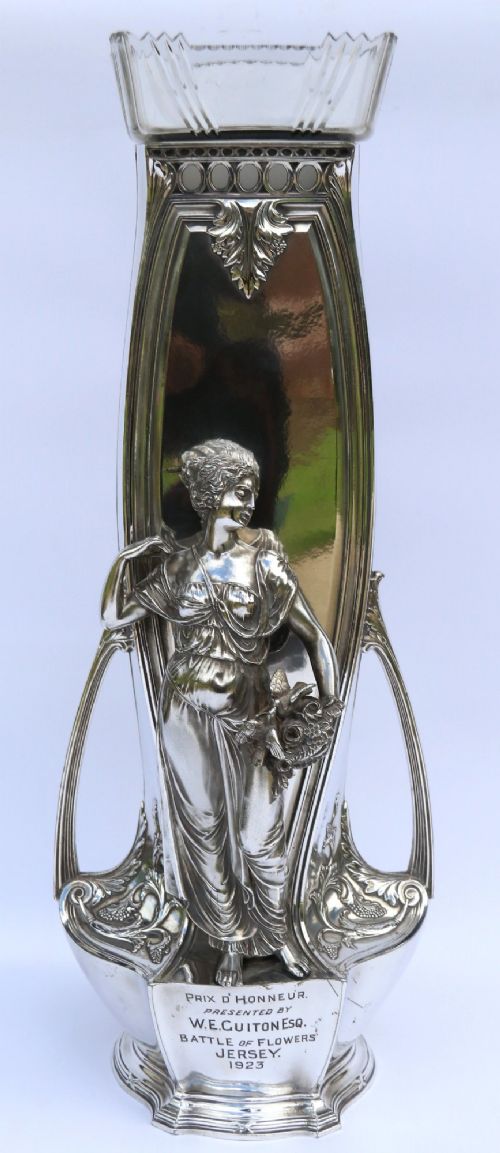
One exceptional piece commemorates the floral battles of Jersey with silver plating.
Assessing quality in presentation pieces
The distinction between ordinary and exceptional work lies in the crispness of the chasing and the weight of the metal used in the body and handles. Superior pieces display harmonious proportions, secure structural joints, and finely detailed cast mounts rather than stamped or superficial ornamentation.
Provenance and maker attribution elevate certain works, particularly where renowned firms or designers applied specialised gilding, engraving, or mixed-media elements like cherry wood and silver.
Edward Souter Barnsley·WMF·Joseph Rodgers & Sons·Charles Noke for Royal Doulton
The Antique Trophy Vase Glossary
- Campana shaped cup
- A vessel profile resembling an inverted bell, widely used for classical urns and presentation pieces during the Georgian period.
- Old Sheffield Plate
- A fused composite material made by melting a sheet of silver onto a heavier copper core, popular before electroplating.
- Silver gilt
- Sterling silver that has been coated with a thin layer of gold on its interior or exterior surface, enhancing richness and preventing tarnish.
- Chasing
- A metalworking technique where the artisan pushes metal from the front using hammers and punches to raise decorative low-relief designs.
- Hallmark
- A series of official stamps applied to precious metals indicating the standard of purity, the assay office, and the date letter.
Antique Trophy Vase: Frequently Asked Questions
How do I date an antique trophy vase?
Dating relies on official hallmarks, maker marks, and stylistic indicators such as Georgian neoclassical lines or Art Nouveau organic curves.
Comparing construction methods, such as Old Sheffield Plate versus later electroplating, also helps establish the era of manufacture.
Were these vases used for flowers?
While some vessels served as planters or floral containers, many were designed strictly as standing presentation pieces or decorative urns.
Their substantial handles and commemorative inscriptions indicate their primary role as symbols of achievement rather than utilitarian vases.
How do I care for silver and plated vases?
Care requires gentle cleaning with non-abrasive cloths and specialised silver polishes to preserve chased details and thin plating.
Avoiding harsh chemicals and abrasive pads ensures the original metal surface and any silver gilt layers remain intact.