




Jugendstil Silver Vases
Jugendstil silver vases combine flowing organic forms with precious metal overlays, bringing distinctive continental flair to any interior.
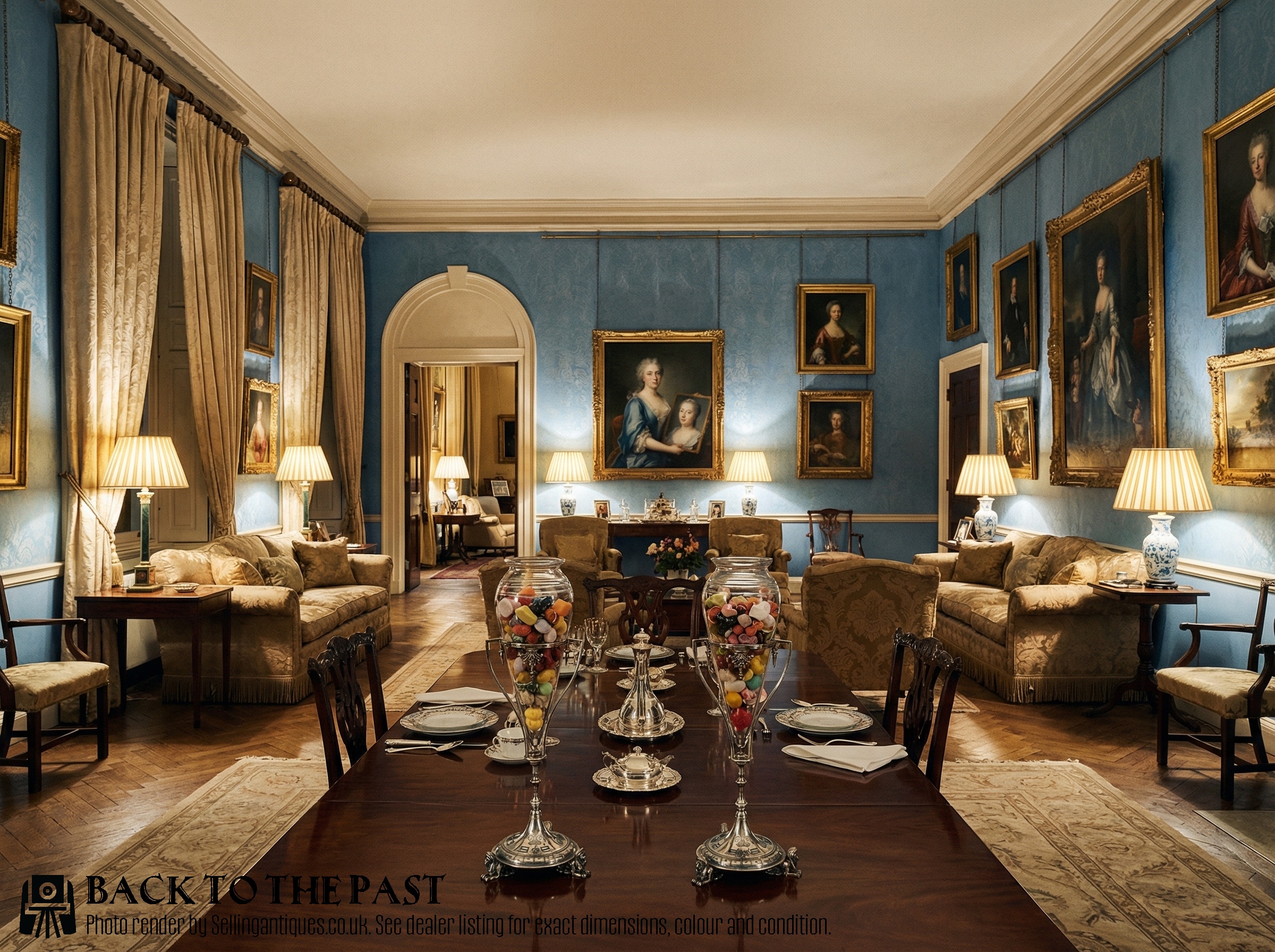
Jugendstil Silver Vases
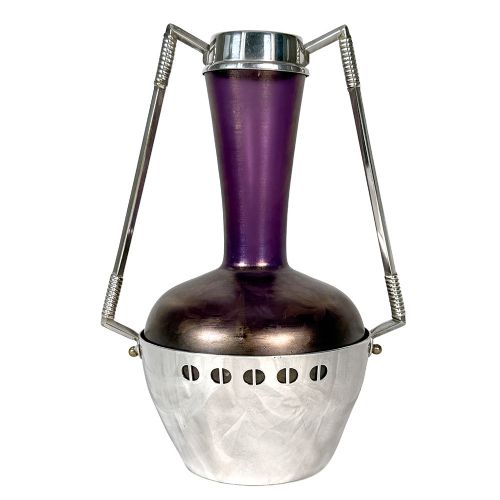
When you search for jugendstil silver vases, you encounter decorative vessels defined by the aesthetic movements of the late nineteenth and early twentieth centuries. The pieces available span periods from the Victorian era into the 1920s, reflecting the artistic shifts of Art Nouveau, Vienna Secessionist, and Jugendstil styles. Formats range from standard vases and miniature urns to prominent centrepieces.
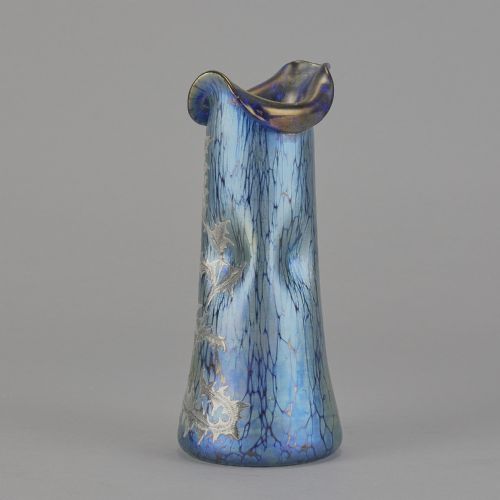
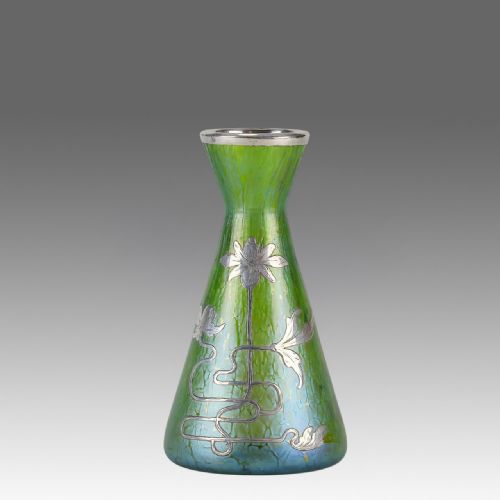
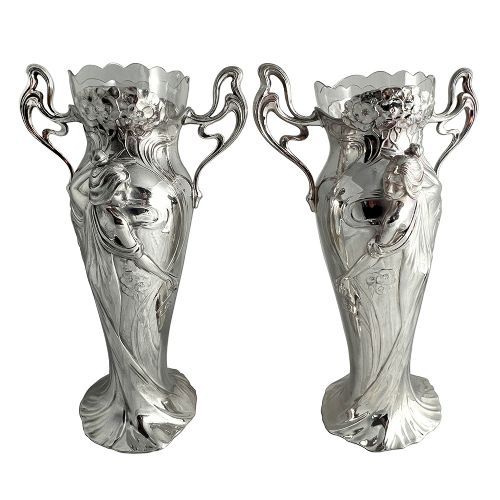
The most frequent examples combine glass bodies with applied metalwork. You will regularly find vessels pairing iridescent glass, cobalt glass, or clear glass with sterling silver, silver plate, or silvered pewter. Figural maiden motifs and naturalistic overlays dominate the physical forms seen across the listings.
Materials and construction methods
Maker workshops utilised blown glass techniques to create dynamic bodies, frequently employing iridescent or coloured glass treatments such as the Papillon finish. These glass vessels were then fitted with external overlays in silvered pewter, sterling silver, or standard silver plate.
Metalwork involved casting, piercing, and soldering components directly onto the glass or forming standalone vessels. Artisans also integrated cabochons into the metal mounts to accent the organic linework typical of the period.
Differentiating quality in the range
Quality separates simple production items from exceptional studio and factory pieces through the integration of the metal overlay with the glass body. Finer examples display meticulous alignment between the pewter or silver mount and the underlying blown contours.
The artistry of the glass itself dictates the upper tiers of the range. Iridescent finishes with complex optical effects and figural maiden designs require greater skill than plain glass bodies with basic silver mounts.
Loetz Witwe·Johann Loetz·WMF·Ferdinand von Poschinger
The Jugendstil Silver Vases Glossary
- Jugendstil
- The German counterpart to Art Nouveau, focusing on youthful, modern design and sinuous floral motifs. It flourished around nineteen hundred.
- Pewter
- A malleable metal alloy of tin mixed with copper and antimony, frequently silvered and used for decorative overlays on glass vessels.
- Iridescent glass
- Glass treated with metallic salts while hot to produce a shimmering, rainbow-like surface effect. It catches light differently from standard clear glass.
- Vienna Secessionist
- A stylistic branch of Austrian art that favoured geometric patterns alongside organic lines. It emerged from artists breaking away from traditional academic institutions.
- Overlay
- A decorative layer of metal fitted tightly over a glass body. It often forms elaborate plant or figurative patterns wrapping around the vase.
Jugendstil Silver Vases: Frequently Asked Questions
What periods do these pieces come from?
The objects span the Victorian era, the year nineteen hundred, and the nineteen twenties. They bridge nineteenth-century craftsmanship with early twentieth-century modernism.
Most items align directly with the height of the Jugendstil and Art Nouveau movements around the turn of the century.
How were metal overlays applied to glass?
Metalwork components in silvered pewter or silver were cast separately and fitted closely around the blown glass bodies. Artisans secured these mounts to complement the natural contours of the vases.
This technique required precise measurements so the metal adhered properly to expanding glass surfaces during cooling.
How do I care for silvered pewter?
Silvered pewter requires gentle dusting with a soft cloth to protect the thin metallic coating. Avoid harsh chemical cleaners that might strip the silver layer from the pewter base.
Keep these vessels away from damp environments to prevent oxidation and tarnishing of the metal elements.