


Silver Pedestal Vases
Silver pedestal vases bring classical elevation to floral displays, offering enduring presence through centuries of fine metalwork and glass.
Silver Pedestal Vases
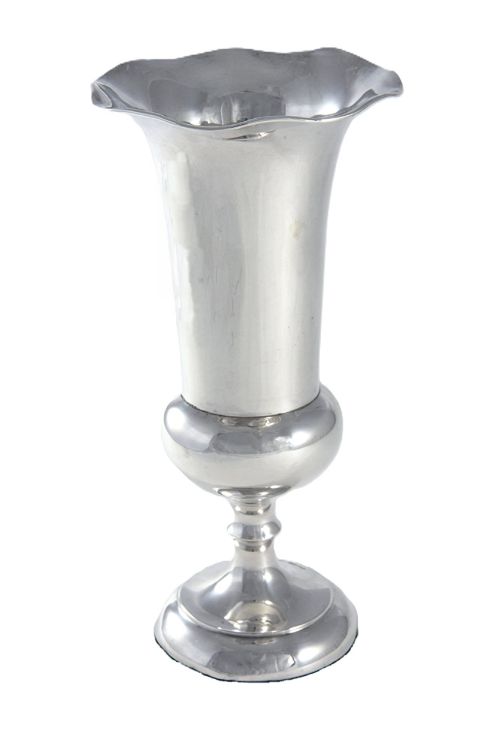
Silver pedestal vases stand upon raised bases or feet, elevating flowers and decorative foliage above the surface of a table or mantelpiece. When searching for silver pedestal vases, a buyer encounters forms ranging from compact posy holders to substantial ornamental urns.
The pieces on this page span several eras, with Victorian and Edwardian examples appearing most frequently alongside Georgian and twentieth-century designs. Forms encompass traditional spill vases, twin-handled vessels, and miniature urns intended for display.
Origins vary across British, Irish, and continental European workshops, reflecting diverse regional tastes in domestic silver and decorative metalwork. Buyers find both single display pieces and matched pairs suited to symmetrical interior arrangements.
How they were made
Makers utilised sterling silver, silver plate, and silvered or gilt bronze, frequently combining metal bodies with cut glass inserts. Formed through casting, spinning, and hand-chasing, the structures rely on sturdy pedestal bases to support elevated bowls.
Surface ornamentation ranges from restrained classical revival motifs to flowing organic lines characteristic of Art Nouveau and Jugendstil aesthetics. Detail work involves piercing, repoussé, and precise linear engraving applied directly to the metal surface.
Some miniature urns stand barely taller than an egg, yet possess all the heavy dignity of their full-sized garden relations.
What varies in quality
Distinction in quality rests upon the crispness of the chasing and the structural balance of the pedestal base in relation to the main vessel. Heavier gauges of metal provide greater substance and durability, preventing distortion during daily use.
Artistic execution distinguishes standard production items from distinguished continental and British studio pieces, particularly where complex Secessionist or Jugendstil motifs are integrated into the design.
WMF
The Silver Pedestal Vases Glossary
- Pedestal
- A raised foot or column supporting the main body of a vessel. This architectural feature lifts the display above table level.
- Spill vase
- A tall, slender container designed to hold wooden spills used for lighting fires or candles. These cylindrical forms often feature weighted bases.
- Repoussé
- A metalworking technique where the design is hammered into relief from the reverse side. This creates tactile surface decoration.
- Jugendstil
- The German variant of the Art Nouveau movement, characterised by dynamic, undulating lines. Pieces in this style emphasise natural forms.
Silver Pedestal Vases: Frequently Asked Questions
What were silver pedestal vases used for?
These vessels served primarily to display cut flowers, posies, or decorative greenery on dining tables and mantlepieces.
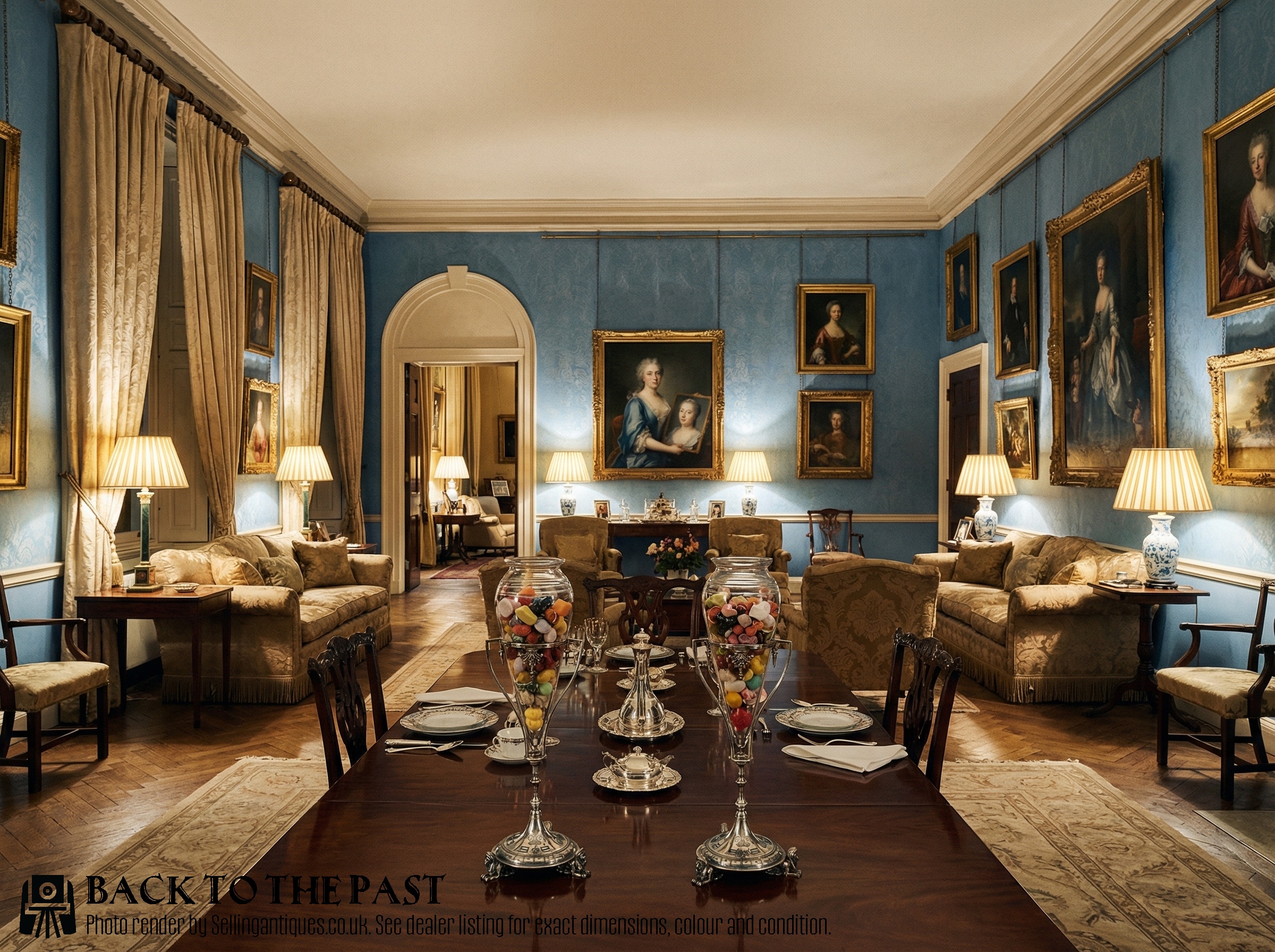
Larger urn-like examples functioned as decorative focal points in formal rooms, sometimes paired symmetrically for display.
How do I clean silver pedestal vases?
Maintenance requires a soft cloth and a reputable silver polish formulated to remove tarnish without abrading the surface detail.
Care should be taken around fitted glass liners and delicate pierced work to prevent accidental damage during polishing.
How can I tell the period?
Stylistic indicators such as classical revival motifs point to the Georgian or Victorian eras, while flowing organic lines suggest Art Nouveau or Jugendstil.
Maker marks, hallmarks, and structural construction methods provide definitive evidence of age and origin.
Are pairs common for these vases?
Matched pairs frequently survive from the Victorian and Edwardian periods, designed specifically for symmetrical mantel or sideboard arrangement.
Single vessels also appear regularly, often representing smaller posy holders or individual cabinet pieces.