


Silver Trophy Urn
These silver trophy urn pieces combine monumental classical forms with competitive history, bringing tangible sporting and social heritage directly into your room.
Silver Trophy Urn
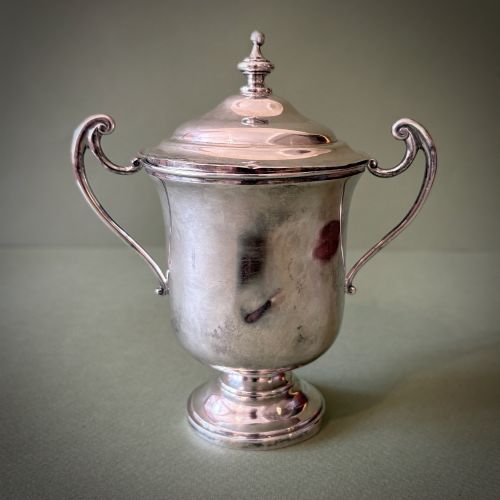
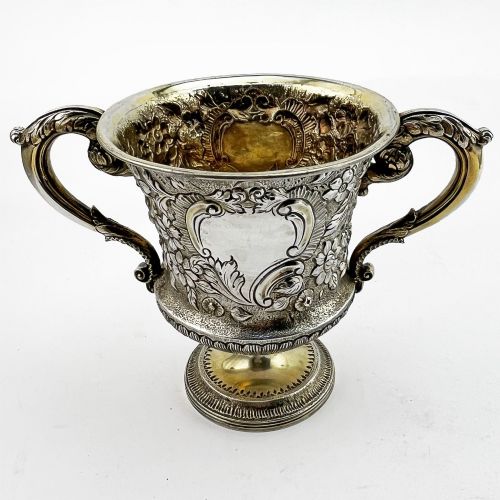
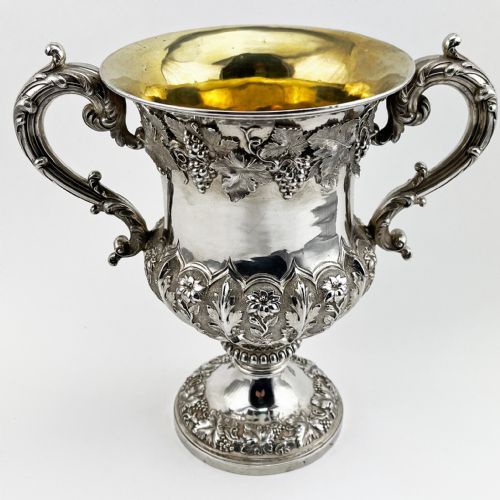
When you search for a silver trophy urn, you encounter impressive dual-purpose presentation pieces designed to commemorate sporting victories, civic honours, and personal milestones. These objects span the Georgian and Victorian eras, taking forms such as campana-shaped vessels, covered cups, and twin-handled presentation urns.
Materials and construction methods
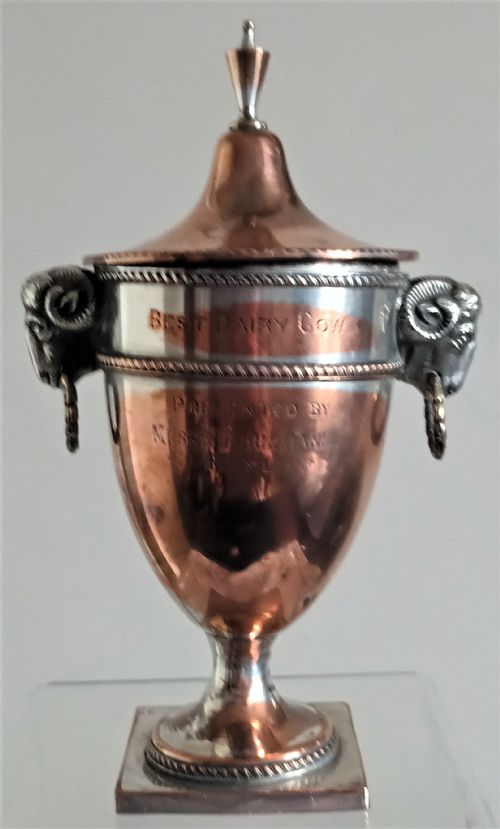
Silversmiths utilised sterling silver, silver gilt, and vermeil to give these vessels their lustrous finish, frequently mounting them on ebonised wood or cherry wood bases. Old Sheffield plate provides an alternative surface where a thin layer of silver is fused to a base metal core.
Craftsmen shaped these urns through disciplined techniques of raising, casting, and hand engraving. Details such as applied handles, cast finials, and chased botanical or heraldic motifs require advanced metalworking skill.
Some nineteenth century victors celebrated their athletic prowess by drinking directly from a two-handled silver vessel filled with local ale.
Assessing quality in historical silver
Quality rests upon the crispness of the hand engraving and the structural integrity of applied handles and cast decorative elements. Superior examples display harmonious proportions where the weight of the metal matches the scale of the classical urn form.
The clarity of hallmarks and maker marks adds significant historical substance to a piece, confirming its origin and date. Furthermore, intact lids and original wooden plinths elevate the completeness and overall character of the surviving object.
Henry Tatton & Son·Thomas Sutton·Henry Bourne
The Silver Trophy Urn Glossary
- Campana
- A bell-shaped vessel with a flaring rim and a footed base, heavily favored for classical trophy urns. This silhouette echoes ancient Roman pottery designs.
- Old Sheffield Plate
- An early fusing technique where a sheet of silver is fused to a copper base metal. This method produces durable wares with rich patination.
- Sterling Silver
- An alloy consisting of pure silver and other metals to increase durability while maintaining standard purity. British pieces of this standard carry the lion passant hallmark.
- Vermeil
- Sterling silver that has been heavily coated with a layer of gold. This finish provides a warm, rich tone often found on the interior liners of presentation cups.
- Chasing
- A metalworking technique where the silversmith pushes the metal from the front using hammers and punches to create raised decorative designs. It differs from engraving, which removes metal.
Silver Trophy Urn: Frequently Asked Questions
What are silver trophy urns used for?
These vessels originally served as prizes in athletic competitions, horse races, and sailing regattas, or as presentation pieces recognising civic and military service. In domestic settings, they functioned as ornamental centerpieces or commemorative display objects.
Today, collectors use them to anchor traditional interior schemes, placing them on sideboards, mantelpieces, or dedicated display tables where their classical proportions draw the eye.
How do I distinguish Georgian from Victorian pieces?
Georgian examples, spanning the eighteenth century, typically exhibit restrained classical restraint, crisp hand engraving, and simpler heraldic cartouches. They often show the lighter, more elegant lines associated with George III designs.
Victorian pieces from the nineteenth century tend to be heavier and more ornate, featuring elaborate chased floral motifs, figural handles, and bolder overall dimensions that reflect industrial manufacturing advances.
Can I polish my antique silver urn?
Polishing depends on personal preference and the presence of original patination or silver gilt surfaces. Standard sterling silver benefits from gentle cleaning with a soft cloth and a reputable silver cream to maintain its reflective finish without removing detail.
Old Sheffield plate requires particular caution, as aggressive polishing can wear through the thin silver layer and expose the copper base metal beneath.
What does a wooden base indicate?
Ebonised or cherry wood plinths often indicate that a cup was designed as a perpetual trophy or required extra elevation to sit securely on a sideboard. These bases provide structural stability for heavy metal vessels.
Original wooden mounts contribute to the historical integrity of the piece, though many urns were manufactured to stand directly on their own metal feet.