

Vintage French Side Cabinet
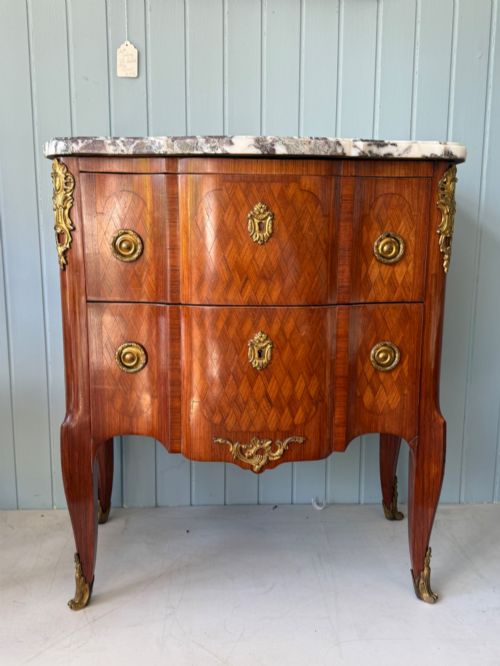
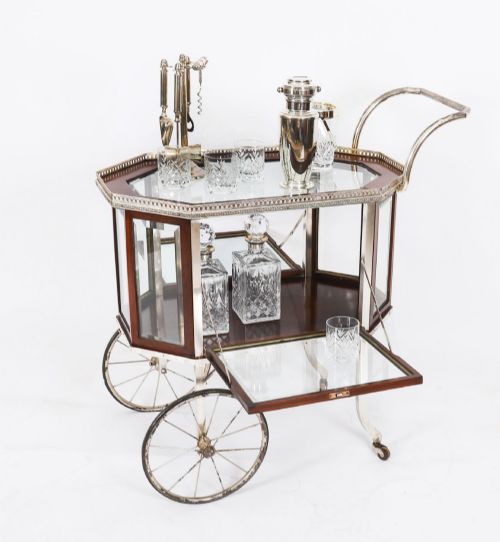
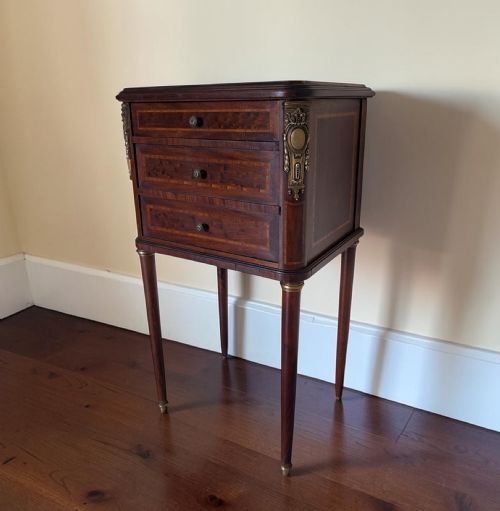
These vintage french side cabinet pieces range from compact bedside tables to marble-topped commodes, offering continental storage and decorative presence.
Vintage French Side Cabinet
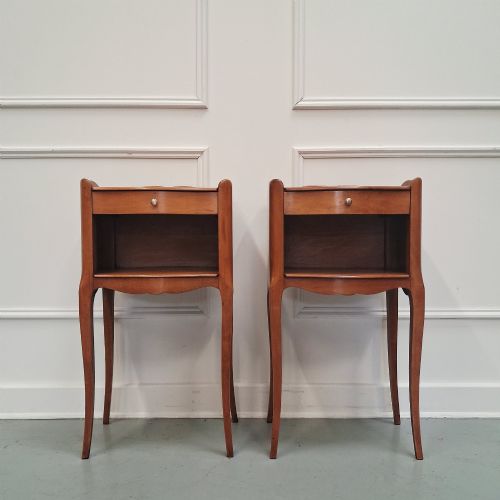
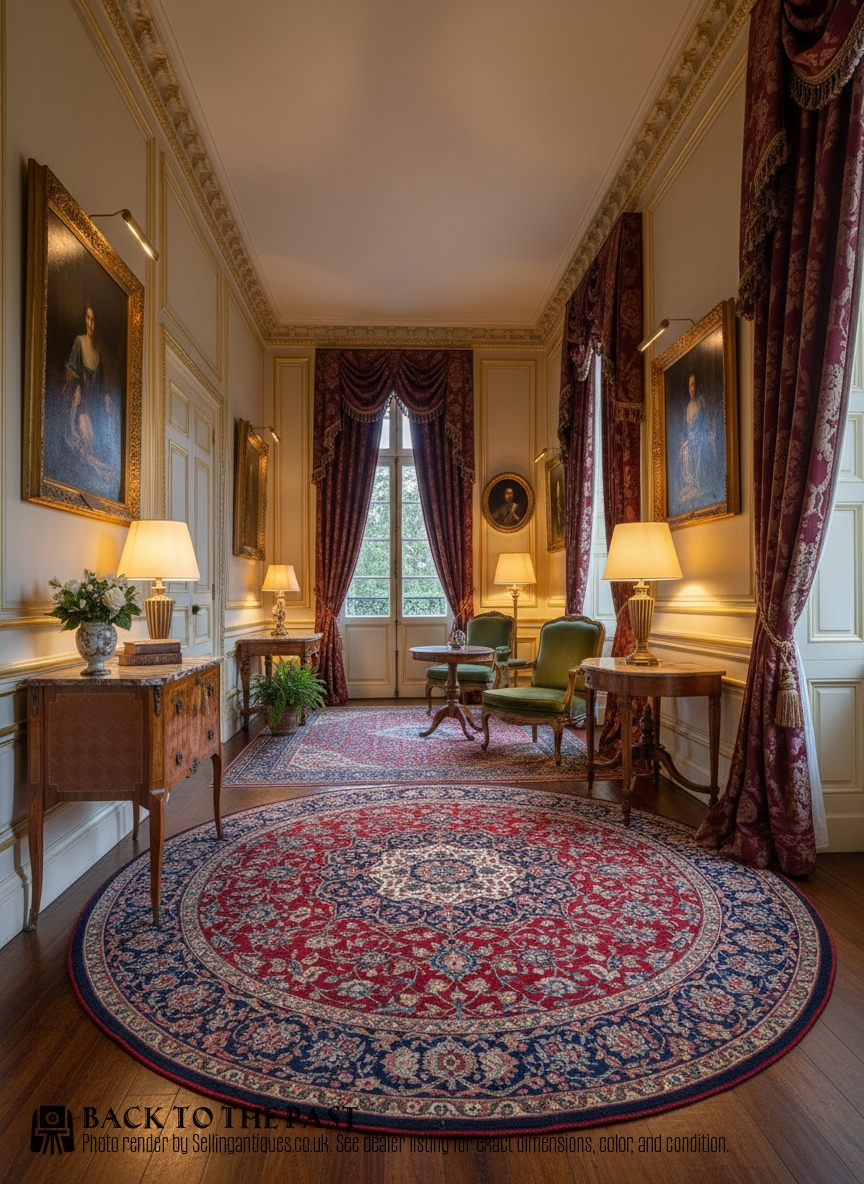
A vintage french side cabinet brings continental elegance to an interior, functioning as a bedside table, low chest, or small display piece. Buyers searching this phrase look for practical storage combined with decorative character, ranging from intimate bedside units to taller commodes.
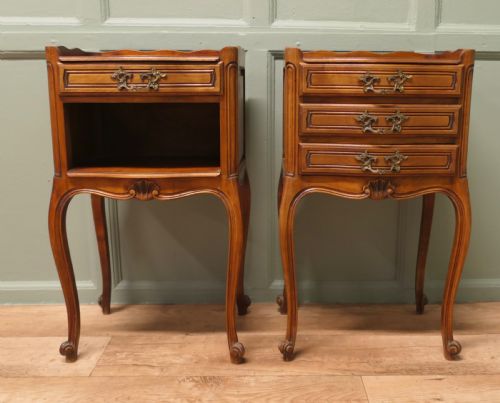
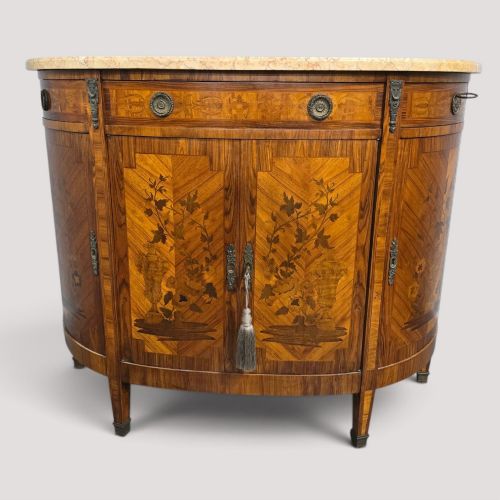
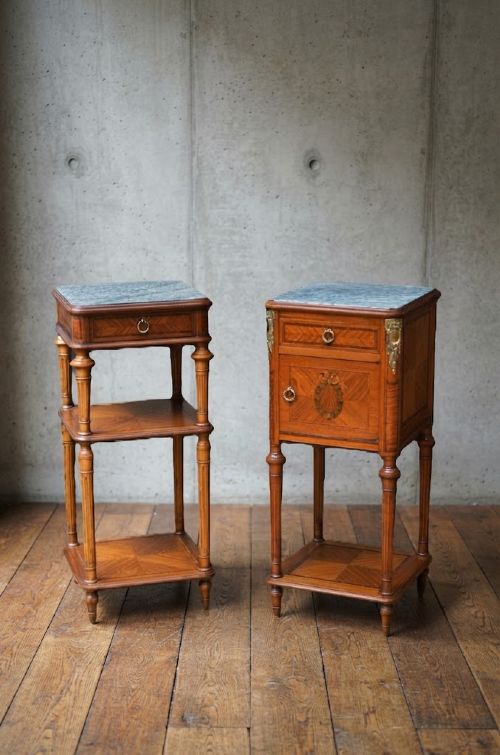
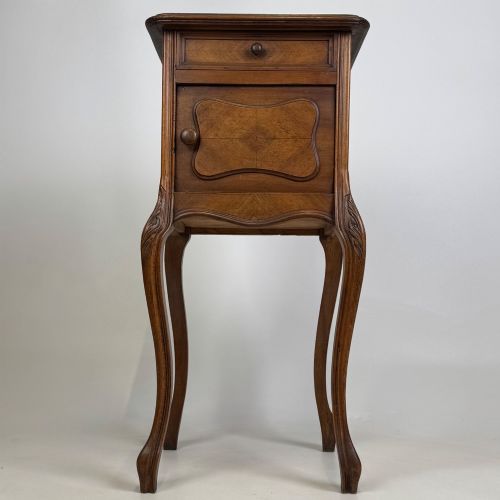
The pieces on this page span several decades and styles, with forms originating from the nineteenth century through the art deco period of the 1930s. The most common examples take the form of bedside tables and compact chests, often featuring fitted marble tops.
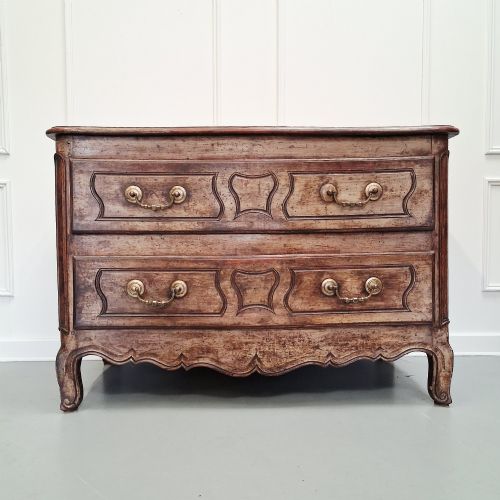
Design influences across the selection draw heavily on traditional French aesthetics, including Louis XV and Louis XVI revivals alongside provincial cabinet-making. These items served functional roles in European bedrooms and salons, adapting easily to modern domestic spaces as bedside companions or lamp tables.
Materials and construction
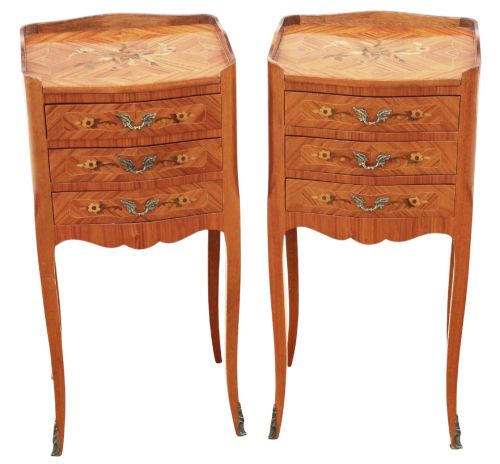
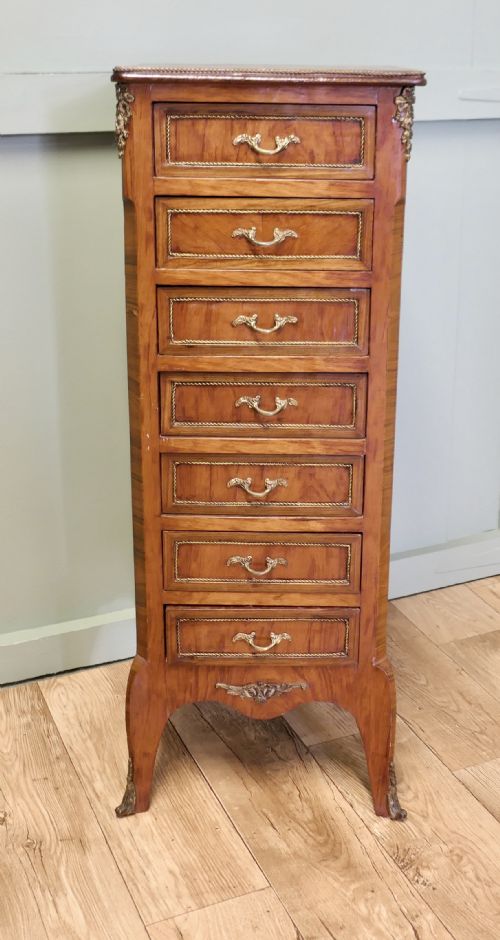
Cabinet makers utilised a rich palette of timbers, pairing structural carcases of oak, walnut, and mahogany with decorative veneer surfaces of kingwood, rosewood, and burr fruitwoods. Marquetry inlay appears frequently across drawer fronts and tops, creating intricate geometric or floral patterns through contrasting wood grains.
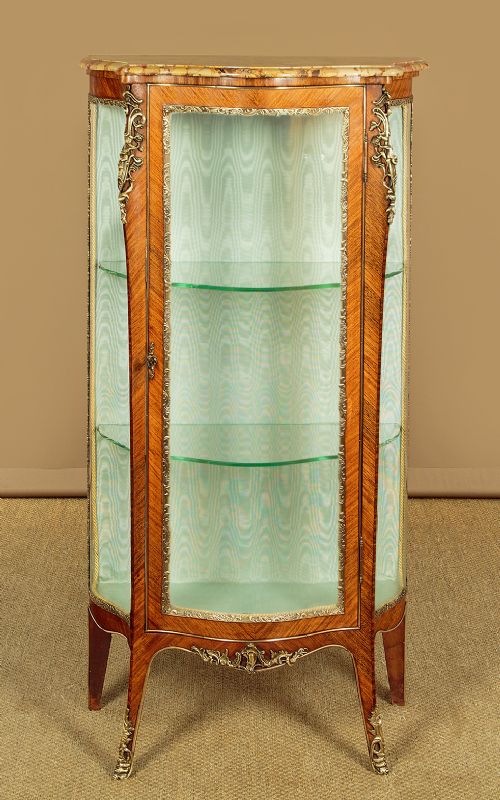
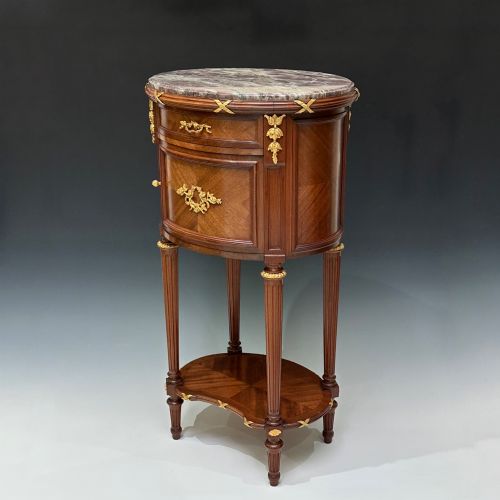
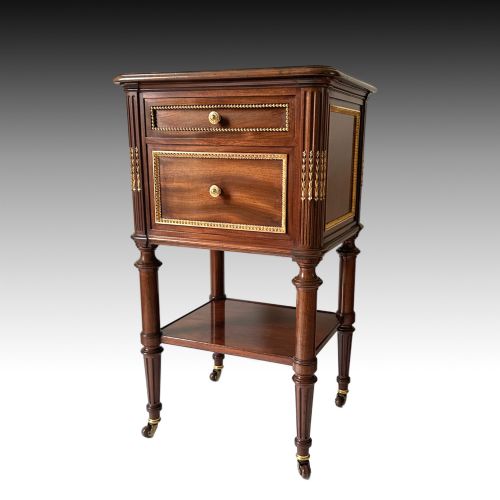
Marble tops, typically in shades of grey or white, provide durable and decorative horizontal surfaces on commodes and bedside cabinets. Ormolu mounts, cast bronze details, and brass handles are applied to accentuate corners, drawer pulls, and framing elements.
Joinery techniques reflect traditional European workshop methods, with dovetailed drawer construction and solid timber framing beneath decorative veneers. Turned legs, cabriole supports, and faux bamboo turnings provide the structural foundation for these varied cabinet forms.
One unexpected variant disguises itself as a bedside companion while secretly doubling as a music cabinet for late-night listening.
Judging quality and execution
Quality in these cabinets rests upon the precision of the timber selection and the execution of the marquetry work. Finer examples display carefully matched wood veneers and crisp inlay, whereas simpler pieces rely on plain walnut or mahogany surfaces without decorative banding.
The integration of mountings and hardware marks a clear distinction in tier. Heavy, finely chased ormolu mounts fitted flush to the woodwork indicate superior workshop output compared to stamped, lightweight brass alternatives.
The stability of the marble slab and the alignment of the supporting wooden frame demonstrate the original level of craftsmanship. Solid internal secondary woods and smooth drawer action separate standard production items from master cabinet-maker output.
François Linke
The Vintage French Side Cabinet Glossary
- Marquetry
- Decorative veneer work arranged in pictorial or geometric patterns. Craftsmen cut thin slices of contrasting coloured wood and fit them together into a paper-thin wooden mosaic before gluing the sheet to the cabinet carcase.
- Ormolu
- Gilded bronze mounts used for decorative handles, feet, and corner flourishes on furniture. The technique involves applying a mercury and gold amalgam to cast bronze, though later pieces utilise electroplating.
- Kingwood
- A dense, dark timber featuring vivid violet and golden-brown streaks. Frequently utilised by French cabinet makers during the eighteenth and nineteenth centuries for high-status veneering.
- Vitrine
- A glass-sided display cabinet designed for porcelain and small objects. These pieces elevate the side cabinet concept into a translucent showcase for decorative items.
Vintage French Side Cabinet: Frequently Asked Questions
What is a french bedside cabinet used for?
These cabinets provide enclosed bedside storage for small personal items while offering a decorative surface for a lamp or clock. Their compact proportions allow them to fit easily beside various bed heights.
Beyond the bedroom, buyers frequently utilise smaller side cabinets as lamp tables in living rooms or hallways. Their decorative marble tops and veneered finishes make them suitable for display spaces throughout the home.
How do I identify art deco pieces?
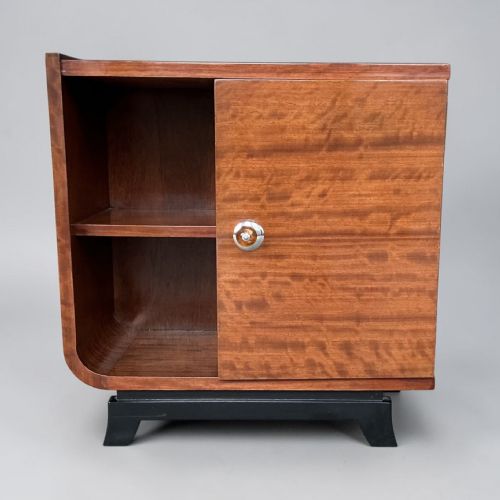
Art deco cabinets from the 1920s and 1930s feature geometric symmetry, streamlined silhouettes, and a lack of ornate historical revival carving. They rely on clean lines and contrasting wood grains.
These pieces often incorporate bold veneer choices like burr walnut alongside polished brass or bakelite hardware. The overall effect is modern and structured, differing significantly from curved Louis styles.
Are marble tops original to these cabinets?
Marble tops on nineteenth and early twentieth-century French cabinets were standard functional additions designed to provide a waterproof and durable surface. Most fitted slabs remain original to their respective carcases.
When examining a cabinet, look for a snug fit within the wooden gallery or recessed top frame. The marble edges should match the contours of the underlying timber exactly.
How do I care for marquetry veneer?
Marquetry surfaces require stable indoor humidity levels to prevent the thin decorative wood veneers from lifting or splitting. Avoid placing cabinets near direct heat sources or strong sunlight.
Dust the surface regularly with a soft, dry cloth and apply a quality furniture wax sparingly to nourish the timber. Avoid using wet cloths or harsh chemical cleaners on antique finishes.