

Cabriole Leg Chest of Drawers
A cabriole leg chest of drawers brings fluid, curved lines to storage furniture, prized for its graceful silhouette and historic origins.
Cabriole Leg Chest of Drawers
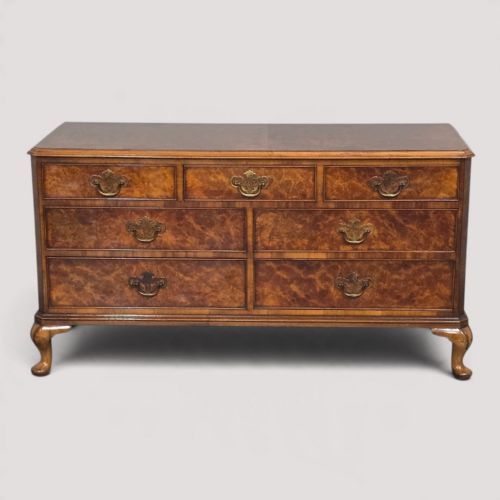
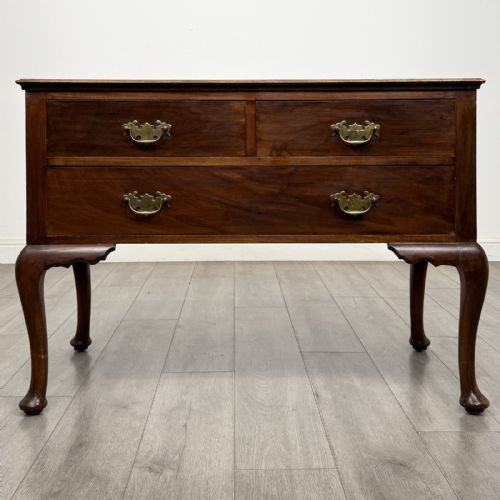
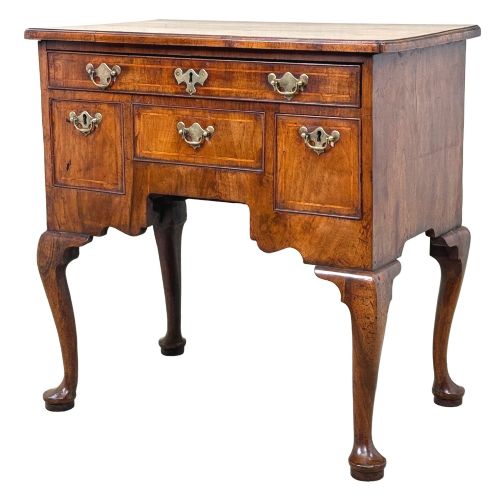
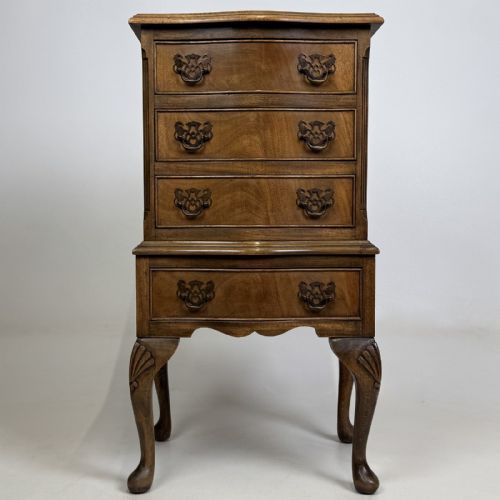
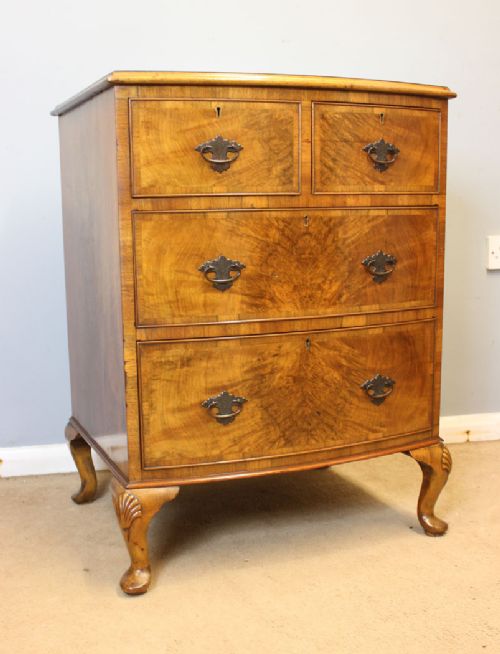
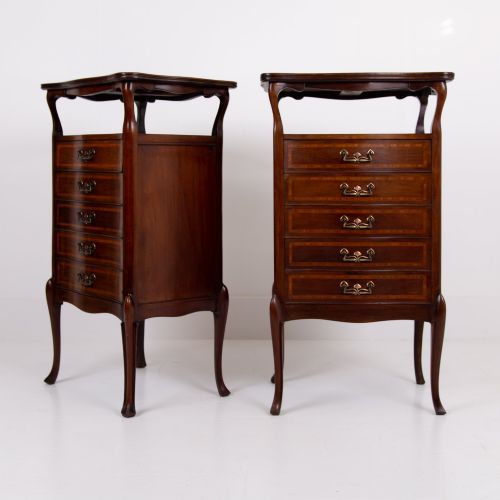
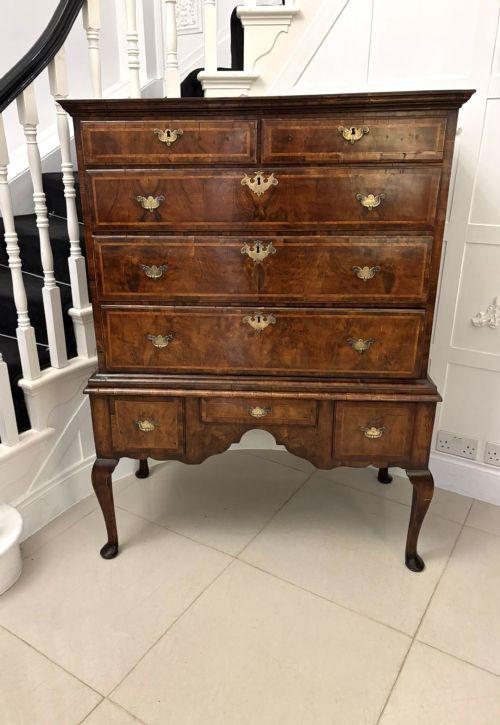
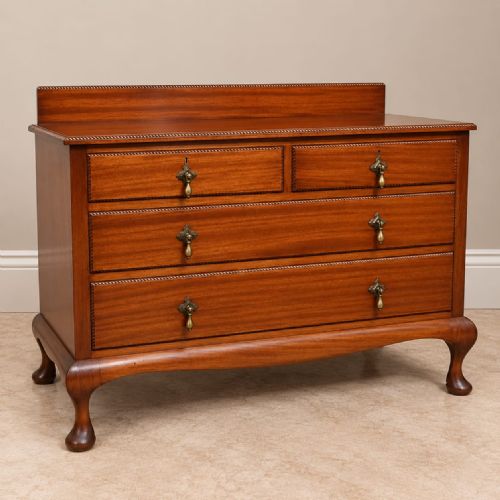
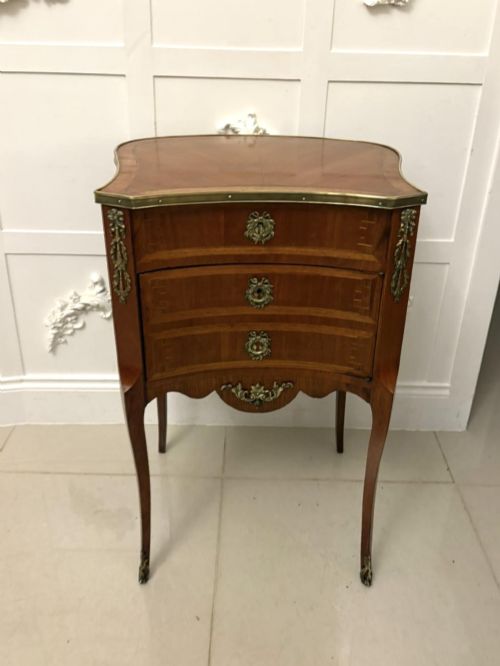
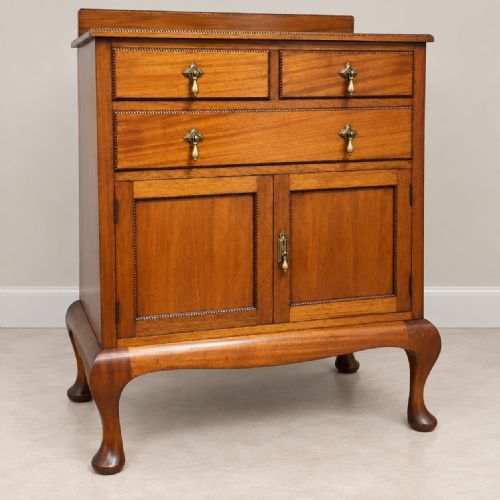
A cabriole leg chest of drawers combines traditional drawer storage with distinctive S-curved legs that lift the case from the floor. Buyers encounter forms ranging from low bedside cabinets and compact tallboys to grand eighteenth-century chests on stands.
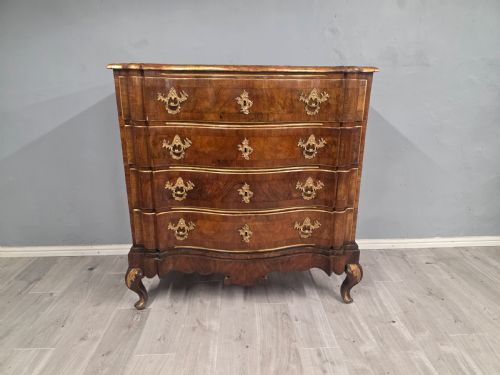
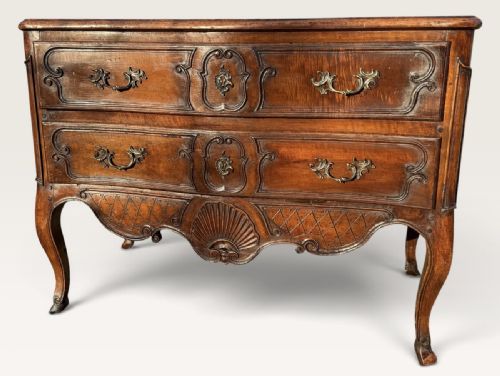
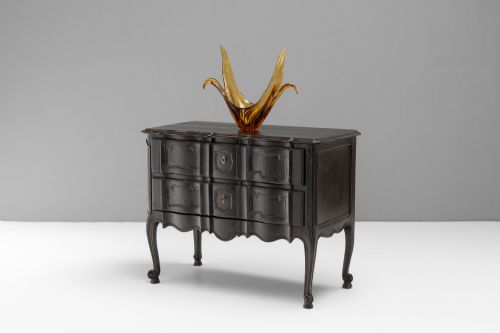
The selections span multiple eras, drawing heavily on eighteenth-century Georgian and Queen Anne periods alongside later Edwardian and twentieth-century revivals. French styles, including Louis XV commodes, frequently appear with similar curved supports.
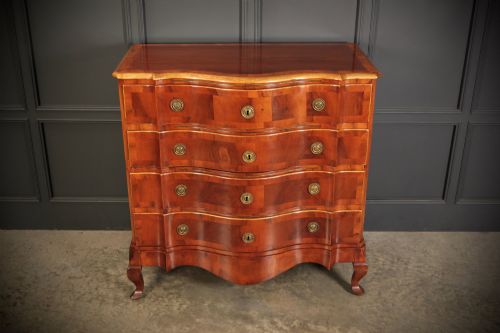
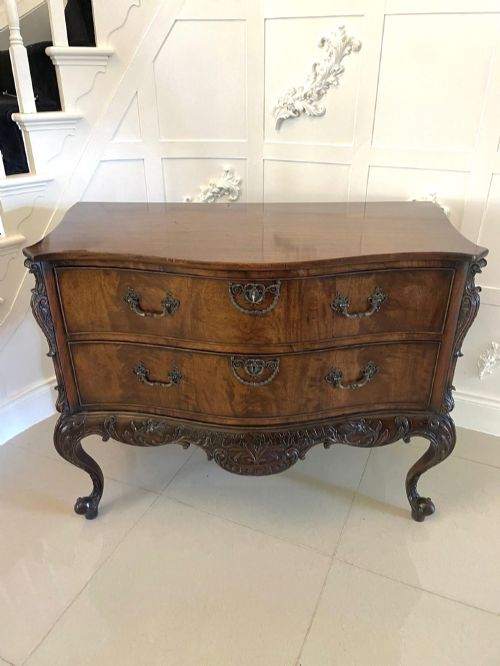
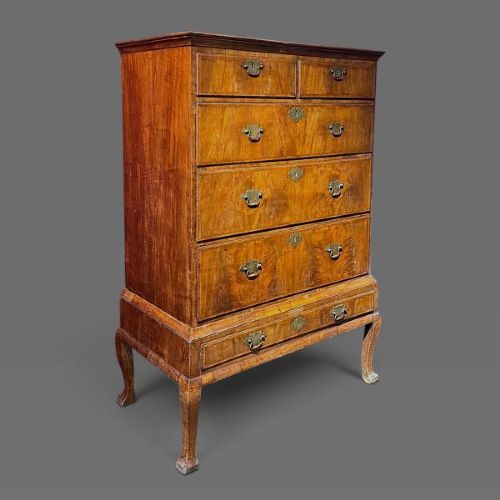
Makers utilise specific configurations such as chests on stands, serpentine commodes, and tall chests of drawers. Walnut and mahogany predominate among the surviving pieces.
Materials and Construction
Cabinetmakers constructed these pieces using timber frames veneered with figured walnut, burr walnut, or mahogany, occasionally incorporating oak or cherrywood for internal structures. Marquetry inlay and crossbanding frequently decorate the exterior surfaces.
Makers shaped the distinctive legs from solid wood, integrating them into the base frame of chests on stands or carving them directly into the lower rails of commodes. Brass handles and escutcheons punctuate the drawer fronts.
Marble tops appear on several French provincial and Louis XV style cabinets, resting directly upon the wooden carcase above the drawers.
Cabriole Leg Chest of Drawers Retail Price Guide 2026
Typical asking prices for cabriole leg chest of drawers among the pieces listed under this phrase on Sellingantiques today, from the lower quarter to the upper quarter. They describe what is for sale here now, not the wider market.
Several French bedside cabinets include discreet pull-out slides designed originally for holding small chamber lighting.
Standard and Craftsmanship
Quality rests upon the harmony of the carving and the selection of timber figures, where carefully matched burr walnut or figured mahogany veneers create balanced drawer fronts. The execution of the curved leg profile dictates the visual lightness of the piece.
Superior examples display crisp marquetry inlay, precise jointing in the carcase, and well-fitted drawers that operate smoothly within their housings. Lesser pieces show simpler construction with plain timber surfaces and heavier, less refined leg turnings.
The Cabriole Leg Chest of Drawers Glossary
- Cabriole leg
- A furniture leg that curves outward at the knee and tapers inward at the ankle, ending in a pad or foot. This form derives from classical furniture traditions.
- Chest on stand
- A two-part form comprising an upper chest of drawers mounted on a separate low frame with legs. This configuration elevates the storage section significantly.
- Tallboy
- A tall chest of drawers, often built in two sections to allow easier movement. These pieces provide substantial vertical storage capacity.
- Commode
- A low chest of drawers or cabinet, frequently of French origin dating from the eighteenth or nineteenth century. Many examples feature decorative marquetry and marble tops.
- Marquetry
- Decorative veneer work forming geometric or pictorial patterns using various woods. Craftsmen applied these patterns to drawer fronts and top surfaces.
Cabriole Leg Chest of Drawers: Frequently Asked Questions
What is a cabriole leg chest of drawers?
A cabriole leg chest of drawers is a storage unit featuring curved, knee-profile legs that elevate the main body of the cabinet off the floor. These pieces combine practical drawer space with decorative wooden carving.
Such furniture ranges from compact bedside cabinets to tall chests and elaborate commodes originating in British and continental workshops.
How do I identify a Queen Anne piece?
Queen Anne style pieces typically exhibit prominent walnut veneers, crossbanded borders, and characteristic cabriole legs terminating in pad feet. The overall design emphasises smooth curves rather than heavy mouldings.
Many examples take the form of a chest on stand, separating the upper drawers from the shaped supporting frame below.
What is the difference between a tallboy and a commode?
A tallboy provides vertical storage through a tall stack of drawers, often constructed as a two-piece unit consisting of an upper chest on a lower base. It maximises storage while occupying a relatively small floor area.
A commode is generally lower and broader, frequently associated with French designs featuring serpentine fronts, marquetry inlay, and marble tops.
Where were these chests placed historically?
These chests served primarily in bedrooms, dressing rooms, and formal parlours for storing linens, garments, and personal valuables. Smaller bedside cabinets sat adjacent to sleeping quarters.
Grand commodes and chests on stands often stood in prominent reception rooms to display the owner's taste and refined craftsmanship.