
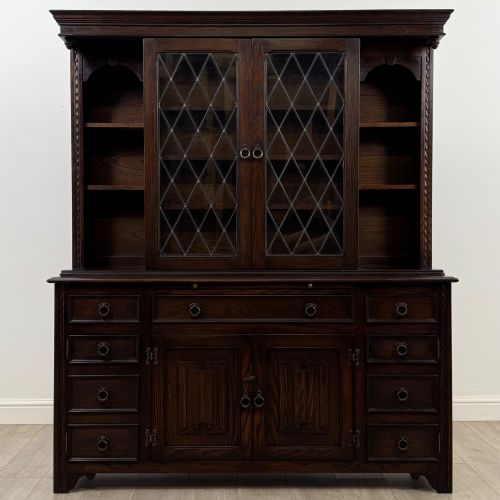
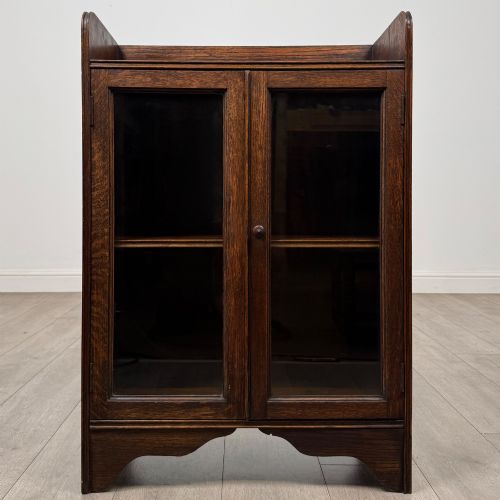
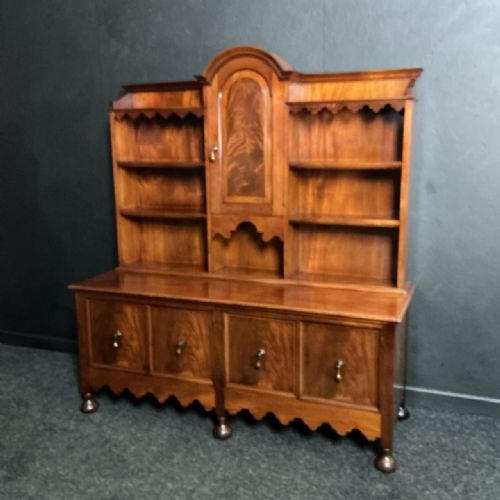
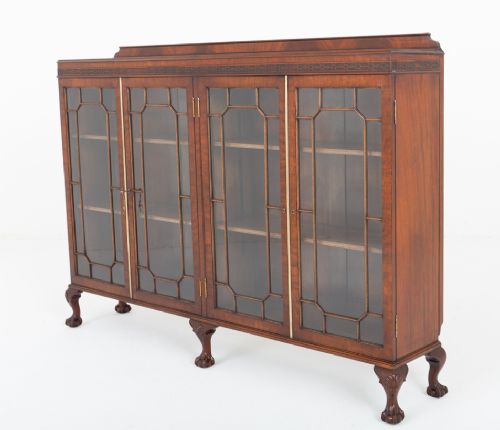
Vintage Display Cabinet
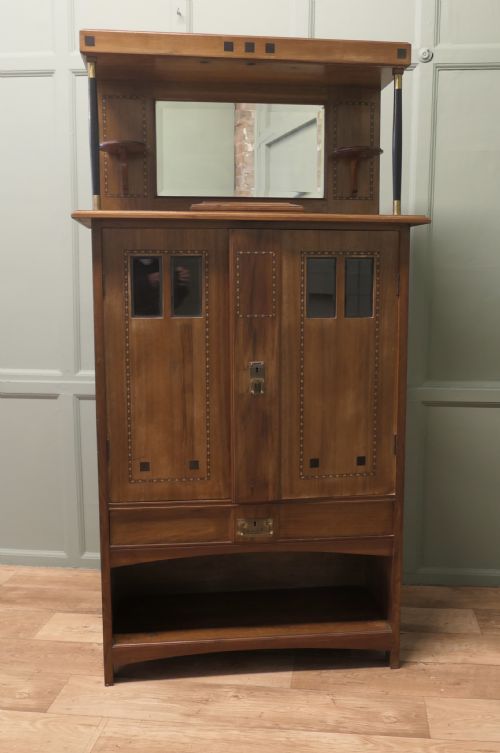
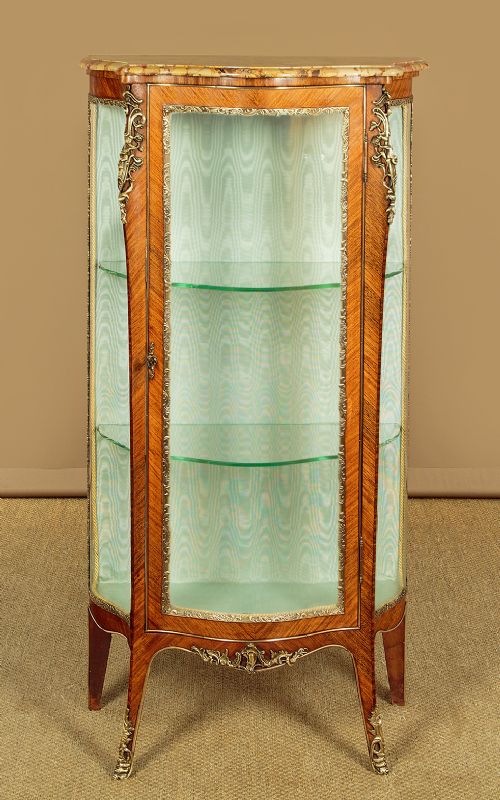
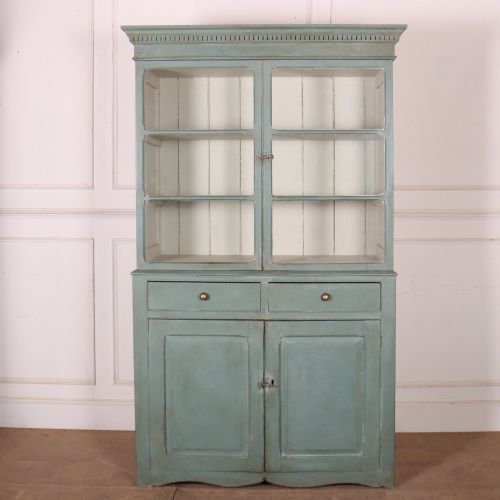
A vintage display cabinet holds collections behind glass panes, offering both storage and a clear view of objects accumulated over decades.

Vintage Display Cabinet
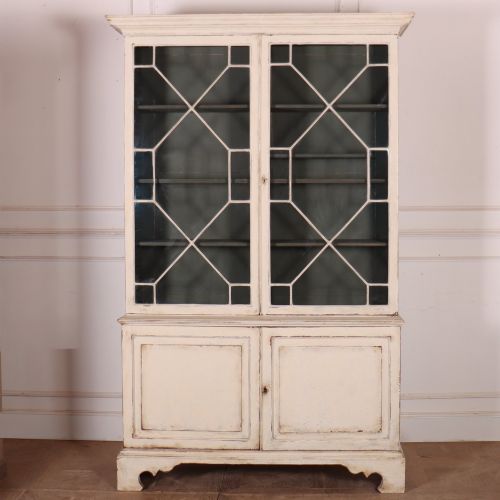
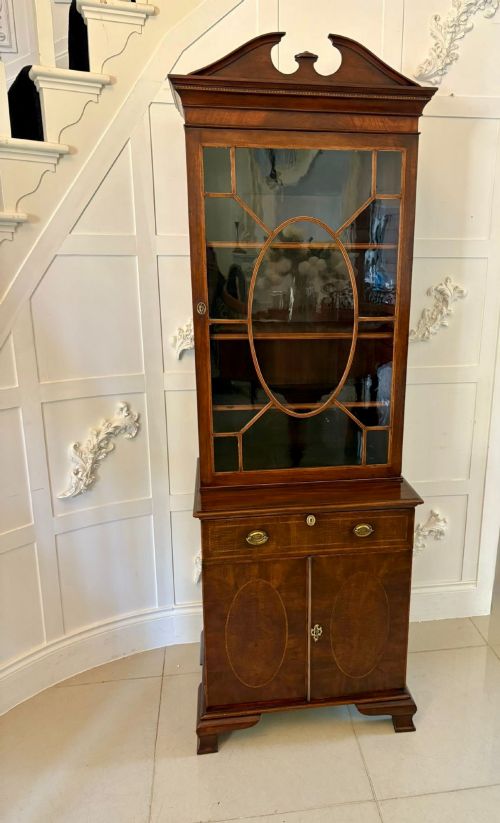
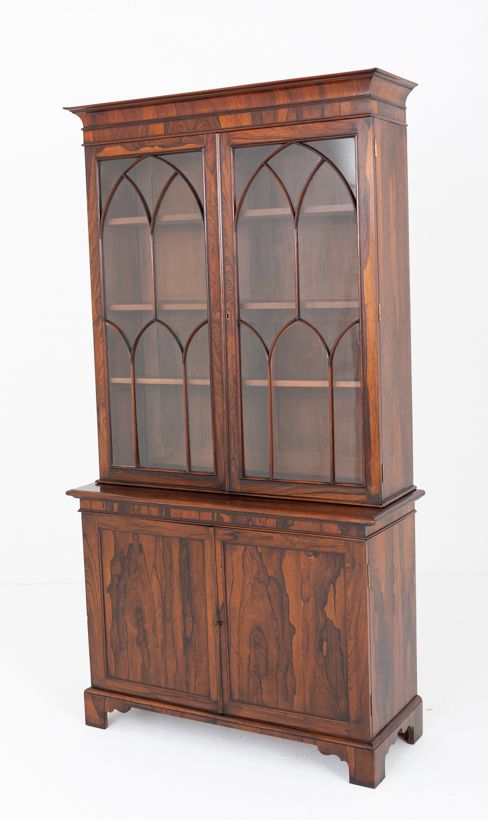
A vintage display cabinet serves to showcase ceramics, books, or ornaments while protecting them from dust behind glass doors. Buyers searching this phrase encounter forms spanning the Victorian, Edwardian, and Art Deco eras, alongside revival styles and mid-century pieces.
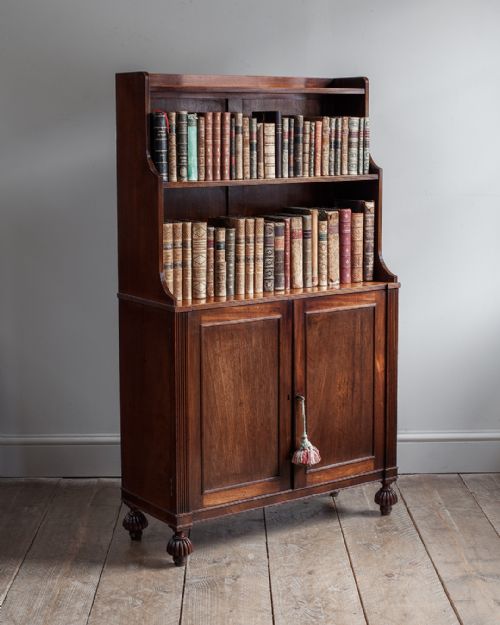
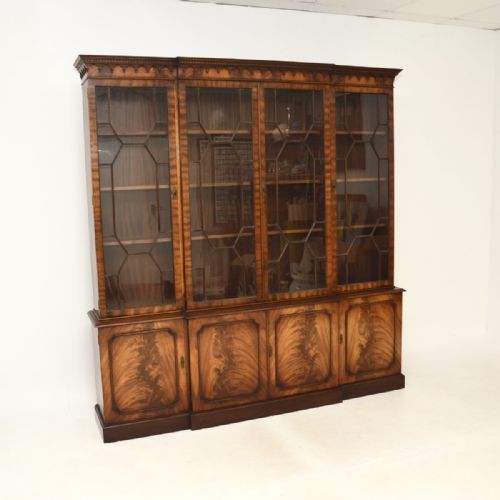
Common formats include tall freestanding bookcases, corner cabinets, and countertop shop counters with glazed panels. Oak, mahogany, and walnut dominate the structural timbers, often paired with brass fittings and fabric-lined interiors.
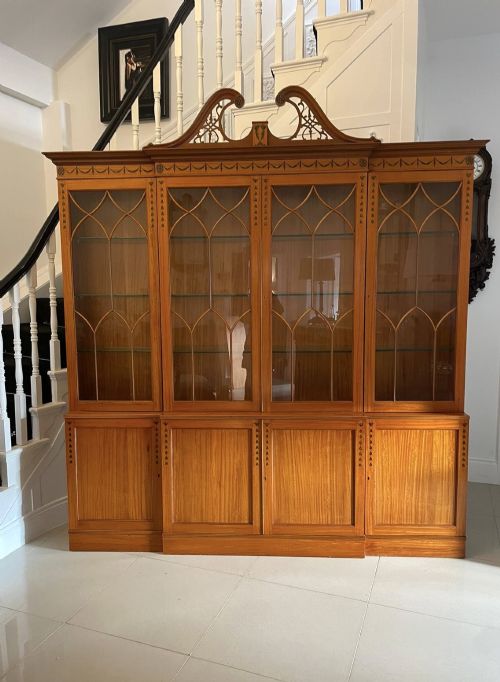
The architectural detailing borrows heavily from Georgian, Regency, and Sheraton traditions, resulting in pieces that range from austere school library bookcases to elaborately inlaid satinwood cabinets.
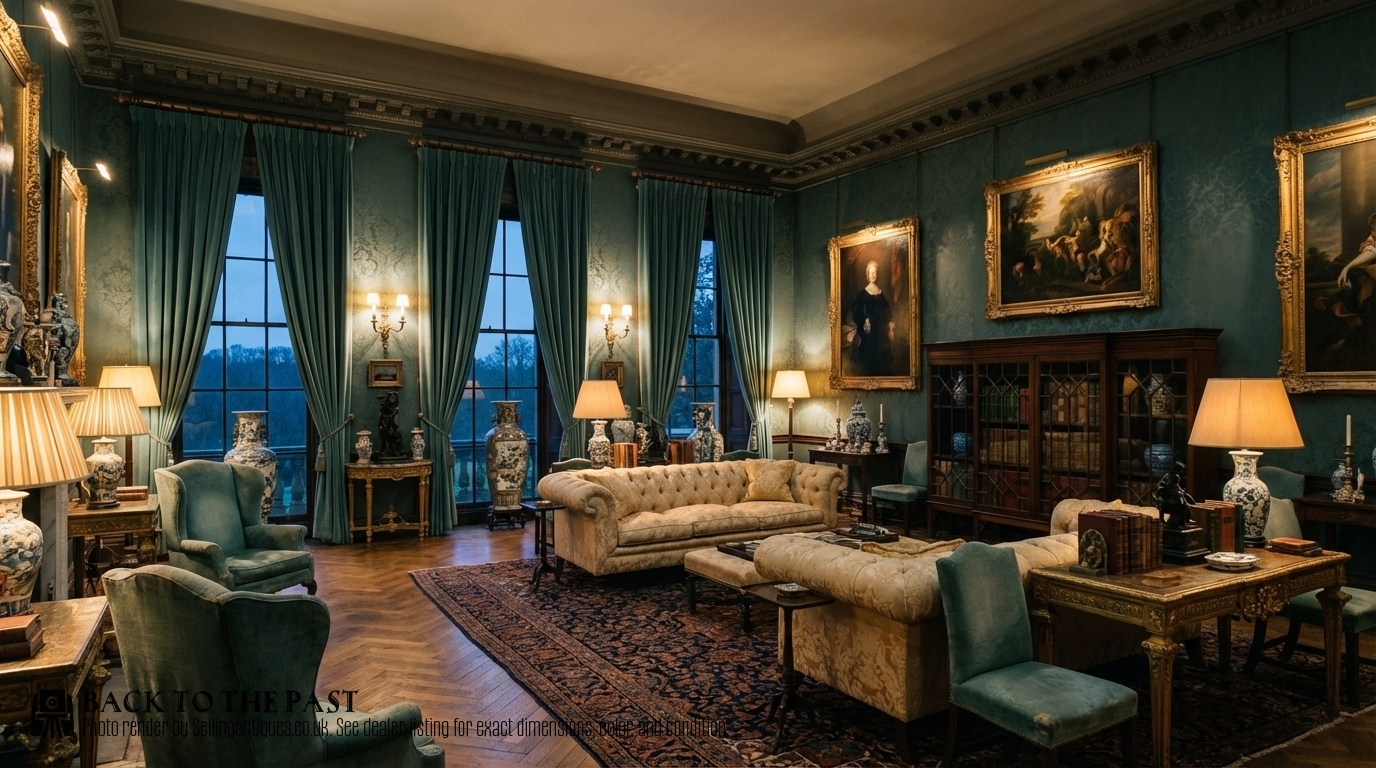
Materials and construction methods
Makers utilised solid hardwoods such as oak, mahogany, and walnut, frequently applying fine veneers like satinwood and burr walnut to primary surfaces. Pine and other secondary timbers appear in internal carcases and backing boards.
Glazing techniques define these cabinets, utilising lead, brass framing, and timber astragals to hold individual glass panes in place. Surface decoration relies on marquetry inlay, carved woodwork, and painted finishes rather than applied synthetic alternatives.
Vintage Display Cabinet Retail Price Guide 2026
Typical asking prices for vintage display cabinet among the pieces listed under this phrase on Sellingantiques today, from the lower quarter to the upper quarter. They describe what is for sale here now, not the wider market.
Listings feature oak, mahogany, walnut, and pine across Edwardian, Victorian, and Art Deco periods.
Distinctions in construction and finish
Quality rests on the selection of timber figures, such as figured mahogany or tiger oak, and the precision of cabinet joinery like dovetail drawers. Finer examples feature original glass, intricate marquetry, and substantial brass hardware.
Simpler utility pieces and school library bookcases prioritise robust function over decorative embellishment, showing straightforward pine or oak construction without elaborate veneers or hand-carved details.
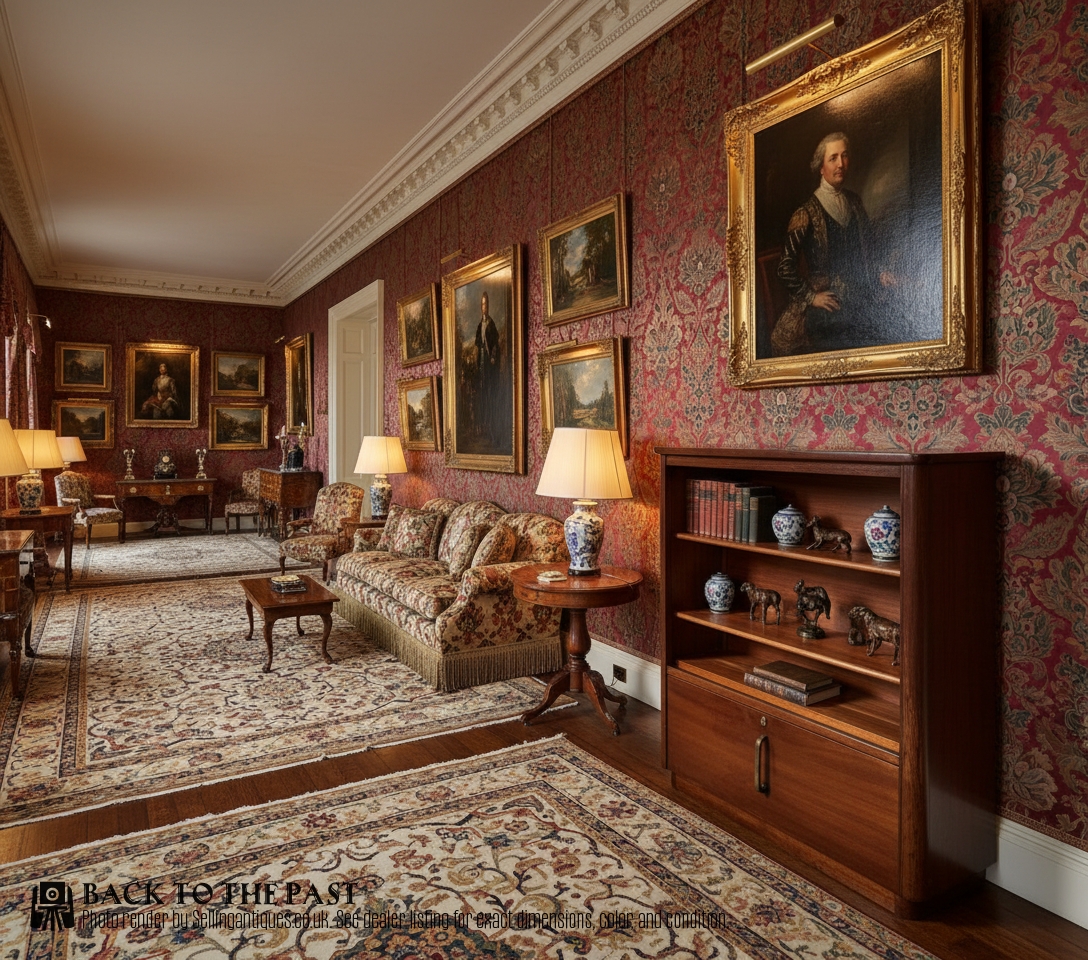
F. Sage & Co·Royal Crown Derby
The Vintage Display Cabinet Glossary
- Astral glazed
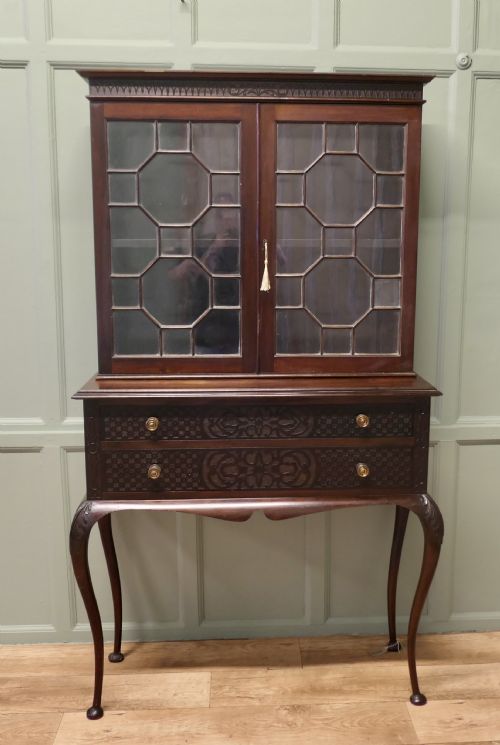
- Glass doors divided into multiple small panes held together by wooden or metal bars called astragals. This method creates a grid pattern typical of classical bookcase doors.
- Marquetry
- Decorative veneer work formed by fitting together small pieces of wood, shell, or ivory to create pictorial designs on cabinet surfaces. Craftsmen apply these patterns to drawer fronts and door panels.
- Breakfront
- A cabinet front where the central section projects forward from the flanking wings. This architectural arrangement adds visual depth to large bookcases and side cabinets.
- Vitrine
- A glass-sided cabinet designed specifically for displaying fine porcelain, curiosities, or decorative objects. These French-influenced pieces emphasise all-round visibility of contents.
- Bijouterie table
- A glass-topped display table intended for small valuables, jewellery, and portable collections. They often feature hinged lids and fabric-lined interiors.
- Linenfold
- A carved wood panel motif resembling folded parchment or linen cloth. This Tudor revival style appears frequently on early twentieth-century oak furniture.
Vintage Display Cabinet: Frequently Asked Questions
What is a vintage display cabinet used for?
These cabinets serve primarily to exhibit collectibles, porcelain, and books while keeping dust away from delicate items behind glass doors. They turn household storage into a formal presentation.
In retail contexts, similar countertop and tall glass enclosures historically protected merchandise while allowing customers a full view of goods for sale.
How do I identify an Edwardian display cabinet?
Edwardian pieces often feature light mahogany or satinwood timbers, frequently accented with Sheraton revival inlay work and delicate brass handles. The proportions tend to be lighter than heavy Victorian equivalents.
Look for glazed doors divided by slender wooden astragals, resting on spade feet or tapered legs rather than heavy plinth bases.
Are Art Deco display cabinets common?
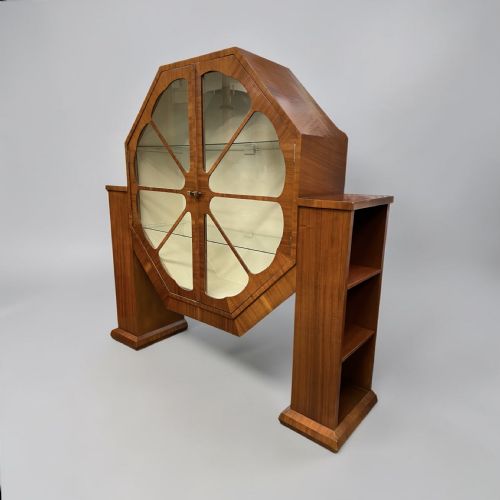
Art Deco examples appear regularly, characterised by geometric forms, striking veneer grains, and stepped architectural crests. They often dispense with traditional carved ornamentation in favour of clean lines.
These pieces frequently utilise walnut or oak, sometimes paired with contrasting light bandings and specialised haberdashery fittings intended for commercial or domestic display.
How should I care for timber display furniture?
Keep wooden cabinets away from direct sunlight and steady heat sources to prevent the timber veneers from drying, cracking, or warping over time. Environmental stability preserves both the finish and the door alignment.
Clean the glass panes with mild solutions and dust the interior woodwork gently with a dry cloth to protect original fabric linings and polished surfaces.