

Vintage Ceramic Vase
When you handle a vintage ceramic vase, you hold centuries of diverse firing traditions, from robust earthenware to delicate porcelain.
Vintage Ceramic Vase
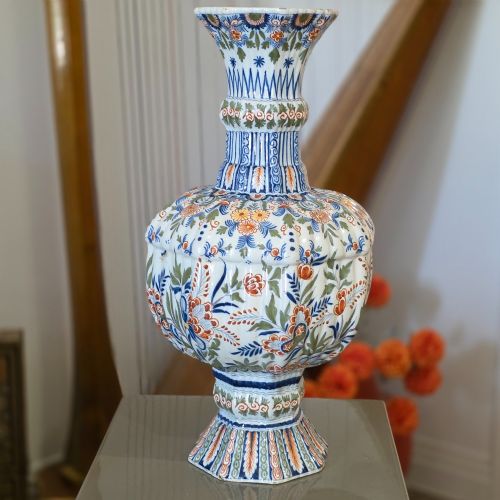
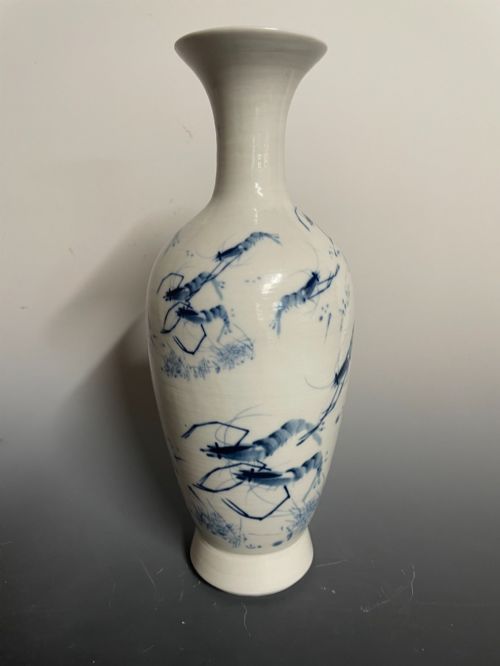
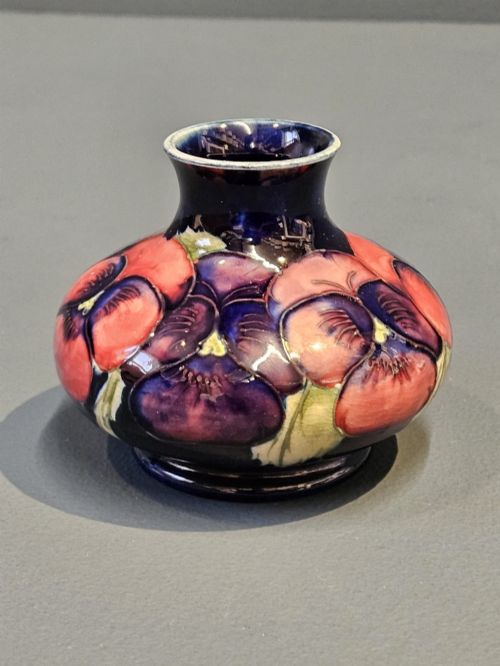
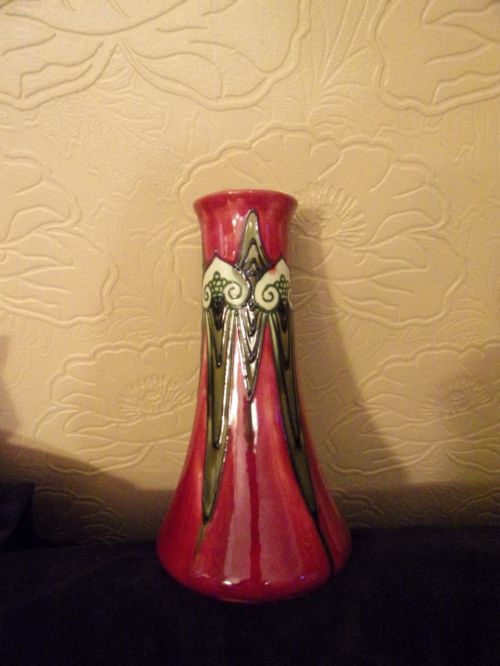
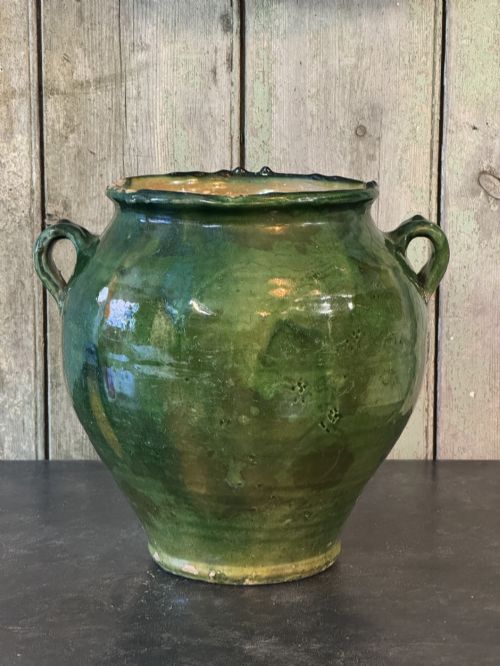
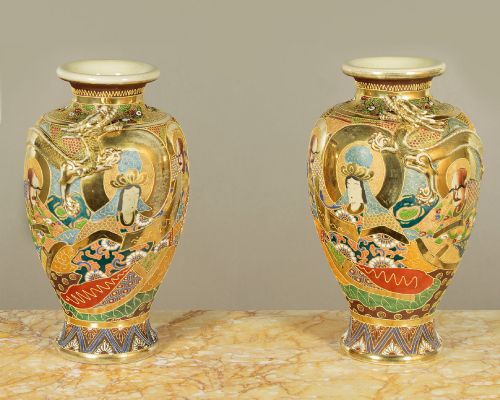
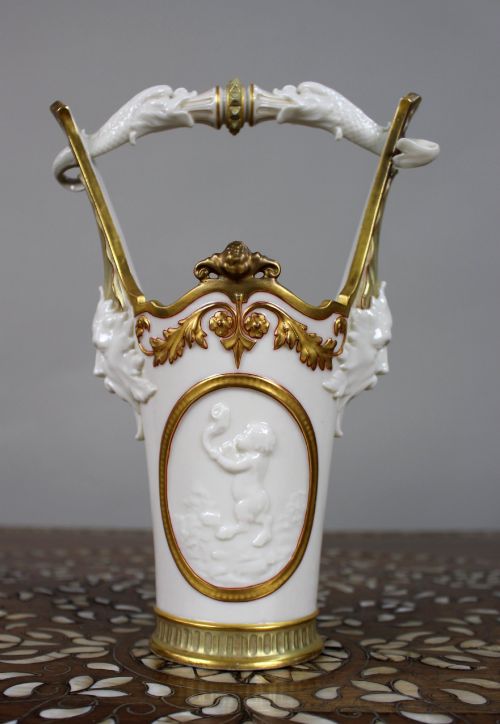
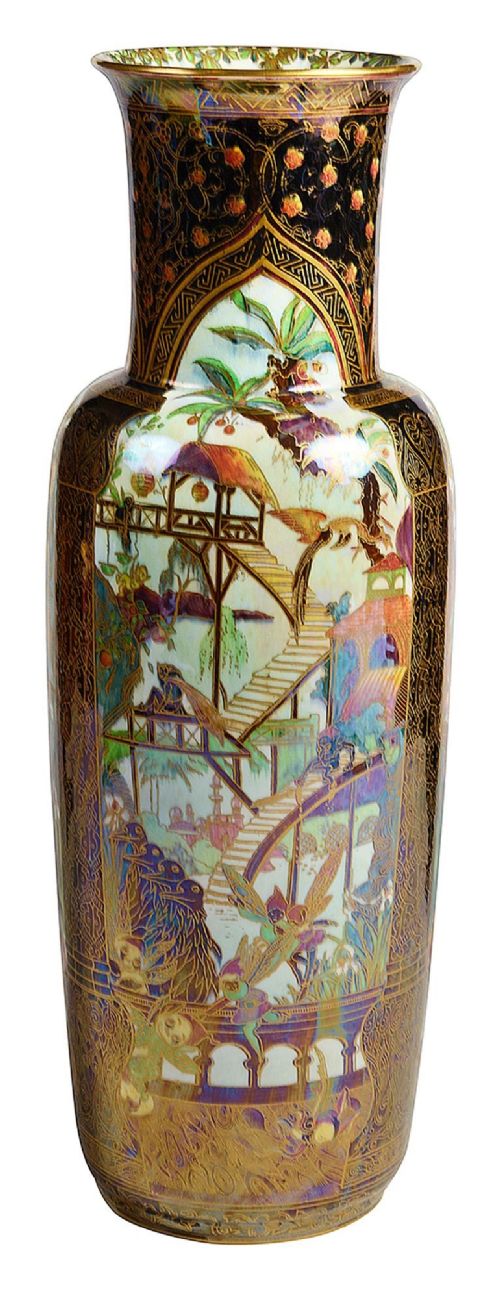
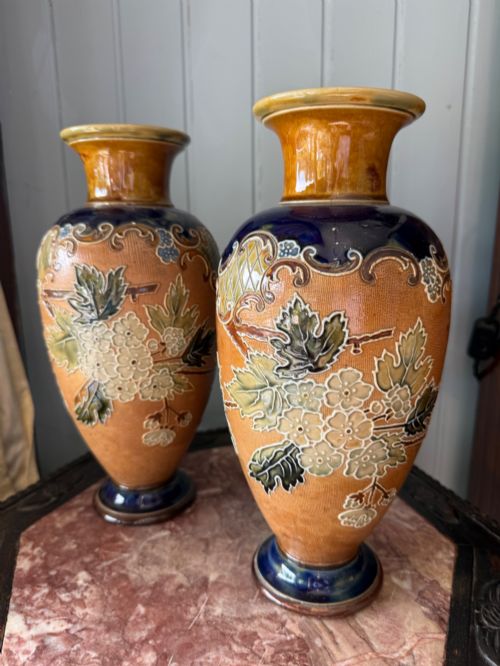
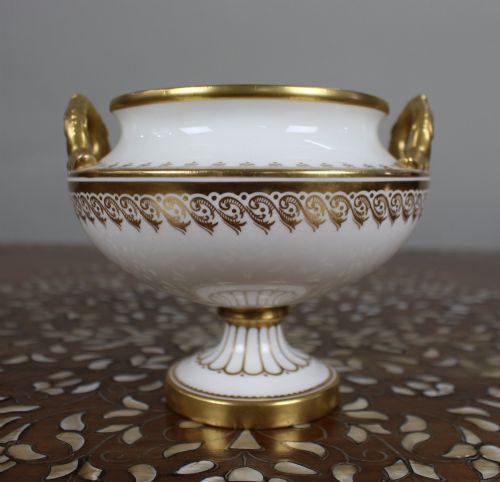
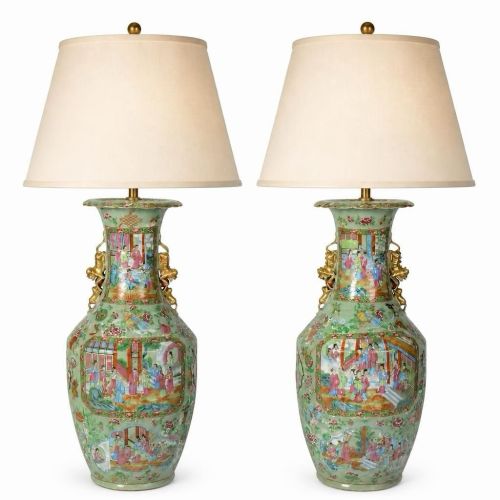
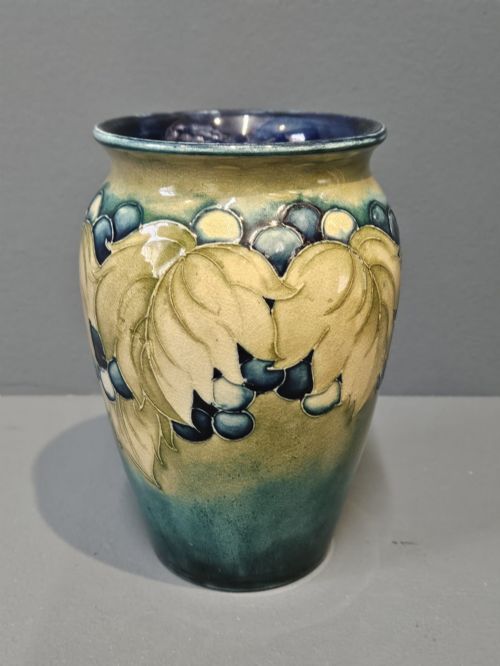
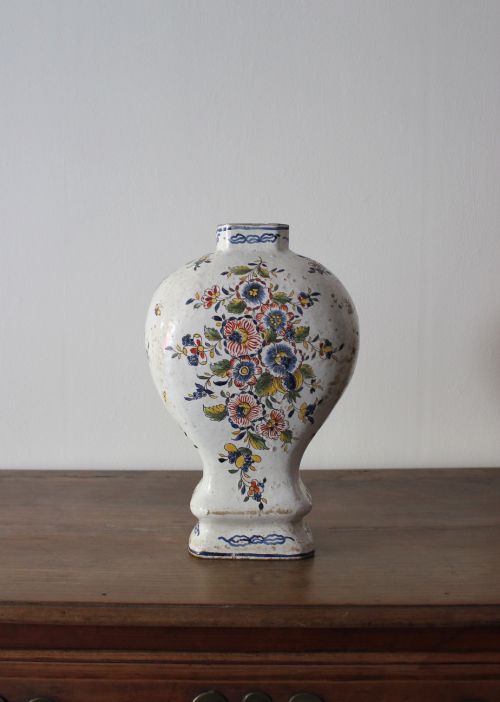
A vintage ceramic vase encompasses a wide variety of vessels spanning multiple centuries, featuring forms such as urns, ewers, and jars shaped from clay, earthenware, and porcelain. The pieces available range from nineteenth-century English porcelains and French confit pots to Japanese Satsuma and Chinese wares produced across the Victorian and Edwardian eras.
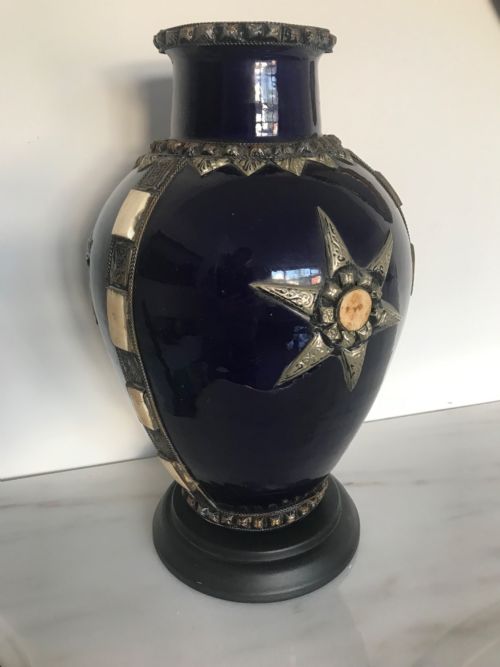
Buyers will encounter both standalone decorative vessels and items adapted for modern utility, including pieces converted into table lamps. Many examples display distinct regional movements, incorporating styles from Art Nouveau and Art Deco to Japanese Imari and traditional blue and white decoration.
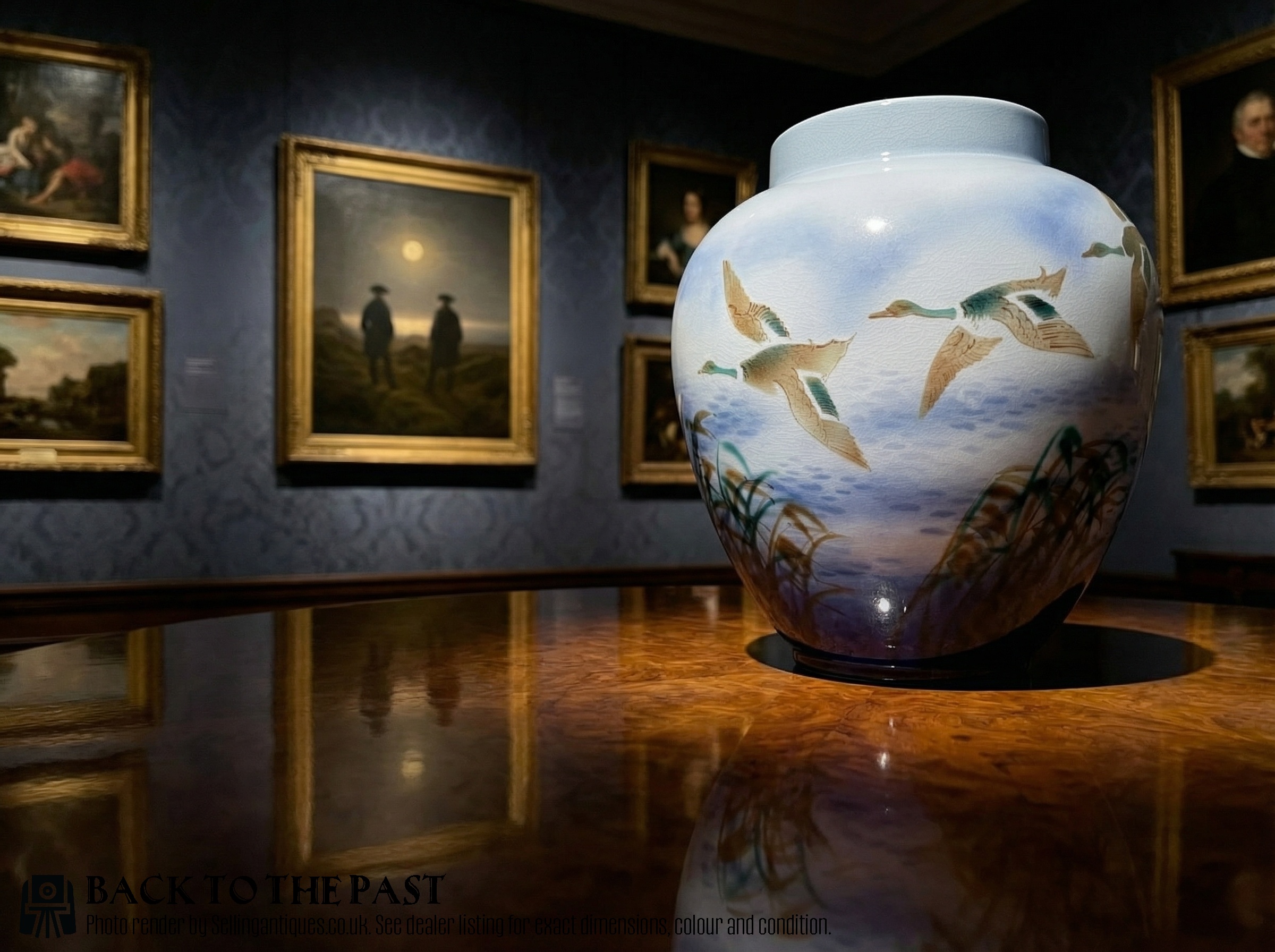
How they were made
Potters shaped these vessels using traditional techniques in clay, earthenware, stoneware, and porcelain, often applying rich glazes, enamel, and tube-lined designs to the surface. Many pieces incorporate decorative metallic elements, utilising brass, gold leaf, and gilt bronze mounts or copper effects alongside hand-painted motifs.
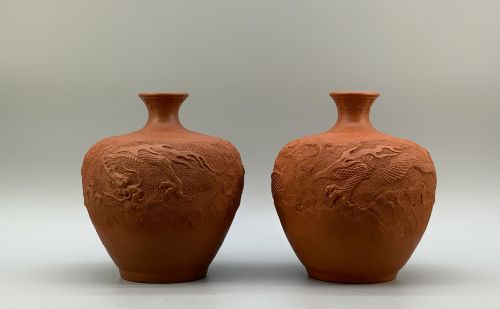
The construction of these objects frequently involved specialised regional methods, such as the intricate cloisonné enamel work on metal bases or the distinct red clay bodies seen in specific Japanese manufacturing traditions.
Vintage Ceramic Vase Retail Price Guide 2026
Typical asking prices for vintage ceramic vase among the pieces listed under this phrase on Sellingantiques today, from the lower quarter to the upper quarter. They describe what is for sale here now, not the wider market.
Listings span from the seventeenth century through the Victorian, Edwardian, and Art Deco periods, utilising porcelain, stoneware, earthenware, and brass mounts.
What varies in quality
The distinction between standard production and exceptional work rests on the crispness of the hand-painted detailing, the depth and consistency of the glaze, and the sophistication of the forms. Pieces from established potteries often demonstrate superior control in firing and more ambitious decorative programs.
Quality also appears in the integration of secondary materials, such as finely chased gilt bronze mounts or carefully applied cabochons, which elevate the overall presence of the vessel.
Moorcroft·Royal Worcester·Wedgwood·Royal Doulton·Zsolnay Pecs
The Vintage Ceramic Vase Glossary
- Earthenware
- Porous pottery fired at lower temperatures, typically requiring a glaze to achieve water tightness.
- Porcelain
- A hard, white, translucent ceramic fired at high temperatures, known for its refined finish.
- Tube-lined
- A decorative ceramic technique where thin lines of clay are squeezed onto the body to outline patterns before glazing.
- Imari
- A style of Japanese export porcelain characterised by underglaze blue and overglaze red, gold, and green.
- Clisonné
- An enamelwork technique where enamel is applied to compartments created by soldered wire strips on a metal base.
Vintage Ceramic Vase: Frequently Asked Questions
How do I clean an old ceramic vase safely?
Dust the surface gently with a dry, soft brush to remove accumulated particles without disturbing delicate glazes or painted details.
Avoid submerging pieces with metal mounts, gilt trim, or historical repairs in water, using only a slightly damp cloth on robust glazed areas if necessary.
Can I use these vases for fresh flowers?
Many historical vessels hold water successfully, particularly fully glazed stonewares and hard porcelains produced in the nineteenth and twentieth centuries.
Porous earthenware or pieces with internal structural conversions, such as lamp fittings, require a discreet inner liner or should remain dry.
How do I identify the period of a piece?
Examine the base for factory marks, impressed stamps, or hand-painted signatures that link the object to specific operating dates of a pottery.
stylistic clues, such as the characteristic curves of Art Nouveau or the heavy gilding of the Victorian era, provide further dating context.
What is the difference between earthenware and porcelain?
Earthenware is fired at lower temperatures, resulting in a heavier, opaque body that is porous unless thoroughly glazed.
Porcelain utilises refined materials fired at extreme heat, producing a vitrified, resonant body that is often translucent.