



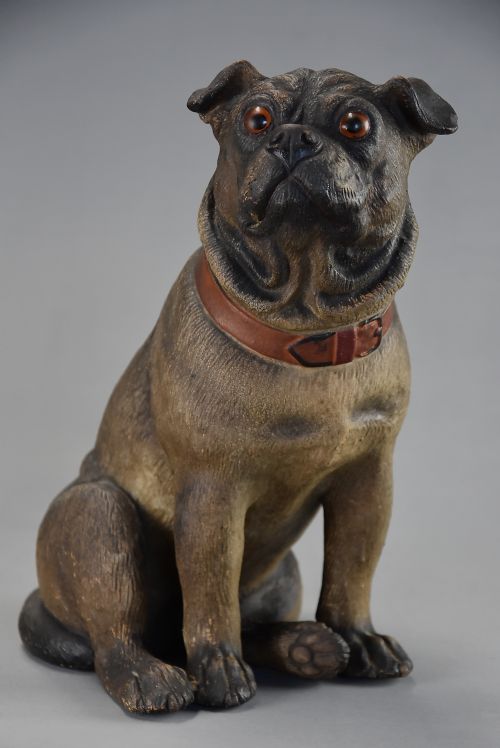
Vintage Ceramic Ornament
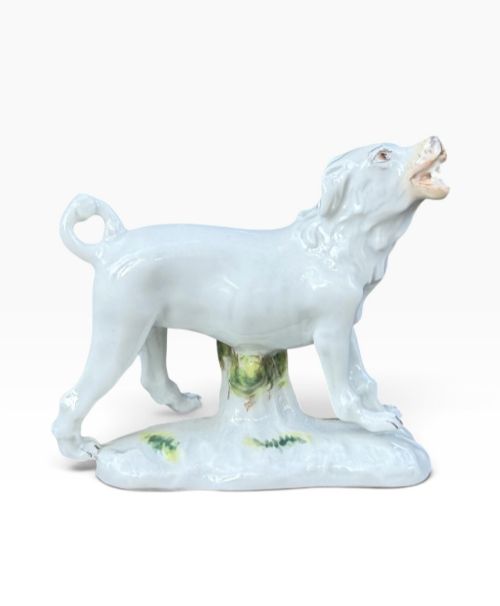
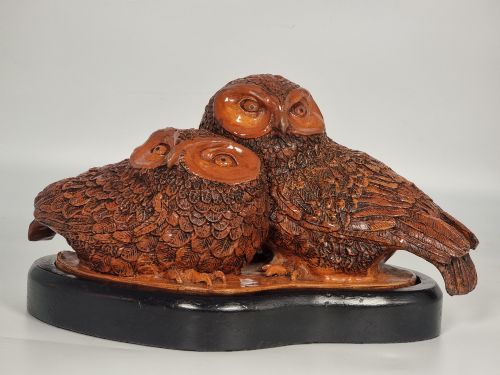
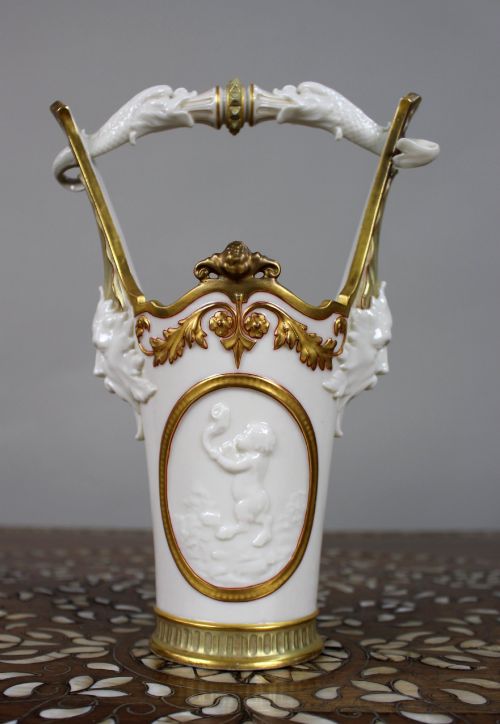
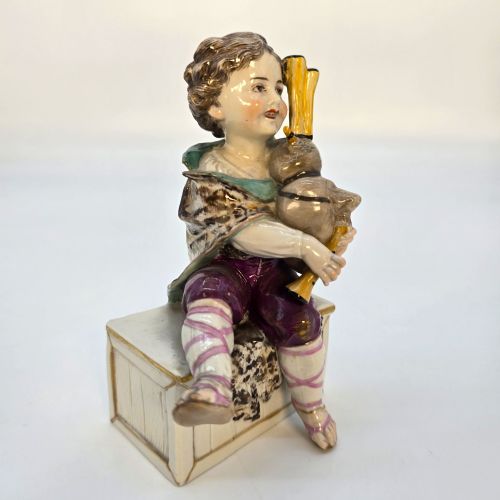
These vintage ceramic ornament pieces encompass figures, animals, and decorative ceramics crafted across multiple centuries.
Vintage Ceramic Ornament
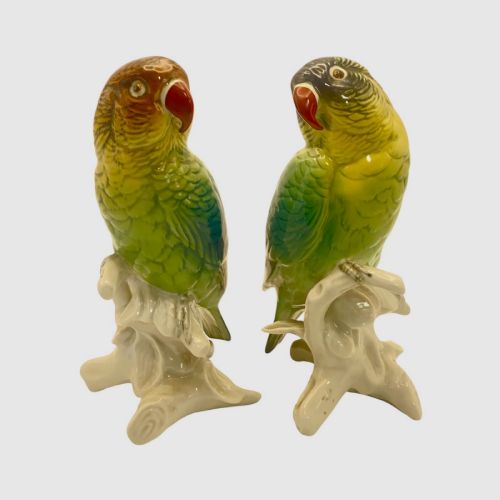
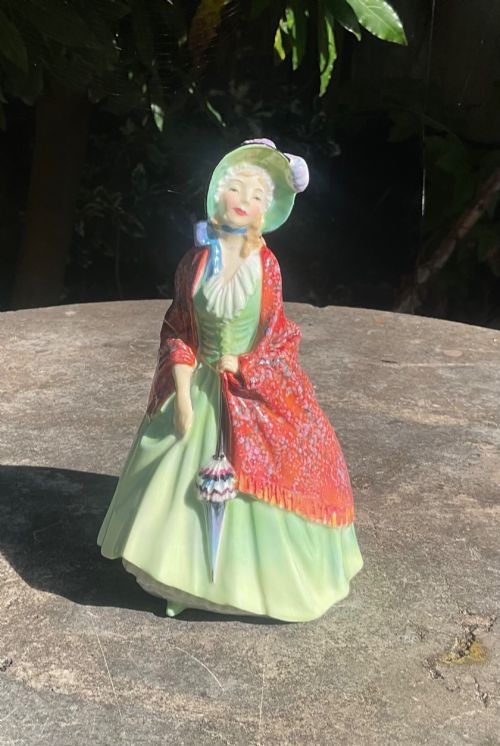
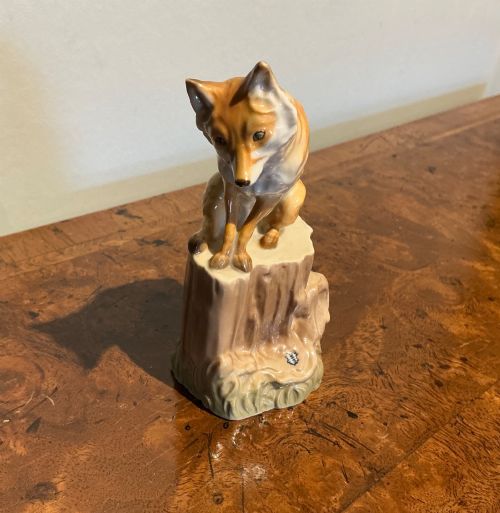
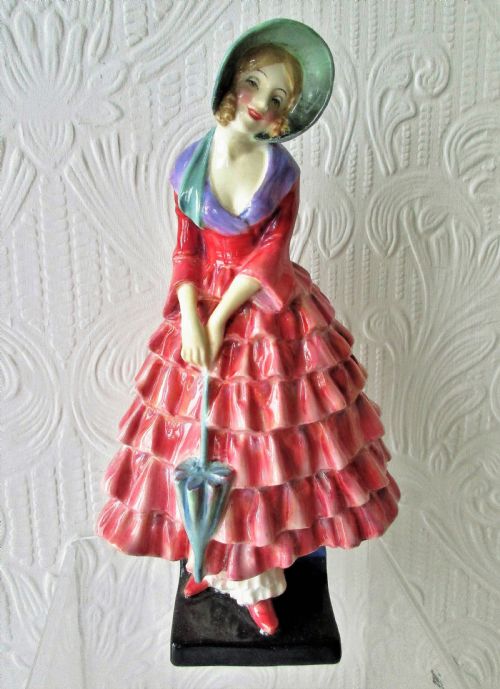
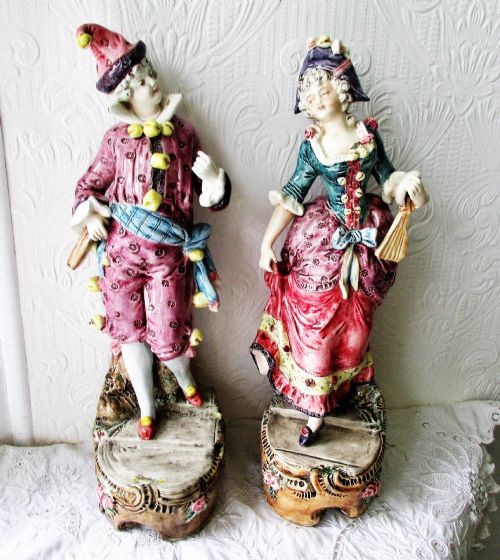
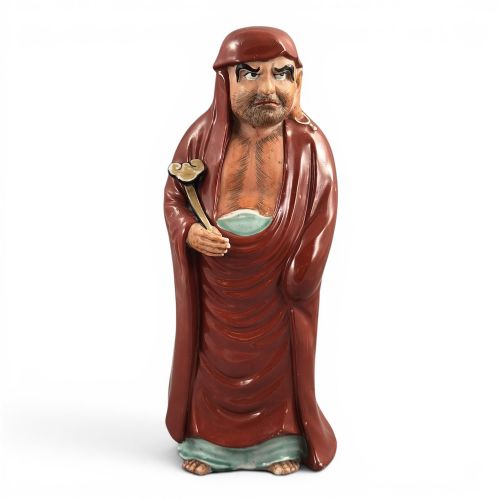
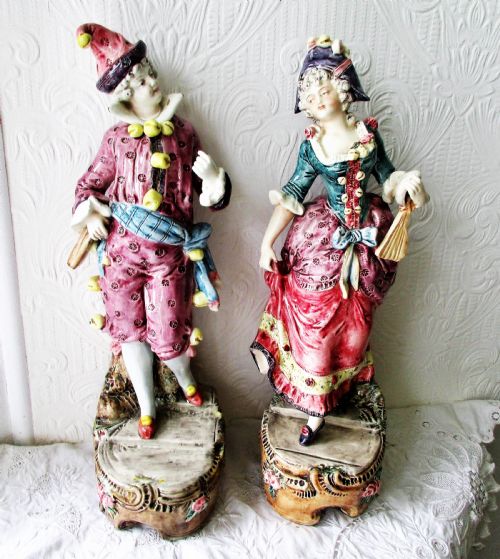
A vintage ceramic ornament grouping covers moulded figures, animal studies, and sculptural bookends originating from periods spanning the eighteenth century to the mid-twentieth century. Buyers encounter English porcelain character figures, continental earthenware animals, and Staffordshire earthenware dogs on this page.
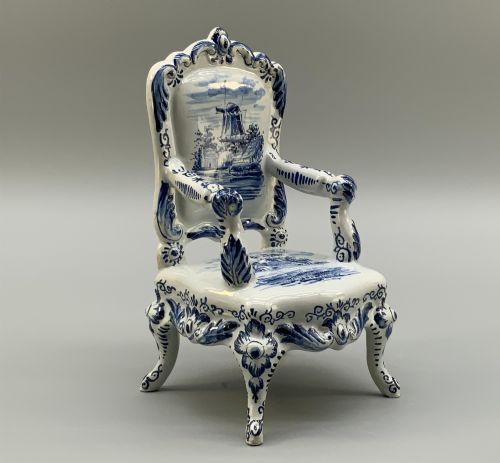
Forms include hand-sculpted studio pottery women, Dutch Delft blue and white pottery, and German porcelain figures made by historic factories. Pieces range from small miniature armchairs to life-size terracotta dog sculptures.
How They Were Made
Makers utilised porcelain, bone china, earthenware, and terracotta, applying coloured glazes, enamel, and gold leaf highlights before firing.
Many items show hand-sculpted details combined with moulded bodies, particularly in English studio pottery and continental decorative porcelain.
Listings include items spanning the 18th century, 19th century, Victorian period, and Edwardian era, alongside 1920, 1930, and 1940 pieces.
What Varies in Quality
Execution of hand-painted enamel details and facial expressions separates standard production items from finer factory pieces and studio works.
The crispness of moulding and depth of glaze application determine the visual weight of sculptural forms and figures.
Royal Doulton·Karl Ens·Nymphenburg·Meissen·Royal Worcester·Volkstedt Rudolstadt Factory·Charles Vyse·Berthe Savigny
The Vintage Ceramic Ornament Glossary
- Earthenware
- Porous pottery fired at lower temperatures, typically finished with an opaque glaze or enamel. This material forms the basis for many traditional animal and figure studies.
- Bone China
- A type of porcelain containing animal bone ash, producing a strong, translucent body. English factories utilised this for detailed character figurines.
- Glaze
- A glassy coating fused to ceramic surfaces by heat, providing colour, pattern, or a protective seal. Lustrous finishes enhance moulded details.
- Terracotta
- Unglazed or glazed fired clay of a brownish-red colour, frequently utilised for large animal sculptures and portrait figures.
- Studio Pottery
- Ware produced by individual artists working independently, such as Charles Vyse, rather than in large industrial potteries.
Vintage Ceramic Ornament: Frequently Asked Questions
How do I identify a vintage ceramic ornament?
Examine the base for factory stamps, painted marks, or incised signatures left by the maker. Stylistic clues such as glaze types and modelling techniques also help establish the period of origin.
Comparing known examples from specific manufacturers provides a reliable method for confirming attribution and age.
Where were these ceramic ornaments displayed?
These pieces served as mantelpiece ornaments, decorative table centrepieces, and functional bookends within period homes. Animal figures often stood in pairs on either side of a fireplace.
Smaller items like miniature chairs and trinkets found placement on occasional tables and cabinets.
How should I clean ceramic ornaments?
Dust surfaces gently using a soft, dry brush to prevent accumulation in crevices and painted areas. Avoid harsh chemical cleaners that might damage delicate enamel details or gold leaf.
Wash only when necessary with lukewarm water and mild soap, ensuring the piece dries completely.
What defines Staffordshire pottery figures?
Staffordshire figures comprise earthenware models of animals and people, typically produced in pairs for domestic display. Common subjects include spaniels, terriers, and historical personages.
Potters moulded these items in regional English kilns during the nineteenth century.