


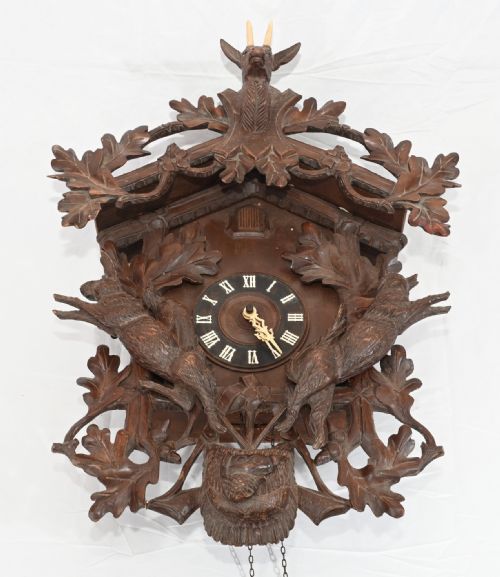

Vintage Carved Oak Clock
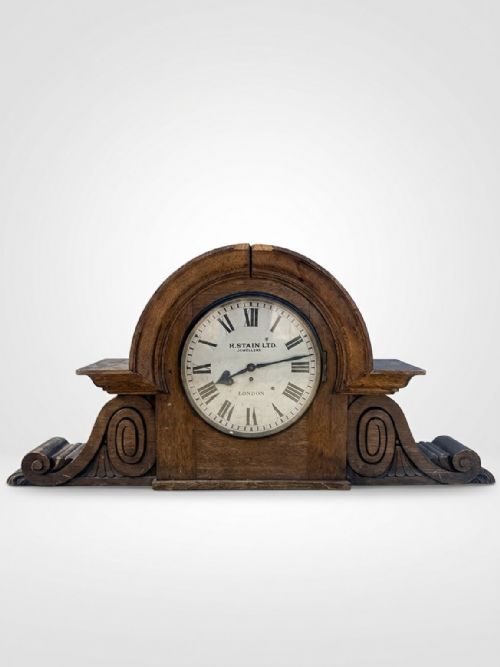
These vintage carved oak clock pieces combine sturdy timer-keeping mechanics with detailed relief work, offering traditional utility and decorative presence.

Vintage Carved Oak Clock
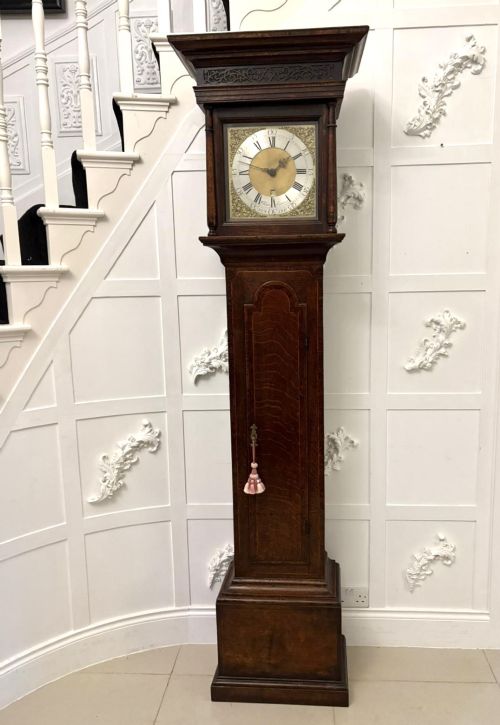
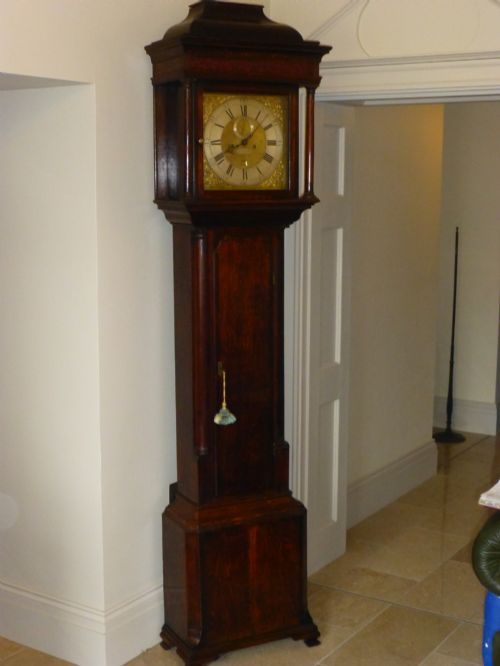
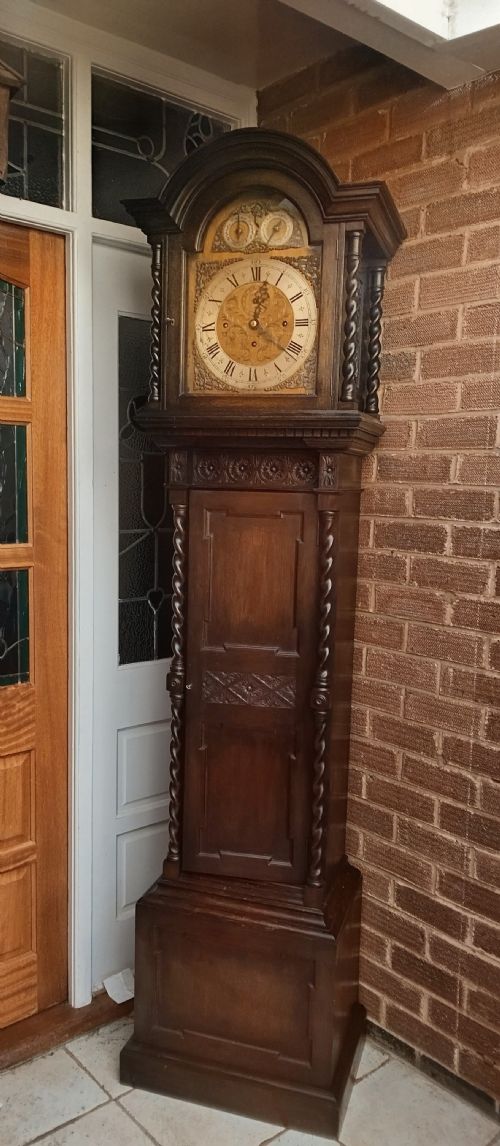
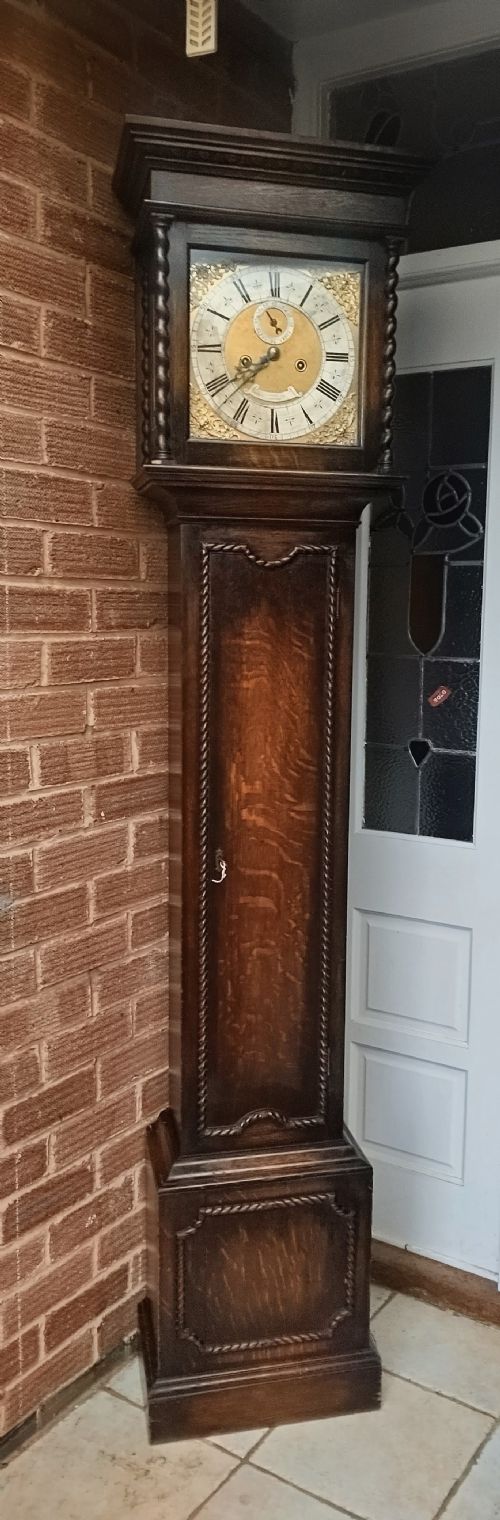
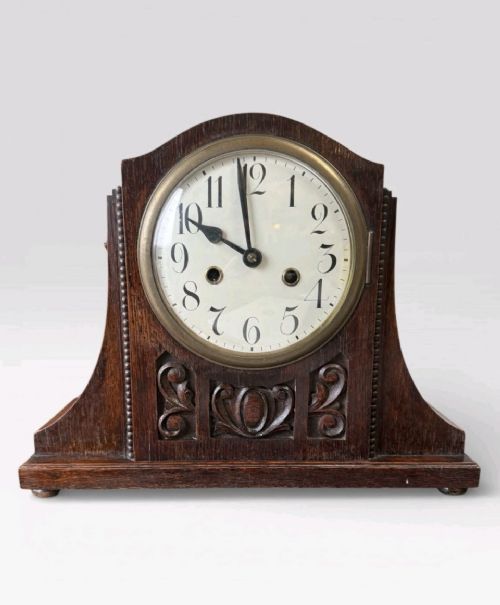
A vintage carved oak clock encompasses tall floor-standing timepieces, wall instruments, and smaller shelf models spanning several centuries. The selection includes longcase grandfather clocks alongside mantel and wall-mounted variations.
Pieces range from early eighteenth-century examples to later twentieth-century interpretations, reflecting shifting stylistic periods such as Georgian, Victorian, Edwardian, and Art Deco. Oak appears frequently as the primary timber, sometimes paired with walnut, mahogany, or brass dials.
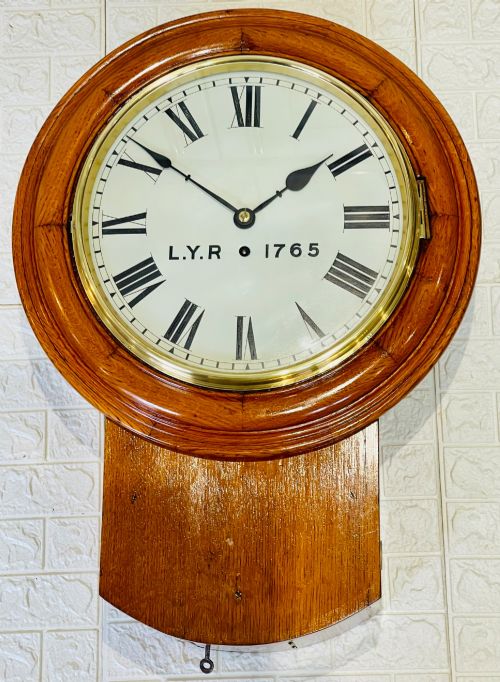
Buyers encounter different regional British movements alongside continental Black Forest or German mechanisms. Forms stretch from simple drop dial wall clocks to elaborate musical grandfather clocks with multiple chimes.
Materials and construction
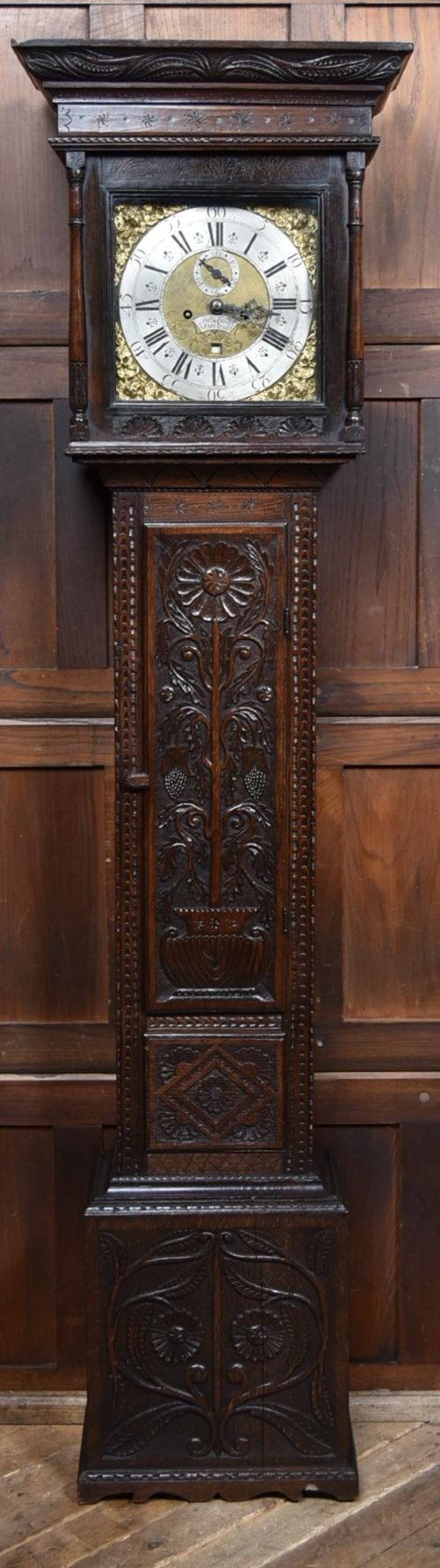
Makers utilised solid oak, often seasoned and hand-carved with relief patterns, geometric motifs, or foliate designs. Timber frames house mechanical movements driven by weights, springs, or fusee systems.
Dials incorporate brass, enamel, ceramic, or silvered metal, often featuring engraved signatures or subsidiary hands. Glass panels protect the face and pendulum, while walnut or mahogany elements occasionally provide contrasting inlay or secondary borders.
The listings on this site feature oak as the primary material, alongside brass, glass, and walnut across Georgian, Victorian, and Edwardian periods.
Judging the standard
Quality rests upon the crispness of the hand-carving in the oak case and the complexity of the internal movement. Clocks featuring signed brass dials or multiple chimes reflect higher production standards.
The integration of the timber case with original mechanical components distinguishes finer examples from later assemblies or heavily restored pieces. Proportional balance between the dial, case dimensions, and period details determines the overall standard.
Jn Smith Macclesfd·Richard Corless·Hyde & Sons Sleaford·Winterhalder·Samuel Young·Mappin & Webb
The Vintage Carved Oak Clock Glossary
- Longcase clock
- A tall freestanding pendulum clock enclosed in a wooden case, commonly called a grandfather clock.
- Fusee
- A conical pulley used in clock movements to maintain even tension on the chain or cord as the mainspring unwinds.
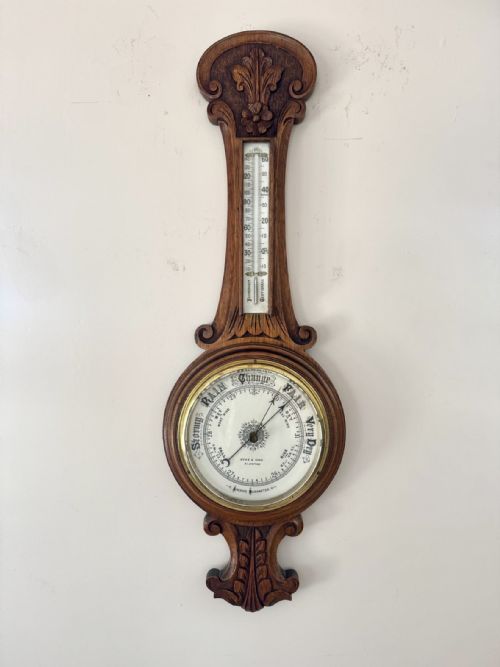
- Aneroid barometer
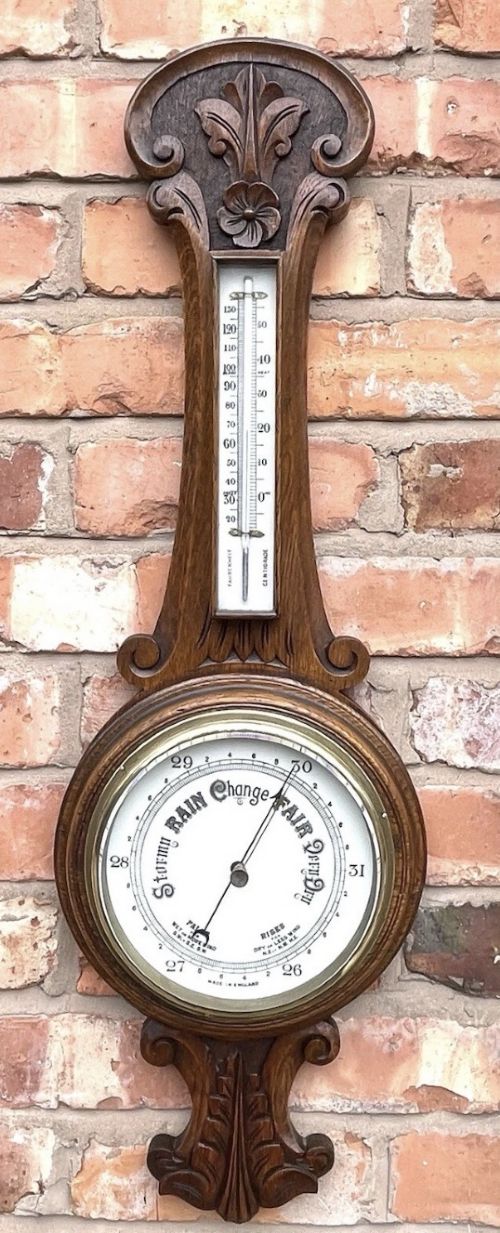
- An instrument for measuring atmospheric pressure without liquid, frequently housed in carved oak banjo frames alongside thermometers.
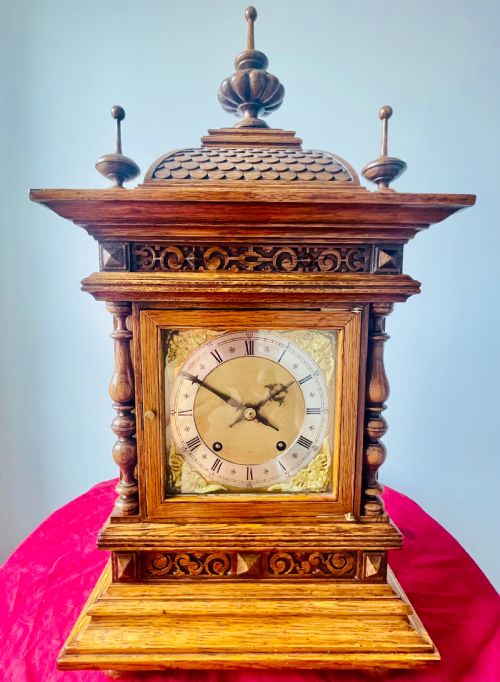
- Bracket clock
- A portable table or mantel clock originally designed to sit on a wall bracket.
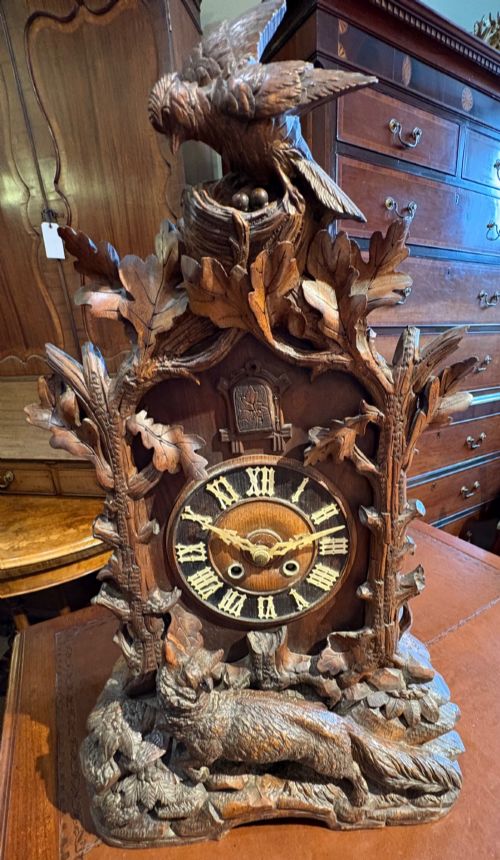
- Black Forest
- A style of carved wooden clock and barometer originating from the Black Forest region in Germany.
Vintage Carved Oak Clock: Frequently Asked Questions
How do I wind a longcase clock?
Weights inside the oak case must be raised slowly using a crank key until they reach the top. Care is needed not to pull the chains too fast.
Pendulum clocks require careful handling to avoid damaging the suspension spring during winding.
Are these clocks suitable for daily use?
Mechanical movements require regular winding and occasional professional servicing to keep accurate time. Many pieces function reliably when placed on a level surface.
Placing them away from direct sunlight and drafts helps preserve the oak case and internal gears.
How can I tell the period of an oak clock?
Dial styles, wood finishes, and carved motifs offer clues to the era of manufacture. Eighteenth-century pieces often feature square brass dials, while Edwardian and Art Deco examples show different stylistic geometry.
Maker signatures inscribed on the dial or movement backplate assist in dating the piece.
What is a grandmother clock?
A grandmother clock is a smaller, more slender version of the traditional longcase grandfather clock. They were produced in various periods including the Edwardian era.
Their compact height suits rooms with lower ceilings while retaining weight-driven chiming mechanisms.